Why Nepal Is the Best Destination for Adventure Travelers?
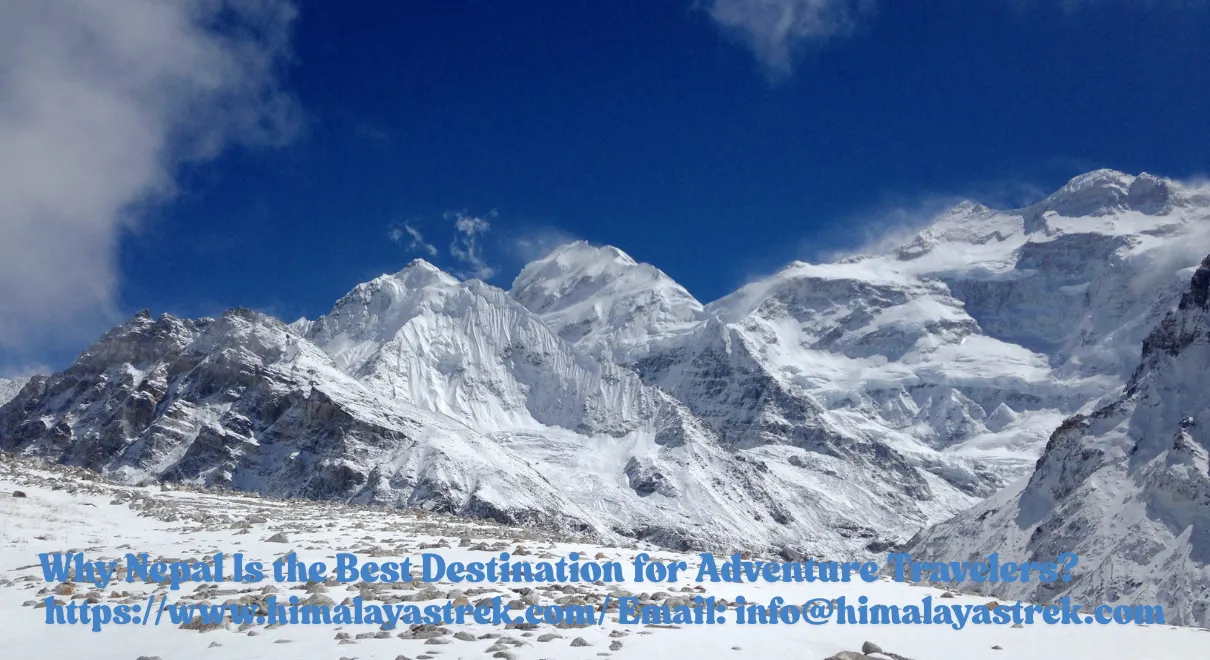
Why Is Nepal the Best Destination for Adventure Travelers? Nepal adventure tourism is not a trend anymore, but more like an ecosystem. This landlocked place sits wedged between India and the Tibetan Plateau, and it covers an area smaller than the state of Arkansas, but it still holds some of the most jaw-dropping geography on the planet. Within the space of one day, the landscape shifts from subtropical jungle into alpine tundra and then on into glacial wilderness, kind of like the whole world changes its mind.
- 8 of the world's 14 highest peaks
- 1,400+ Bird species recorded
- 130,000 Trekkers annually
- 10 UNESCO World Heritage sites
For adventure travelers in Nepal, the menu is kind of super broad, honestly. Like the Mount Everest Base Camp trek, the Annapurna Circuit, bungee jumping over the Bhote Koshi River, jungle safaris in Chitwan National Park, mountain biking through the Mustang Valley, and rock climbing on the Hattiban cliffs near Kathmandu, it just goes on. The list is genuinely endless, and you can feel it everywhere.
Beyond the physical scenery, it’s Nepal’s cultural richness that sort of lifts everything above other adventure spots. Old temples sit along dusty village paths, almost like they are waiting. Prayer flags flick and snap in the Himalayan breeze. Monasteries cling to the cliff faces, yes, literally, and it feels oddly intimate. Each trek ends up being more than cardio or views; it turns into a cultural immersion, too, and that multi-layer experience is what really makes Nepal stand apart from adventure parks and those pretty, manufactured thrills elsewhere.
When to Travel to Nepal
Timing is mostly everything when you’re planning an adventure trip in Nepal. The place has four clearly different seasons, and each one changes your overall experience dramatically. You feel it more than you think, like the weather sort of leads the whole thing, for real.
Autumn (Sep–Nov)
Like, the best season overall. Clear skies, kind of steady weather, great for high-altitude treks, and you get those peak mountain vistas. It’s also pretty popular, but honestly, it’s still worth it, really.
Spring (Mar–May)
Second best, I guess. Rhododendron forests turn into vivid colors during the bloom period. Good for the climbing season, if you’re already moving up. A bit warmer at lower elevations, not as chilly as the higher parts.
Winter (Dec–Feb)
For the bold. There are fewer crowds, lower prices, and truly breathtaking snow-brushed scenery—but watch out, high passes may shut down, and temperatures can drop hard.
Monsoon (Jun–Aug)
Lush and wild. Great for Mustang (rain-shadow region) and for rafting, plus jungle safari runs. Leeches and trail slips are real, too, on the mountain routes, so expect them.
Pro tip: For most first-time adventure travelers in Nepal, October is sort of the single best month; skies are crystalline, trails are alive with fellow trekkers, and the mountain views are at their most photogenic, like really.
Top Adventure Experiences You Cannot Miss
When folks chat about Nepal adventure tourism, trekking ends up taking over the whole conversation—and yeah, it makes sense. Still, Nepal is kind of way more than just boots on a trail; there’s the scenery and the rhythms of different places, not only the act of walking.
Trekking the Great Himalayan Routes
Everest Base Camp Trek (12–14 days) and the Annapurna Circuit (10–20 days) are like those bucket list classics you always picture but maybe never do. If you want something a bit more untamed, then the Upper Mustang trek and the Kanchenjunga route can bring solitude, plus this kind of raw beauty that very few travelers actually see in person. Nepal’s trekking trails kind of swing from mellow tea-house walks to more serious high-altitude expeditions, depending on what you want to test.
Mountain Biking and Off-Road Cycling
Few people really realize that adventure travel in Nepal comes with world-class mountain biking, and yes, it’s a thing. The Mustang Trails, the Nagarkot rim, and that descent from Thorong La (by road) are basically legendary among cyclists. Places like Himalayan Single Track do guided, multi-day cycling trips through remote villages, the kind you can reach only on two wheels, or so people say. Sometimes it feels like nobody talks about it enough, even if it’s right there.
White-Water Rafting and Kayaking
Nepal’s rivers, fed by Himalayan snowmelt, are among the best rafting rivers on Earth. The Trishuli, Bhote Koshi, Sun Koshi, and Karnali rivers give grades II to V, so they work for beginners and also for experienced rafters. Multi-day river journeys, with riverside camping, are one of the most underrated adventures Nepal offers, honestly.
Paragliding Over Pokhara
Launching from Sarangkot Hill and then gliding over Phewa Lake while the Annapurna massif sort of fills up your whole horizon is one of those visually overwhelming experiences you get in all of Nepal’s adventure travel; like, honestly, it's hard to put into words. You do not need any experience at all, and tandem flights are available year-round, in the same straightforward way, no fuss.
Jungle Safari in Chitwan and Bardia
Nepal isn’t only mountains, you know. Like, Chitwan National Park (UNESCO World Heritage Site) has Bengal tigers, one-horned rhinoceroses, gharial crocodiles, and 500+ bird types. Then over in the far west, Bardia National Park feels more untamed, less crowded, and the wildlife is kind of dense, in a remarkable way.
Rock Climbing and Via Ferrata
The Hattiban zone close to Kathmandu has turned into Nepal’s fastest-growing spot for rock climbing. Fixed bolt sport lines, along with traditional crack ascents, are being put in at a pretty fast rate, and some Via Ferrata setups near Pokhara are now getting the whole vertical world in front of wanderers who don’t have any climbing background.
Real Challenges—and How to Solve Them
Honesty really matters, and adventure travelers in Nepal end up running into real obstacles, so if you gloss over them, it kinda does you a disservice. Here are the most common challenges, as well as some practical solutions that you can actually use.
Common Challenges on the Trail
- Altitude sickness, also called AMS, is probably the most serious risk once you’re past about 3,000 m. People often notice it through a headache and then nausea, dizziness, and fatigue, too.
- Trail overcrowding, though, is another thing… like Everest Base Camp in October can sort of feel like a line you’re stuck in, similar to a theme park queue.
- Counterfeit gear happens more than you’d think, especially cheap replica gear sold in the Thamel markets can let you down. I mean, it might fail when conditions are critical, and you really need it.
- Permit bureaucracy feels like a maze because multiple permits can overlap, and they’re tied to different zones as well as seasons, so nothing is really straightforward.
- Connectivity gaps are common in remote trekking areas; you might get limited mobile network coverage, or sometimes none at all, depending on where you are.
- Sudden weather changes on a mountain can be brutal. You can go from sunny to blizzard conditions within an hour, and it’s not really giving you time.
Solutions That Work
For altitude sickness, try not to rush up; ascend slowly, like really slow. The rule of thumb is "climb high, sleep low." Don’t add more than 300–500 meters of sleeping elevation each day when you’re already above 3,000 m. Bring Diamox (acetazolamide) along, but only after you talk with a physician first. Aim for about four to five liters of water daily, even if you don't feel super thirsty. And if the symptoms get worse at all, then descend right away. No scenic views are worth your life.
For overcrowding, maybe pick shoulder seasons or just opt for less-traveled routes. The Langtang Valley, Manaslu Circuit, and Dolpo are really stunning alternatives to the Everest and Annapurna corridors, with a smaller bit of foot traffic, like fewer people overall.
For gear safety, make sure you invest in your equipment before you arrive. If you’re buying in Kathmandu, stick to well-known stores in the Thamel district, with real brand certificates, not just marketing. Also, do a quick check of everything before your trek starts, like test the zippers and straps, and don’t wait till day one.
For permits: Use a registered trekking agency or hire a licensed guide. They handle permit logistics and ensure you are compliant. Fines for missing permits in restricted areas can be steep.
Mistakes Beginners Make (And How to Avoid Them)Mistakes Beginners Make (And How to Avoid Them)
Every year, thousands of first-time visitors land in Nepal and somehow still make those same avoidable errors. Learning from them is part of smart Nepal adventure planning, you know, in the long run.
Beginner Mistakes Checklist
- Underestimating the amount of acclimatization time it takes. You can’t really rush altitude, not in the way people think. Booking a 7-day EBC plan can be medically reckless, and honestly, it’s not worth gambling.
- Packing is too heavy. Every extra kilo turns into slow, steady misery once you’re above 4,000 m. Pack light, keep it simple, and if you need anything specific, rent locally when you arrive.
- Hiring unlicensed guides. Getting a certified TAAN-registered guide isn’t only a rule for certain areas; it’s really a safety investment. Don’t treat guidance as a casual add-on.
- Neglecting travel insurance. High-altitude helicopter rescue can run from about $3,000 to $10,000 USD. Proper trekking coverage plus emergency evacuation insurance is not optional, no matter how confident you feel.
- Ignoring physical preparation. Nepal’s trail network is demanding, like genuinely. Start a cardiovascular and strength routine at least three months ahead; otherwise, your body might not agree with the schedule.
- Disrespecting local customs. Always move clockwise around mani walls and stupas. Remove your shoes at monastery entrances. Also, ask before you photograph people or any religious ceremonies; it’s a simple courtesy that matters.
- Skipping acclimatization days. Those rest breaks in Namche Bazaar or Manang aren’t “downtime” wasted; they’re the exact days that decide whether your summit attempt is even possible.
What Are Travelers Most Afraid Of?
Ok, so let's talk about what actually stops people from booking their Nepal adventure tourism trip. These worries are totally valid, and honestly, most of them are surmountable if you have the right knowledge.
"I'm not fit enough."
You really don’t have to be an athlete. A lot of people in their 50s, 60s, and 70s finish the Everest Base Camp trek every single year. The big point is preparation, more than raw fitness, really, or something like that. Train in a steady way for like three months, build up your aerobic base, and then let the path do most of the heavy lifting.
"It's too dangerous."
Nepal has a comprehensive trekking infrastructure on most of the well-known routes. Teahouses sit every few hours' walk, so you are not totally left on your own; plus, there are search-and-rescue systems that work. On top of that, guided expeditions with reputable agencies usually come with a solid safety record. Yes, risk is there—real and present—but it is also manageable; you have to be sensible about it.
"I can't afford it."
Nepal is among the more affordable but high-value adventure places on Earth, really. For a mid-budget traveler, you can do the Annapurna Base Camp trek and wrap it in flights, permits, a stay, food, plus a guide, for something like $800 to $1,200 USD. If you compare that, a full week in Switzerland is usually quite different.
"I don't know anyone who's been."
In Nepal, the trekking community is kind of welcoming and also really tight-knit. Tea houses end up being these little meeting spots, you know. Other trekkers trade tips and meals, and sometimes it turns into lifelong friendships, too. So you won't stay alone for long on any of Nepal’s big main trails.
Research-Backed Tips for Smart Adventure Travelers
After years of traveler feedback, guide expertise, and on-the-ground research, we ended up with a pretty clear set of best practices for adventure travel in Nepal. It’s not just theory either; there was a lot of real-life testing and small fixes along the way.
Insider Tips from Experienced Trekkers
- Hire a local guide—uh, beyond simple safety, a Nepali guide gives you cultural context, language access, and route knowhow that no app, really, can match. Sometimes they notice little things you’d miss.
- Download offline maps—Apps like Maps.me or Gaia GPS are useful even without cell service. Just download your trekking area first, before you leave Kathmandu, otherwise you’ll be stuck with the “loading” screen, you know.
- Carry cash—you can find ATMs near Namche Bazaar and Pokhara, but they’re a bit unreliable at times. Bring enough Nepali rupees for roughly 10 days, assuming limited resupply along the way.
- Eat local—dal bhat, basically lentil soup with rice and vegetables, is kind of nutritionally dialed in for hikers. And it’s usually refillable in most teahouses. I’d go with it, honestly.
- Start early each day—mountain weather gets worse after late morning or around afternoon. Try to begin trekking at 6–7 a.m. and reach your campsite by early afternoon, not later. It matters.
- Use a water purification system—bring purification tablets or a SteriPen so you don’t keep buying plastic bottles. You save money and also reduce your footprint a little. Good habit.
- Read verified reviews—check TripAdvisor, Lonely Planet Thorn Tree, and Nepal-specific discussion spaces (like Himalayan Masters, Trekinfo). They tend to share current trail conditions and, well, more confirmed updates.
If you’re looking from a content and research angle, some trusted places for planning your Nepal adventure trip would be the Nepal Tourism Board, the Trekking Agencies’ Association of Nepal (TAAN), and the Nepal Mountaineering Association. I’d also say it’s smart to look at those sources and then double-check everything with up-to-date info because trail situations can shift, especially in the weeks right after monsoon season. Sometimes people assume things stay steady, but they really don’t, so cross-reference current conditions before you commit to a route.
The Real Value: Why Nepal Stays with You
The most powerful thing about Nepal adventure tourism isn't really the elevation records, the jaw- dropping scenery, or even the physical challenge. It’s more like that awkward little shift in perspective that happens somewhere between the first steep climb and the last descent. You know, that moment where everything feels slightly different, and you realize you weren't just pushing your legs through the trail but rethinking the whole picture.
Nepal kind of teaches you to slow down. In this world of immediate pings and 48-hour delivery, walking about eight hours a day with zero Wi‑Fi and carrying your whole life in a 15-kilogram pack feels like a bold kind of simplicity. You gradually start to get it, like what you truly need. And then you notice, not so much, how little that really is.
You also witness this sort of remarkable truth about human resilience, really; it feels like it. The Sherpa communities, the highland farmers, and the porters who haul 40-kilogram loads in sandals: their strength is not only physical. It is cultural, also spiritual, and it’s way more rooted than it looks, in a close familiarity with these mountains. Something that no tourist can ever quite fully take in but everyone can still deeply respect, even if they don’t say it out loud.
Every trail in Nepal leads to two places: the destination on the map and a version of yourself you had not yet met. It’s kind of like the path shows you both where you are going and where you still haven’t been, if that makes any sense.
This is why adventure travelers in Nepal keep coming back, again and again. Nepal isn’t really a destination you just check off like a list. It’s more like a place that recalibrates you, slowly, in ways you don’t notice at first. And in this noisy, kind of chaotic world, there’s this huge, irreplaceable value in that, honestly.
A Note on Responsible Adventure Travel
The surge of Nepal adventure travel brings both economic opportunity and environmental risk too; it’s kind of two sides. Try to carry all waste out of protected zones; do not leave it behind even for a minute; use only approved campsites, and support local teahouse economies instead of foreign-owned lodge chains. Also, pay your guides and porters a fair wage, because they are not just part of the scenery. The mountain infrastructure that makes trekking possible depends on a community’s willingness to steward it, to look after it, and keep it running. Respect that kind of relationship, and Nepal will stay the best adventure destination in the world for generations yet to come.
Your Nepal Adventure Starts Here
Stop scrolling, stop thinking about it forever. The mountains are patient, but life is short. Nepal is ready for you, quietly waiting. The only question is whether you’re ready for Nepal or just talking.
Start Planning Your Trek → info@himalayastrek.com, WhatsApp number: +9779851088960

.png "NTB")
.png "Pata")