Price Table
| 1 | 2 | 3 | 4 | 5 | 6 | |
| USD 1195 | USD 815 | USD 850 | USD 785 | USD 810 | USD 770 | |
| USD 1090 | USD 715 | USD 750 | USD 680 | USD 700 | USD 670 |
Country
Nepal
Duration
9 Days
Maximum altitude
4500 m.
Activity
Trekking
Difficulty
Moderate - Difficult
Best Season
October - December / February - April
Accomodation
Hotel - Mountain Lodge
Meals
Excluded
Start/End Point
Kande / Siding Village

Mardi Himal Trek: The Hidden Himalayan Gem You Need to Explore
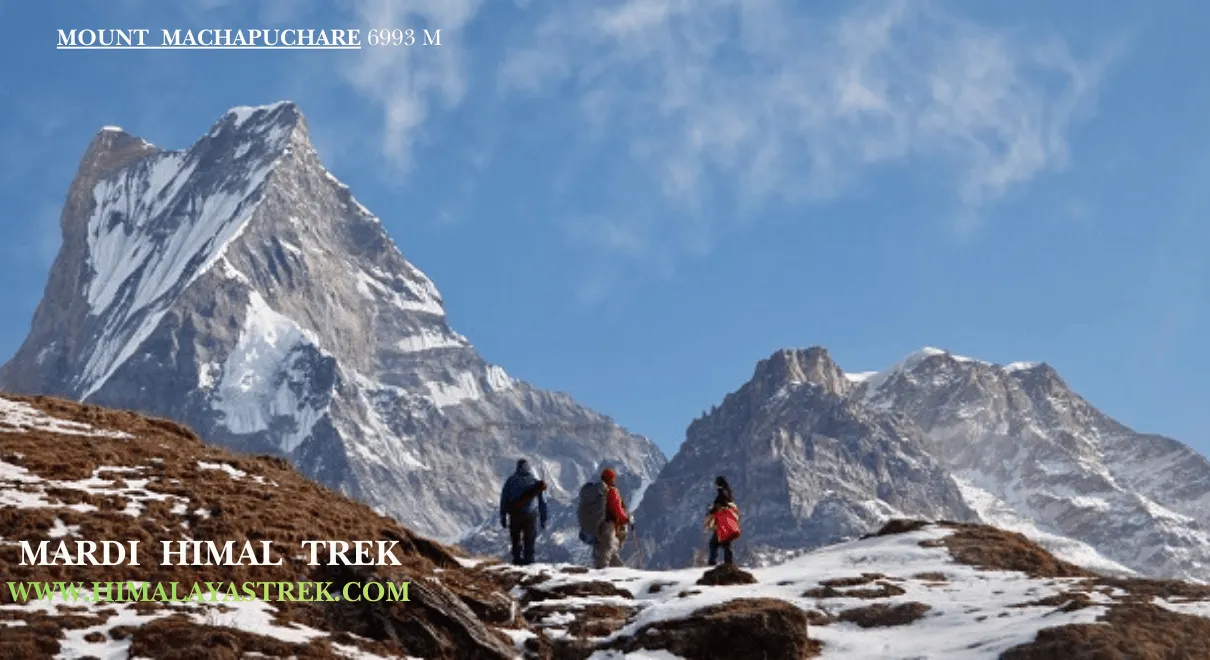
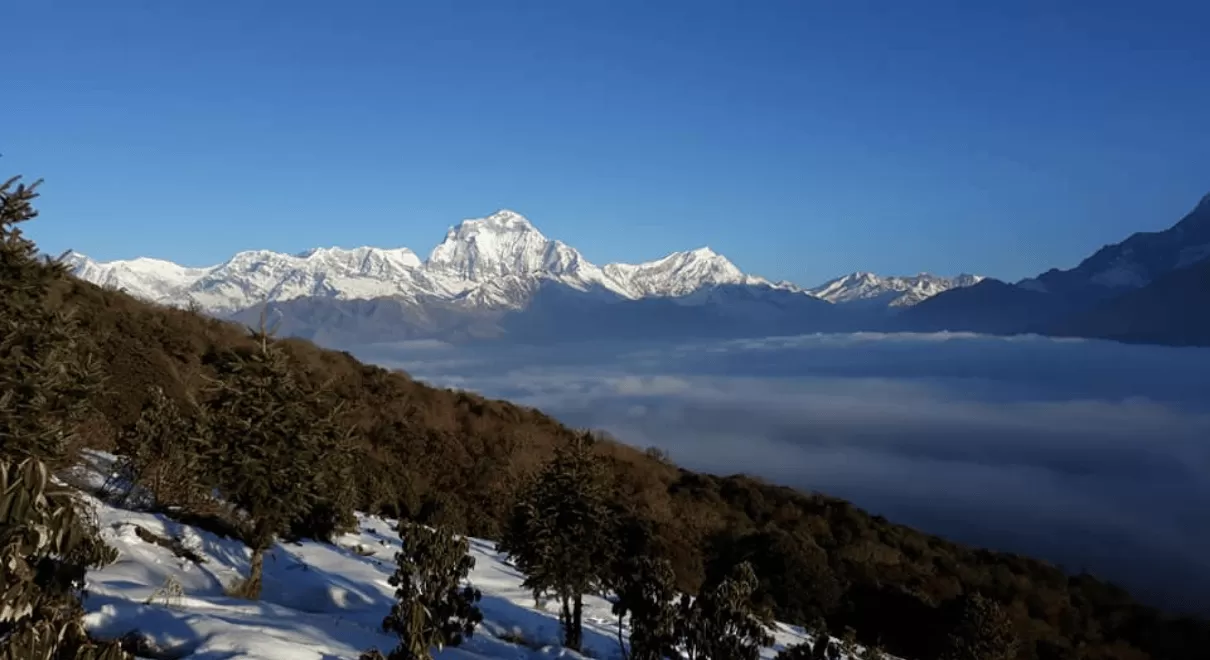
The experience begins when you stand on an alpine ridge while the mountain breeze blows through your body. The sacred Fishtail peak of Machhapuchhre stands before you at an impossible distance because it reaches up to the blue sky. The mountains and you create a perfect moment, which presents one of Nepal's most beautiful landscapes. The Mardi Himal Trek provides its own unique trekking experience, which no other trek can duplicate.
The Mardi Himal Trek offers the perfect trekking experience for you if you want a Himalayan trekking adventure that provides personal, peaceful, and fulfilling experiences. The guide explains all aspects of the trek, which includes its advantages, and shows the actual difficulties that trekkers encounter, together with expert advice that helps you create special travel experiences.
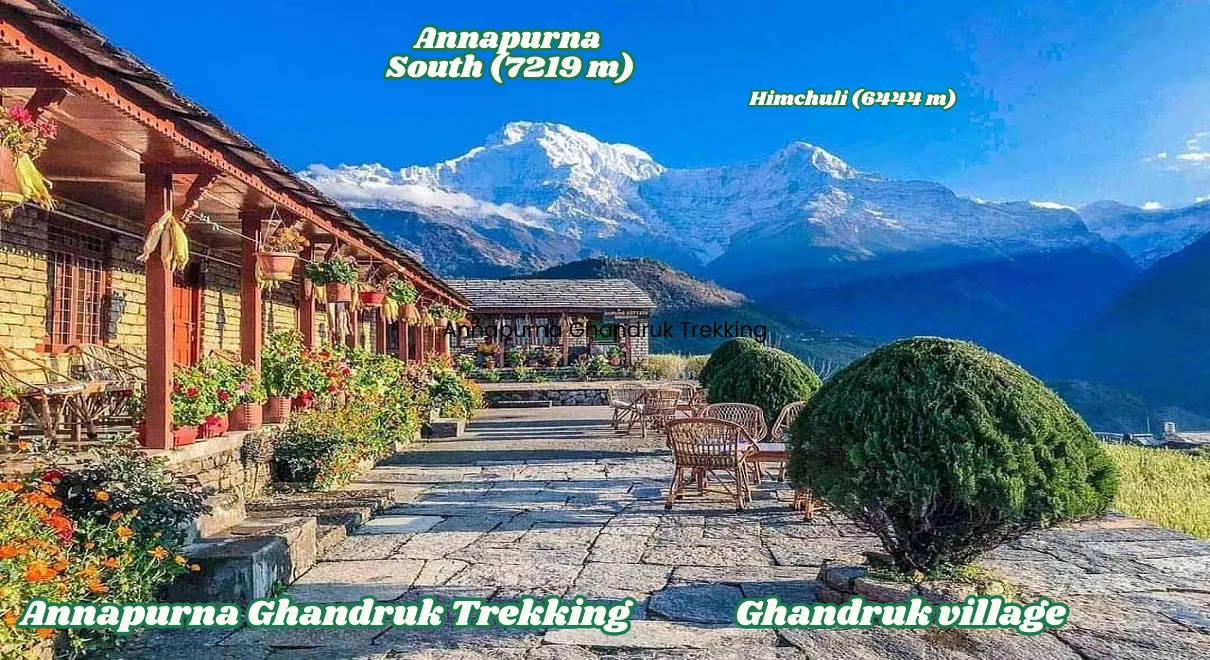
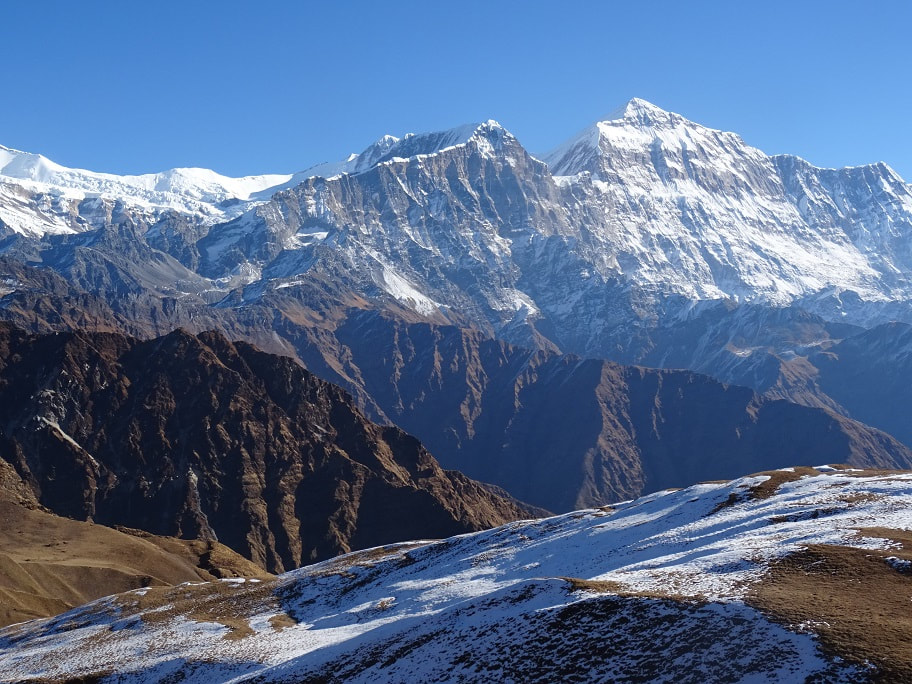
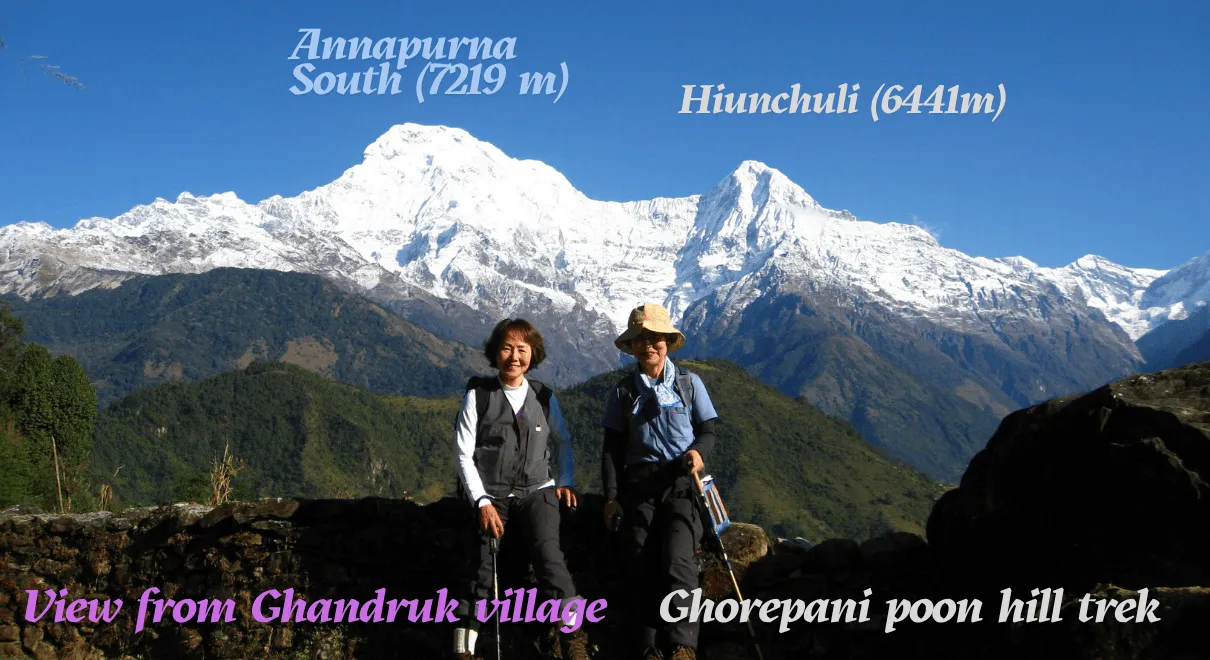
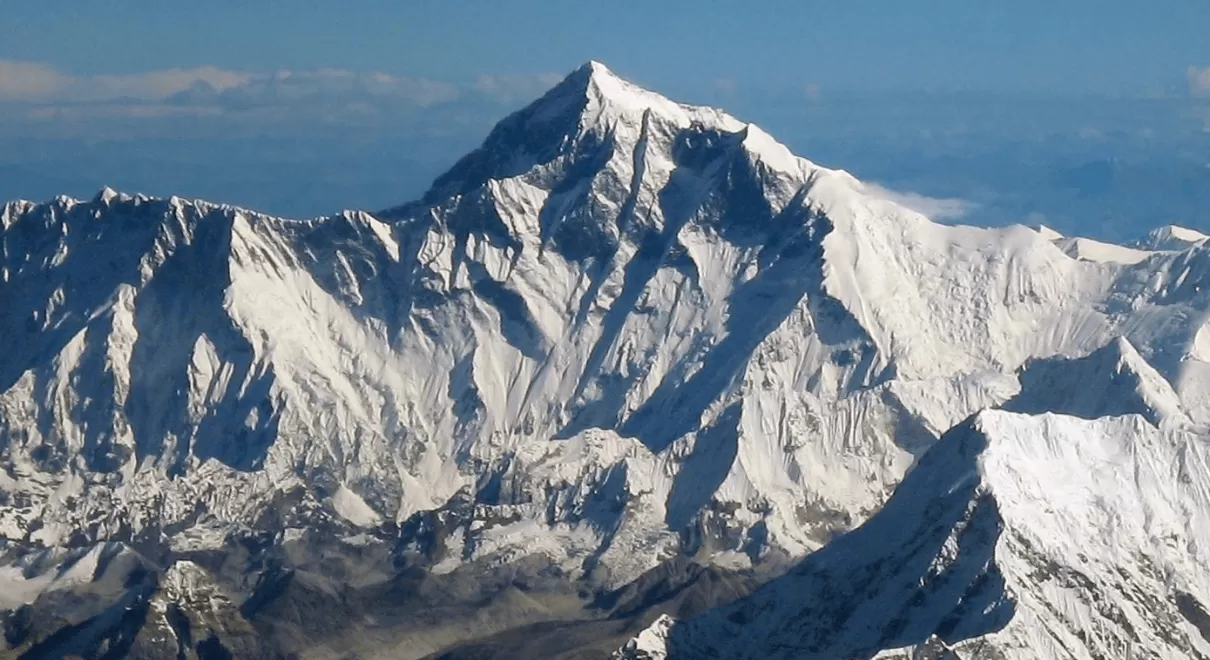
The Mardi Himal trek is the alternative route to the Ghorepani Poon Hill trek in the Annapurna region. It is around a seven-day trek. The Mardi Himal trek offers spectacular close-up views of Mt. Fishtail (6,993 m), Annapurna South (7,219 m), and Himchuli (6,441 m). Mardi Himal, Nepal, is a newly opened trekking route in the Annapurna region. Mardi Himal's name is derived from Mount Mardi (5,587 m). Now it is possible to do tea house trekking, and here in the main trekking season, fewer people are traveling because of fewer tea houses and facilities. In the Mardi Himal short trek, you will lead towards the base camp of Mt. Mardi at an altitude of 4,500 m and return. While trekking, you will get splendid mountain views, cross sparkling rivers, and walk through lush green terraced fields. Trekkers also pass through beautiful forests and interesting villages with cultural diversity along the route of Annapurna.
Today is an adventurous and exciting day hike from High Camp to Mardi Himal Base Camp. The day excursion can explore the hidden ridges of the Mardi Himal area in complete wilderness, hiking in the morning to Mardi Himal, following a high ridgeline to reach the highest point of this trek at 4,500 meters.
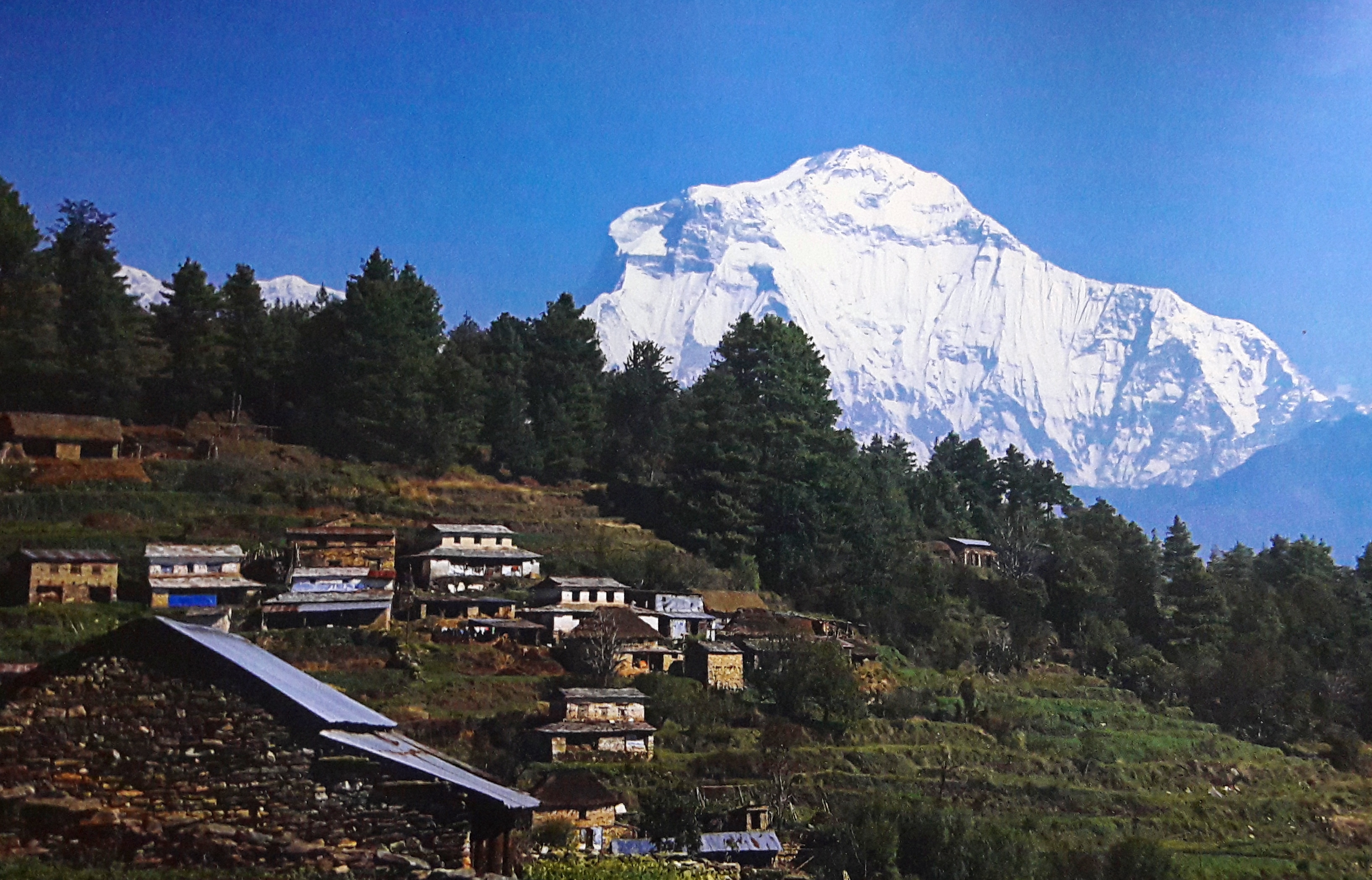
On the Mardi Himal Nepal trek route, you will feel the warm hospitality and friendly behavior of local people, giving extra flavor to trekkers participating in the Annapurna Mardi Himal trek. Also, you can enjoy the spectacular mountain view of Machapuchhare and the Annapurna mountain range.
The best seasons for the Mardi Himal trek are autumn and spring. Autumn starts from September to November. This season is also known as peak season in Nepal. The sky gets clear, and the warm temperature brings autumn with breathtaking Himalayan views. Likewise, the second peak season in Nepal is spring, which falls between March and May. The temperature is mildly warm; you have plenty of opportunities to have clear mountain views. The spring season is also for flowers to blossom, and capture the vividly blooming wildflowers during this season.
The Mardi Himal trek starts from Kade, a one-and-a-half-hour drive from Lakeside. Your first-day trek will be the short and warm-up hike to Pothana. The next day, trek to the forest camp. You walk all the way through the densely forested area. We reach the high camp on the third day, which has an elevation of 3,150 m. Keep your body acclimatized properly by eating soups and drinks. The next morning, you have a great day ahead. We do an early-morning hike to Mardi Himal Base Camp. Approximately 4 hours' hike from high camp. Appreciate the rewarding view of Mardi Himal, Mount Fishtail, Gangapunra, Annapurna South, and Himchuli. Capture the amazing view of the Himalayas. Hike back to the same hotel. Breakfast after a trek to Badal Danda. As you hike back to a lower elevation, you feel much better and more comfortable with your breathing. We have two more days ahead. We trek down to Siding and Lwang, and then we end our treks. The Mardi Himal short trek is also connected with Annapurna Base Camp, the Khopra trek, and the Ghandruk trek. If you have some flexibility in your schedule, please contact the Himalayan Smile Treks manager to extend your trekking days.
Why Choose the Mardi Himal Trek?
There are hundreds of trekking routes in Nepal, so why should the Mardi Himal Trek be on your list?
The answer is straightforward because the trail offers all of the Annapurna region's attractions with its stunning mountain views and diverse forest ecosystems and its traditional teahouse hospitality, but without the excessive crowds that visit the Annapurna Base Camp route during each hiking season. The Mardi Himal trekking route sits just east of the popular ABC trail, yet it sees a fraction of the foot traffic. The result creates trails that people can use to reach their destination while keeping their campsites clean and experiencing a deeper relationship with the Himalayas.
The location requires less space to operate because it functions as a small venue. The trek allows travelers to reach a base camp located at an altitude of 4,500 meters within 5 to 7 days, while they experience mountain views that match the beauty of trails that require twice the trekking time. The value of that productivity becomes essential for travelers who have limited time.
How Is the Mardi Himal Trek? (Difficulty & Experience)
The Mardi Himal Trek is rated as a moderate trek. You must possess good physical fitness and mental strength, even though you do not require any previous mountaineering skills. The daily schedule requires 4 to 6 hours of walking through three different types of terrain, which include rhododendron forests at lower elevations and open moorlands in the middle sections and exposed alpine ridgelines near the top.
The route to High Camp and Mardi Himal Base Camp requires climbers to ascend a steep path, which becomes increasingly challenging because of the rising altitude. The uphill trek leads to a majestic view that shows Annapurna South and Hiunchuli and the iconic Mardi Himal peak, which makes every uphill step completely worth it.
When to Do the Mardi Himal Trek
The correct timing for your Mardi Himal trek will create a major impact on your entire trekking experience.
Best seasons:
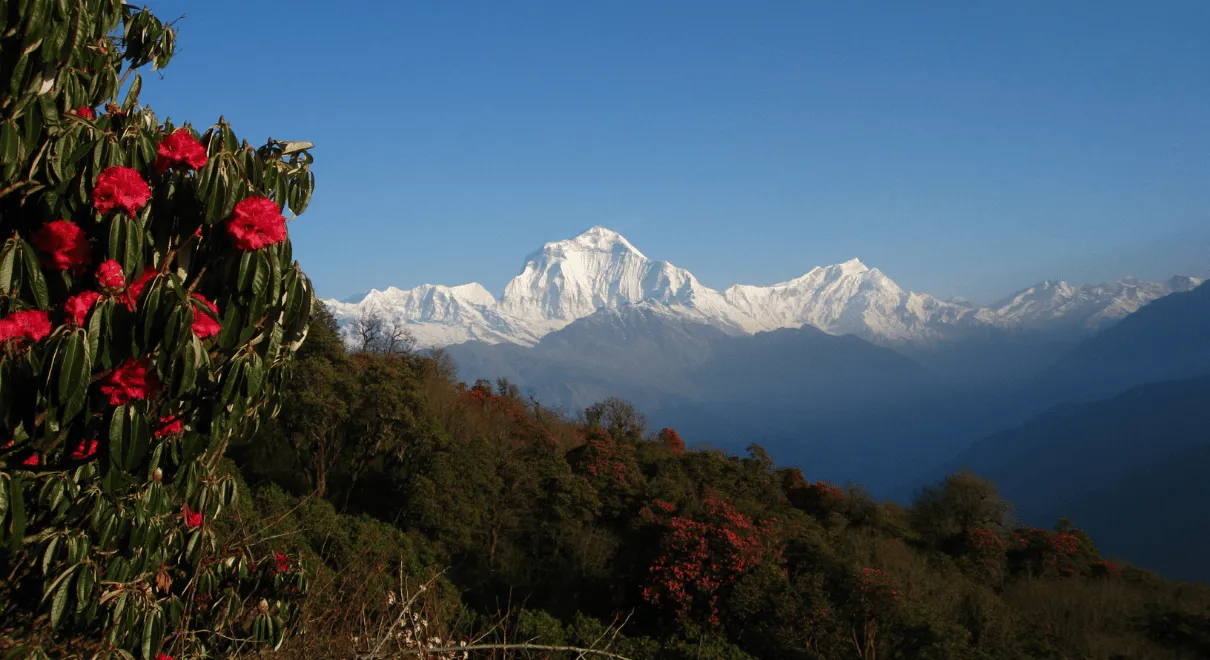
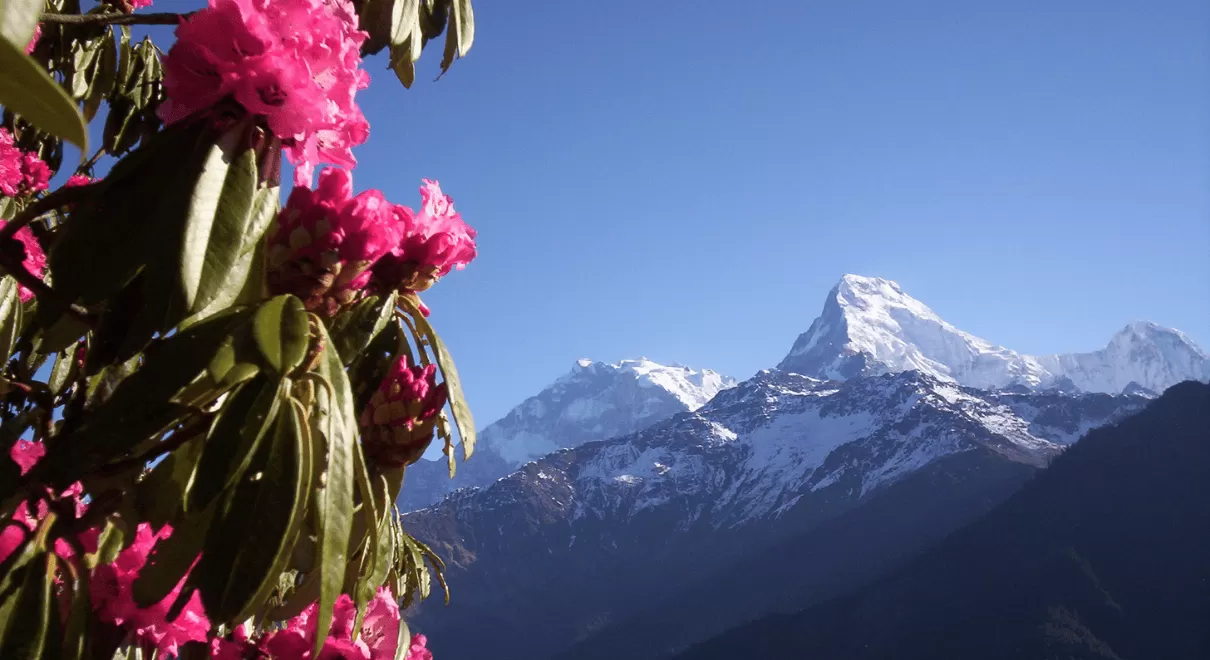
From March to May, spring brings rhododendrons, which create vivid pink and red flowers that bloom throughout the forests.
Autumn (September to November): The monsoon season ends, which brings you crystal-clear mountain views and perfect trekking conditions. The peak season exists for a valid reason.
Avoid:
The period from June to August, the monsoon season, brings heavy rainfall, which creates dangerous conditions for trekking because trails become slippery, while leeches emerge and visibility decreases.
The winter period from December to February offers snow-covered higher sections, and people can expect nighttime temperatures to drop below freezing.
My Personal Experience on the Mardi Himal Trek
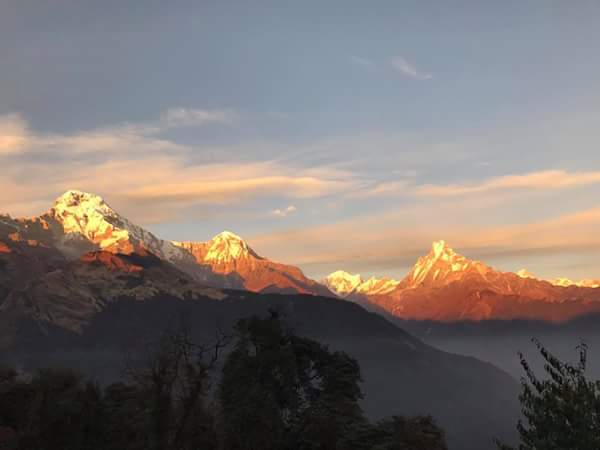
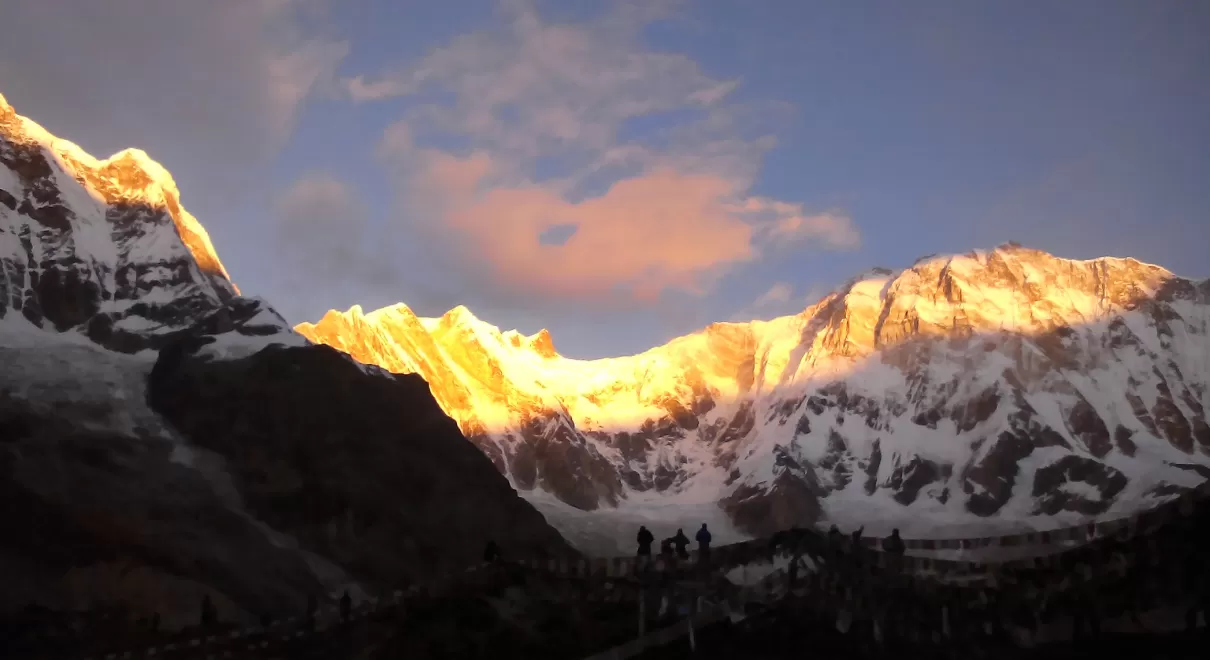
The stories I heard about altitude headaches, cold nights, and long uphill climbs made me anxious before my first ascent. The experience you want to prepare for needs you to exit your High Camp teahouse before dawn and watch the mountains turn golden under the first morning light.
I reached Day 5 of my Mardi Himal Base Camp ascent when I experienced a strong feeling that I could touch Machhapuchhre because it appeared to be within my reach. The cold weather, my inability to breathe, and the sight of the massive mountains made me feel intense admiration for the natural world. The Mardi Himal trekking experience should be recommended to every traveler because of the special moments that create an everlasting impact on your perspective of the world. The trek functions as a trek that transforms your entire worldview.
What Are Trekkers Afraid of? Real Fears — Honestly Addressed
The concerns that people share with others must be addressed in our current discussion because those who deny these fears exist will benefit from their presence.
Altitude sickness constitutes a real danger that exists beyond 3000 meters. The condition causes three main symptoms, which include headaches, nausea, and fatigue. The Mardi Himal Trek provides good news because it ascends at a slow pace, which enables your body to adapt to altitude changes. The patient needs to drink 3 to 4 liters of water every day while avoiding alcohol until their symptoms stop getting worse. Trekkers who proceed at a slow pace can finish the route because they face no major problems.
The question "What if I am not fit enough?" requires no athletic abilities for you to participate in this activity. You need to be consistent. The trek requires daily walking for 30 to 45 minutes during the weeks before your arrival because this activity develops necessary endurance. Proper preparation enables anyone in good general health to complete the Mardi Himal Trek.
The trail provides good visibility, which makes it easy to follow, but the smartest choice you can make is to employ a local guide. A guide provides more than just navigation skills because he or she helps trekkers experience local cultural elements through his or her authentic mountain knowledge.
Most Common Problems Trekkers Face (And How to Solve Them)
Problem 1: The cold weather at High Camp should not be underestimated by trekkers who need to pack enough gear for temperatures that can reach -10°C or lower at higher camps. Solution: Always bring a down jacket, thermal layers, warm gloves, and a sleeping bag rated for subzero temperatures, even in spring or autumn.
Problem 2: The first major mistake that new trekkers make on the Mardi Himal trek occurs because they try to complete their trek without taking proper breaks. The body experiences exhaustion when people attempt to move at high altitudes too quickly. The solution requires two steps, which involve following the itinerary and taking breaks whenever the body needs rest, because the mountains will remain.
Problem 3: Trail users frequently complain about their feet because they wear inappropriate shoes, which create blisters. The solution requires hikers to wear appropriate, broken-in trekking boots instead of using new boots on their trekking day.
Problem 4: The trail contains no ATMs, which makes it impossible to obtain cash. The solution requires you to withdraw sufficient Nepali rupees in Pokhara before starting your journey. Your budget should include expenses for meals, accommodation, Wi-Fi access, and charging fees incurred at teahouses.
Expert Tips: How to Trek More Effectively on Mardi Himal
These are the tips that create actual results:
Why You Can Trust This Guide
The guidebook content results from actual trekking experience in the Annapurna region, which combines established trail information with knowledge from professional local guides who have conducted multiple Mardi Himal Trek expeditions. The company presents all mountain elevation details while maintaining full disclosure of its operational difficulties. Our goal is simple: to give you the honest. Practical information you need to make the best decision for your journey.
The Mardi Himal trekking experience represents one of Nepal's best trekking experiences, but requires trekkers to have proper knowledge and preparation.
Ready to Take Your First Step?
The Mardi Himal Trek is waiting. The trek offers peaceful paths which lead to high mountain peaks and provide warm teahouse shelter and deliver breathtaking sunrise views that create lifelong memories.
Mardi Himal provides a trekking experience that combines adventure with tranquility for both first-time trekkers and experienced adventurers who seek hidden trails.
Please reach out to us now to schedule your personalized Mardi Himal Trek package, which we will use to help you design your ultimate Himalayan journey.
Seven-hour scenic drive to Pokhara
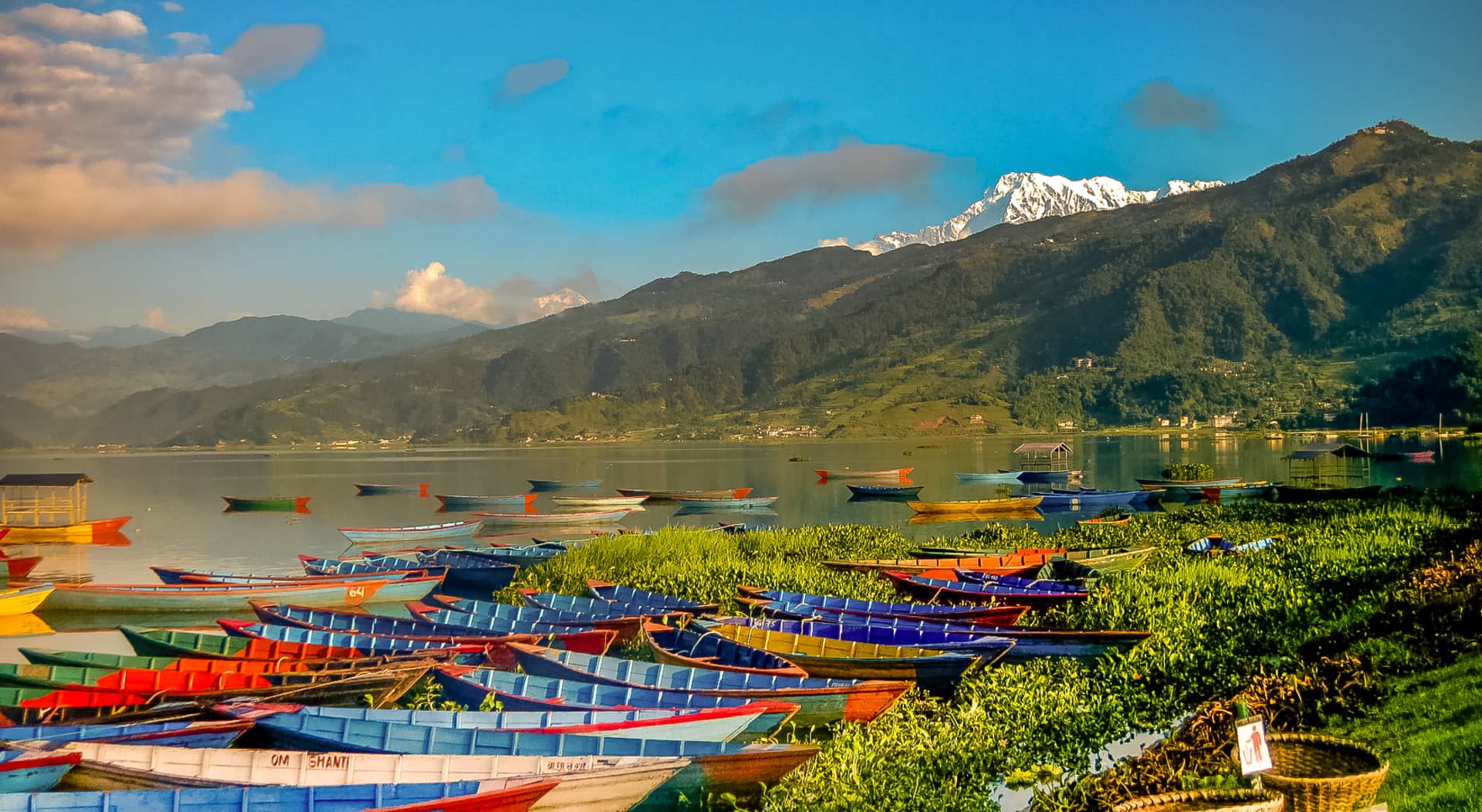
Walk around the tourist hub in lakeside of Pokhara
Outstanding view of Mt. Mardi, Mt. Machhapurchhre and Mt. Annapurna range
Walking through forest and wilderness zone of mountains
One of the best option to get away from the tea house trails
Beautiful villages that have not felt the impact of tourism
Rural Nepalese lifestyle and traditional farming system
Explore farmer daily lifestyle and traditional farming system very closely.
Get experiences sleeping on the tent, have spectacular Mountain View.
| 1 | 2 | 3 | 4 | 5 | 6 | |
| USD 1195 | USD 815 | USD 850 | USD 785 | USD 810 | USD 770 | |
| USD 1090 | USD 715 | USD 750 | USD 680 | USD 700 | USD 670 |


Start From
Get personalised guidance for any Nepal adventure — with expert planning and safety support.
We offer expert advice, flexible options, and tailor-made itineraries.

The Mardi Himal Trek with Himalayan Smile Treks provided an extraordinary short hiking experience, which featured breathtaking mountain vistas. The tour guide, Lakpa Sherpa, displayed friendliness while sharing his extensive expertise about the area. The trail provided a peaceful experience because of its low visitor volume, which allowed us to see Machhapuchhre and Annapurna at their most beautiful. The experience turned into an extraordinary moment because we could witness the majestic mountains from close range.
The organization, Himalayan Smile Treks, successfully created a beautiful Mardi Himal trek experience. The guide Karma Sherpa protected our safety while making sure we had a great time. The forests and ridges, together with the mountain scenery, created a beautiful display. The well-established trek used the correct walking speed to deliver a pleasant experience, which suited travelers who wanted to experience a brief Himalayan expedition.
The Mardi Himal Trek with Himalayan Smile Treks provided an experience that surpassed all of my expectations. The guide Chiring Sherpa demonstrated his professional skills while providing assistance throughout the hiking journey. The path led to tranquil walking paths, which included breathtaking viewpoints and a beautiful view of the Annapurna range at dawn. The experience brought together three elements, which included natural beauty, cultural heritage, and thrilling experiences.
The Himalayan Smile Treks Mardi Himal trek provided an outstanding trekking experience. The guide Dawa Sherpa possessed extensive knowledge while offering assistance to the team. The trek delivered exceptional views together with peaceful trails and authentic village experiences, which made it a better choice than busier trekking paths.
The organization Himalayan Smile Treks created a remarkable Mardi Himal Trek experience. The guide Namel Dherpa executed his responsibilities with complete efficiency. The path passed through rhododendron forests and high ridges, which revealed beautiful views of Machhapuchhre. The trekking experience provided a peaceful and scenic route that operated in an organized manner.
The Himalayan Smile Treks Mardi Himal Trek created an unforgettable experience. The guide Dorje Sherpa delivered excellent assistance together with his extensive expertise. The trek provided beautiful Himalayan views, which could be enjoyed in a less crowded environment through its scenic path. The experience combined relaxation with adventure, which I highly recommend.
The Mardi Himal Trek became a safe and enjoyable experience through the services of Himalayan Smile Treks. The guide Kami Sherpa helped trekkers to maintain the right speed while staying comfortable. The mountain views created spectacular displays, which combined with peaceful paths to create a perfect trekking route for nature enthusiasts who wanted to experience tranquil Himalayan situations.
The Himalayan Smile Treks Mardi Himal Trek created a fantastic journey for me. The guide Ang Dorje Sherpa displayed complete professionalism together with his friendly approach. The trek provided a distinctive journey through its picturesque ridge paths and its splendid forest areas which showed climbers mountain views from close range.
The organization Himalaya Smile Treks provided an excellent Mardi Himalayan Trek experience because their guide, Nawaraj Tamang, demonstrated his expertise through his assistance to travelers. The trekking experience offered a peaceful environment, together with beautiful views, which had been organized through careful planning. The journey delivered continuous, magnificent views, which included both Annapurna and Machhapuchhre.
The organization Himalayan Smile Treks operated the Mardi Himal Trek, which delivered an enjoyable travel experience to its participants. Guide Michele Tamang ensured safety and comfort. The route provided breathtaking views, which displayed beautiful landscapes together with peaceful hiking paths that allowed visitors to experience authentic trekking in the Annapurna region.
The Himalayan Smile Treks organization organized their Mardi Himalayan Trek, which provided an experience that exceeded their original expectations. Guide Pramod Paggeni managed the operations while making sure that all safety protocols were followed. The trek became a pleasant experience because the path led through beautiful scenery and peaceful walking paths, which created an unforgettable experience.
The organization Himalayan Smile Treks provided an excellent Mardi Himalayan trek experience, according to their professional trekking staff. Guide Dhurba Khanal displayed a professional attitude while being friendly to customers. The trek provided a tranquil experience with beautiful mountain views, which created an ideal short trekking option for visitors to Nepal.
The Himalayan Smile Treks organization delivered an exceptional Mardi Himal Trek experience through their expert guide, Dharma Shubedi, who led the trek, which provided stunning natural vistas and tranquil natural spaces, and showed the trek's schedule, which created equal time for each activity.
The Himalayan Smile Treks team organized the Mardi Himal Trek with complete expertise because Nawaraj Khadka, who served as the guide, established safe and efficient travel throughout the entire trek. The scenery throughout the trek showed exceptional beauty, which displayed the natural environment at its best.
Himalayan Smile Treks delivered an excellent Mardi Himal Trek experience because their guide Lapsang Dherpa provided both assistance and knowledge to the group. The trek created an experience which combined beautiful scenery with peaceful nature and exceptional memories.

$1800
.jpeg1696849633jpeg "Ghandruk Loop Hot Spring Trek")
$500
$645
$840
.jpeg1134057841jpeg "Annapurna base camp trek")
$ 630
$290
$1185
$740
$250
.jpeg198170075jpeg "Jomsom Muktinath Ghorepani Trekking")
$780
$750
$340
.jpeg1576845833jpeg "Panchase Trek")
$700
.jpeg1822983722jpeg "Khopra Danda Trek")
$
.jpeg1154213768jpeg "Dhaulagiri Sanctuary Trek")
$2500
.jpeg1278648188jpeg "Gurung Heritage Trail Trek")
$1500
$
$600
$
$2500
$
$
$
$490
$
$260


↑
.jpeg "Transfer to hotel")




.png "NTB")
.png "Pata")