Country
Nepal
Duration
Day 4-6
Maximum altitude
2,500 m
Activity
Trekking
Difficulty
Easy - Moderate
Best Season
October - December \ February - May
Accomodation
Home Stay
Meals
Included
Start/End Point
Pokhara

Millennium trek is one of the newly explore home stay trekking trails in the western part of Nepal. The concept of this trek was derived from the beginning of this century in 2000, so it was the end of the old Millennium and the start of the new millennium.
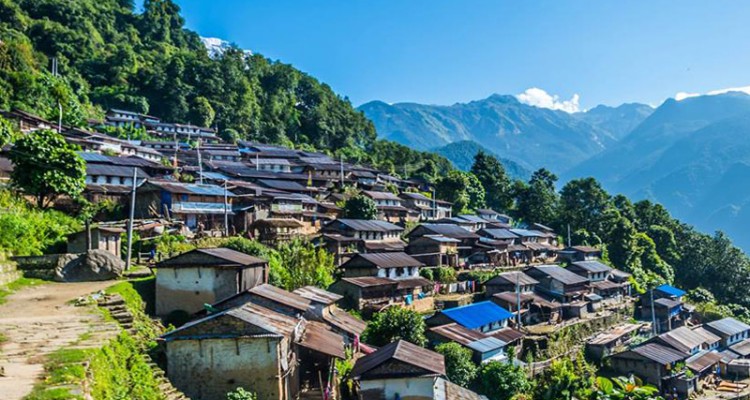
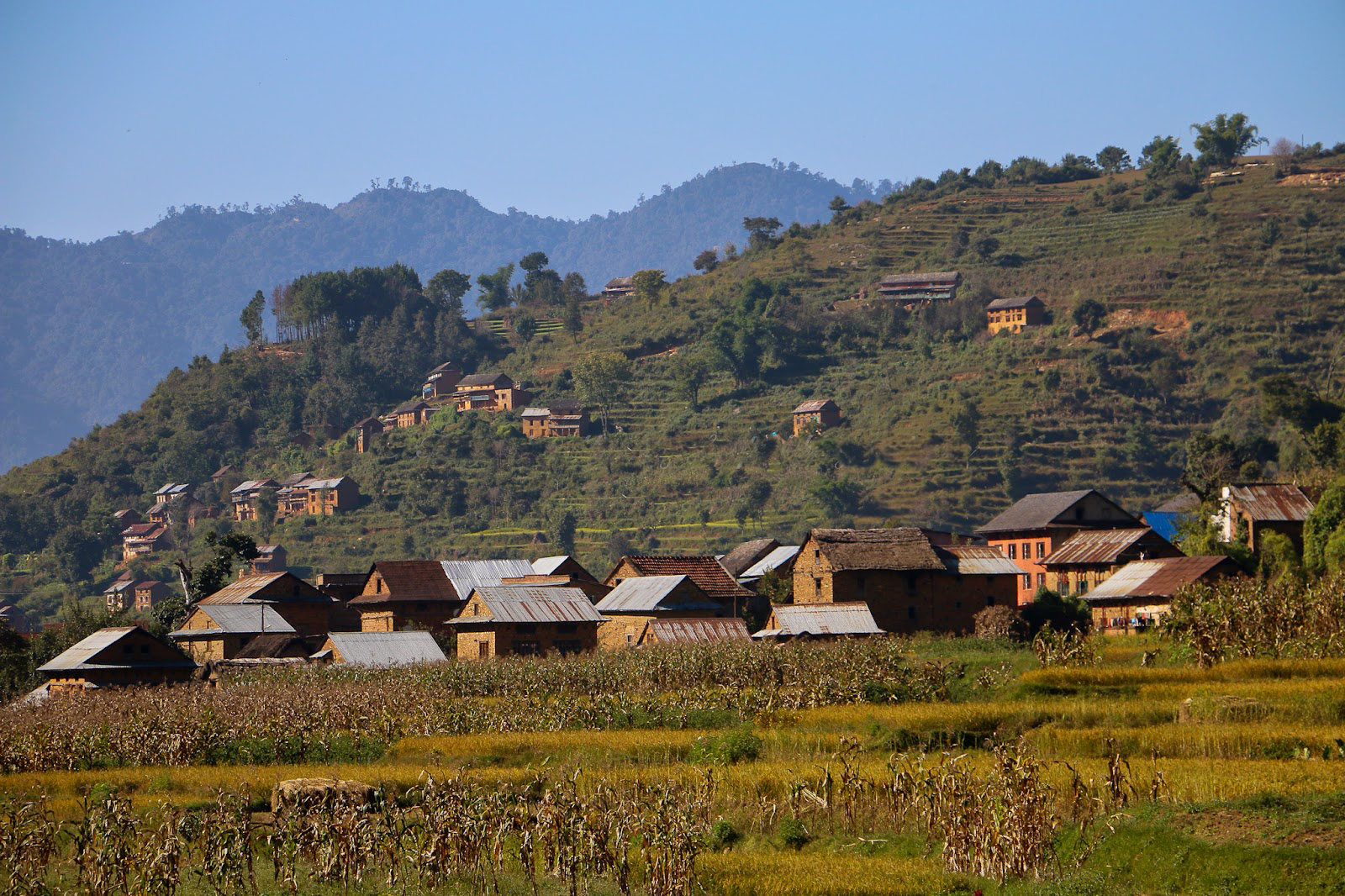
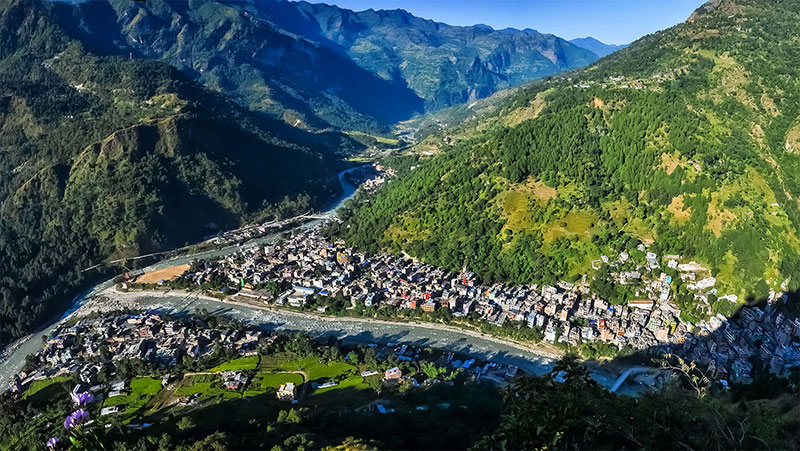
Millennium trek starts at south east of the Pokhara valley, and it ends up at Syangja Walling. This trek traverses through many mid-hill villages, so we will get to explore a few different ethnic groups and some non-ethnic groups who have lived here for centuries, and they have their own culture, customs, traditions, language, and way of living.
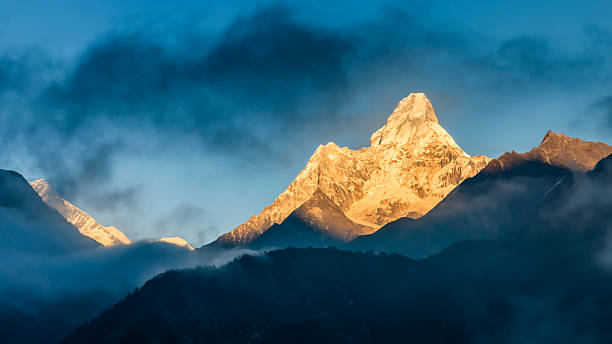
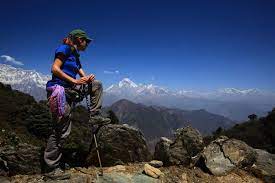
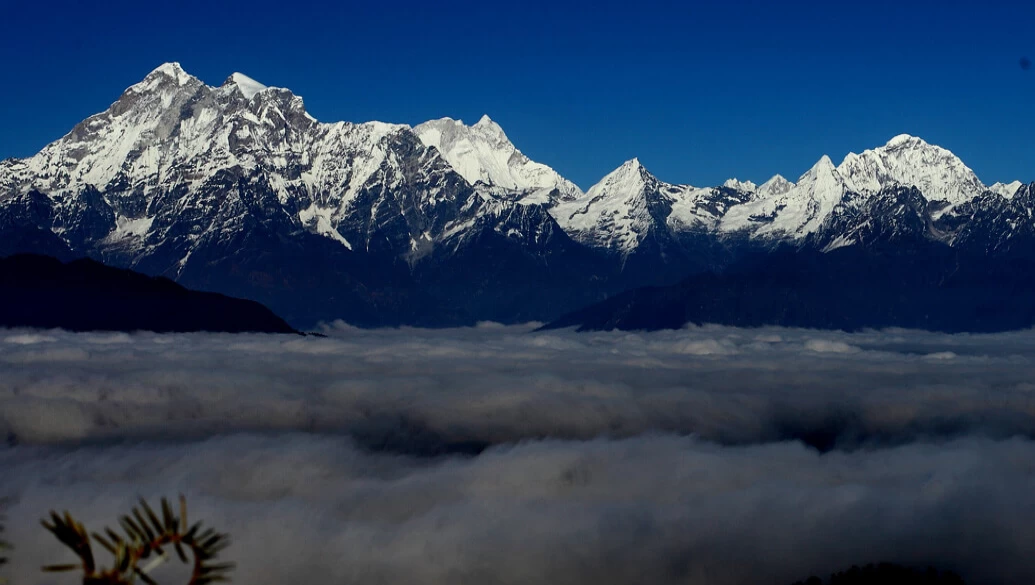
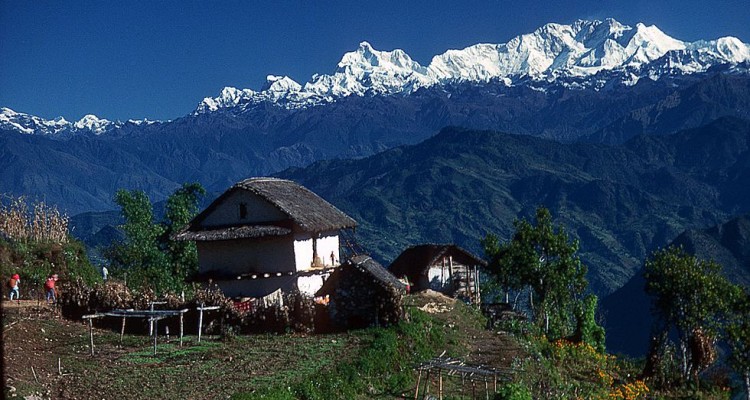
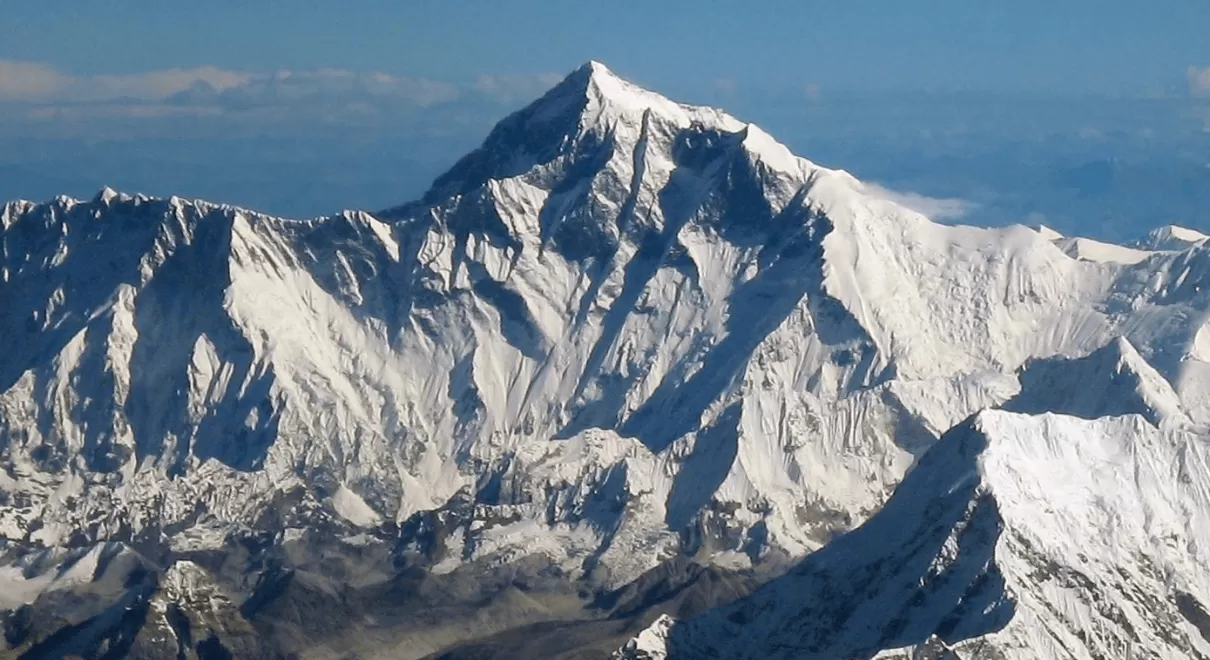
Millennium Trek is the best way to explore the Mid hill people, culture, customs, and the way of living. During the trekking, we can explore great views of the Himalaya. On a clear day during the Millennium Trek, we can see the long range of the Himalaya varying from Kanjirowa in western Nepal to Ganesh Himal close to Langtang.
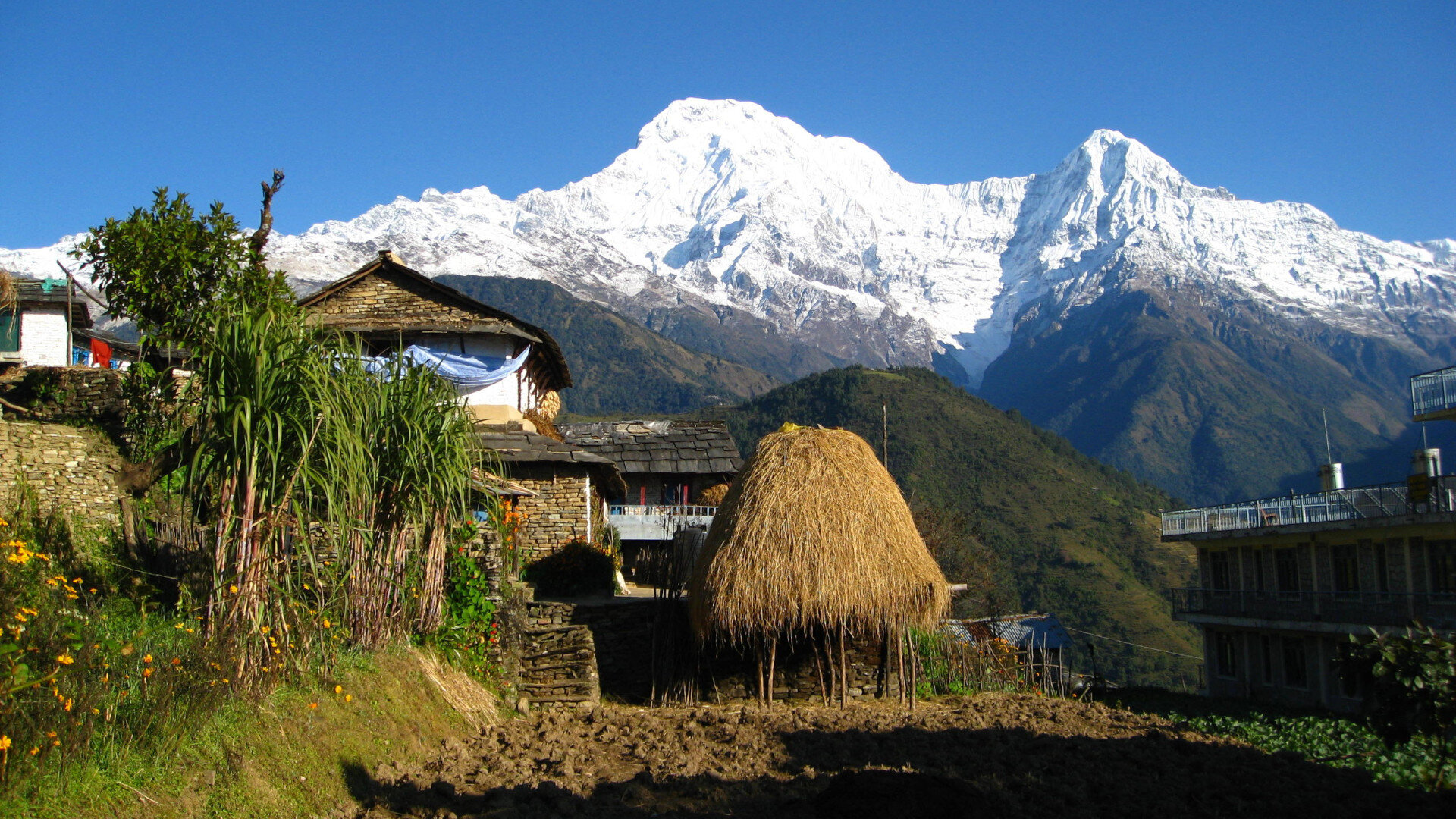
This trek is more People and culture-based. During the trek, we can see the lifestyle, culture, customs, and way of living from several castes like Gurung, Magar, Brahmin, Chhetri, and Dalits(untouchable). Weaving garments, looking after livestock, cutting grass in the grassland, plowing the field, funerals, weddings like all the aspects of life can be witnessed during the trekking; that’s the reason it's more people-based. We will stay in the local house, having local dishes and sleeping with simple luxury.
In conclusion, Millennium Trek is a complete package to fulfill your thirst to explore the rural village in central Mid-hill of Nepal. In the local house during the trek, you can feel like a member of the house, and you can take part in the household work. You will enjoy this trek with the Himalayan Smile treks trekking crew, with the great hospitality of the villagers of Nepal.
The Millennium Trek is a trail you can shape to your needs. It begins in Pokhara and offers good views as you walk. Many trekkers pair it with other Annapurna area routes to make a longer trip.
You can link it with the Ghorepani Poon Hill Trek, or continue to the Annapurna Base Camp Trek. Some people also add the Upper Mustang Trek or the Jomsom Muktinath Trek. This way, the plan can fit your schedule and what you want to see.
On the hike, you will pass big mountain scenes and small local spots. You will also see Gurung and Thakali villages up close. Terraced fields line parts of the route, and you meet people along the way through everyday village life.
If you want a quick culture-focused walk, this trek can work. If you prefer a longer journey in the highlands, it can still fit. Either way, the Millennium Trek is a solid way to enter Nepal’s mountain world and enjoy different styles of trekking.
Walk the pretty trails in the Himalaya. Along the way you move through green shade, terraced farm plots, and small settlements in the Annapurna region.
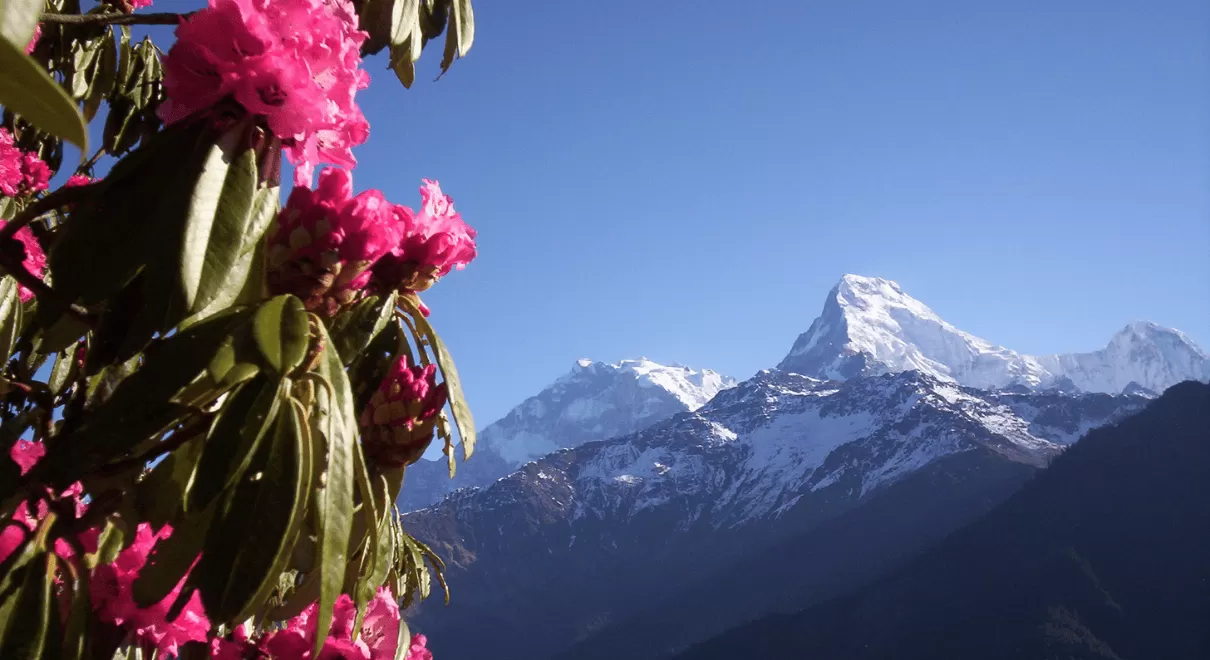
Soon you will feel close to the big mountains. Look for Annapurna, Dhaulagiri, Machhapuchhre, and other tall peaks that rise above the path.
Meet people and see daily life up close. In villages you may notice Gurung, Magar, and Thakali traditions. You also talk with locals who are friendly and open in their own homes.
Pick a route that matches your days. Add Poon Hill or Annapurna Base Camp if you want something focused. If you have more time, head toward Upper Mustang or Jomsom Muktinath for a longer trek.
Try the less crowded paths. Some routes sit away from the busiest flow of hikers. The trip feels quiet and more like life in the countryside.
Stay in a homestay at night. Guest families often make you feel at ease. You share simple Nepali meals cooked at home and you feel the day to day kindness of your hosts.
Start From
Get personalised guidance for any Nepal adventure — with expert planning and safety support.
We offer expert advice, flexible options, and tailor-made itineraries.

The Millennium Trek felt great from start to finish. Each day we walked on quiet paths and saw old villages. We also passed terraced fields and got clear views of the Himalayas. Every walking day stayed enjoyable and calm. The people there were kind and open. We stayed in a real homestay, not a staged one. We ate local food with the family. We also had relaxed chats that made the whole stay feel warm. Himalayan Smile Treks handled the plan well. Our guide was patient and knew a lot. If you want a short cultural trip that feels away from crowds, this trek can fit well.
The Millennium Trek mixed nature, local life, and adventure in a good way. The quiet paths through the mountains stood out to me. I also liked the small villages we passed along the way. I got to talk with people there and hear how they lived. All of it felt even better with the Himalayas around us. Overall, it was a satisfying journey.
I really liked this trek. It felt away from the usual routes. The scenery looked great the whole time. We walked on calm trails and passed small villages. The views of the Himalaya were stunning too. I liked how the trip paid attention to local people and the natural area. Our guide was kind and knew a lot. Because of that, the walk felt easy and fun.

$190
$1500
$
$

$
$380
$
$2500


↑
.png "NTB")
.png "Pata")