Price Table
| 1 | 2 | 3 | 4 | 5 | 6 | 7 | |
| USD 1165 | USD 970 | USD 950 | USD 910 | USD 900 | USD 885 | USD 915 | |
| USD 1315 | USD 1120 | USD 1100 | USD 1060 | USD 1050 | USD 1035 | USD 1065 |
Country
Nepal
Duration
7 Days
Maximum altitude
3880 m
Activity
Trekking
Difficulty
Easy - Modarate
Best Season
September, to May
Accomodation
Included
Meals
Included
Start/End Point
Lukla

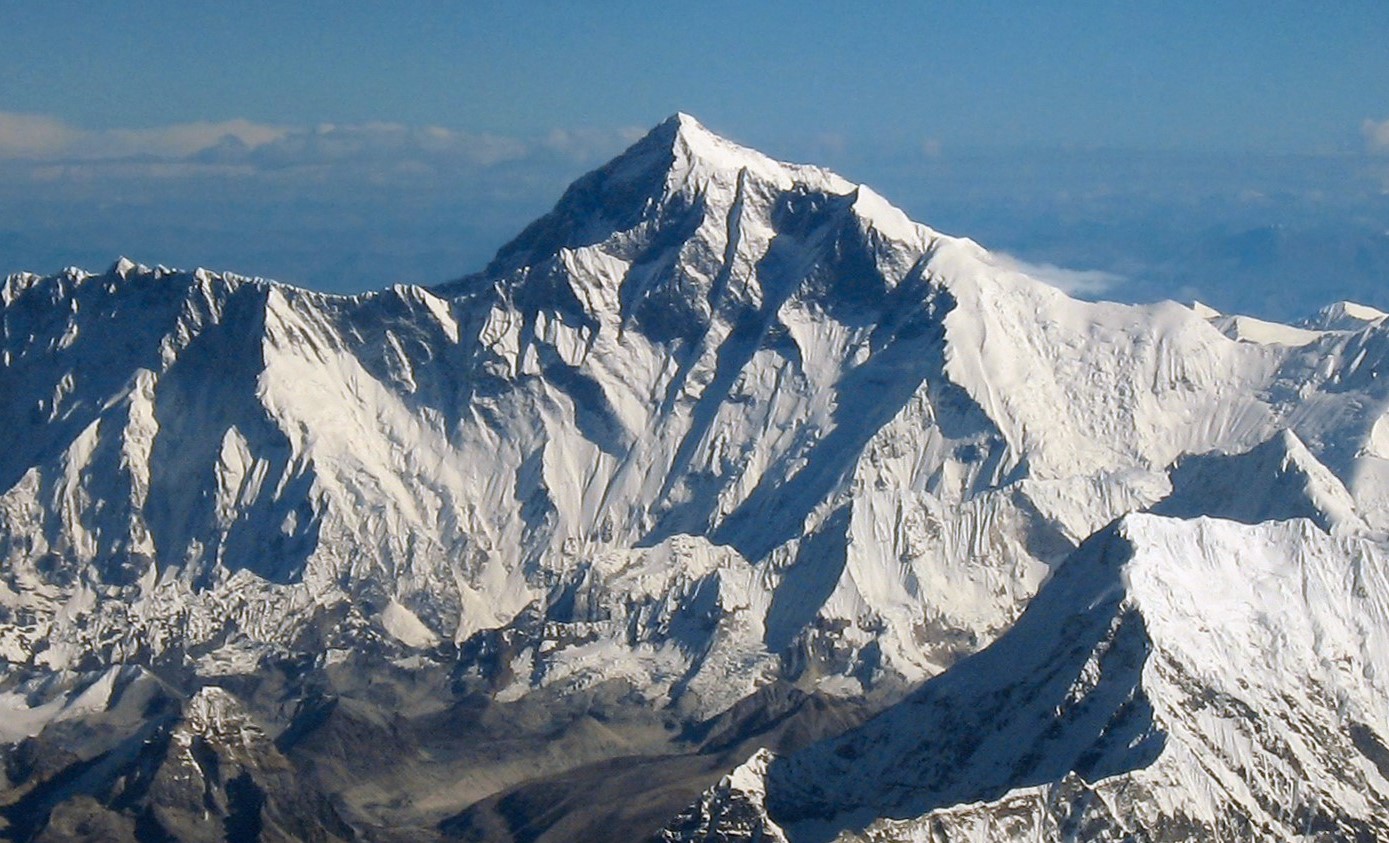
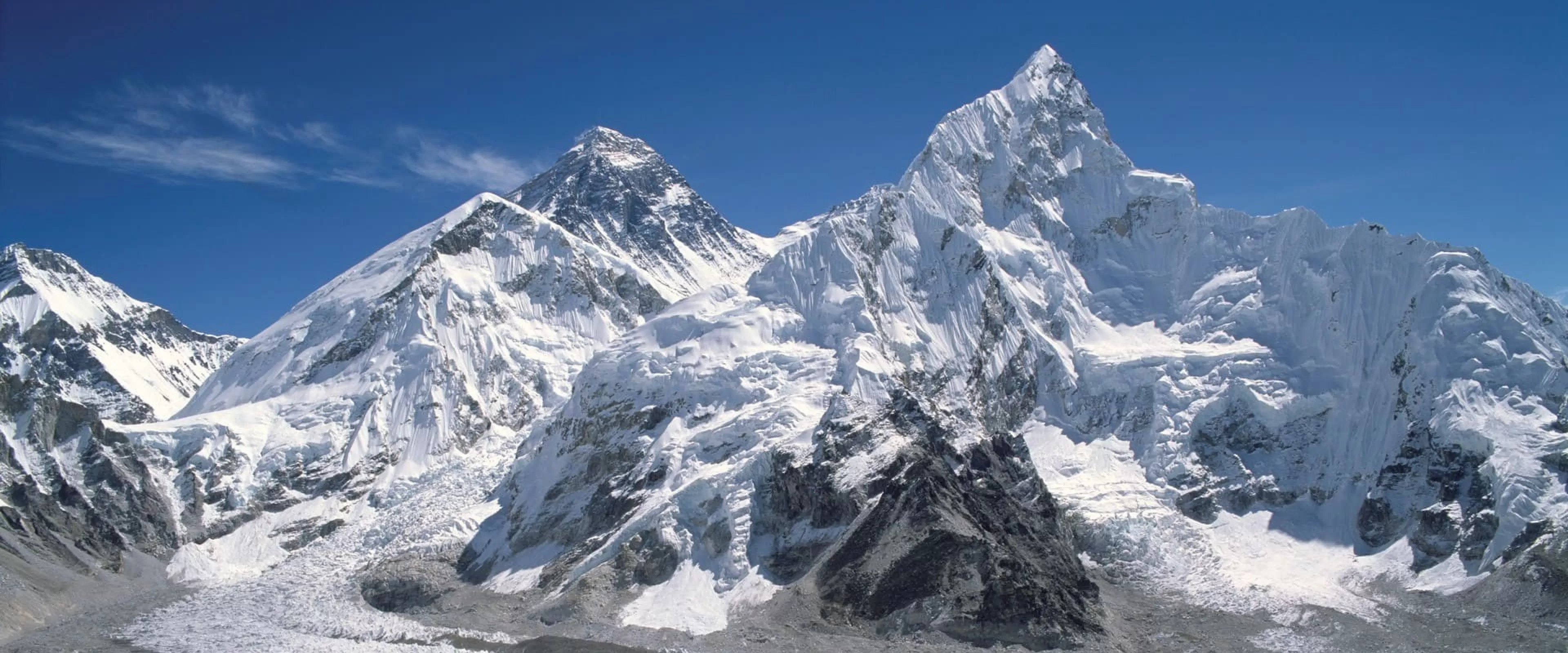
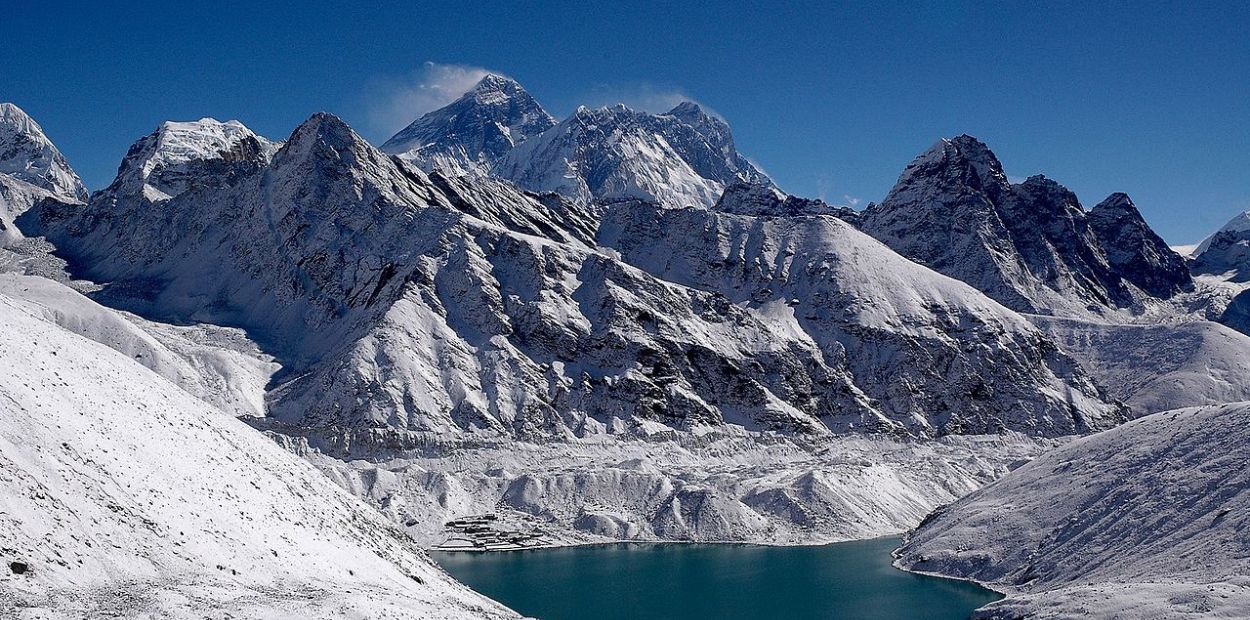
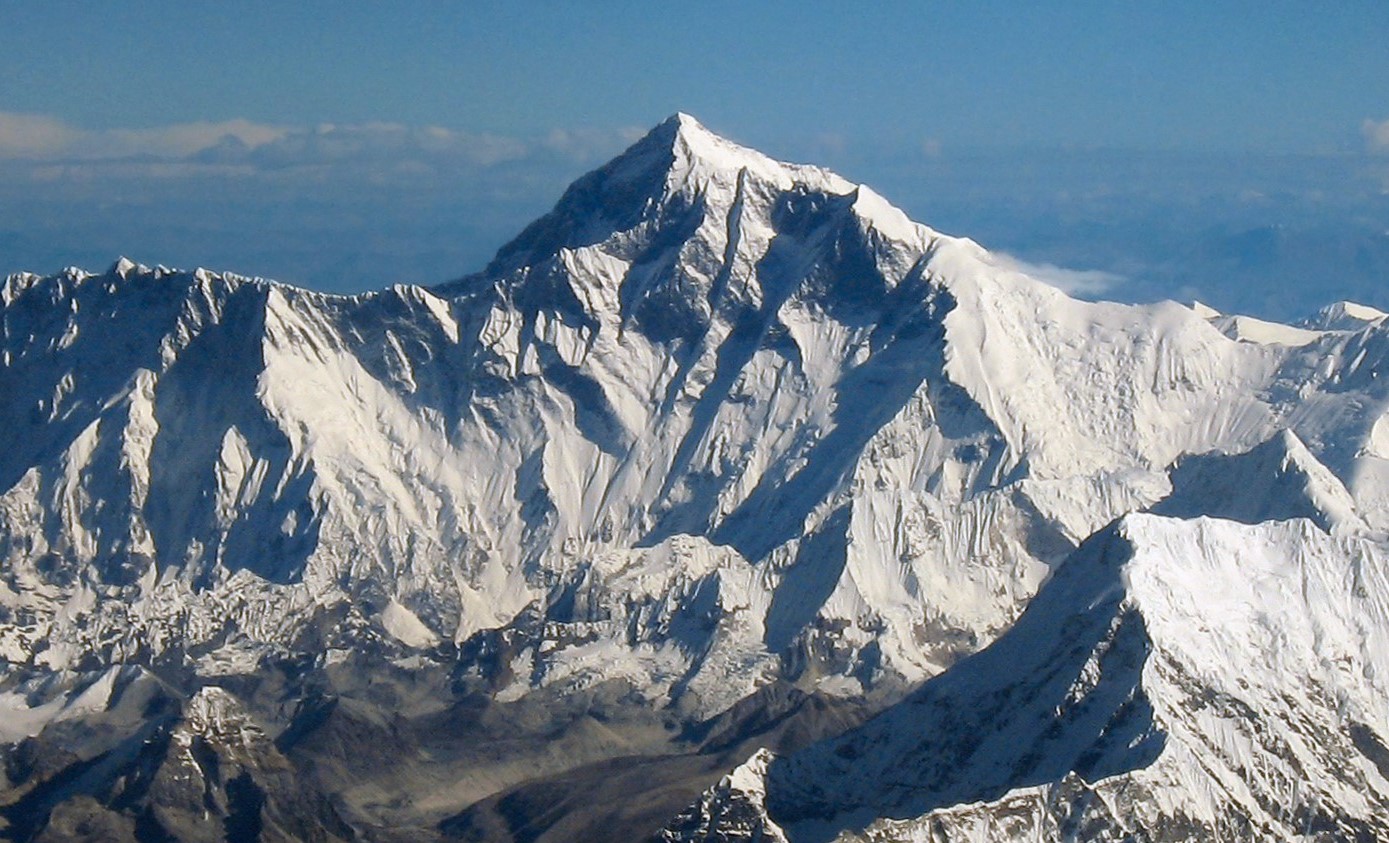
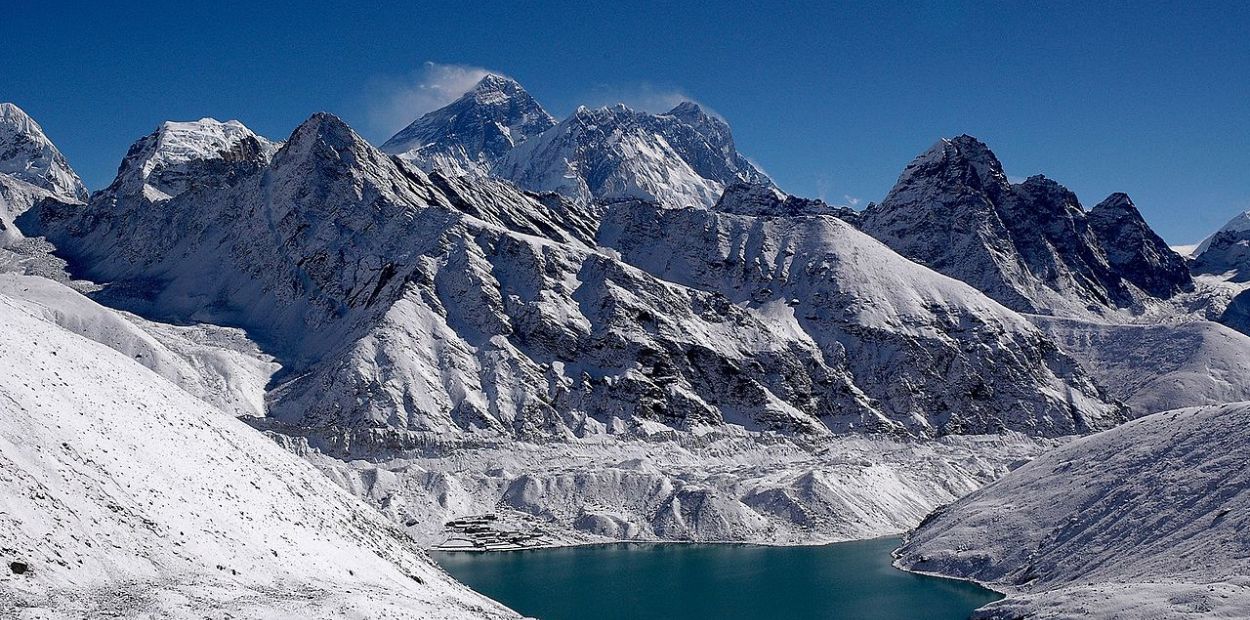
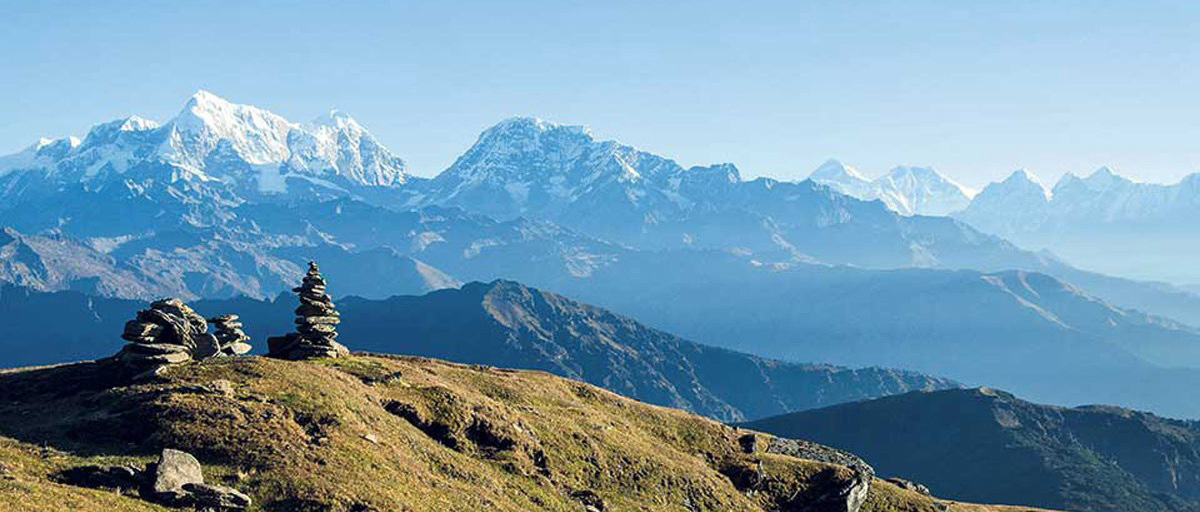
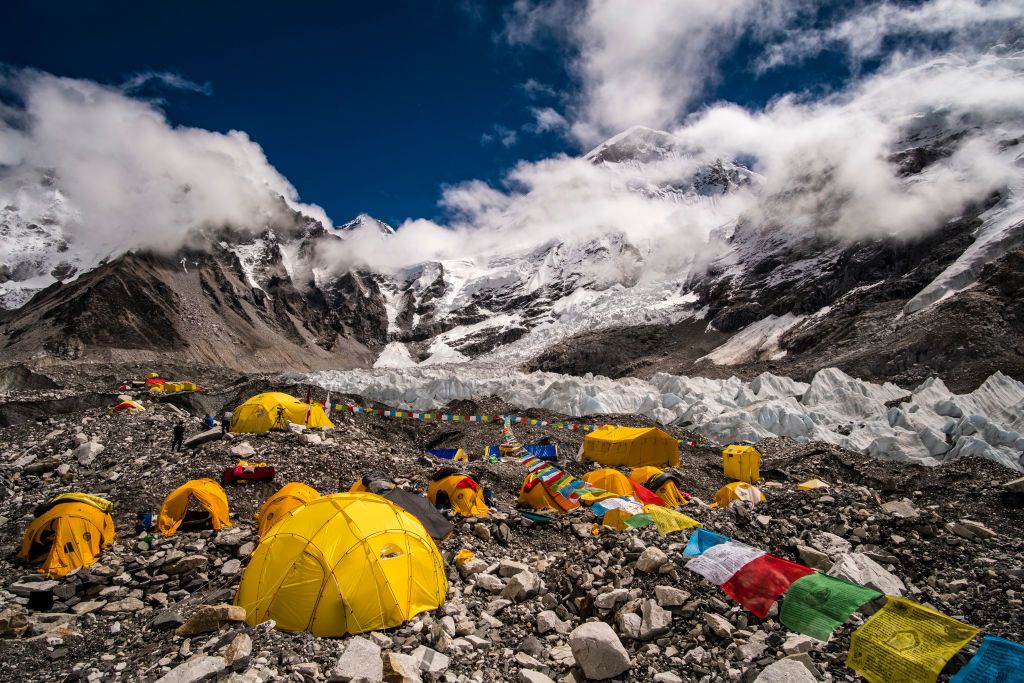
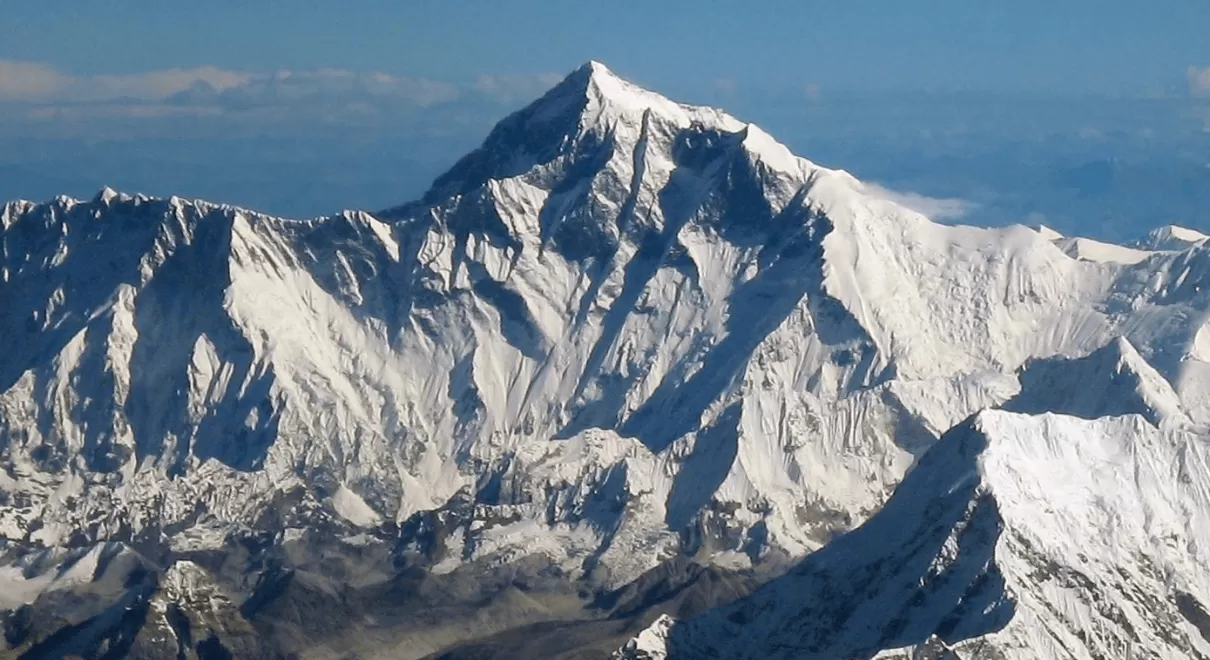
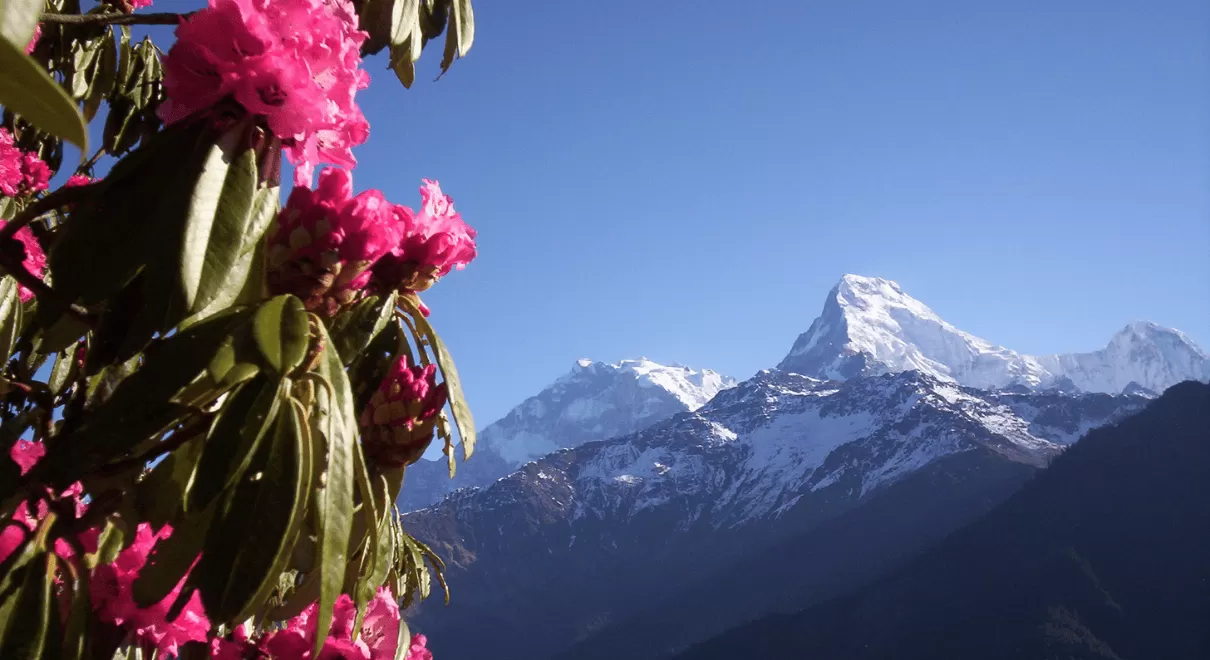
The Everest short trek is one of the most scenic and sweet trekking options in the Everest region. The region has several trekking routes; among them, the Everest Short Trek is a highlight. You can observe a spectacular mountain view, including the world's highest mountain, Mount Everest (8848 m).
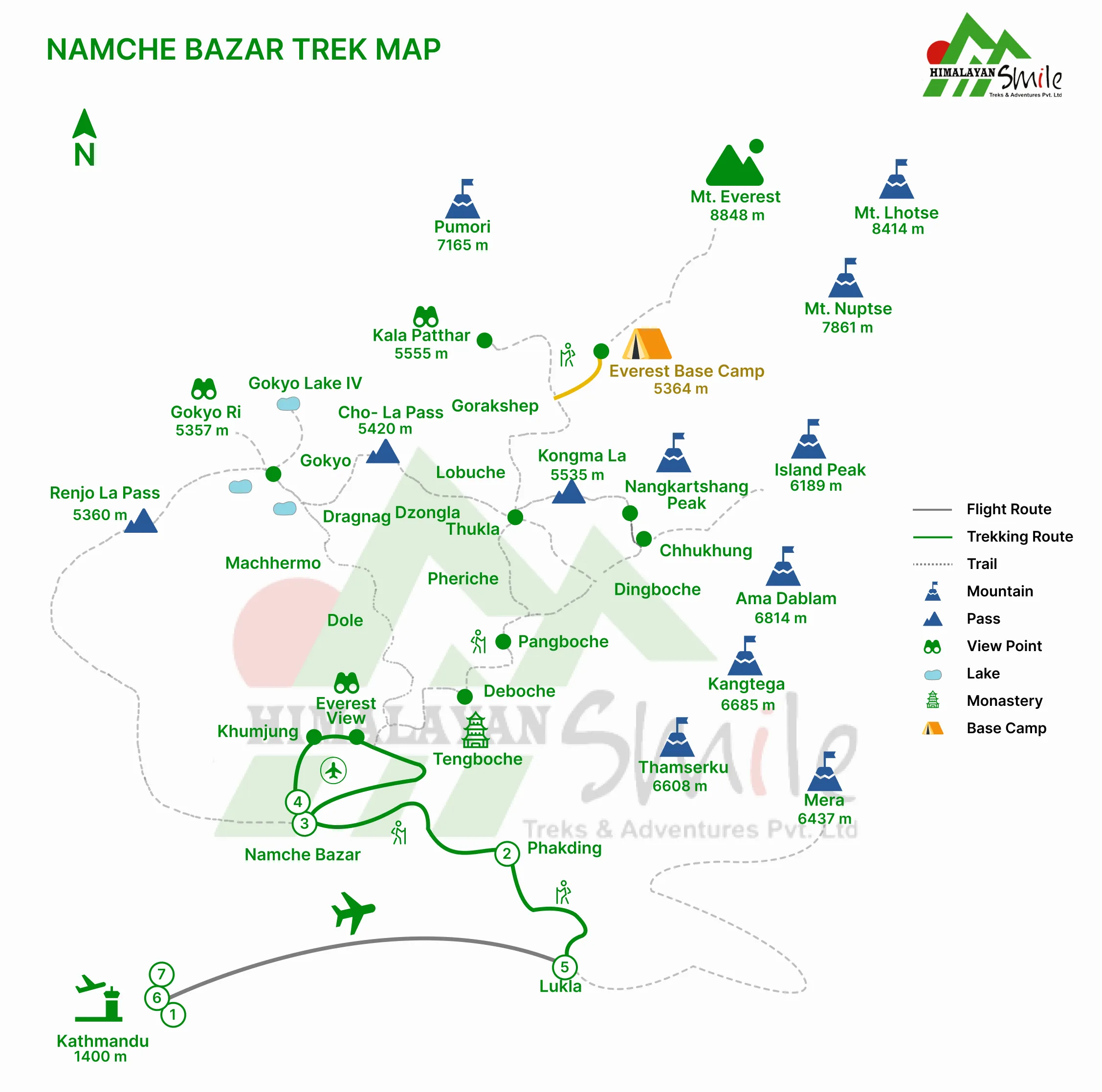
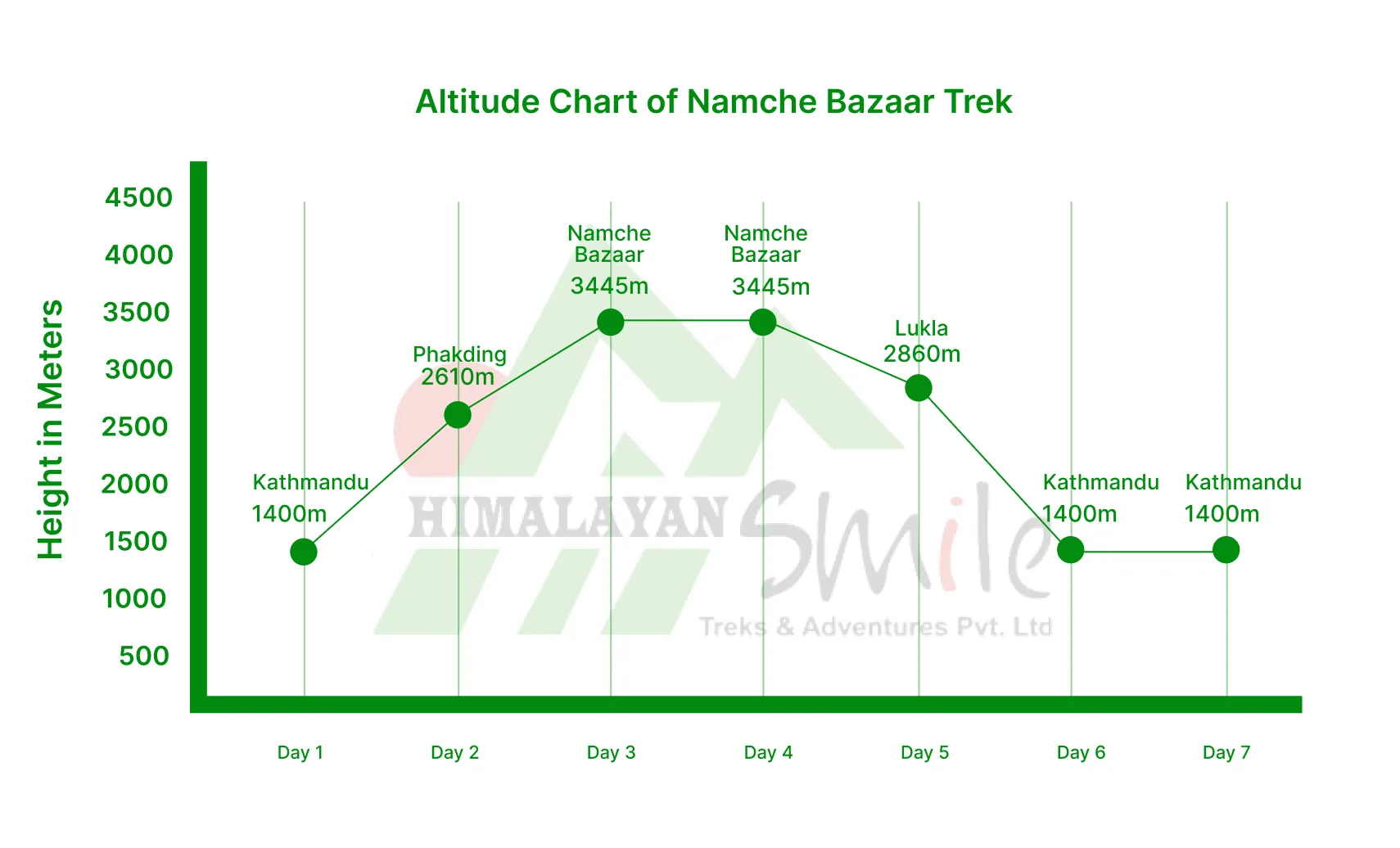
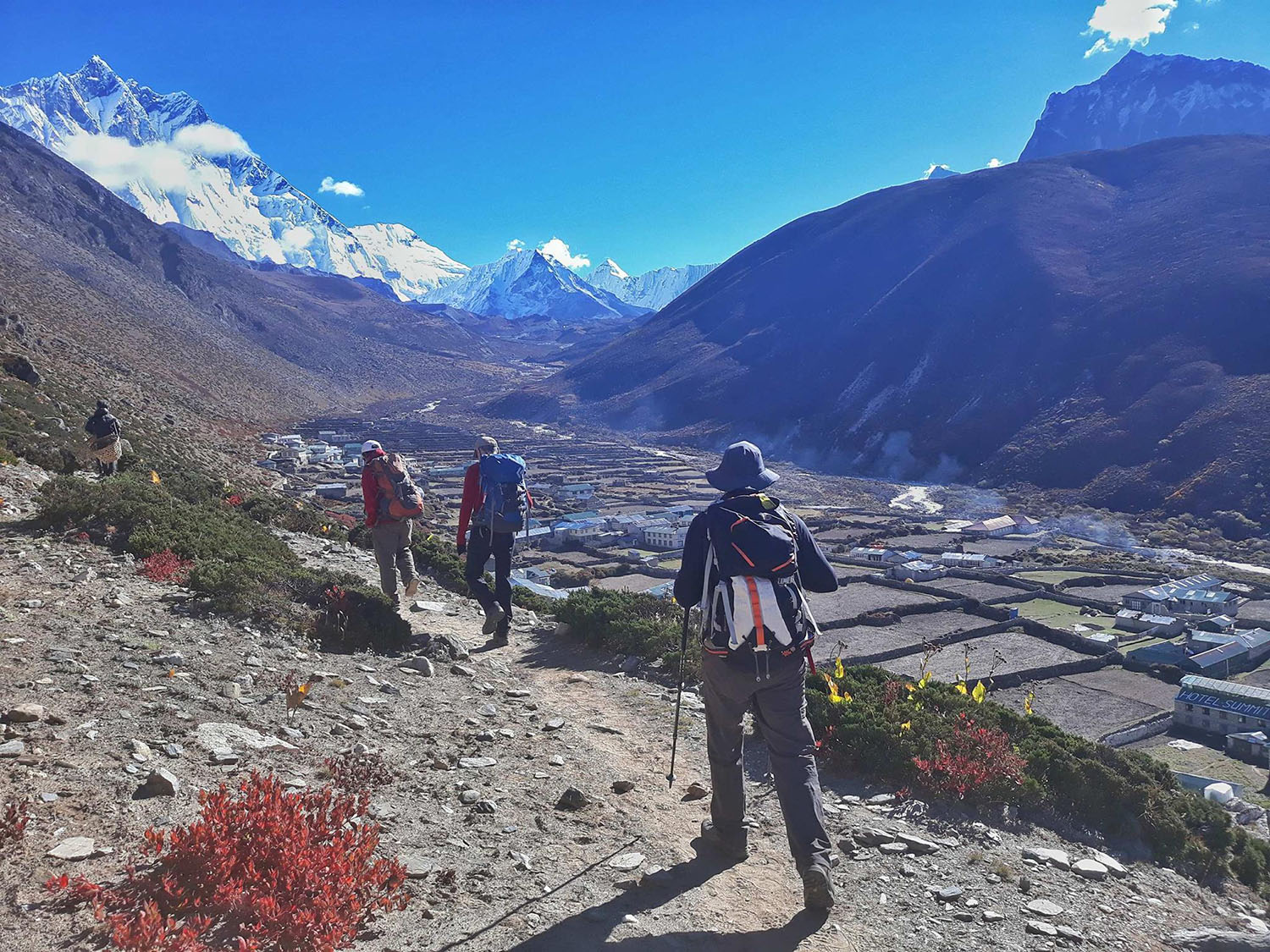
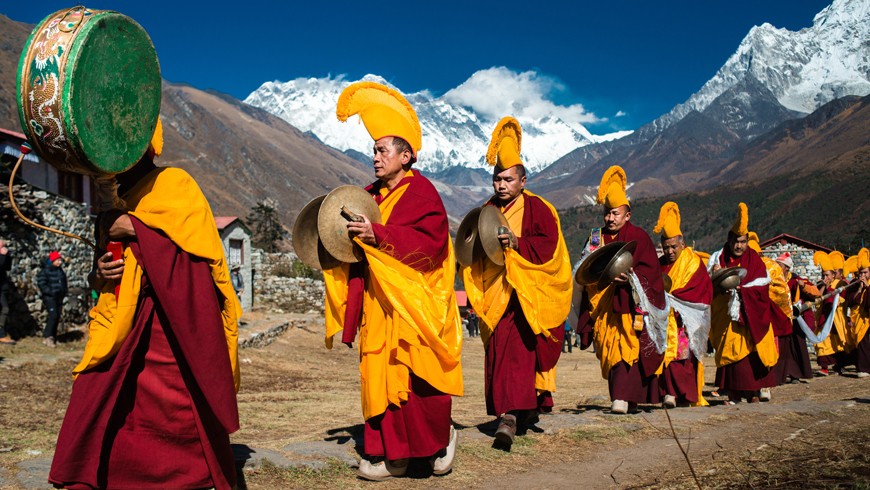
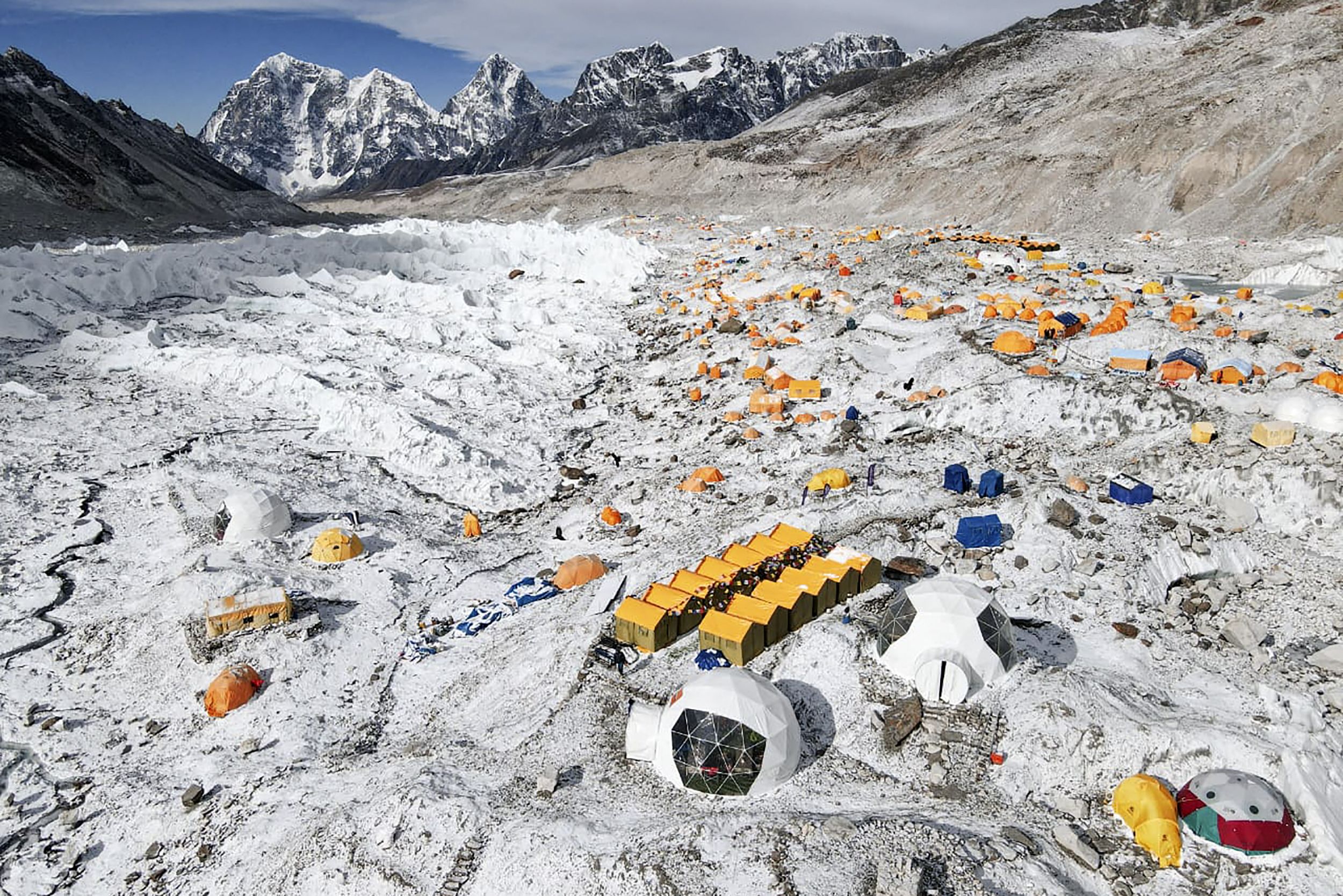
The Everest short trek starts from Lukla and ends in the same place, Lukla. The first day is Phakding, the second day is Namche Bazaar, the third day is the same Namche Bazaar, and the fourth day is the same way back to Lukla. During this trek, you can easily observe the view of the world's highest mountains: Mt. Lhotse, Mt. Dablam, Tauche, Thamserku, Kongde, and other small mountains. On the other hand, you will observe the Sherpa people and their culture and the different kinds of flora and fauna.
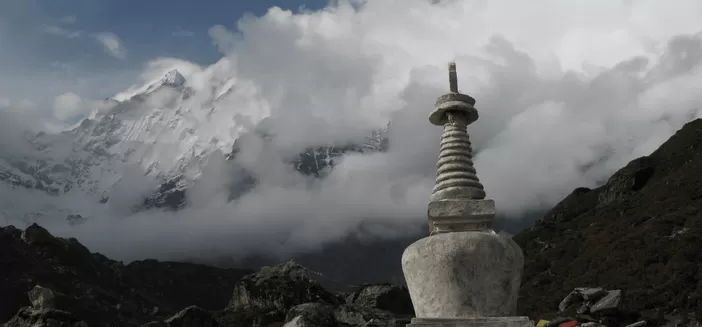
During the short Everest trek, walking through the rhododendron forest and another green forest, you can easily see Himalayan tahr, musk deer, pheasants, and other animals. The short trek faces the fascinating river, Khumbu's oldest glacier, the biggest and oldest Buddhist monastery, traditional society, and a small Buddhist stupa.
In summer, the Everest short trek is also fruitful for visiting Khumjung Village; at that time, Sherpas raise yaks and grow potatoes as their staple products. In the valleys of Khumbu, the summer monsoon lasts from June to September. During this quiet but productive season, people carry out their chores of herding and farming. To do farming is not easy, but they grow potatoes, buckwheat, or barley to feed their families. Most fields for cultivating food crops are at relatively lower elevations of about 3300 m near the main Sherpa village. During the winter, herds of yaks can graze on nearby Namche Bazaar hillsides.
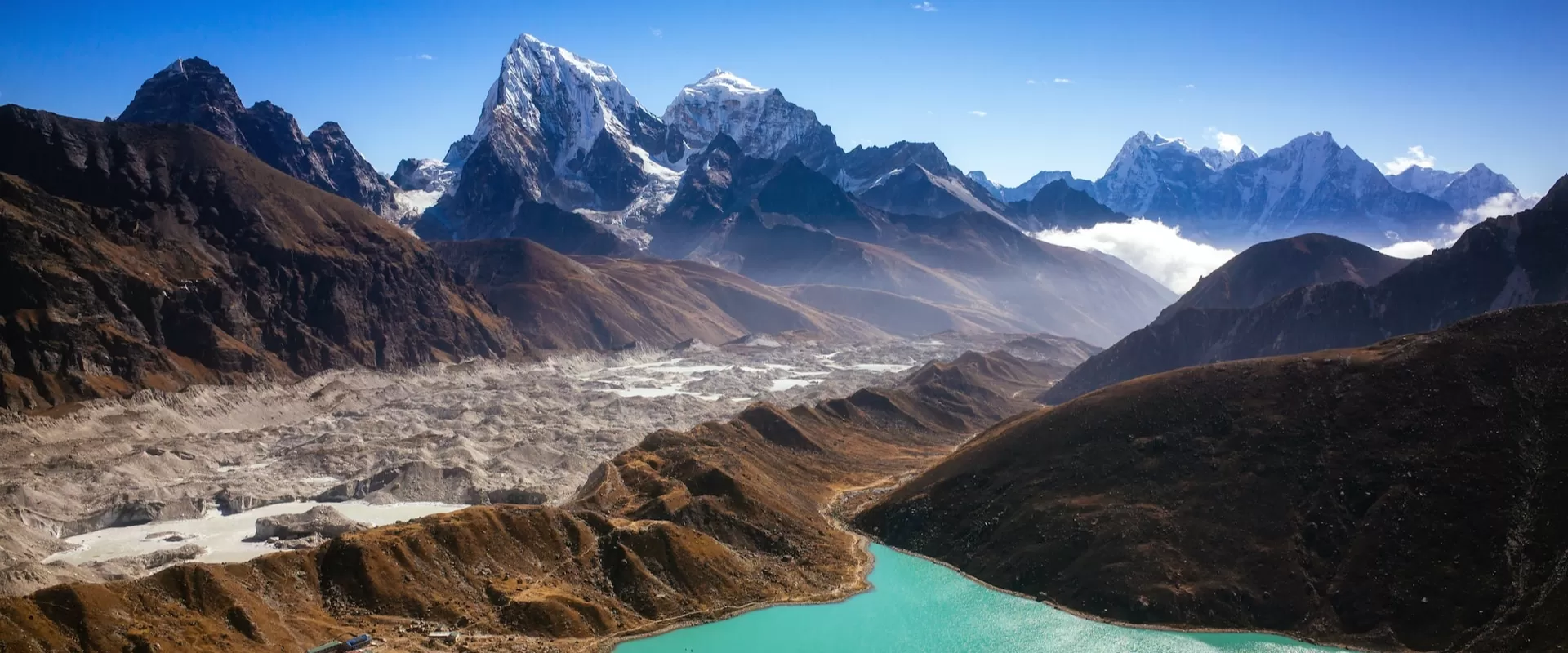
The Everest short trek leads to amazing landscapes broken up by deep gorges and glacial valleys with vegetation of pine and hemlock forests at lower altitudes; fir, juniper, birch, and rhododendron woods; scrub and alpine plant communities; and bare rock and snow.
Can I See Mount Everest Clearly?
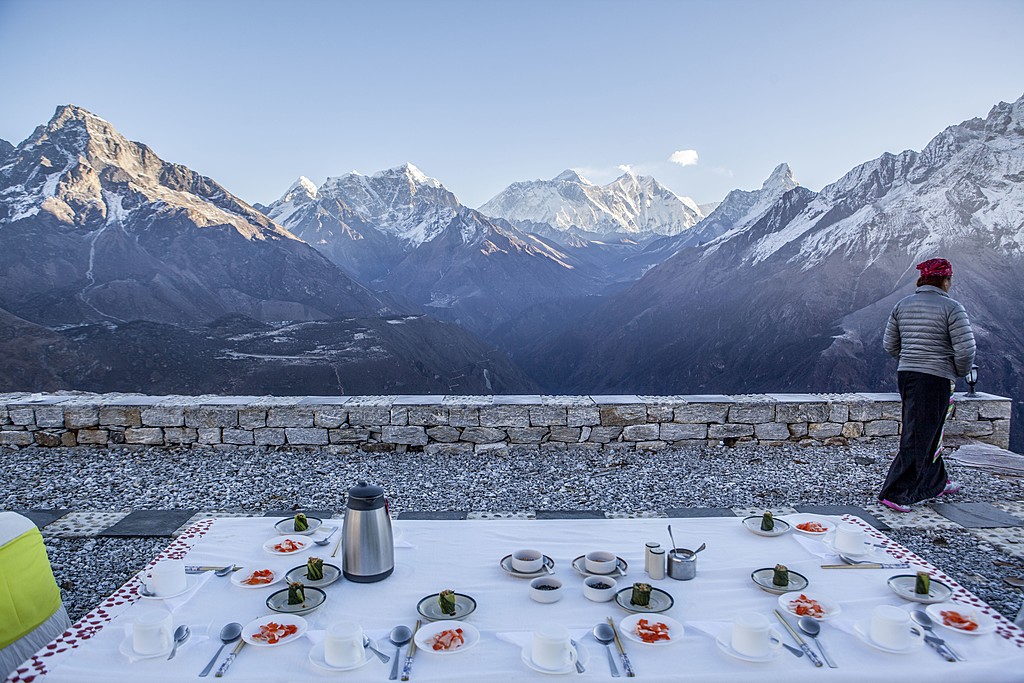
Yes—the views on this day hike are really spectacular; it kind of gets unreal. Once you leave all the ridges behind, and you finally reach Hotel Everest View, you start noticing some of the best scenes of Mount Everest and a whole set of other peaks. Many people say it’s often the best spot to take photos of mountain views, you know. The open, terraced yard just gives this magnificent sightline for Ama Dablam, Lhotse, Nuptse, Thamserku, and Everest itself. You stop here purely because of the scenery; you sip hot drinks on the terrace, then you continue toward Khumjung, kind of making the most of the wide panorama… with no overnight stay.
What Is the Maximum Altitude?
Hotel Everest View sits up on Syangboche Hill at 3,880 m (12,730 ft), which is the top point you’ll actually reach for this day trip. From there, Syangboche Airstrip is about 3,780 m, and Khumjung Village lies at about 3,790 m. The whole day hike, starting in Namche Bazaar, goes up to Hotel Everest View, then heads over toward Khumjung, and finally turns back to Namche, covering roughly 7–8 km, with an overall climb of about 460 m. You’ll finish it all within the same day and get back to your lodge in Namche Bazaar that evening.
How Difficult Is the Everest Short Trek?
Starting at Namche Bazaar, you hike uphill, not too fast, really, towards Hotel Everest View, and once you get there, you soak in the panorama while sipping hot drinks, kinda like a calm pause, on the terrace. After that you head back down to Khumjung Village for lunch, then return to Namche again using a slightly different route. The uphill part from Namche Bazaar to Hotel Everest View usually takes around 2 hours, though it can be closer to 3 hours if you go steadily and also make a stop at the National Park Museum on the way. The paths are clearly marked, so you do not worry too much about getting off track. Overall, the walking time feels nicely balanced, broken up across the morning and afternoon, so it turns into a good day out that feels achievable, not rushed.
Can Beginners or Older Travelers Do This Trek?
This day hike gives you a safe elevation gain and a return to Namche the same day, so it feels ideal for altitude adaptation, really. It also kind of makes the most of the acclimatization days by keeping you moving, but without going into overexertion mode, you know. Overall, it’s a solid way to experience the Everest region, and it works well for first-time trekkers too. Since you sleep in Namche Bazaar each night, instead of staying up high, the body gets to recover properly. No technical skills are required; it’s more like just keep a steady pace, wear good walking shoes, and be ready to slow up the uphill sections toward Syangboche.
What Is the Best Time for the Everest Short Trek?
The best seasons tend to be March–May (spring) and September–November (autumn), when the skies are usually clearer and temperatures stay pretty moderate. The mountains look almost crisp and dramatic, like you can actually see the shape of everything. Also, the trails feel easy enough to walk on. Syangboche, by the way, has amazing panoramic views of Everest and the neighboring peaks, though you’ll enjoy it most on those clear-sky days within those two periods. If you can, start really early in the morning, because the clouds often build up later in the day. Winter is doable but cold, and the monsoon season can bring fog that wipes out the whole mountain view, so those peak months are really essential for the full experience.
Trek Distance and Walking Hours
The Everest Short Trek is made for folks who want to catch a glimpse of the Everest region’s beauty, but they only have a limited timeframe. While on the route, you’ll end up trekking roughly 35 to 45 kilometers, depending on the selected track and any side trips you decide to add. Most days, you’re walking about 4 to 7 hours, which usually gives you enough breathing room to slow down, appreciate the mountain views, peek into local hamlets, and stop for rests when needed. The path winds with gentle rises and dips, moving through forest stretches, crossing suspension bridges, and reaching traditional Sherpa communities. A good baseline fitness level is really encouraged, yet with some preparation and smart pacing, the trek tends to be possible for most active travelers.
Which is the best season for the Everest Short Trek?
The Everest Short Trek can be enjoyed over a few months during the year, though spring (March to May) and autumn (September to November) are usually the better picks because conditions are more friendly. In those times, the weather tends to stay steady, the sky looks clearer, and the mountain panoramas really shine—like you get that extra wow feeling. Spring has bright rhododendron blossoms and comfortable temperatures; it almost feels gentler. Autumn, on the other hand, gives you crisp air, and the sight lines are honestly excellent. You can also do winter treks if you want quieter paths; however, the cold can be very intense, so that needs planning. Summer, especially the monsoon period, often means more rainfall and thicker cloud cover, so the views become a bit more hit or miss, and you never quite know what you’ll see.
How is the teahouse facility during the Everest short trek
During the Everest Short Trek, staying is usually arranged in local teahouses, kind of run by families from the area. These lodges give you a comfy and more genuine trekking vibe, plus they help the nearby communities in a very direct way. The rooms are normally quite simple, with twin beds, mattresses, and blankets, and you’ll share the bathroom facilities. In the lower villages, a few places may include attached bathrooms and a bit more comfort stuff, yet as you go higher, the services get more basic, and the rhythm changes. The dining hall is like a warm hangout spot where people sit, rest, and talk after a long stretch on the trail. Also, when you lodge in teahouses, you get a real chance to hear stories, understand Sherpa culture, and see how mountain life works day to day.
Food During the Everest Short Trek
Food on the Everest Short Trek is usually made in teahouses, and you’ll find a good range of meals to keep you going the whole time. You’ll often eat traditional Nepali items, like Dal Bhat, which are liked because they offer steady nutrition plus the right oomph for hiking. In practice, menus also list noodles, fried rice, soups, potatoes, pasta, eggs, pancakes, and whatever seasonal vegetables are around. For drinks, tea, coffee, hot chocolate, and a few other options are easy to get. There’s more choice in the lower villages, but the overall standard stays solid along the trail. Since meals are cooked fresh, trekkers can remain lively and relaxed during the journey.
Everest Short Trek Packing List
Packing smartly can make your Everest Short Trek feel way more comfy and, honestly, more fun too, because the whole ride depends on what you bring. For clothing, plan on moisture-wicking base layers, a warm fleece jacket, and a puffy down jacket. Don’t forget trekking pants, gloves, and a hat. Also, comfortable hiking boots really matter; like, they can save you later on rocky sections. A light rain jacket is a good idea, since mountain weather shifts super fast, and you might need it before you even notice. Beyond the clothes, bring sunglasses and sunscreen, along with a reusable water bottle. Personal toiletries, medications, a headlamp, and a small daypack are also important. If the ground is uneven, trekking poles can be really helpful and not just “nice to have." And try to pack lightly, carrying only what you truly need; that way you get more ease plus more freedom during the trek.
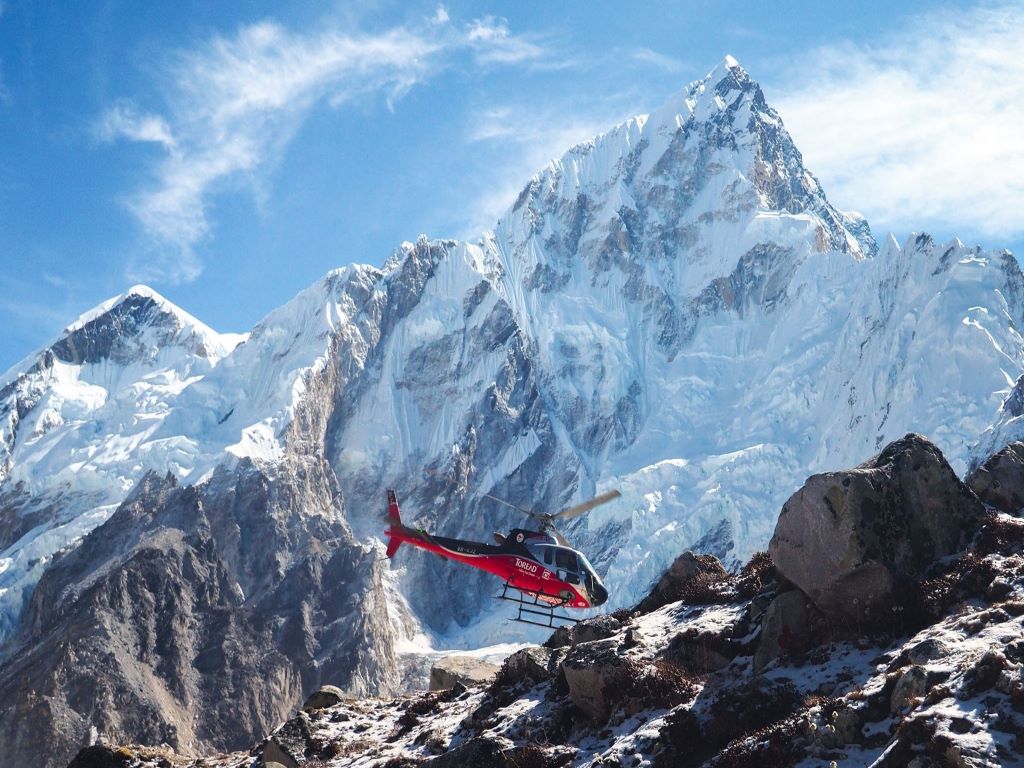
Take a thrilling mountain flight from Kathmandu to Lukla, then you start, you know, soaring above those jaw-dropping Himalayan landscapes to kick off your adventure.
Namche Bazaar, the iconic gateway toward Mount Everest, greets each trekker with bright Sherpa hospitality, plus a bit of that stunning mountain scenery around, everywhere.
Wander through real Sherpa culture, old-time traditions, and that gentle everyday mountain lifestyle in the charming, historic Khumjung village.
Syangboche gives every trekker an unmissable payoff, with unbelievably clear panoramic views of Mount Everest, Ama Dablam, Lhotse, and the surrounding great peaks too.
Go for a short trek, but honestly, it’s seriously rewarding, with close-up, unforgettable views of the world’s highest and most magnificent mountains.
| 1 | 2 | 3 | 4 | 5 | 6 | 7 | |
| USD 1165 | USD 970 | USD 950 | USD 910 | USD 900 | USD 885 | USD 915 | |
| USD 1315 | USD 1120 | USD 1100 | USD 1060 | USD 1050 | USD 1035 | USD 1065 |
Start From
Get personalised guidance for any Nepal adventure — with expert planning and safety support.
We offer expert advice, flexible options, and tailor-made itineraries.

Everest Short Trek with Himalayan Smile Treks was, honestly, a great way to take in the Everest region, but with limited time, so you know it works. Our guide, Lakpa Sherpa, was friendly and really knowledgeable, like he had that calm way of explaining everything. The mountain views were amazing, even when the days felt fast, the Sherpa villages had this special vibe, and the whole plan was well organized, not messy or random. In the end, it made the short trek unforgettable, genuinely.
Himalayan Smile Treks arranged a pretty great Everest Short Trek, you know the kind where everything still feels smooth and not too long. Guide Karma Sherpa made sure safety and comfort stayed with us the whole time, and it was calm even on the busy parts. Along the way, we got breathtaking Himalayan landscapes, plus a lovely local culture and that rewarding Everest experience, without having to commit to some long trekking schedule.
Our Everest Short Trek with Himalayan Smile Treks was honestly, way beyond what we expected. The guide, Chiring Sherpa, was really supportive and professional the whole time. There were these scenic paths, friendly teahouses, and some just unbelievable panorama views of Everest and the neighboring mountains too. It felt like a great little short Himalayan escapade, not too long but still very memorable.
Trekking in the Everest region with Himalayan Smile Treks was honestly an amazing experience, like really. Our guide Dawa Sherpa managed everything perfectly, from start to finish. Even though the itinerary was short-ish, it still included incredible views of the mountains, a lot of Sherpa culture, and, well, peaceful trails too. So it felt ideal for travelers with limited time, but still wanting that full mountain atmosphere.
Himalayan Smile Treks kind of delivered this memorable Everest Short Trek, and I mean it. Guide Namel Dherpa kept things smoothly moving and honestly it was enjoyable the whole way. The hike itself was well-paced, scenic, and it kept giving those unforgettable Himalayan viewpoints, like over and over… so yeah it became one of the main highlights of my Nepal trip, despite how brief it was.

$1105
$990
$1020
$1045
$995
$1200
$1035
$880
$1395
$990
$1740
$
$1045
$2100
$890
$4780
$
$2885

↑
.png "NTB")
.png "Pata")