Country
Nepal
Duration
32 Days
Maximum altitude
4870m
Activity
Trekking
Difficulty
Moderate/Difficult
Best Season
September, October, November, December, February to April
Accomodation
Included
Meals
Included
Start/End Point
Taplejung /Tumlingtar

Lumba Sumba Pass Makalu Base Camp trek is a newly developed trekking route identified and explored by the Trekking Agencies’ Association of Nepal (TAAN) in 2012. This route passes through Nepal best preserved retested areas-kanchanjunga Conservation Area (KCA) and Makalu Barun National Park in the eastern Himalaya. Lumbas Sumba Peak (5200) is a major attraction. Trekkers pass through traditional farming practices and see different birds and wildlife species, including the endangered snow leopard and red panda, from the route. There are many high mountain lakes in Olangchung Gola. Similarly, the trek passes along the Tamor and Arun rivers, which are major tributaries of the mighty Sapta Koshi river.
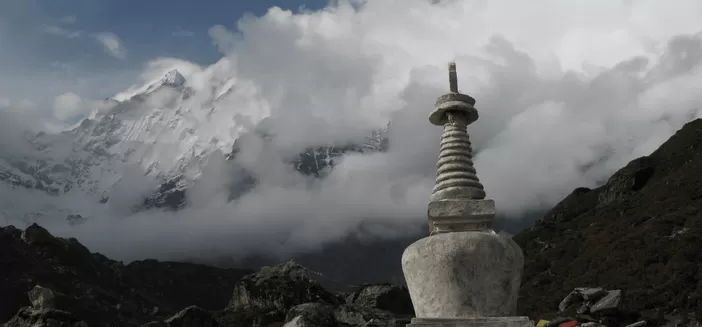
Lumba Sumba Pass Makalu Base Camp trek route encompasses alpine grasslands, rocky outcrops, dense temperate and sub-tropical forests, and low river valleys. Different kinds of ethnic groups like Limbus, Sherpas, Rai, Gurung, Magar, Newars, and Tamang live here. Apart from natural beauty, trekkers can also explore cultural heritage like monasteries, choorens, temples, and prayer walls. Different kinds of ethnic groups like Limbus, Sherpas, Rai, Gurung, Magar, Newars, and Tamang live here, and to add to the flavor, the festivals of all of these people living in harmony only-serve to make the native culture livelier.
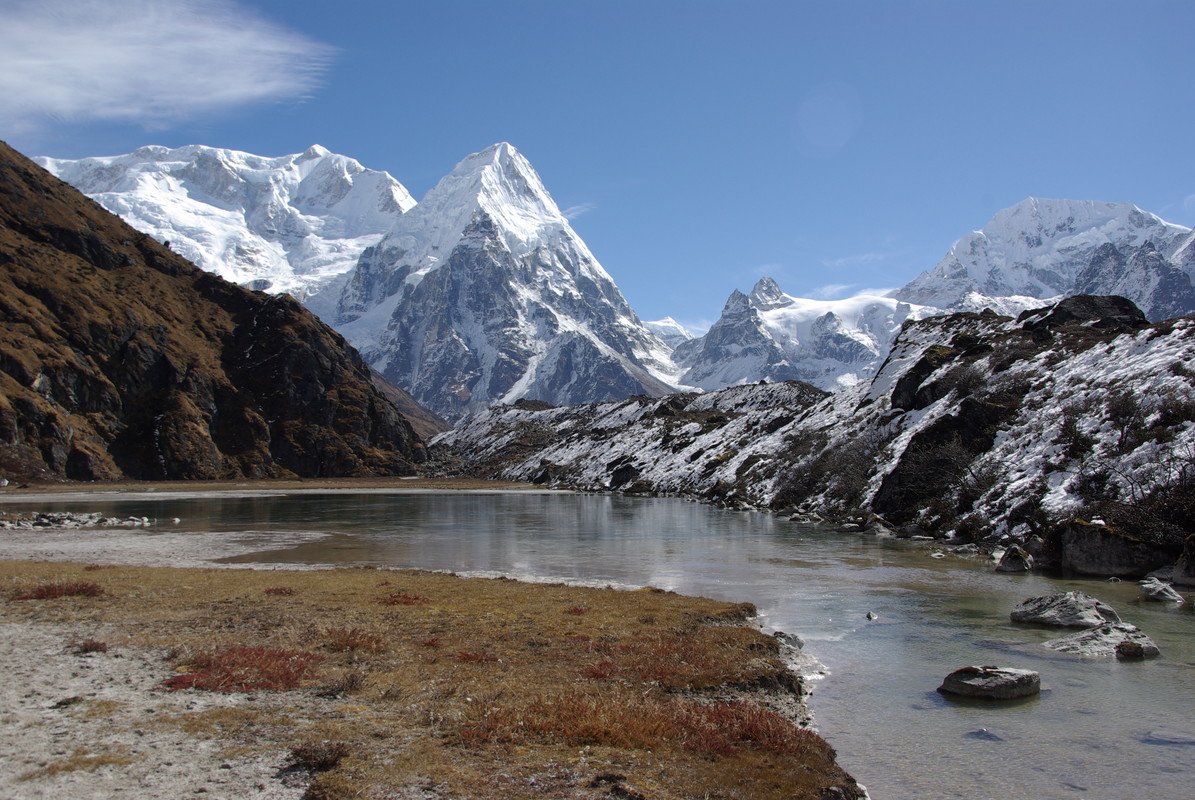
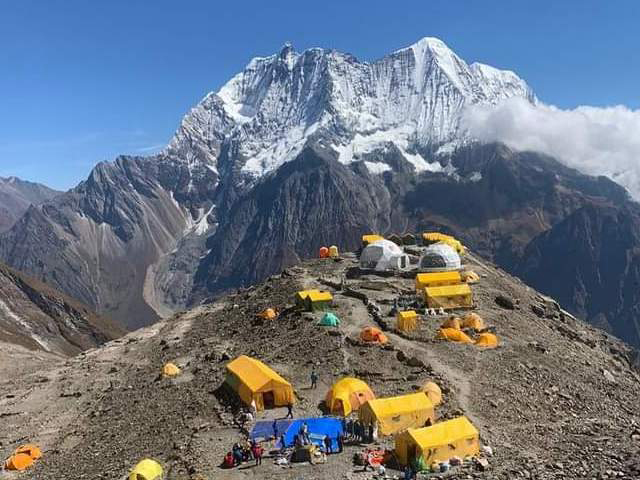
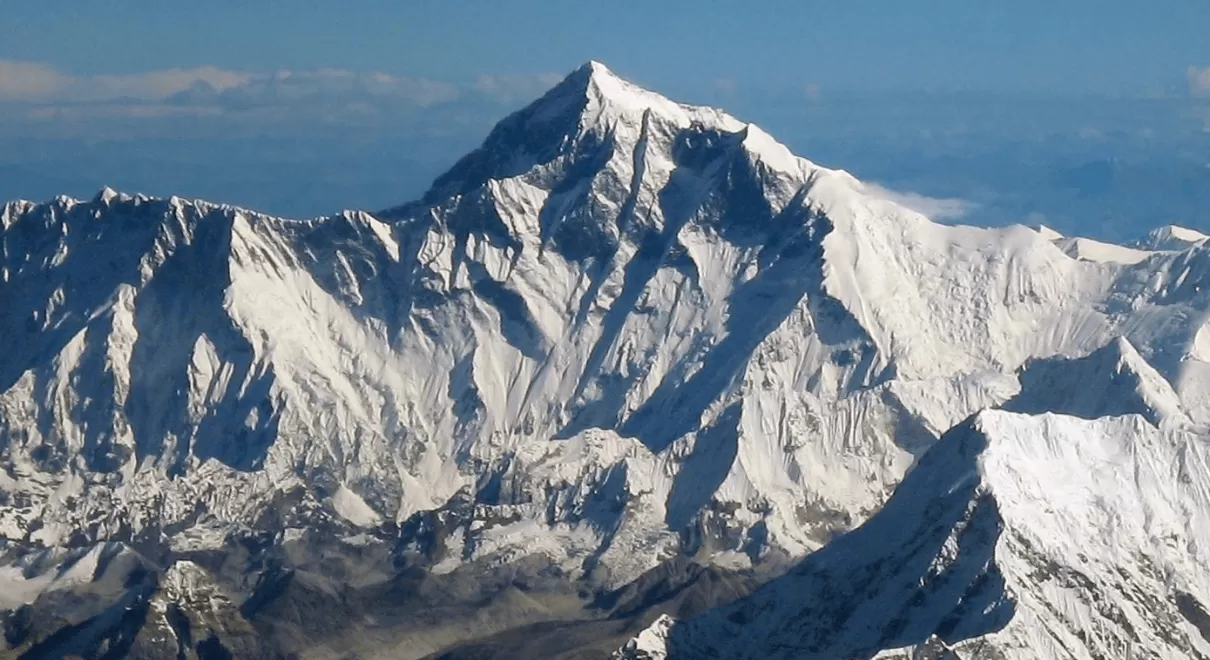
The Makalu Base Camp trek is start form lowland of Tumlingtar on the Arun River to one of the highest Base Camps on earth, the Makalu Base Camp at 5000m via the Lumba Sumba Pass. The trail passes through the beautiful Barun River valley in the Makalu Barun National Park; we cross various high passes, such as Shipton La and Keke La, and lakes such as Kalopokhari. At Makalu Base Camp, you will enjoy views of the highest mountains, including Mt. Everest, Mt. Lhotse, Mt. Chamlang, Mt. Baruntse, and other Himalayan peaks, along with Makalu (8481m) itself.
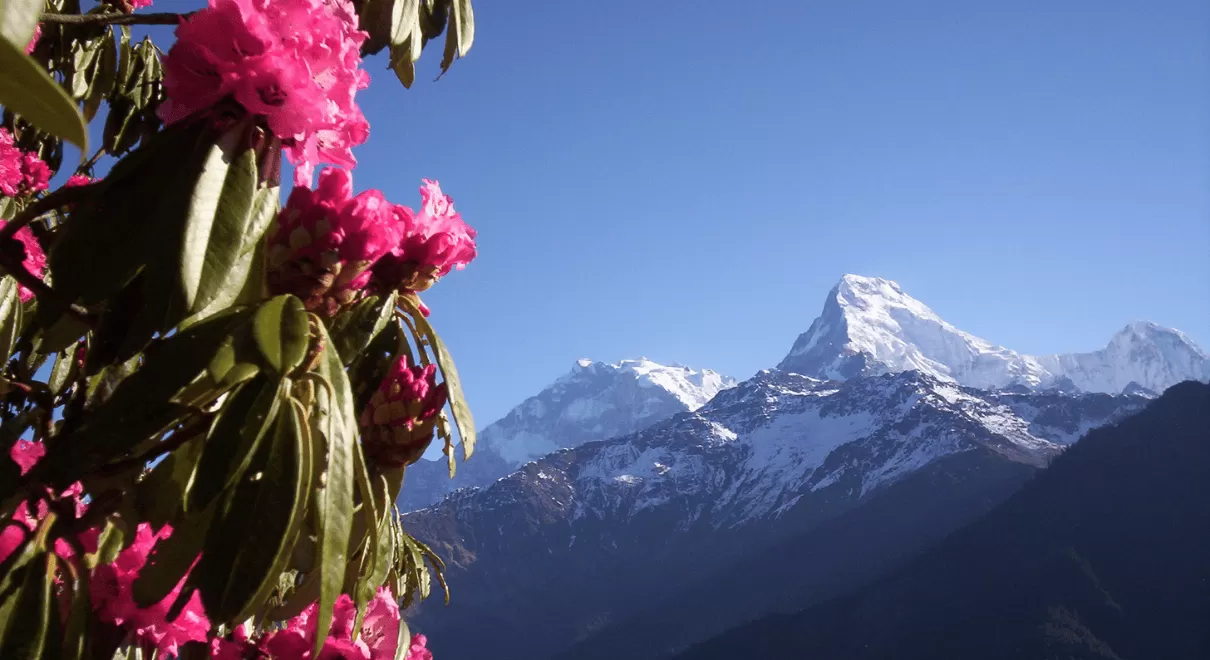
Lumba Sumba Pass Makalu Base Camp trek another highlights is trek to the base camp of the world’s fifth-highest mountain, Makalu. Makalu is a close neighbor of Mt Everest, lying in the northeast region of Nepal. The Makalu Barun National Park, established in 1992, covers the Barun Valley, which is part of a huge international protected area under an agreement between Nepal and China. The Park spreads just east of the Everest region, covering areas of the Solukhumbu and Sankhuwasabha districts of Nepal. One of the most popular trekking peaks of Nepal, the Mera Peak (6654m), also lies in the Makalu Barun region. A large variety of common as well as endangered flora and fauna are protected in the region, including rhododendrons, orchids, Snow Leopard, Red Panda, Musk Deer, Wild Boar, Wild Yak, Himalayan Thar, and more than 420 varieties of bird species. Some believe the area is also home to the elusive Himalayan giant, the Yeti.
Walk over the long remote Lumba Sumba Pass at high elevation. It sits in Nepal’s eastern Himalayan area and still feels little known.
Make your way to Makalu Base Camp. From there you can see Makalu up close and from many angles, like you are standing right under it.
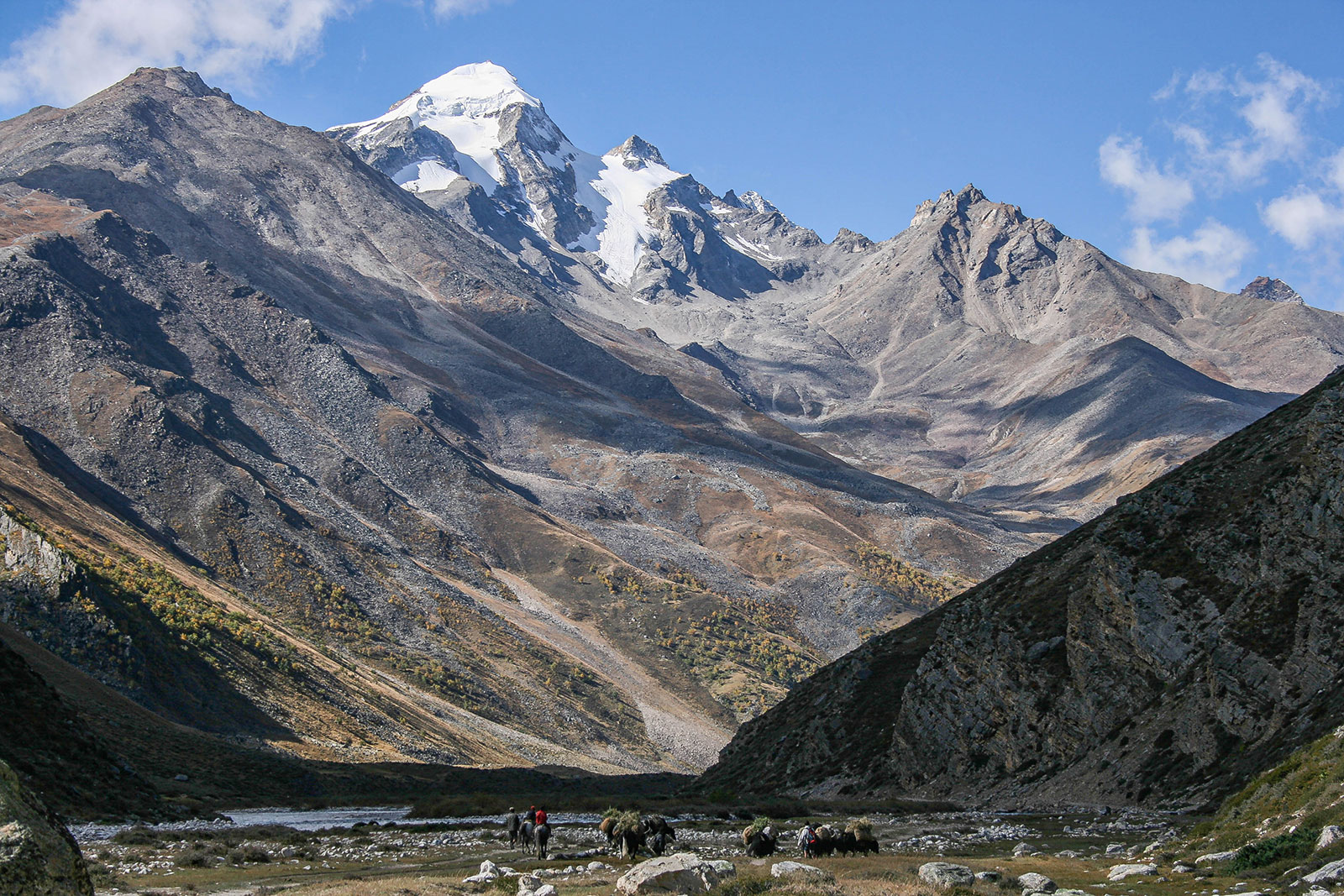
On the trek, pass through forest that does not feel crowded. You will follow rhododendron paths and see small Sherpa and Rai settlements as you go.
Spend time in Makalu Barun National Park. The place is wild and quiet, with rare animals and many kinds of plants in the hills.
This is a route for people who want fewer visitors. You get real backcountry time and a calm mountain mood, not a busy trail.
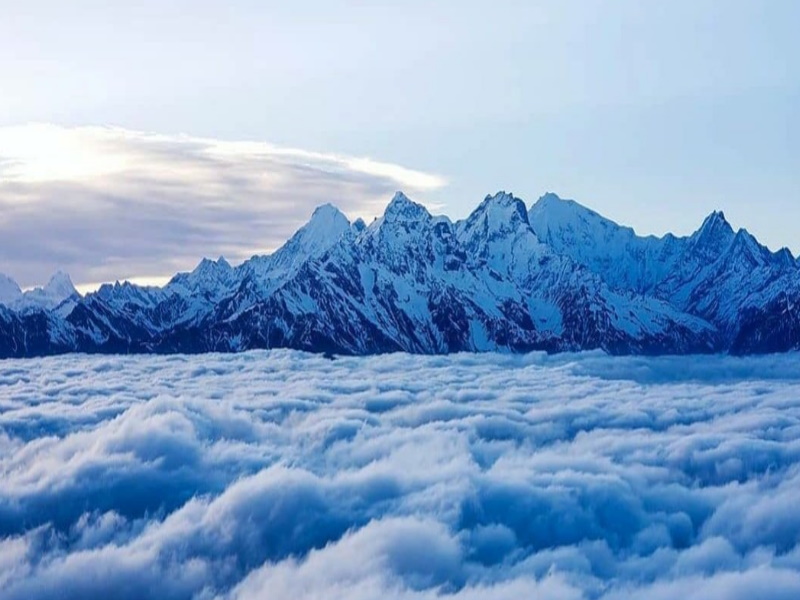
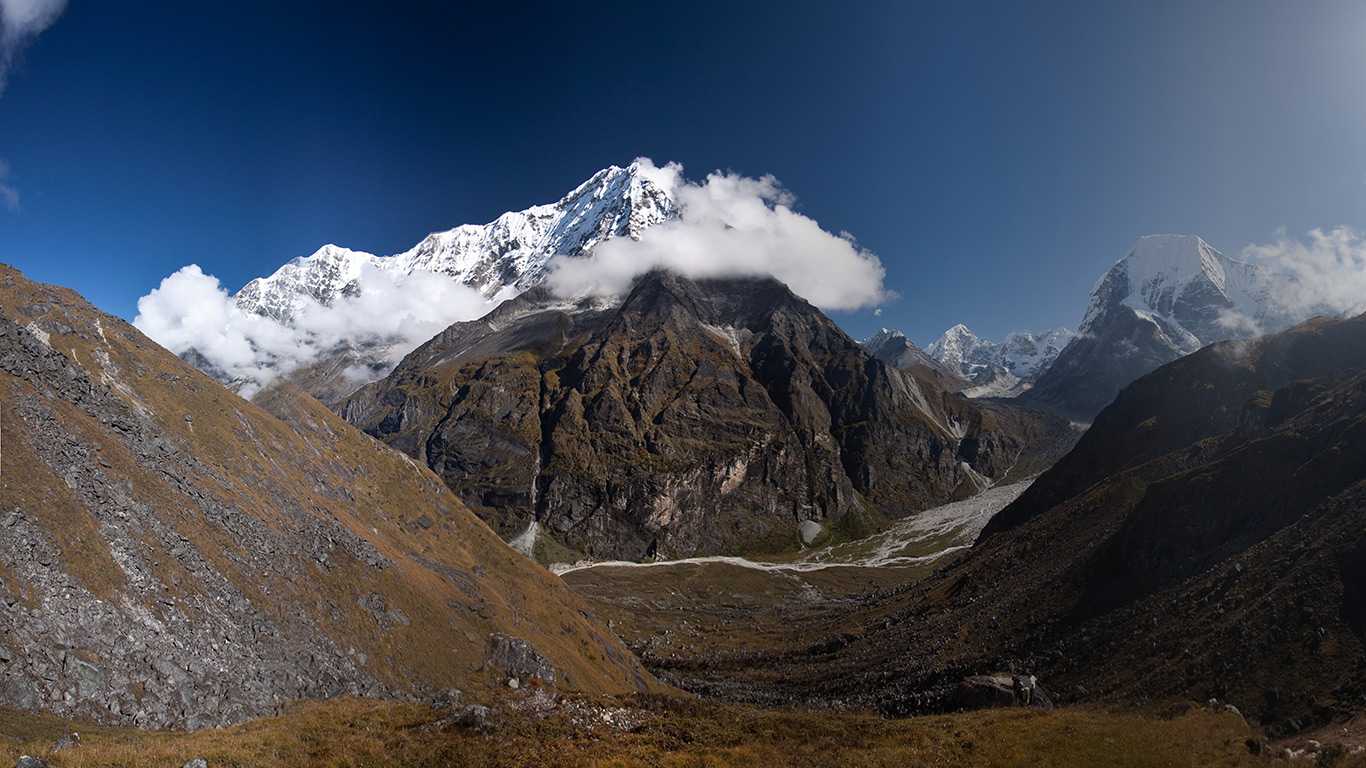
You will also catch wide views of Makalu, Everest, Kanchenjunga, and other snow covered peaks. The sights change as the day moves, and each stop feels different.
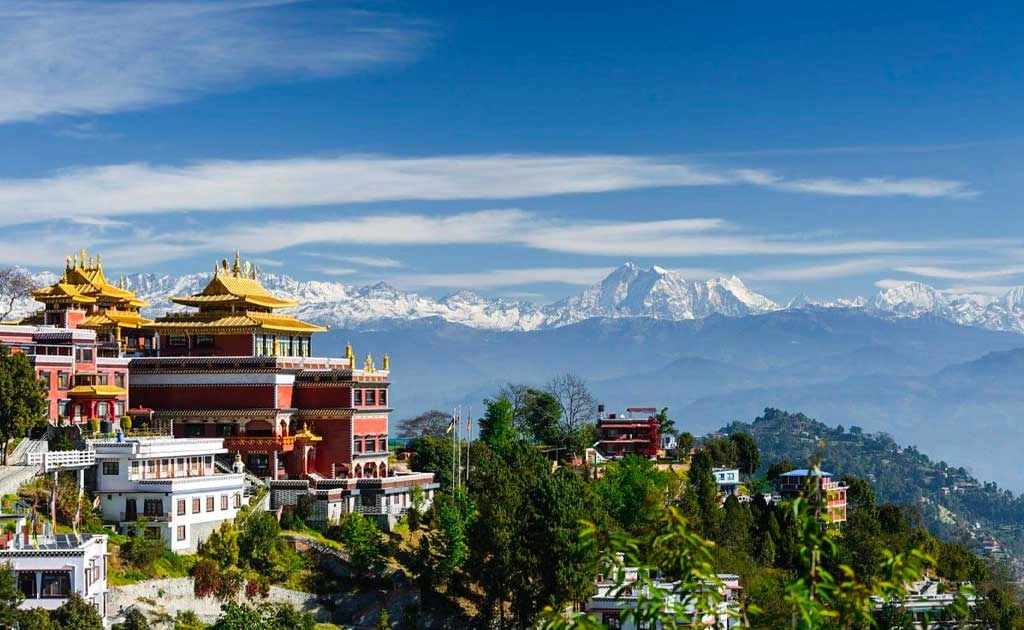
Along the way, meet local families and learn how they live. Expect friendly welcome, old customs, and the kind of culture you do not see on standard tours.
Start From
Get personalised guidance for any Nepal adventure — with expert planning and safety support.
We offer expert advice, flexible options, and tailor-made itineraries.

The Lumba Sumba Pass and Makalu Base Camp Trek was an incredible Himalayan adventure. The remote trails, traditional villages, dramatic mountain landscapes, and spectacular views of Makalu made the journey unforgettable. Our guide was experienced and supportive, especially during the challenging high-altitude sections.
Himalayan Smile Treks organized a fantastic Lumba Sumba Pass and Makalu Base Camp Trek. The route was peaceful and wonderfully remote, with beautiful forests, rugged valleys, and impressive Himalayan scenery. Crossing Lumba Sumba Pass was a major highlight, and our guide provided excellent support throughout the trek.
The Lumba Sumba Pass & Makalu Base Camp Trek exceeded my expectations. I loved the changing landscapes, from lush forests and rural villages to high alpine terrain. Reaching Makalu Base Camp was an unforgettable achievement. The professional organization and knowledgeable guide made this challenging trek much more enjoyable.
This was one of the most challenging and rewarding trekking experiences I have had in Nepal. The remote trails and spectacular views around Makalu were incredible. Lumba Sumba Pass added an exciting high-altitude challenge to the journey. Our experienced guide was attentive, professional, and supportive every day.
The Lumba Sumba Pass & Makalu Base Camp Trek with Himalayan Smile Treks was a truly memorable adventure. The combination of remote villages, rhododendron forests, high mountain passes, glaciers, and magnificent Makalu views was spectacular. Careful planning, professional logistics, and excellent guide support made the trek highly rewarding.

$
$3700
$
$3500
$


↑
.png "NTB")
.png "Pata")