Get OfferInquire

Annapurna Dhaulagiri Community Trail Trek

Country
Nepal

Duration
13 Days

Maximum altitude
3650 m.

Activity
Trekking

Difficulty
Easy / Moderate

Best Season
October - December, February - May

Accomodation
Mountain Lodge

Meals
Excluded

Start/End Point
Nayapul / Beni

Trek Overview

Trek Overview

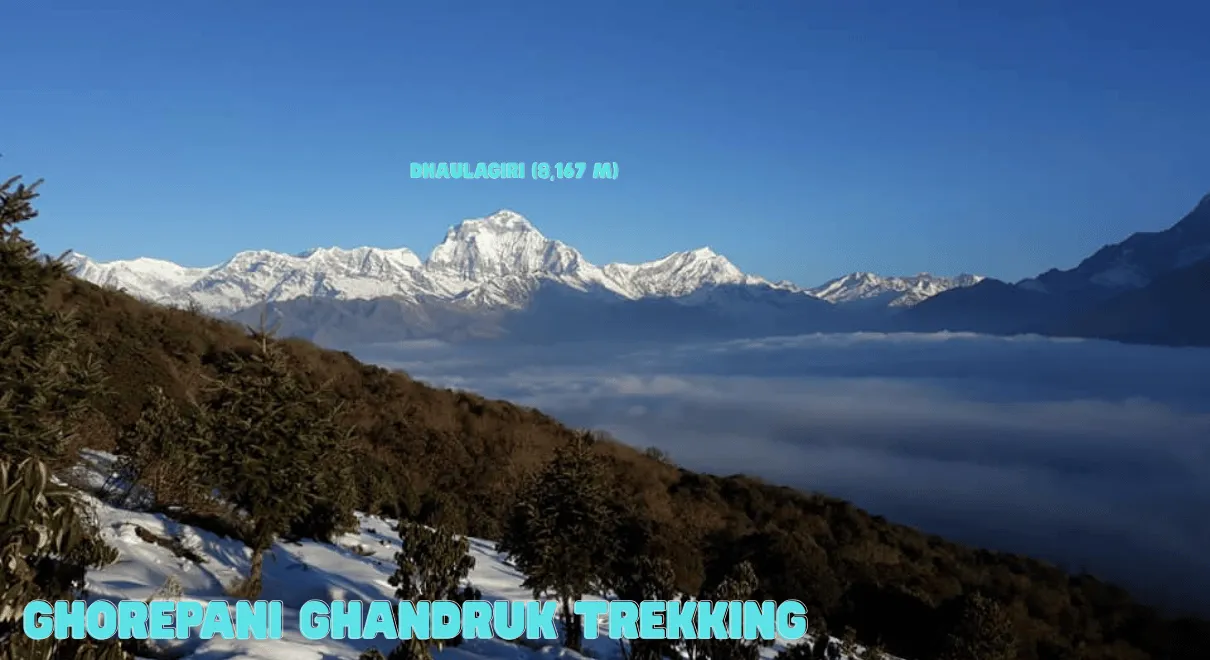
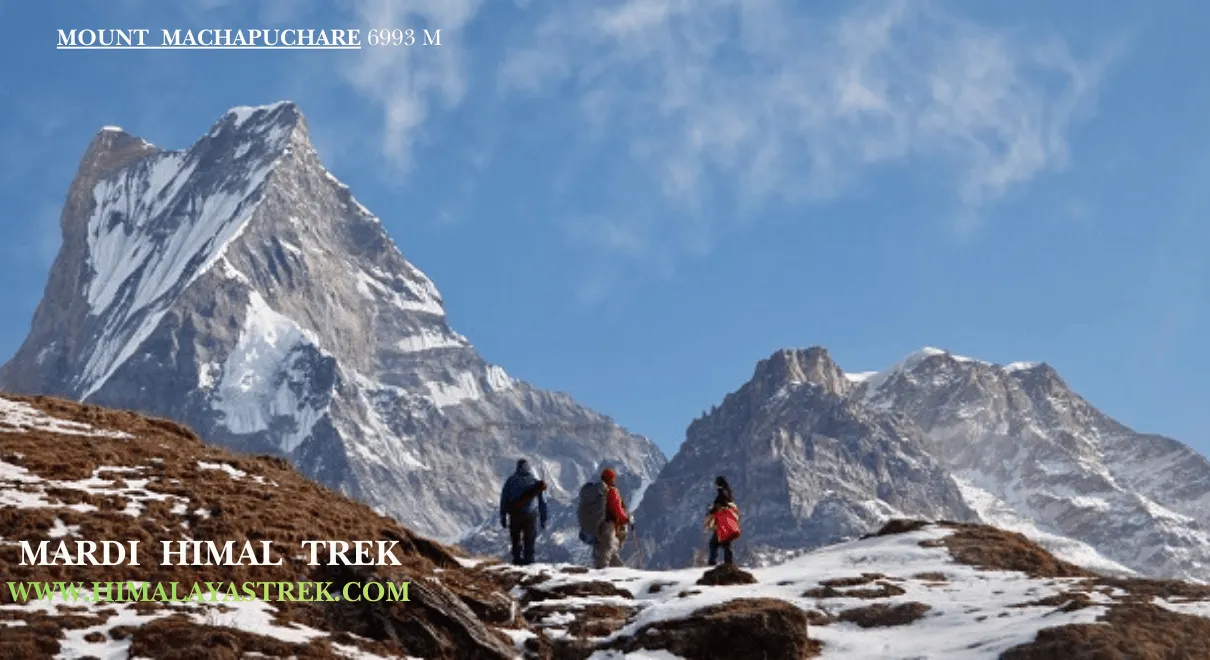
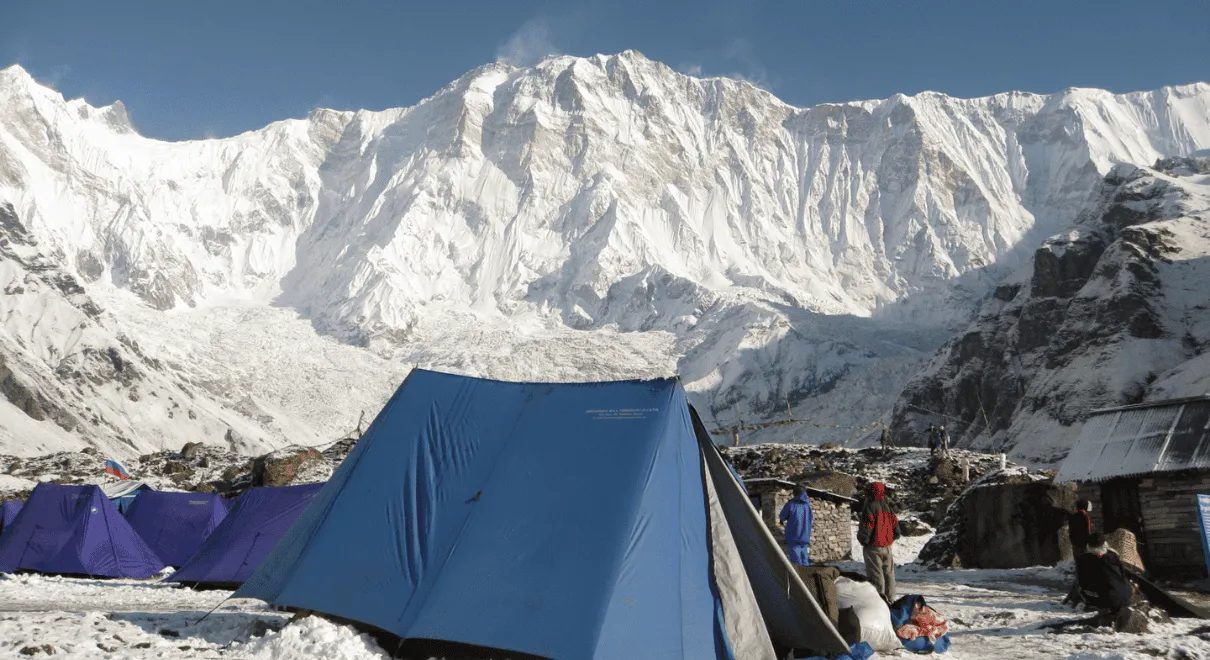
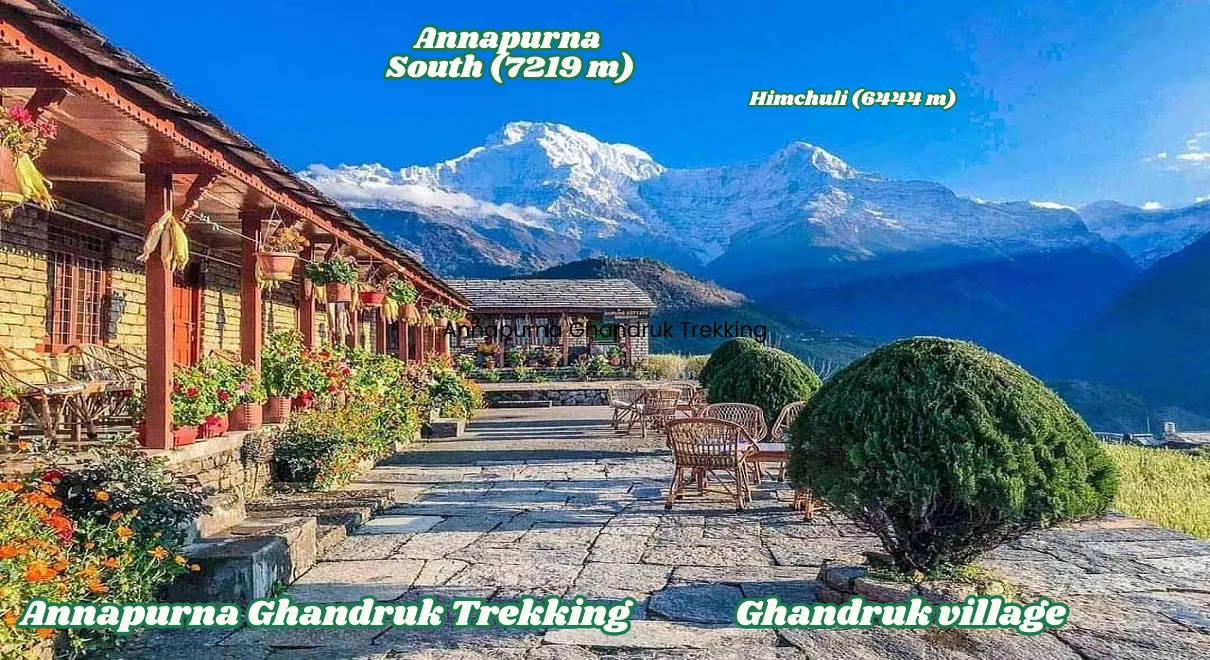
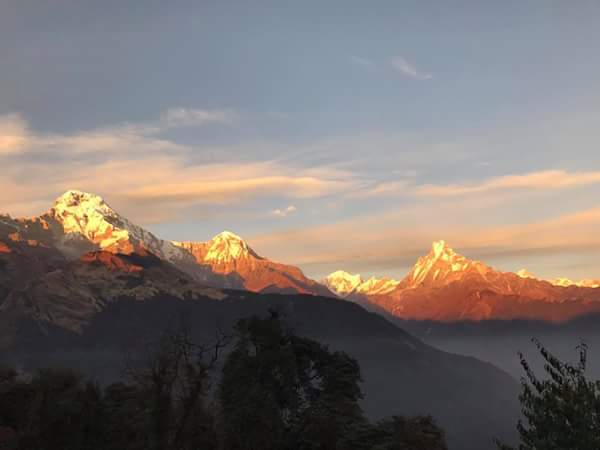
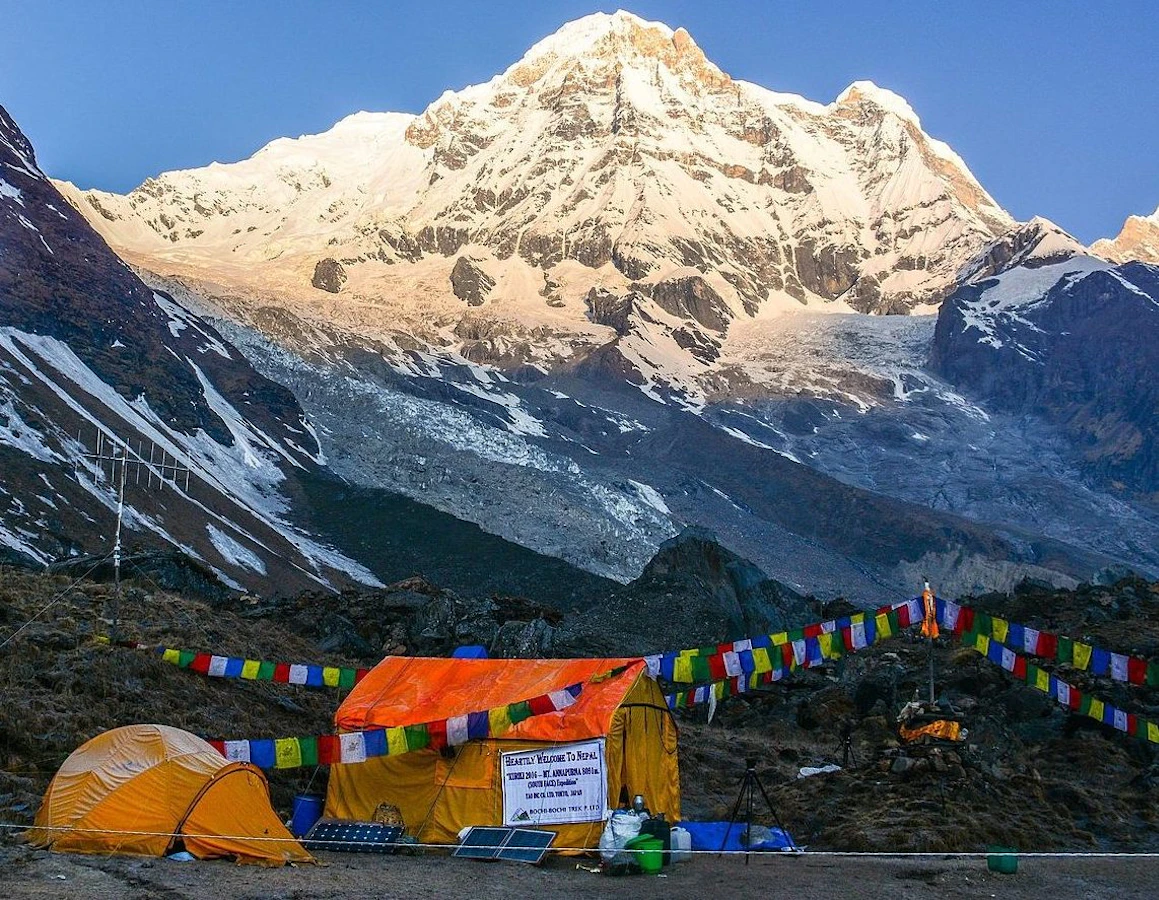
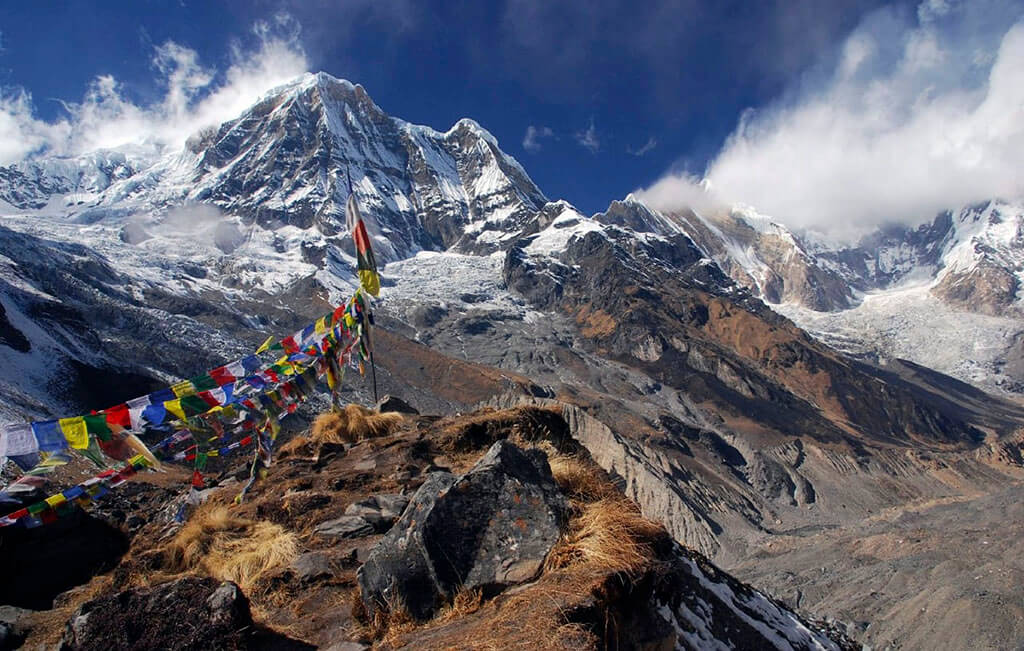
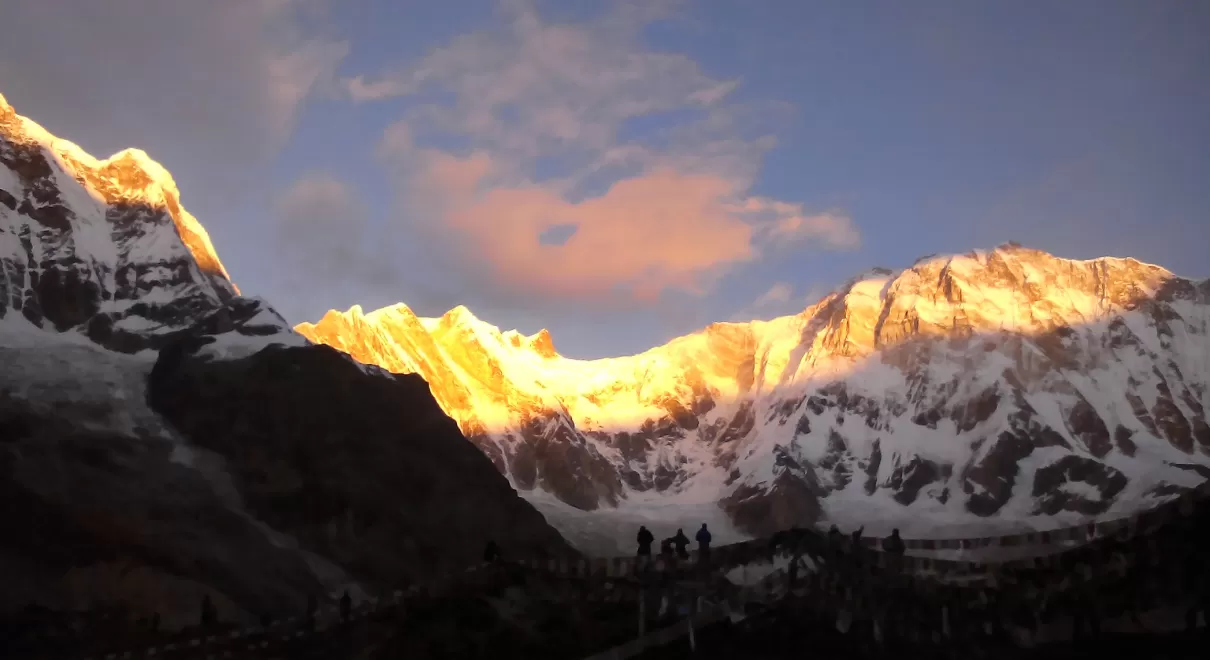
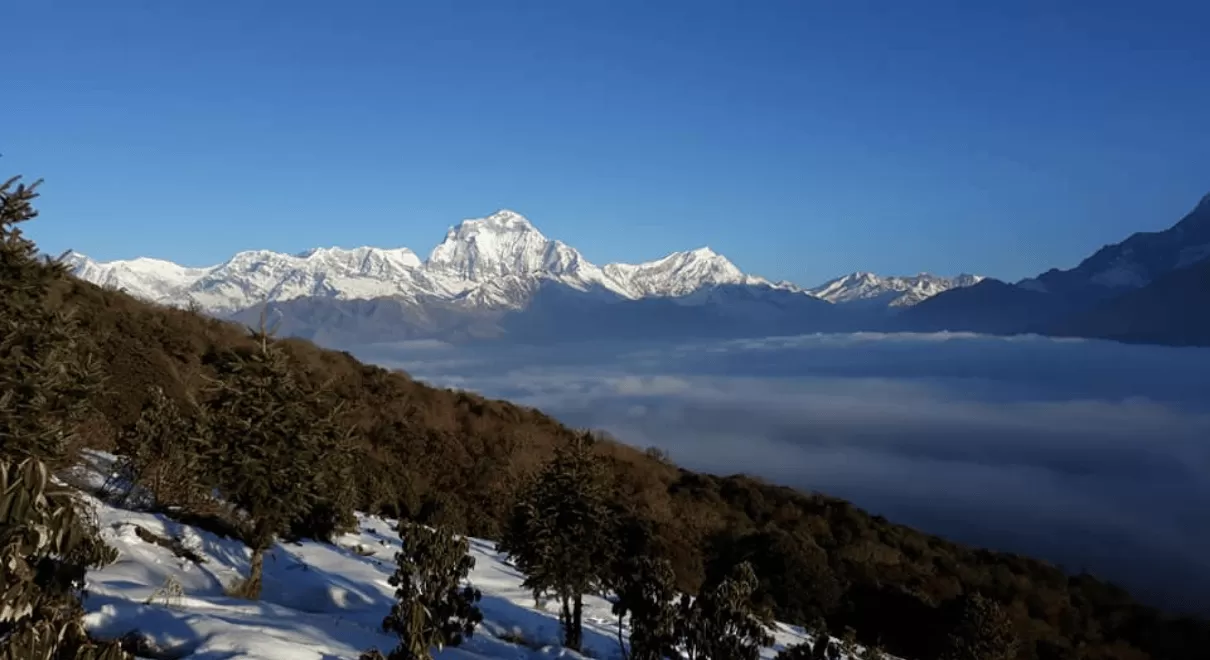
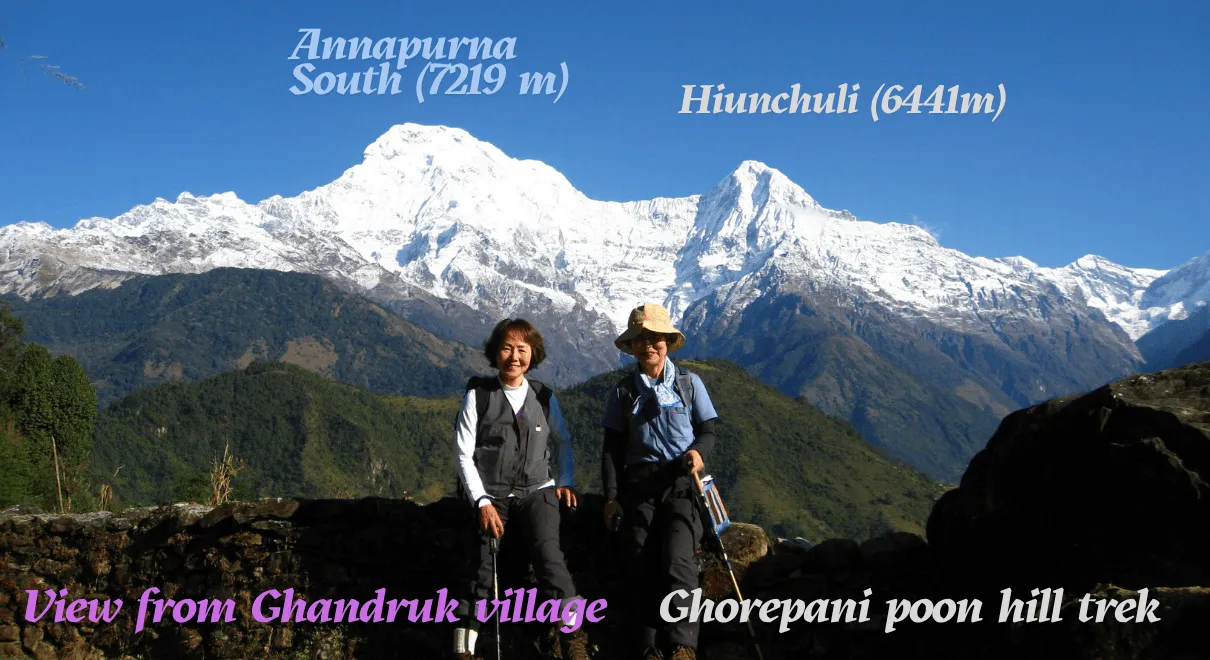
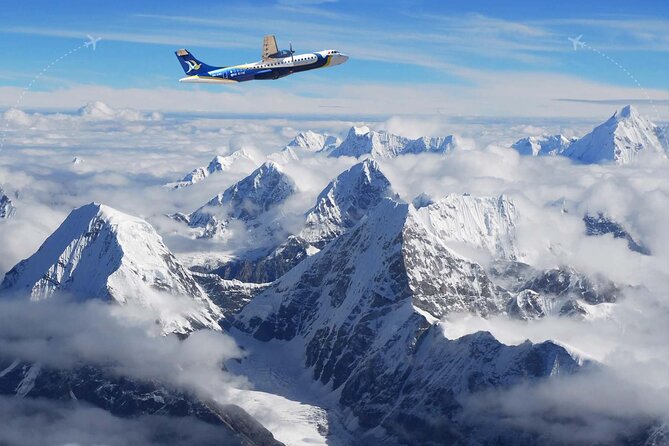
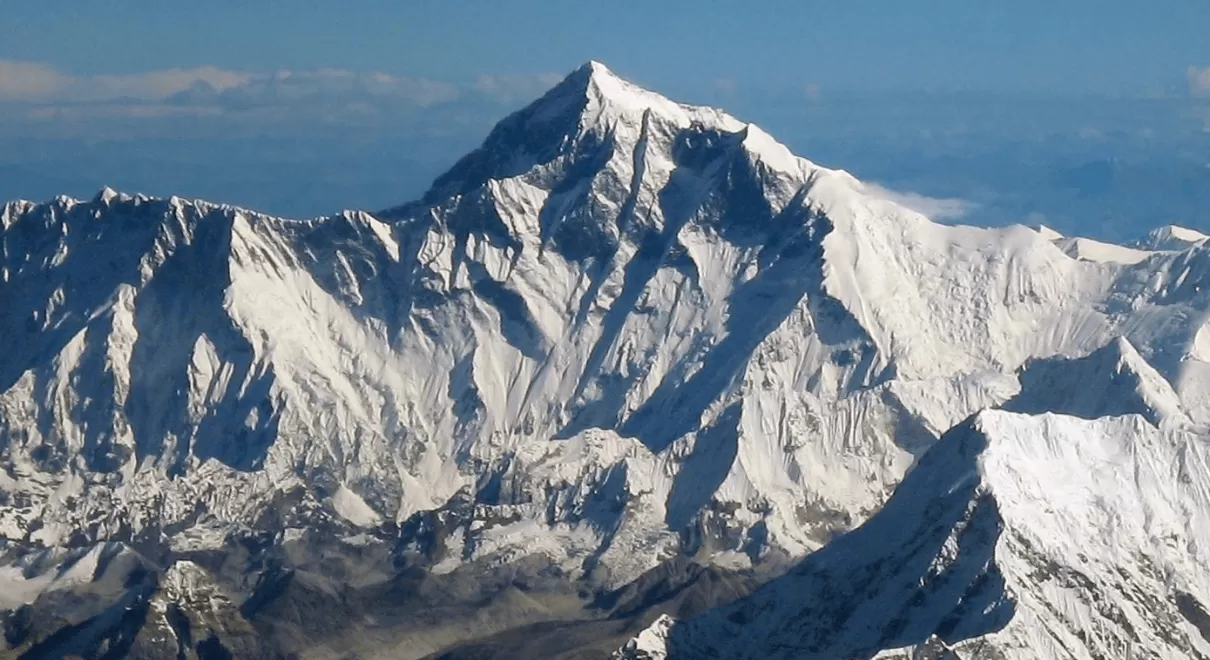
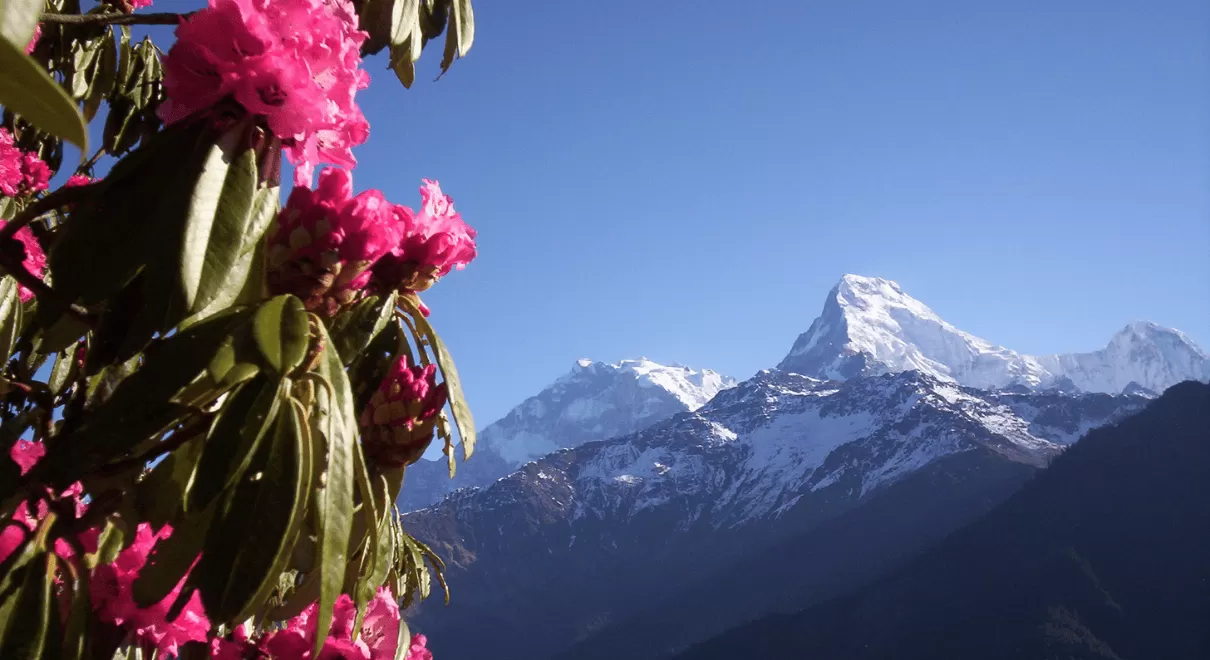
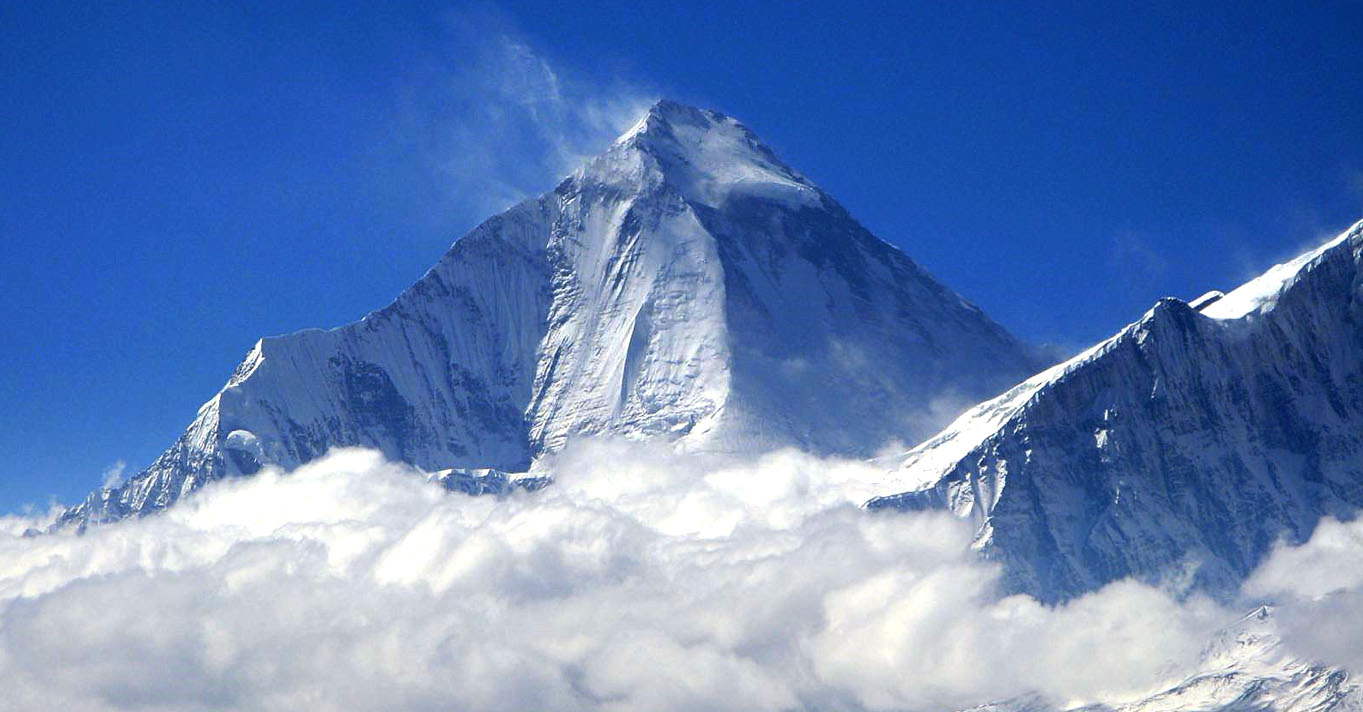
The Annapurna Dhaulagiri Community Trail trek is the newly opened community-based trekking trail in Nepal. The Dhaulagiri community now includes the establishment of five community lodges and a homestay program on this trekking route. This off-the-beaten-track tea house trekking route allows trekkers to observe Mount Dhaulagiri (8167 m), Annapurna I (8091 m), Fishtail / Machhapuchhre (6998 m), Nilgiri (7041 m), Annapurna South (7219 m), Annapurna II (7939 m), Annapurna III (7555 m), Annapurna IV (7525 m), Lamjung Himal (6988 m), etc.

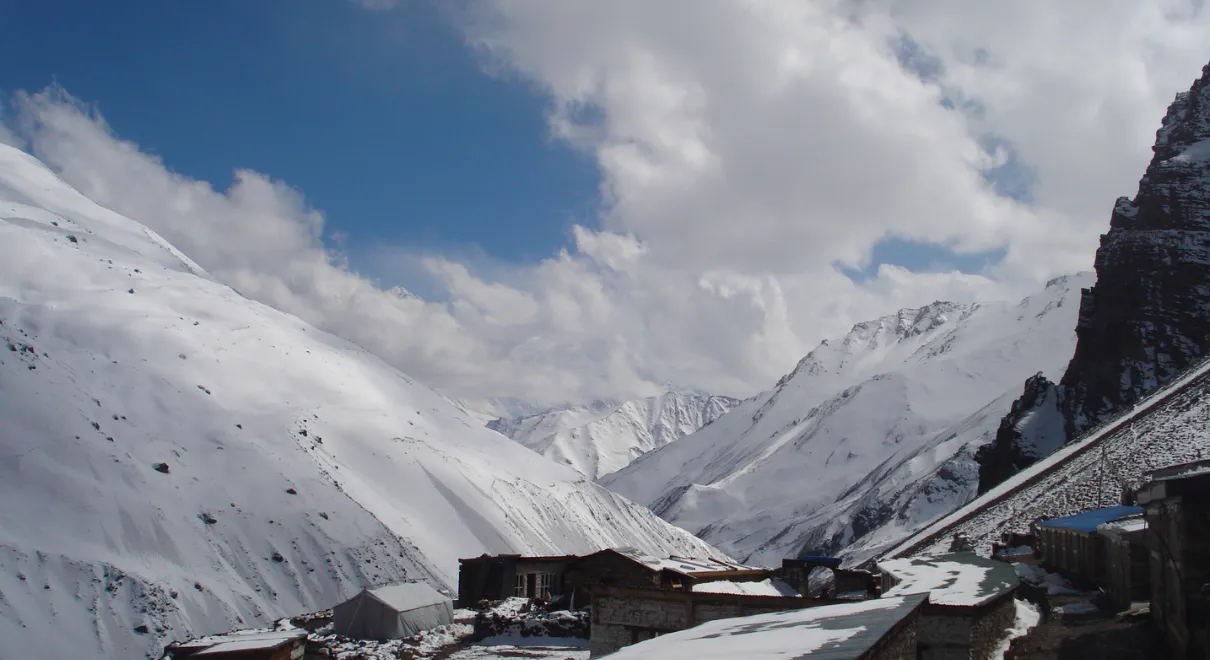
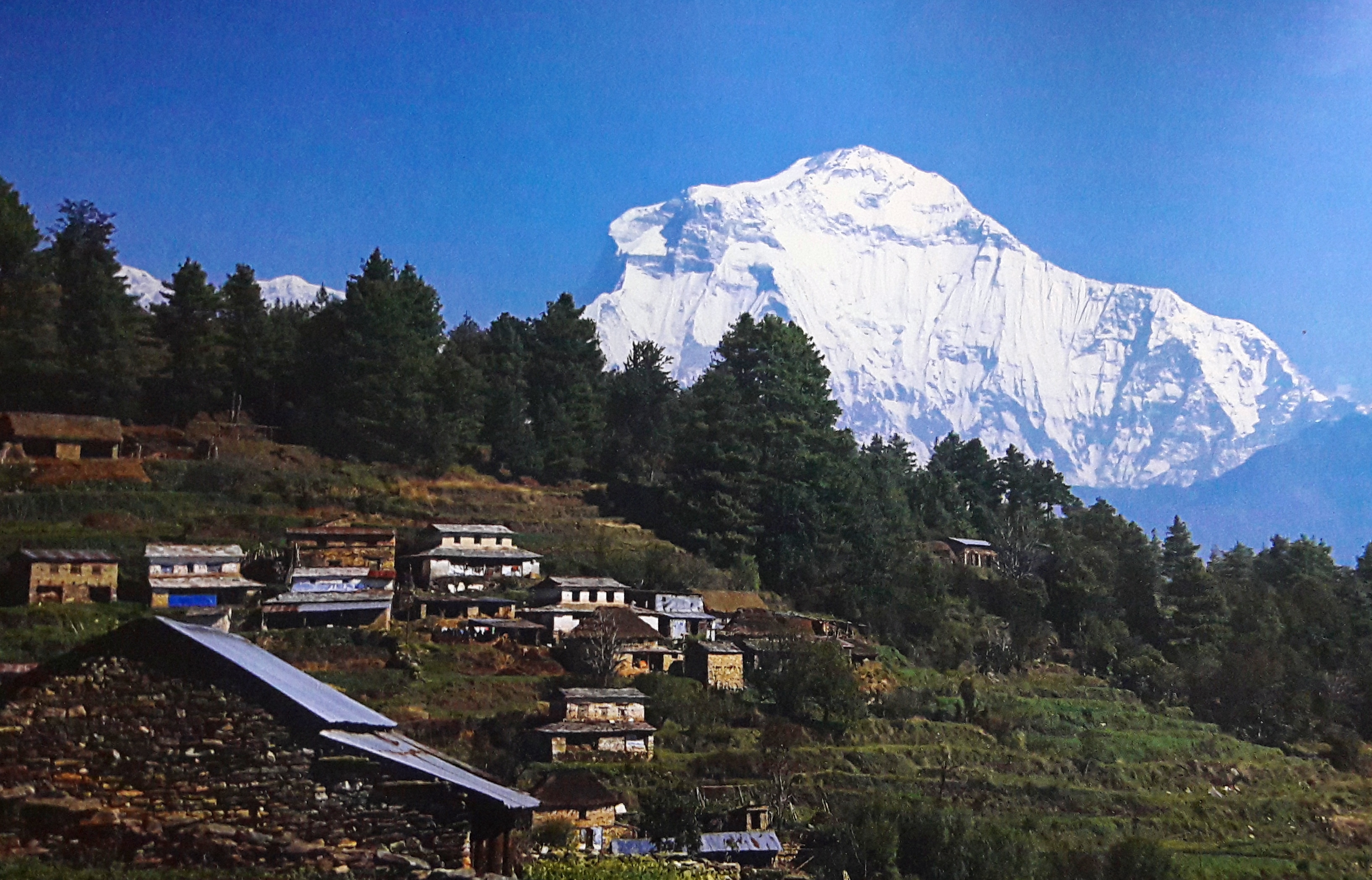
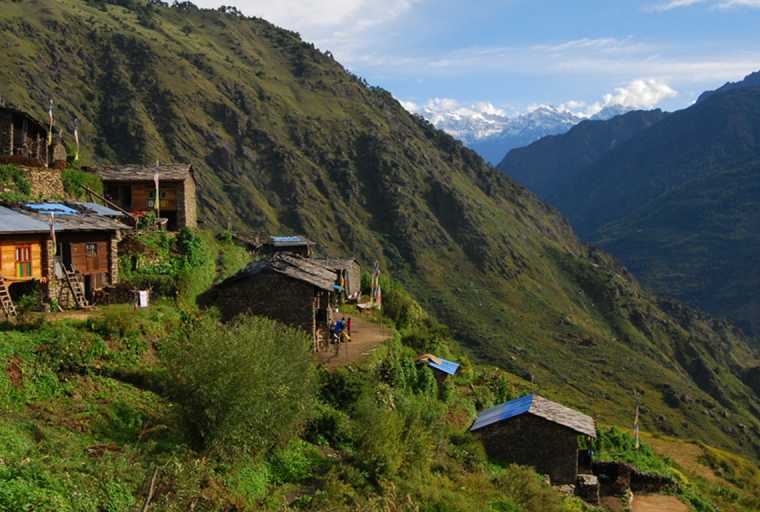
The Annapurna Dhaulagiri Community Trail trek goes through the Gurung and Magar villages around the hills and runs right along the Great Himalaya Lower Trail (Cultural Route). Himalayan Smile Treks & Adventure recommends this trek because the tea house is run by the community, so the benefits of your visit reach the whole community. That profit uses education and health.

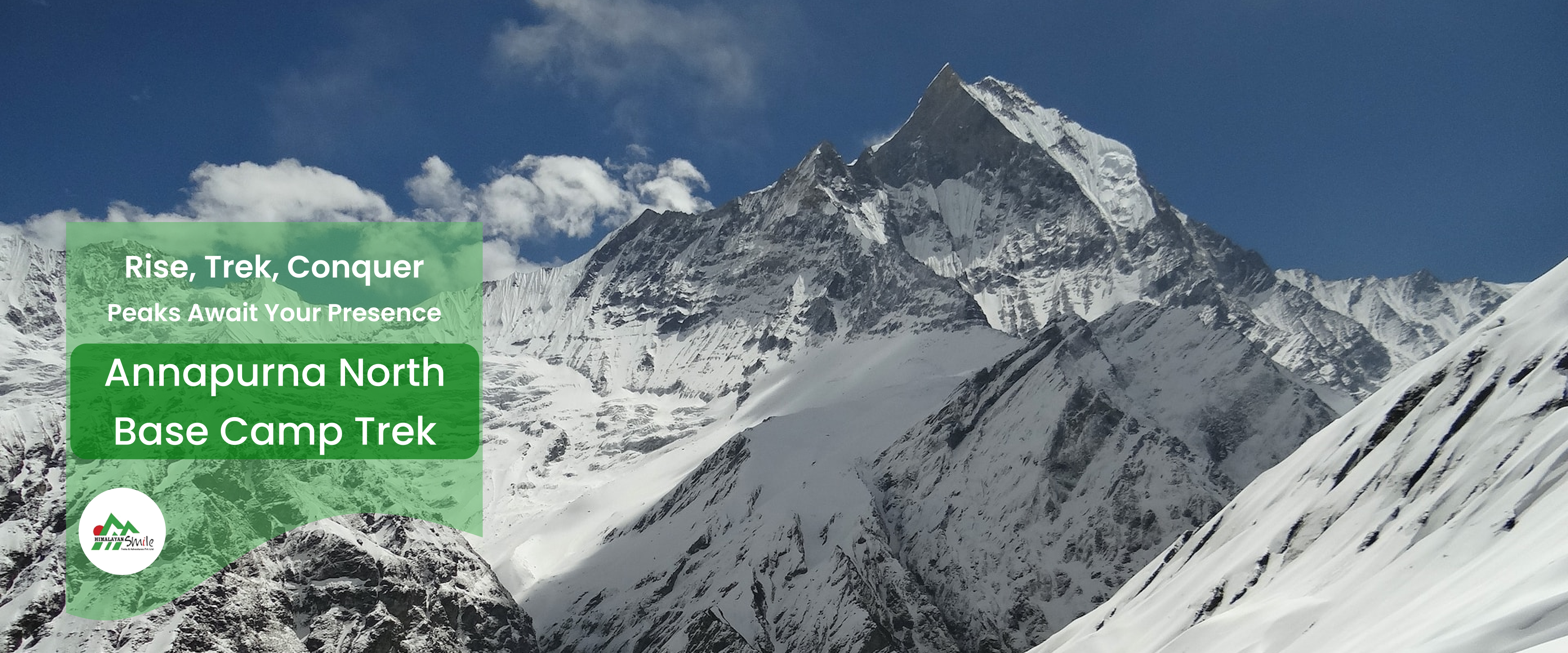
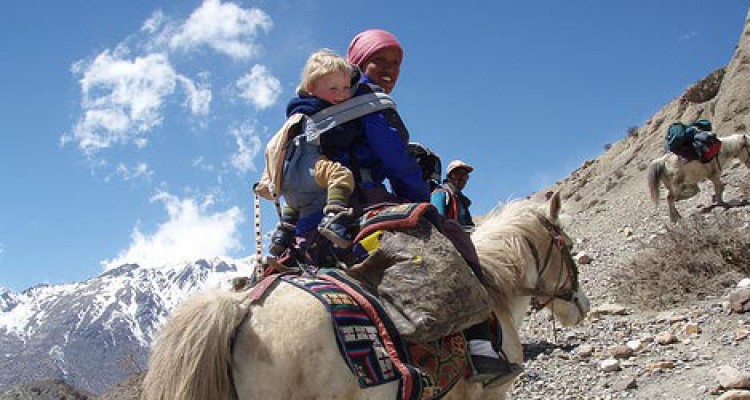
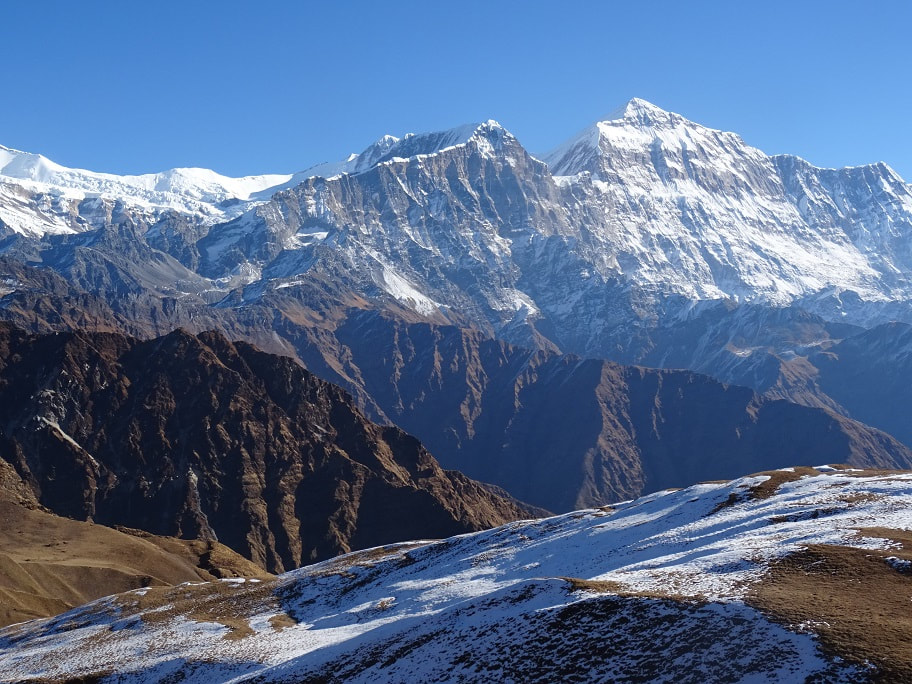
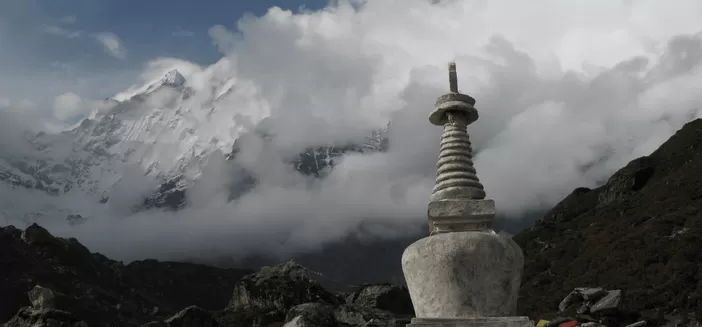
The Annapurna Dhaulagiri Community Trail trek offers great views from Kopra, the highest point of this trek (3,650 m), which are far better than those from the highly visited Poon Hill. From Kopra, the trekkers enjoy a spectacular view of Annapurna and Dhaulagiri. In Kopra Danda Ridge, the yaks are grazing in a grassy meadow in the backdrop of Annapurna South (7,219 m). The trail descends all the way to Beni, and the trek ends at Beni, followed by a scenic drive to Pokhara or Kathmandu.

How Your Annapurna Dhaulagiri Community Trail Trek Supports Local Communities

When you pick the Annapurna Dhaulagiri Community Trail Trek, your journey turns into something way more than a solo adventure… it sort of becomes a real contribution to the lives of the mountain communities you meet along the route.

Staying with villagers, not hotels

Instead of commercial hotels, you stay in local homestays, so you sleep right there with Magar and Thakali families. You feel their warmth, simplicity, and that real, unfiltered hospitality. Each night under a local roof puts money straight into family hands, and it helps support household incomes. At the same time, it nudges communities to keep their traditional way of life, instead of replacing it too quickly.

Eating foods that come from the area
Your meals are made with locally grown ingredients, old-school recipes, and cooking habits that have been passed through generations. You eat local dal bhat, homemade bread, fresh vegetables, and traditional Thakali cuisine. This means your plate directly supports local farmers, village markets, and even the kitchens inside family homes. Little things like this end up strengthening the local food economy as a whole.

Celebrating local culture
Your presence helps protect and keep indigenous cultural traditions alive. You see local handicrafts, festival customs, and ancestral know-how. For trekkers, it becomes more than sightseeing; it becomes a real cultural understanding. For the communities, it brings pride, recognition, and sustainable income for respectfully sharing that unique heritage.

All together, these small, meaningful connections mean your trek isn’t just moving through the landscape. It creates long-lasting positive results for every mountain community you encounter on this extraordinary trail.

Trek Highlights

Trek Highlights

A captivating seven-hour drive across Nepal’s stunning mid-hill scenery, river valleys, and terraced hillsides, reaching the gorgeous lakeside Pokhara.

Stroll peacefully around Pokhara’s magnificent Phewa Lake, and you’ll get to enjoy those stunning Annapurna reflections, bright wooden boats, plus the really breathtaking mountain backdrop all around, in that Himalayan kind of way.

Feel real mountain hospitality through authentic community lodge nights, immersive homestay programs, and warm, memorable meetings with wonderfully welcoming local villagers.

From Kopra’s magnificent summit, you get those jaw-dropping 360-degree views across surrounding Himalayan giants, deep valleys, and dramatically sweeping mountain scenery, all at 3,650 meters.

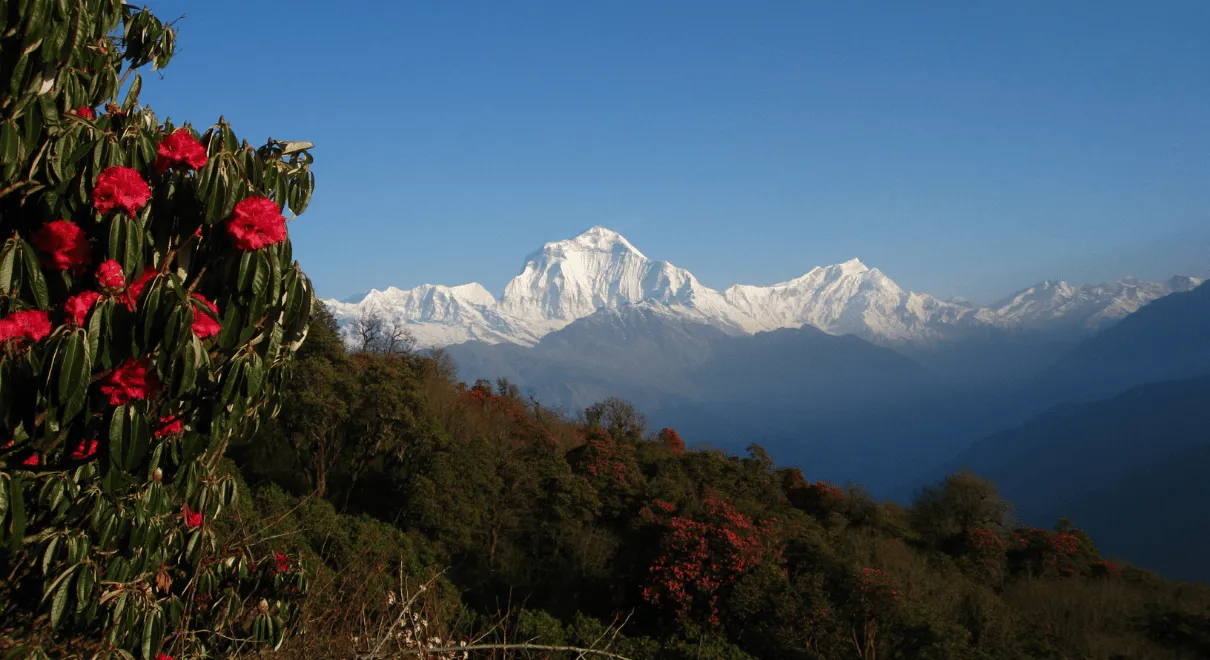
See spectacular unobstructed vistas of majestic Dhaulagiri, and the entire magnificent Annapurna Mountain range, sitting over the horizon in pure Himalayan grandeur.

Move along an enchanting rhododendron forest, bursting with vibrant seasonal blooms, so the trail becomes this spectacular natural floral canopy, right there beside the mountain path.

Wander around the charming Ghandrung village, get a taste of rich Gurung cultural heritage, see traditional architecture, and check the fascinating items inside the well-known Gurung community museum.

Marvel at Nepal’s iconic, beautifully shaped terraced rice fields and traditional farmhouses, which make this timeless, deeply picturesque rural Himalayan landscape.

Outline Itinerary

Outline Itinerary

Detailed Itinerary

Detailed Itinerary

Trek FAQs

FAQs
All foreign nationals, except Indian citizens, need visas to enter Nepal. You get Nepalese visa from Nepalese Embassy or consulate in your home country.
Yes, you can obtain your entry visa at Tribhuvan International Airport, Kathmandu upon your arrival.
You need a valid passport, two passport size photos and the visa fee.
Visa Valid for Fee 15 days US$ 25 30 days US$ 40 90 days US$ 100
Yes. You can book a trekking. For trek booking confirmation you can send scanning copy of your old passport. After issuing your new passport we will request you to send scanning copy of your new passport for air ticket reservation.
You are met just outside the arrival lounge of the Kathmandu International airport by our officer.
Our officer can be identified easily. They are standing with your name play card. After meeting you are taken to our private vehicle then transfer to the hotel. He also helps you in the hotel check in formalities.
According to airport rule as the visitors can meet our officer only outside the arrival lounge, you have to carry your luggage in the trolleys through the custom lobby up to the exit point on your own. After meeting our officer you can hand over it to him. He takes care of your luggage till your check in at the hotel.
You don’t need to carry all your stuff which is not required for trekking. You can be left at your hotel or Himalayan Smile Treks office in Kathmandu. Nearly all hotels have a luggage deposit but we do not store clients valuables in our office. Also the hotel you will provide locker their you can store your valuables things. After you come back from trekking, we handover your luggage and other stuff to you.
We assign one of our officers to look after you, who constantly stay in touch with you during your stay in Nepal. We give you his mobile number. Or you may directly contact to our office number also.
In fact you don’t need to be a mountaineer with rippling muscles to enjoy trekking. If you are reasonably fit, have a spirit of mountain journey and like walking, you are always qualified for any trekking in Nepal. You do not need any previous experience. However we suggest you some physical fitness programs such as running, swimming, hiking before you embark on journey.
Almost in all popular trekking trails in Nepal (Everest, Annapurna, Langtang), local villagers have built tea-house lodges. In tea house trek you stay at those mountain lodges and have breakfast, lunch and dinner in their restaurant. Normally the tea houses are more like hotels with hot showers, continental and Nepali food and comfortable private rooms (twin sharing). If you stay in local hotels, you will also get an opportunity to interact with local hoteliers and their family members and get information about their lifestyle and culture.
Toilets are usually Asian squat style and vary in how clean they are. Normally toilets are outside the lodge but now some lodges have attached or indoor toilets. Now it is improvement sanitary conditions on the tea houses although conditions are still not always perfect. Because cold the water is frozen in winter. Nearby has water tank or drum of the water with jug for toilet water. The rubbish bin in the toilet is kept for your used toilet paper.
If you’re doing camping trek we offer standard meals as well as a vegetarian meal option. Just let us know if you want vegetarian meals when you book your trek. But we can’t fulfill every trekkers requirement(i.e., dietary requirements or special meals ). Also tea house trekking you will get vegetarian meal. Please tell about your trekking guide about details of your food allergy.
If your solo trekkers we will provide you on single room in tea house. In peak season (October, November, December , March, April) you have to share room with a member of the same sex but it is rarely.
In a camping trek you will sleep in our tents. The tents are roomy. The sleeping pads/ mattresses are comfortable. All food are prepared and served by our camping crew. Food you get is hygienic and fresh.
You should bring your personal wear like walking boots and sand shoes, sandal, a water-and wind-proof jacket, woolen shirts, T-shirts, a thick pullover, shorts/skirts and trousers/track suits. Thermal underwear is necessary for high altitudes and cottons are best for lower and warmer altitudes. Also don’t forget a water bottle, sleeping bag, gloves, walking stick, knife and sewing kit, torch light with spare batteries, extra boot laces, sun glasses, sun cream, rain coat and personal medical supplies. Bring a duffel bag to put your clothing and equipments in. We provide you porter to carry your kit bag.
We will recommend you walking boots which is support to the ankle which reduces the risk of injury especially high mountains. It is important that your boots are comfortable and well worn-in and not brand new. Many people prefer to trek in tennis shoes but extra care should be taken. We do not recommend trekking in sandals or using new boots or hiring boots prior to the trek.
You will be served freshly cooked food during trekking. In all tea houses/ lodges along trekking trail Western, Continental and Nepali dishes are available. Three meals a day will be provided you in full board (Gold) package.
Up to a maximum of 5-6 hours a day with lunch breaks along the trail. The maximum altitude is depends upon which trek you are going. In Nepal normally the maximum altitude of most of the trekking falls between 3500m to 5000m.
The best time for trekking in Nepal is from mid September to early December and from March to April. Beside them in other months also you can do trekking in Nepal but in selected regions. In January and February the climate is colder. So, at that time high altitude trekking is not recommendable. For January and February, we suggest Langtang trekking, Ghorepani trekking, Jomsom Muktinath trekking. Likewise June July August is the rainy season in Nepal. During this time here occurs heavy rain fall. Mountain views are not clear. For this period we recommend Upper Mustang, Dolpo trekking. These are rain shadow areas where rain falls very little. June July August is also the best time for Tibet/ Lhasa Tour, Mt. Kailash Tour.
To some trekkers when they go over 3000 m they may feel some affect of altitude sickness like shortness of breath and possibly a light headed which is fairly common. Sometime they may also get diarrhea as well as sprains and muscle aches. In such case our guide who is experienced in first aid treatment and high altitude sickness will advise you about any health requirements and also treat you. Altitude sickness is dangerous but it can be avoidable. If your follow a few simple rules you will not suffer from altitude sickness. Rules are trek slowly with your guide, drink at least two liters of water per day (not including beer or soft drinks), If you feel shortness of breath, a slight headache or dizziness, tell your guide and rest immediately. Lie down, drink water. If you are still feeling unwell you may consider going down a few hundred meters. Do not pretend you are okay, and do not go down alone. For further information of altitude sickness.
You must disclose at the time of booking any medical condition that could affect your ability to do the Himalaya trekking. The Himalayan Smile Treks advise to do trek who has with heart conditions, knee problems, severe asthma or pregnant should not participate in the trek. The Himalayan Smile Treks could not be responsible in Himalaya trekking due to the lack of the medical facilities any problems due to your special dietary requirements or medical condition
There is no government restriction on the age limit for the Nepal trekking. If the trekkers children under the age of 8 years old and adults over 70 years old. The Himalayan Smile Treks recommend to hire an extra porter(our package price including one porter for two people).
Normally trekkers rarely have emergency case like serious mountain sickness. Because our staff do not let you have it. Sometime if there is an emergency incident a helicopter will be called to the spot. You will then be flown with our staff to Kathmandu and taken to the Hospital for treatment. But Helicopter rescue is costly. So we suggest all trekkers do travel insurance covering helicopter rescue and medical.
It is mandatory that all Clients obtain travel insurance while travelling with the Company and this insurance must cover personal injury, medical expenses, repatriation expenses and emergency evacuation expenses. It is strongly recommended the coverage be extended to include cancellation, curtailment, loss of belongings and all other expenses, which might arise as a result of loss, damage, injury, delay or inconvenience occurring to the Client. The Company shall have no liability for loss, theft of or damage to baggage or personal effects. We also let you know that Nepalese Insurance Company does not have travel insurance for foreign nationals. They have travel insurance only for Nepalese nationality. We advise you when you come to Nepal, please bring legal documents with you.
To conform your tour package according to the rule of our company, to confirm any trip you have to pay us 20% of total package as advance. We charge 20% just to pay for confirming your domestic flight, hotel booking and making necessary documents. The remaining 80% amount you should pay us after you arrive in Kathmandu.
If Your intended to do Everest base camp trekking we will recommend you out 3 months in advance. For Everest base camp trekking we have to reserve air ticket to Lukla. On Sept to Dec the air ticket sold out first cum first basis. For your kind information the Lukla flight are few airlines are operation in Nepal so that we will recommend you to reservation your trek as far in advance as possible as soon as you know the dates of your international flights.
We have insured all our trekking staff (guide, sirdar, porters and others).
The Himalayan Smile treks has been paying our porters a wage, transportation and insurance. The Himalayan Smile treks support on porters rights and have contributed regularly to campaign such as Porters Progress for improving porter welfare. It is important porter have warm cloth and proper trekking boots. The Himalayan Smile treks paid good wage relative to other professions wages in Nepal. We are donate a few percentage of our profits to community projects in the mountain region of Nepal where the many of the porter come from.
In our trek packages one porter is including for two people. The one porter can carry 20-25 kg your luggage( per person 12 KG). If you’re interested to hire extra porter we will recommend to hire in Lukla for Everest base camp trek. The porter cost approximately USD 15. If you want to hire a porter then please let us know at the time you make your trek booking. After Lukla it is very difficult to get porter. if your hire porter above the Lukla or Namche bazaar the porter cost USD 20 to 30 but they cannot always be reliable.
Nepal produces different types of bottled beers, which are excellent. They are very much like a lager. Some lodges have a good supply of local as well as foreign whisky, gin, vodka, rum and soft drinks. A local “wine” is produced in the hills which is served hot and resembles sake. If you have a special preference, buy it at a duty free shop on your way to Kathmandu.
You will require a light weight pair of boots that have rubber soles with thick tread and good ankle support. Hi-Tech and Nike produces good walking comfortable shoes.
As general rule, it is hot enough during the days to wear an open-neck shirt with shorts and you will not be cold. During the evening, it gets cold so, long trousers and a warm jersey is essential.
The government of no longer requires a trekking permit for Everest, Annapurna, Langtang, and some other regions. However, conservation permit or National park permits are required for these regions. There are few restricted trekking areas in Nepal, where trekking permits are required. But for trekking in any area you require to get TIMS Card. TIMS means Trekker’s information Management System. It costs USD 10 if you make it through trekking company. Otherwise it costs USD 20. We manage TIMS card to all trekkers going trekking with us.
Please consult your local doctor and follow his advice. However, if you are taking any particular medicines, it would be best to bring them with you.
There are trekking shops at Thamel, in Kathmandu, where you can easily rent or buy items like sleeping bags, down jackets, walking sticks, rucksacks, duffel bags and other equipments on reasonable price.
We will recommend you to rent or buy sleeping bags as low as -30 °C. This temperature is suitable for Everest base camp trekking(above 4000m). We will suggest to buy /rent sleeping bags and so you can try it out. Also you can rent /buy sleeping bag in Kathmandu trekking store.
If you are flying from a remote mountain airstrip like Lukla, Jomsom, Simikot, Taplejung and Dolpo, you should keep at least two spare days before your departure for home.
Trekking areas like Everest, Annapurna and Langtang, all most tea houses/ mountain lodges have telephone facilities. From there you can make international calls to your home and friends staying any part of the world.
Now most of international airlines tickets do not need reconfirmation. If your tickets require reconfirmation, please inform our representative before you go trekking or tour. He collects it for reconfirmation and return to you after you come back from trekking or tours.
Nepal is absolutely safe country to travel. Our staffs do take every precaution to ensure the comfort and safety of the trekkers. Before 2006 when Maoist movement was going on, there was a kind of fear in few trekking destinations. But today they have also come to peaceful political stream. So there is no more any fear and need to give donation for any party.
We offer you an experienced trekking guide. He is in charge of your overall trekking. This is the person you should go to with all problems, concerns and questions. He is well trained in all aspects of trekking, high altitude medicine, first aid and emergency procedure. He is selected in terms of his professionalism. Remember that trekking guides are local citizens and their English may be basic and limited to trek related topics. About porters, they carry your luggage. They are also local citizens. Normally one porter carries 20 to 25 kg of stuff. Normally we provide one porter for every two trekkers.
We have chosen accommodation options based on the following criteria: standard of hygiene, standard of service, location, food standards and cost. Normally for trekkers we give three star level hotels in Kathmandu as well as in Pokhara (For Annapurna Trekking). All accommodation is based on twin sharing with breakfast.
You are picked from your hotel 2-3 hours before the time of your departure flight.
During the day of departure at the appointment time our officer meets you in the lobby of the hotel where you are staying. He will help you to transfer to the airport.
You don't need to carry all your stuff which is not required for trekking. You can be left at your hotel or Himalayan Smile Treks office in Kathmandu. Nearly all hotels have a luggage deposit but we do not store clients valuables in our office. Also the hotel you will provide locker their you can store your valuables things. After you come back from trekking, we handover your luggage and other stuff to you.
We assign one of our officers to look after you, who constantly stay in touch with you during your stay in Nepal. We give you his mobile number. Or you may directly contact to our office number also.
In fact you don't need to be a mountaineer with rippling muscles to enjoy trekking. If you are reasonably fit, have a spirit of mountain journey and like walking, you are always qualified for any trekking in Nepal. You do not need any previous experience. However we suggest you some physical fitness programs such as running, swimming, hiking before you embark on journey.
If you're doing camping trek we offer standard meals as well as a vegetarian meal option. Just let us know if you want vegetarian meals when you book your trek. But we can't fulfill every trekkers requirement(i.e., dietary requirements or special meals ). Also tea house trekking you will get vegetarian meal. Please tell about your trekking guide about details of your food allergy.
If your solo trekkers we will provide you on single room in tea house. In peak season (October, November, December , March, April) you have to share room with a member of the same sex but it is rarely.
You will be served freshly cooked food during trekking. In all tea houses/ lodges along trekking trail Western, Continental and Nepali dishes are available. Three meals a day will be provided you in full board (Gold) package
Up to a maximum of 5-6 hours a day with lunch breaks along the trail. The maximum altitude is depends upon which trek you are going. In Nepal normally the maximum altitude of most of the trekking falls between 3500m to 5000m
To some trekkers when they go over 3000 m they may feel some affect of altitude sickness like shortness of breath and possibly a light headed which is fairly common. Sometime they may also get diarrhea as well as sprains and muscle aches. In such case our guide who is experienced in first aid treatment and high altitude sickness will advise you about any health requirements and also treat you. Altitude sickness is dangerous but it can be avoidable. If your follow a few simple rules you will not suffer from altitude sickness. Rules are trek slowly with your guide, drink at least two liters of water per day (not including beer or soft drinks), If you feel shortness of breath, a slight headache or dizziness, tell your guide and rest immediately. Lie down, drink water. If you are still feeling unwell you may consider going down a few hundred meters. Do not pretend you are okay, and do not go down alone. For further information of altitude sickness.
You must disclose at the time of booking any medical condition that could affect your ability to do the Himalaya trekking. The Himalayan Smile Treks advise to do trek who has with heart conditions, knee problems, severe asthma or pregnant should not participate in the trek. The Himalayan Smile Treks could not be responsible in Himalaya trekking due to the lack of the medical facilities any problems due to your special dietary requirements or medical condition
There is no government restriction on the age limit for the Nepal trekking. If the trekkers children under the age of 8 years old and adults over 70 years old. The Himalayan Smile Treks recommend to hire an extra porter(our package price including one porter for two people).
In our trek packages one porter is including for two people. The one porter can carry 20-25 kg your luggage( per person 12 KG). If you're interested to hire extra porter we will recommend to hire in Lukla for Everest base camp trek. The porter cost approximately USD 15. If you want to hire a porter then please let us know at the time you make your trek booking. After Lukla it is very difficult to get porter. if your hire porter above the Lukla or Namche bazaar the porter cost USD 20 to 30 but they cannot always be reliable.
As general rule, it is hot enough during the days to wear an open-neck shirt with shorts and you will not be cold. During the evening, it gets cold so, long trousers and a warm jersey is essential.
Please consult your local doctor and follow his advice. However, if you are taking any particular medicines, it would be best to bring them with you.
There are trekking shops at Thamel, in Kathmandu, where you can easily rent or buy items like sleeping bags, down jackets, walking sticks, rucksacks, duffel bags and other equipments on reasonable price.
We will recommend you to rent or buy sleeping bags as low as -30 °C. This temperature is suitable for Everest base camp trekking(above 4000m). We will suggest to buy /rent sleeping bags and so you can try it out. Also you can rent /buy sleeping bag in Kathmandu trekking store.
If you are flying from a remote mountain airstrip like Lukla, Jomsom, Simikot, Taplejung and Dolpo, you should keep at least two spare days before your departure for home.
Trekking areas like Everest, Annapurna and Langtang, all most tea houses/ mountain lodges have telephone facilities. From there you can make international calls to your home and friends staying any part of the world.
Nepal is absolutely safe country to travel. Our staffs do take every precaution to ensure the comfort and safety of the trekkers. Before 2006 when Maoist movement was going on, there was a kind of fear in few trekking destinations. But today they have also come to peaceful political stream. So there is no more any fear and need to give donation for any party.
We offer you an experienced trekking guide. He is in charge of your overall trekking. This is the person you should go to with all problems, concerns and questions. He is well trained in all aspects of trekking, high altitude medicine, first aid and emergency procedure. He is selected in terms of his professionalism. Remember that trekking guides are local citizens and their English may be basic and limited to trek related topics. About porters, they carry your luggage. They are also local citizens. Normally one porter carries 20 to 25 kg of stuff. Normally we provide one porter for every two trekkers.
Our group size is minimum 2 and maximum 12 however we will start trek from One people. We can organize trek according to customer requested date.
In Everest region trekking we offer you accommodation in tea house (mountain lodge). A Tea House is the combination of guest house, restaurant, and social hang out. The rooms are spare with twin beds and very little additional furniture. Around 5000 m trekking you don't need crampons but if you're going cross the high pass like Larkya la pass(5,235 m), Throng la Pass(5216 m) and Cho La Pass( 5,420 m) it is recommended. We will provide clean sleeping bag during the trekking.
Most of the Tea Houses have running water facility. Many of them also available hot water for shower. The hot shower is bucket shower(not running hot shower) except Namche bazaar. Most bathrooms are shared and toilets can be either squat type of the western version.
In tea House serves the traditional Nepali meal Dal Bhat (rice and lentils), as well as a variety of different food items, such as rice, vegetables, noodles, potatoes and soup. In tea house your will get vegetarian food. Also we will recommend to eat Vegetarian food. Also in tea house has western food such as pizza, pasta and French fries. Soft drinks, snacks and beer are available in most of the Tea Houses and trail side restaurants
You don't need to carry all your stuff which is not required for trekking. You can be left at your hotel or Himalayan Smile Treks office in Kathmandu. Nearly all hotels have a luggage deposit but we do not store clients valuables in our office. Also the hotel you will provide locker their you can store your valuables things. After you come back from trekking, we handover your luggage and other stuff to you.
We assign one of our officers to look after you, who constantly stay in touch with you during your stay in Nepal. We give you his mobile number. Or you may directly contact to our office number also.
In fact you don't need to be a mountaineer with rippling muscles to enjoy trekking. If you are reasonably fit, have a spirit of mountain journey and like walking, you are always qualified for any trekking in Nepal. You do not need any previous experience. However we suggest you some physical fitness programs such as running, swimming, hiking before you embark on journey.
If you're doing camping trek we offer standard meals as well as a vegetarian meal option. Just let us know if you want vegetarian meals when you book your trek. But we can't fulfill every trekkers requirement(i.e., dietary requirements or special meals ). Also tea house trekking you will get vegetarian meal. Please tell about your trekking guide about details of your food allergy.
If your solo trekkers we will provide you on single room in tea house. In peak season (October, November, December , March, April) you have to share room with a member of the same sex but it is rarely.
You will be served freshly cooked food during trekking. In all tea houses/ lodges along trekking trail Western, Continental and Nepali dishes are available. Three meals a day will be provided you in full board (Gold) package
Up to a maximum of 5-6 hours a day with lunch breaks along the trail. The maximum altitude is depends upon which trek you are going. In Nepal normally the maximum altitude of most of the trekking falls between 3500m to 5000m
To some trekkers when they go over 3000 m they may feel some affect of altitude sickness like shortness of breath and possibly a light headed which is fairly common. Sometime they may also get diarrhea as well as sprains and muscle aches. In such case our guide who is experienced in first aid treatment and high altitude sickness will advise you about any health requirements and also treat you. Altitude sickness is dangerous but it can be avoidable. If your follow a few simple rules you will not suffer from altitude sickness. Rules are trek slowly with your guide, drink at least two liters of water per day (not including beer or soft drinks), If you feel shortness of breath, a slight headache or dizziness, tell your guide and rest immediately. Lie down, drink water. If you are still feeling unwell you may consider going down a few hundred meters. Do not pretend you are okay, and do not go down alone. For further information of altitude sickness.
You must disclose at the time of booking any medical condition that could affect your ability to do the Himalaya trekking. The Himalayan Smile Treks advise to do trek who has with heart conditions, knee problems, severe asthma or pregnant should not participate in the trek. The Himalayan Smile Treks could not be responsible in Himalaya trekking due to the lack of the medical facilities any problems due to your special dietary requirements or medical condition
There is no government restriction on the age limit for the Nepal trekking. If the trekkers children under the age of 8 years old and adults over 70 years old. The Himalayan Smile Treks recommend to hire an extra porter(our package price including one porter for two people).
In our trek packages one porter is including for two people. The one porter can carry 20-25 kg your luggage( per person 12 KG). If you're interested to hire extra porter we will recommend to hire in Lukla for Everest base camp trek. The porter cost approximately USD 15. If you want to hire a porter then please let us know at the time you make your trek booking. After Lukla it is very difficult to get porter. if your hire porter above the Lukla or Namche bazaar the porter cost USD 20 to 30 but they cannot always be reliable.
As general rule, it is hot enough during the days to wear an open-neck shirt with shorts and you will not be cold. During the evening, it gets cold so, long trousers and a warm jersey is essential.
Please consult your local doctor and follow his advice. However, if you are taking any particular medicines, it would be best to bring them with you.
There are trekking shops at Thamel, in Kathmandu, where you can easily rent or buy items like sleeping bags, down jackets, walking sticks, rucksacks, duffel bags and other equipments on reasonable price.
We will recommend you to rent or buy sleeping bags as low as -30 °C. This temperature is suitable for Everest base camp trekking(above 4000m). We will suggest to buy /rent sleeping bags and so you can try it out. Also you can rent /buy sleeping bag in Kathmandu trekking store.
If you are flying from a remote mountain airstrip like Lukla, Jomsom, Simikot, Taplejung and Dolpo, you should keep at least two spare days before your departure for home.
Trekking areas like Everest, Annapurna and Langtang, all most tea houses/ mountain lodges have telephone facilities. From there you can make international calls to your home and friends staying any part of the world.
Nepal is absolutely safe country to travel. Our staffs do take every precaution to ensure the comfort and safety of the trekkers. Before 2006 when Maoist movement was going on, there was a kind of fear in few trekking destinations. But today they have also come to peaceful political stream. So there is no more any fear and need to give donation for any party.
We offer you an experienced trekking guide. He is in charge of your overall trekking. This is the person you should go to with all problems, concerns and questions. He is well trained in all aspects of trekking, high altitude medicine, first aid and emergency procedure. He is selected in terms of his professionalism. Remember that trekking guides are local citizens and their English may be basic and limited to trek related topics. About porters, they carry your luggage. They are also local citizens. Normally one porter carries 20 to 25 kg of stuff. Normally we provide one porter for every two trekkers.
Our group size is minimum 2 and maximum 12 however we will start trek from One people. We can organize trek according to customer requested date.
In Everest region trekking we offer you accommodation in tea house (mountain lodge). A Tea House is the combination of guest house, restaurant, and social hang out. The rooms are spare with twin beds and very little additional furniture. Around 5000 m trekking you don't need crampons but if you're going cross the high pass like Larkya la pass(5,235 m), Throng la Pass(5216 m) and Cho La Pass( 5,420 m) it is recommended. We will provide clean sleeping bag during the trekking.
Most of the Tea Houses have running water facility. Many of them also available hot water for shower. The hot shower is bucket shower(not running hot shower) except Namche bazaar. Most bathrooms are shared and toilets can be either squat type of the western version.
In tea House serves the traditional Nepali meal Dal Bhat (rice and lentils), as well as a variety of different food items, such as rice, vegetables, noodles, potatoes and soup. In tea house your will get vegetarian food. Also we will recommend to eat Vegetarian food. Also in tea house has western food such as pizza, pasta and French fries. Soft drinks, snacks and beer are available in most of the Tea Houses and trail side restaurants
You don't need to carry all your stuff which is not required for trekking. You can be left at your hotel or Himalayan Smile Treks office in Kathmandu. Nearly all hotels have a luggage deposit but we do not store clients valuables in our office. Also the hotel you will provide locker their you can store your valuables things. After you come back from trekking, we handover your luggage and other stuff to you.
We assign one of our officers to look after you, who constantly stay in touch with you during your stay in Nepal. We give you his mobile number. Or you may directly contact to our office number also.
In fact you don't need to be a mountaineer with rippling muscles to enjoy trekking. If you are reasonably fit, have a spirit of mountain journey and like walking, you are always qualified for any trekking in Nepal. You do not need any previous experience. However we suggest you some physical fitness programs such as running, swimming, hiking before you embark on journey.
If you're doing camping trek we offer standard meals as well as a vegetarian meal option. Just let us know if you want vegetarian meals when you book your trek. But we can't fulfill every trekkers requirement(i.e., dietary requirements or special meals ). Also tea house trekking you will get vegetarian meal. Please tell about your trekking guide about details of your food allergy.
If your solo trekkers we will provide you on single room in tea house. In peak season (October, November, December , March, April) you have to share room with a member of the same sex but it is rarely.
You will be served freshly cooked food during trekking. In all tea houses/ lodges along trekking trail Western, Continental and Nepali dishes are available. Three meals a day will be provided you in full board (Gold) package
Up to a maximum of 5-6 hours a day with lunch breaks along the trail. The maximum altitude is depends upon which trek you are going. In Nepal normally the maximum altitude of most of the trekking falls between 3500m to 5000m
To some trekkers when they go over 3000 m they may feel some affect of altitude sickness like shortness of breath and possibly a light headed which is fairly common. Sometime they may also get diarrhea as well as sprains and muscle aches. In such case our guide who is experienced in first aid treatment and high altitude sickness will advise you about any health requirements and also treat you. Altitude sickness is dangerous but it can be avoidable. If your follow a few simple rules you will not suffer from altitude sickness. Rules are trek slowly with your guide, drink at least two liters of water per day (not including beer or soft drinks), If you feel shortness of breath, a slight headache or dizziness, tell your guide and rest immediately. Lie down, drink water. If you are still feeling unwell you may consider going down a few hundred meters. Do not pretend you are okay, and do not go down alone. For further information of altitude sickness.
You must disclose at the time of booking any medical condition that could affect your ability to do the Himalaya trekking. The Himalayan Smile Treks advise to do trek who has with heart conditions, knee problems, severe asthma or pregnant should not participate in the trek. The Himalayan Smile Treks could not be responsible in Himalaya trekking due to the lack of the medical facilities any problems due to your special dietary requirements or medical condition
There is no government restriction on the age limit for the Nepal trekking. If the trekkers children under the age of 8 years old and adults over 70 years old. The Himalayan Smile Treks recommend to hire an extra porter(our package price including one porter for two people).
In our trek packages one porter is including for two people. The one porter can carry 20-25 kg your luggage( per person 12 KG). If you're interested to hire extra porter we will recommend to hire in Lukla for Everest base camp trek. The porter cost approximately USD 15. If you want to hire a porter then please let us know at the time you make your trek booking. After Lukla it is very difficult to get porter. if your hire porter above the Lukla or Namche bazaar the porter cost USD 20 to 30 but they cannot always be reliable.
As general rule, it is hot enough during the days to wear an open-neck shirt with shorts and you will not be cold. During the evening, it gets cold so, long trousers and a warm jersey is essential.
Please consult your local doctor and follow his advice. However, if you are taking any particular medicines, it would be best to bring them with you.
There are trekking shops at Thamel, in Kathmandu, where you can easily rent or buy items like sleeping bags, down jackets, walking sticks, rucksacks, duffel bags and other equipments on reasonable price.
We will recommend you to rent or buy sleeping bags as low as -30 °C. This temperature is suitable for Everest base camp trekking(above 4000m). We will suggest to buy /rent sleeping bags and so you can try it out. Also you can rent /buy sleeping bag in Kathmandu trekking store.
If you are flying from a remote mountain airstrip like Lukla, Jomsom, Simikot, Taplejung and Dolpo, you should keep at least two spare days before your departure for home.
Trekking areas like Everest, Annapurna and Langtang, all most tea houses/ mountain lodges have telephone facilities. From there you can make international calls to your home and friends staying any part of the world.
Nepal is absolutely safe country to travel. Our staffs do take every precaution to ensure the comfort and safety of the trekkers. Before 2006 when Maoist movement was going on, there was a kind of fear in few trekking destinations. But today they have also come to peaceful political stream. So there is no more any fear and need to give donation for any party.
We offer you an experienced trekking guide. He is in charge of your overall trekking. This is the person you should go to with all problems, concerns and questions. He is well trained in all aspects of trekking, high altitude medicine, first aid and emergency procedure. He is selected in terms of his professionalism. Remember that trekking guides are local citizens and their English may be basic and limited to trek related topics. About porters, they carry your luggage. They are also local citizens. Normally one porter carries 20 to 25 kg of stuff. Normally we provide one porter for every two trekkers.
Our group size is minimum 2 and maximum 12 however we will start trek from One people. We can organize trek according to customer requested date.
In Everest region trekking we offer you accommodation in tea house (mountain lodge). A Tea House is the combination of guest house, restaurant, and social hang out. The rooms are spare with twin beds and very little additional furniture. Around 5000 m trekking you don't need crampons but if you're going cross the high pass like Larkya la pass(5,235 m), Throng la Pass(5216 m) and Cho La Pass( 5,420 m) it is recommended. We will provide clean sleeping bag during the trekking.
Most of the Tea Houses have running water facility. Many of them also available hot water for shower. The hot shower is bucket shower(not running hot shower) except Namche bazaar. Most bathrooms are shared and toilets can be either squat type of the western version.
In tea House serves the traditional Nepali meal Dal Bhat (rice and lentils), as well as a variety of different food items, such as rice, vegetables, noodles, potatoes and soup. In tea house your will get vegetarian food. Also we will recommend to eat Vegetarian food. Also in tea house has western food such as pizza, pasta and French fries. Soft drinks, snacks and beer are available in most of the Tea Houses and trail side restaurants
You don't need to carry all your stuff which is not required for trekking. You can be left at your hotel or Himalayan Smile Treks office in Kathmandu. Nearly all hotels have a luggage deposit but we do not store clients valuables in our office. Also the hotel you will provide locker their you can store your valuables things. After you come back from trekking, we handover your luggage and other stuff to you.
We assign one of our officers to look after you, who constantly stay in touch with you during your stay in Nepal. We give you his mobile number. Or you may directly contact to our office number also.
In fact you don't need to be a mountaineer with rippling muscles to enjoy trekking. If you are reasonably fit, have a spirit of mountain journey and like walking, you are always qualified for any trekking in Nepal. You do not need any previous experience. However we suggest you some physical fitness programs such as running, swimming, hiking before you embark on journey.
If you're doing camping trek we offer standard meals as well as a vegetarian meal option. Just let us know if you want vegetarian meals when you book your trek. But we can't fulfill every trekkers requirement(i.e., dietary requirements or special meals ). Also tea house trekking you will get vegetarian meal. Please tell about your trekking guide about details of your food allergy.
If your solo trekkers we will provide you on single room in tea house. In peak season (October, November, December , March, April) you have to share room with a member of the same sex but it is rarely.
You will be served freshly cooked food during trekking. In all tea houses/ lodges along trekking trail Western, Continental and Nepali dishes are available. Three meals a day will be provided you in full board (Gold) package
Up to a maximum of 5-6 hours a day with lunch breaks along the trail. The maximum altitude is depends upon which trek you are going. In Nepal normally the maximum altitude of most of the trekking falls between 3500m to 5000m
To some trekkers when they go over 3000 m they may feel some affect of altitude sickness like shortness of breath and possibly a light headed which is fairly common. Sometime they may also get diarrhea as well as sprains and muscle aches. In such case our guide who is experienced in first aid treatment and high altitude sickness will advise you about any health requirements and also treat you. Altitude sickness is dangerous but it can be avoidable. If your follow a few simple rules you will not suffer from altitude sickness. Rules are trek slowly with your guide, drink at least two liters of water per day (not including beer or soft drinks), If you feel shortness of breath, a slight headache or dizziness, tell your guide and rest immediately. Lie down, drink water. If you are still feeling unwell you may consider going down a few hundred meters. Do not pretend you are okay, and do not go down alone. For further information of altitude sickness.
You must disclose at the time of booking any medical condition that could affect your ability to do the Himalaya trekking. The Himalayan Smile Treks advise to do trek who has with heart conditions, knee problems, severe asthma or pregnant should not participate in the trek. The Himalayan Smile Treks could not be responsible in Himalaya trekking due to the lack of the medical facilities any problems due to your special dietary requirements or medical condition
There is no government restriction on the age limit for the Nepal trekking. If the trekkers children under the age of 8 years old and adults over 70 years old. The Himalayan Smile Treks recommend to hire an extra porter(our package price including one porter for two people).
In our trek packages one porter is including for two people. The one porter can carry 20-25 kg your luggage( per person 12 KG). If you're interested to hire extra porter we will recommend to hire in Lukla for Everest base camp trek. The porter cost approximately USD 15. If you want to hire a porter then please let us know at the time you make your trek booking. After Lukla it is very difficult to get porter. if your hire porter above the Lukla or Namche bazaar the porter cost USD 20 to 30 but they cannot always be reliable.
As general rule, it is hot enough during the days to wear an open-neck shirt with shorts and you will not be cold. During the evening, it gets cold so, long trousers and a warm jersey is essential.
Please consult your local doctor and follow his advice. However, if you are taking any particular medicines, it would be best to bring them with you.
There are trekking shops at Thamel, in Kathmandu, where you can easily rent or buy items like sleeping bags, down jackets, walking sticks, rucksacks, duffel bags and other equipments on reasonable price.
We will recommend you to rent or buy sleeping bags as low as -30 °C. This temperature is suitable for Everest base camp trekking(above 4000m). We will suggest to buy /rent sleeping bags and so you can try it out. Also you can rent /buy sleeping bag in Kathmandu trekking store.
If you are flying from a remote mountain airstrip like Lukla, Jomsom, Simikot, Taplejung and Dolpo, you should keep at least two spare days before your departure for home.
Trekking areas like Everest, Annapurna and Langtang, all most tea houses/ mountain lodges have telephone facilities. From there you can make international calls to your home and friends staying any part of the world.
Nepal is absolutely safe country to travel. Our staffs do take every precaution to ensure the comfort and safety of the trekkers. Before 2006 when Maoist movement was going on, there was a kind of fear in few trekking destinations. But today they have also come to peaceful political stream. So there is no more any fear and need to give donation for any party.
We offer you an experienced trekking guide. He is in charge of your overall trekking. This is the person you should go to with all problems, concerns and questions. He is well trained in all aspects of trekking, high altitude medicine, first aid and emergency procedure. He is selected in terms of his professionalism. Remember that trekking guides are local citizens and their English may be basic and limited to trek related topics. About porters, they carry your luggage. They are also local citizens. Normally one porter carries 20 to 25 kg of stuff. Normally we provide one porter for every two trekkers.
Our group size is minimum 2 and maximum 12 however we will start trek from One people. We can organize trek according to customer requested date.
In Everest region trekking we offer you accommodation in tea house (mountain lodge). A Tea House is the combination of guest house, restaurant, and social hang out. The rooms are spare with twin beds and very little additional furniture. Around 5000 m trekking you don't need crampons but if you're going cross the high pass like Larkya la pass(5,235 m), Throng la Pass(5216 m) and Cho La Pass( 5,420 m) it is recommended. We will provide clean sleeping bag during the trekking.
Most of the Tea Houses have running water facility. Many of them also available hot water for shower. The hot shower is bucket shower(not running hot shower) except Namche bazaar. Most bathrooms are shared and toilets can be either squat type of the western version.
In tea House serves the traditional Nepali meal Dal Bhat (rice and lentils), as well as a variety of different food items, such as rice, vegetables, noodles, potatoes and soup. In tea house your will get vegetarian food. Also we will recommend to eat Vegetarian food. Also in tea house has western food such as pizza, pasta and French fries. Soft drinks, snacks and beer are available in most of the Tea Houses and trail side restaurants
You don't need to carry all your stuff which is not required for trekking. You can be left at your hotel or Himalayan Smile Treks office in Kathmandu. Nearly all hotels have a luggage deposit but we do not store clients valuables in our office. Also the hotel you will provide locker their you can store your valuables things. After you come back from trekking, we handover your luggage and other stuff to you.
We assign one of our officers to look after you, who constantly stay in touch with you during your stay in Nepal. We give you his mobile number. Or you may directly contact to our office number also.
In fact you don't need to be a mountaineer with rippling muscles to enjoy trekking. If you are reasonably fit, have a spirit of mountain journey and like walking, you are always qualified for any trekking in Nepal. You do not need any previous experience. However we suggest you some physical fitness programs such as running, swimming, hiking before you embark on journey.
If you're doing camping trek we offer standard meals as well as a vegetarian meal option. Just let us know if you want vegetarian meals when you book your trek. But we can't fulfill every trekkers requirement(i.e., dietary requirements or special meals ). Also tea house trekking you will get vegetarian meal. Please tell about your trekking guide about details of your food allergy.
If your solo trekkers we will provide you on single room in tea house. In peak season (October, November, December , March, April) you have to share room with a member of the same sex but it is rarely.
You will be served freshly cooked food during trekking. In all tea houses/ lodges along trekking trail Western, Continental and Nepali dishes are available. Three meals a day will be provided you in full board (Gold) package
Up to a maximum of 5-6 hours a day with lunch breaks along the trail. The maximum altitude is depends upon which trek you are going. In Nepal normally the maximum altitude of most of the trekking falls between 3500m to 5000m
To some trekkers when they go over 3000 m they may feel some affect of altitude sickness like shortness of breath and possibly a light headed which is fairly common. Sometime they may also get diarrhea as well as sprains and muscle aches. In such case our guide who is experienced in first aid treatment and high altitude sickness will advise you about any health requirements and also treat you. Altitude sickness is dangerous but it can be avoidable. If your follow a few simple rules you will not suffer from altitude sickness. Rules are trek slowly with your guide, drink at least two liters of water per day (not including beer or soft drinks), If you feel shortness of breath, a slight headache or dizziness, tell your guide and rest immediately. Lie down, drink water. If you are still feeling unwell you may consider going down a few hundred meters. Do not pretend you are okay, and do not go down alone. For further information of altitude sickness.
You must disclose at the time of booking any medical condition that could affect your ability to do the Himalaya trekking. The Himalayan Smile Treks advise to do trek who has with heart conditions, knee problems, severe asthma or pregnant should not participate in the trek. The Himalayan Smile Treks could not be responsible in Himalaya trekking due to the lack of the medical facilities any problems due to your special dietary requirements or medical condition
There is no government restriction on the age limit for the Nepal trekking. If the trekkers children under the age of 8 years old and adults over 70 years old. The Himalayan Smile Treks recommend to hire an extra porter(our package price including one porter for two people).
In our trek packages one porter is including for two people. The one porter can carry 20-25 kg your luggage( per person 12 KG). If you're interested to hire extra porter we will recommend to hire in Lukla for Everest base camp trek. The porter cost approximately USD 15. If you want to hire a porter then please let us know at the time you make your trek booking. After Lukla it is very difficult to get porter. if your hire porter above the Lukla or Namche bazaar the porter cost USD 20 to 30 but they cannot always be reliable.
As general rule, it is hot enough during the days to wear an open-neck shirt with shorts and you will not be cold. During the evening, it gets cold so, long trousers and a warm jersey is essential.
Please consult your local doctor and follow his advice. However, if you are taking any particular medicines, it would be best to bring them with you.
There are trekking shops at Thamel, in Kathmandu, where you can easily rent or buy items like sleeping bags, down jackets, walking sticks, rucksacks, duffel bags and other equipments on reasonable price.
We will recommend you to rent or buy sleeping bags as low as -30 °C. This temperature is suitable for Everest base camp trekking(above 4000m). We will suggest to buy /rent sleeping bags and so you can try it out. Also you can rent /buy sleeping bag in Kathmandu trekking store.
If you are flying from a remote mountain airstrip like Lukla, Jomsom, Simikot, Taplejung and Dolpo, you should keep at least two spare days before your departure for home.
Trekking areas like Everest, Annapurna and Langtang, all most tea houses/ mountain lodges have telephone facilities. From there you can make international calls to your home and friends staying any part of the world.
Nepal is absolutely safe country to travel. Our staffs do take every precaution to ensure the comfort and safety of the trekkers. Before 2006 when Maoist movement was going on, there was a kind of fear in few trekking destinations. But today they have also come to peaceful political stream. So there is no more any fear and need to give donation for any party.
We offer you an experienced trekking guide. He is in charge of your overall trekking. This is the person you should go to with all problems, concerns and questions. He is well trained in all aspects of trekking, high altitude medicine, first aid and emergency procedure. He is selected in terms of his professionalism. Remember that trekking guides are local citizens and their English may be basic and limited to trek related topics. About porters, they carry your luggage. They are also local citizens. Normally one porter carries 20 to 25 kg of stuff. Normally we provide one porter for every two trekkers.
Our group size is minimum 2 and maximum 12 however we will start trek from One people. We can organize trek according to customer requested date.
In Everest region trekking we offer you accommodation in tea house (mountain lodge). A Tea House is the combination of guest house, restaurant, and social hang out. The rooms are spare with twin beds and very little additional furniture. Around 5000 m trekking you don't need crampons but if you're going cross the high pass like Larkya la pass(5,235 m), Throng la Pass(5216 m) and Cho La Pass( 5,420 m) it is recommended. We will provide clean sleeping bag during the trekking.
Most of the Tea Houses have running water facility. Many of them also available hot water for shower. The hot shower is bucket shower(not running hot shower) except Namche bazaar. Most bathrooms are shared and toilets can be either squat type of the western version.
In tea House serves the traditional Nepali meal Dal Bhat (rice and lentils), as well as a variety of different food items, such as rice, vegetables, noodles, potatoes and soup. In tea house your will get vegetarian food. Also we will recommend to eat Vegetarian food. Also in tea house has western food such as pizza, pasta and French fries. Soft drinks, snacks and beer are available in most of the Tea Houses and trail side restaurants
You don't need to carry all your stuff which is not required for trekking. You can be left at your hotel or Himalayan Smile Treks office in Kathmandu. Nearly all hotels have a luggage deposit but we do not store clients valuables in our office. Also the hotel you will provide locker their you can store your valuables things. After you come back from trekking, we handover your luggage and other stuff to you.
We assign one of our officers to look after you, who constantly stay in touch with you during your stay in Nepal. We give you his mobile number. Or you may directly contact to our office number also.
In fact you don't need to be a mountaineer with rippling muscles to enjoy trekking. If you are reasonably fit, have a spirit of mountain journey and like walking, you are always qualified for any trekking in Nepal. You do not need any previous experience. However we suggest you some physical fitness programs such as running, swimming, hiking before you embark on journey.
If you're doing camping trek we offer standard meals as well as a vegetarian meal option. Just let us know if you want vegetarian meals when you book your trek. But we can't fulfill every trekkers requirement(i.e., dietary requirements or special meals ). Also tea house trekking you will get vegetarian meal. Please tell about your trekking guide about details of your food allergy.
If your solo trekkers we will provide you on single room in tea house. In peak season (October, November, December , March, April) you have to share room with a member of the same sex but it is rarely.
You will be served freshly cooked food during trekking. In all tea houses/ lodges along trekking trail Western, Continental and Nepali dishes are available. Three meals a day will be provided you in full board (Gold) package
Up to a maximum of 5-6 hours a day with lunch breaks along the trail. The maximum altitude is depends upon which trek you are going. In Nepal normally the maximum altitude of most of the trekking falls between 3500m to 5000m
To some trekkers when they go over 3000 m they may feel some affect of altitude sickness like shortness of breath and possibly a light headed which is fairly common. Sometime they may also get diarrhea as well as sprains and muscle aches. In such case our guide who is experienced in first aid treatment and high altitude sickness will advise you about any health requirements and also treat you. Altitude sickness is dangerous but it can be avoidable. If your follow a few simple rules you will not suffer from altitude sickness. Rules are trek slowly with your guide, drink at least two liters of water per day (not including beer or soft drinks), If you feel shortness of breath, a slight headache or dizziness, tell your guide and rest immediately. Lie down, drink water. If you are still feeling unwell you may consider going down a few hundred meters. Do not pretend you are okay, and do not go down alone. For further information of altitude sickness.
You must disclose at the time of booking any medical condition that could affect your ability to do the Himalaya trekking. The Himalayan Smile Treks advise to do trek who has with heart conditions, knee problems, severe asthma or pregnant should not participate in the trek. The Himalayan Smile Treks could not be responsible in Himalaya trekking due to the lack of the medical facilities any problems due to your special dietary requirements or medical condition
There is no government restriction on the age limit for the Nepal trekking. If the trekkers children under the age of 8 years old and adults over 70 years old. The Himalayan Smile Treks recommend to hire an extra porter(our package price including one porter for two people).
In our trek packages one porter is including for two people. The one porter can carry 20-25 kg your luggage( per person 12 KG). If you're interested to hire extra porter we will recommend to hire in Lukla for Everest base camp trek. The porter cost approximately USD 15. If you want to hire a porter then please let us know at the time you make your trek booking. After Lukla it is very difficult to get porter. if your hire porter above the Lukla or Namche bazaar the porter cost USD 20 to 30 but they cannot always be reliable.
As general rule, it is hot enough during the days to wear an open-neck shirt with shorts and you will not be cold. During the evening, it gets cold so, long trousers and a warm jersey is essential.
Please consult your local doctor and follow his advice. However, if you are taking any particular medicines, it would be best to bring them with you.
There are trekking shops at Thamel, in Kathmandu, where you can easily rent or buy items like sleeping bags, down jackets, walking sticks, rucksacks, duffel bags and other equipments on reasonable price.
We will recommend you to rent or buy sleeping bags as low as -30 °C. This temperature is suitable for Everest base camp trekking(above 4000m). We will suggest to buy /rent sleeping bags and so you can try it out. Also you can rent /buy sleeping bag in Kathmandu trekking store.
If you are flying from a remote mountain airstrip like Lukla, Jomsom, Simikot, Taplejung and Dolpo, you should keep at least two spare days before your departure for home.
Trekking areas like Everest, Annapurna and Langtang, all most tea houses/ mountain lodges have telephone facilities. From there you can make international calls to your home and friends staying any part of the world.
Nepal is absolutely safe country to travel. Our staffs do take every precaution to ensure the comfort and safety of the trekkers. Before 2006 when Maoist movement was going on, there was a kind of fear in few trekking destinations. But today they have also come to peaceful political stream. So there is no more any fear and need to give donation for any party.
We offer you an experienced trekking guide. He is in charge of your overall trekking. This is the person you should go to with all problems, concerns and questions. He is well trained in all aspects of trekking, high altitude medicine, first aid and emergency procedure. He is selected in terms of his professionalism. Remember that trekking guides are local citizens and their English may be basic and limited to trek related topics. About porters, they carry your luggage. They are also local citizens. Normally one porter carries 20 to 25 kg of stuff. Normally we provide one porter for every two trekkers.
Our group size is minimum 2 and maximum 12 however we will start trek from One people. We can organize trek according to customer requested date.
In Everest region trekking we offer you accommodation in tea house (mountain lodge). A Tea House is the combination of guest house, restaurant, and social hang out. The rooms are spare with twin beds and very little additional furniture. Around 5000 m trekking you don't need crampons but if you're going cross the high pass like Larkya la pass(5,235 m), Throng la Pass(5216 m) and Cho La Pass( 5,420 m) it is recommended. We will provide clean sleeping bag during the trekking.
Most of the Tea Houses have running water facility. Many of them also available hot water for shower. The hot shower is bucket shower(not running hot shower) except Namche bazaar. Most bathrooms are shared and toilets can be either squat type of the western version.
In tea House serves the traditional Nepali meal Dal Bhat (rice and lentils), as well as a variety of different food items, such as rice, vegetables, noodles, potatoes and soup. In tea house your will get vegetarian food. Also we will recommend to eat Vegetarian food. Also in tea house has western food such as pizza, pasta and French fries. Soft drinks, snacks and beer are available in most of the Tea Houses and trail side restaurants
You don't need to carry all your stuff which is not required for trekking. You can be left at your hotel or Himalayan Smile Treks office in Kathmandu. Nearly all hotels have a luggage deposit but we do not store clients valuables in our office. Also the hotel you will provide locker their you can store your valuables things. After you come back from trekking, we handover your luggage and other stuff to you.
We assign one of our officers to look after you, who constantly stay in touch with you during your stay in Nepal. We give you his mobile number. Or you may directly contact to our office number also.
In fact you don't need to be a mountaineer with rippling muscles to enjoy trekking. If you are reasonably fit, have a spirit of mountain journey and like walking, you are always qualified for any trekking in Nepal. You do not need any previous experience. However we suggest you some physical fitness programs such as running, swimming, hiking before you embark on journey.
If you're doing camping trek we offer standard meals as well as a vegetarian meal option. Just let us know if you want vegetarian meals when you book your trek. But we can't fulfill every trekkers requirement(i.e., dietary requirements or special meals ). Also tea house trekking you will get vegetarian meal. Please tell about your trekking guide about details of your food allergy.
If your solo trekkers we will provide you on single room in tea house. In peak season (October, November, December , March, April) you have to share room with a member of the same sex but it is rarely.
You will be served freshly cooked food during trekking. In all tea houses/ lodges along trekking trail Western, Continental and Nepali dishes are available. Three meals a day will be provided you in full board (Gold) package
Up to a maximum of 5-6 hours a day with lunch breaks along the trail. The maximum altitude is depends upon which trek you are going. In Nepal normally the maximum altitude of most of the trekking falls between 3500m to 5000m
To some trekkers when they go over 3000 m they may feel some affect of altitude sickness like shortness of breath and possibly a light headed which is fairly common. Sometime they may also get diarrhea as well as sprains and muscle aches. In such case our guide who is experienced in first aid treatment and high altitude sickness will advise you about any health requirements and also treat you. Altitude sickness is dangerous but it can be avoidable. If your follow a few simple rules you will not suffer from altitude sickness. Rules are trek slowly with your guide, drink at least two liters of water per day (not including beer or soft drinks), If you feel shortness of breath, a slight headache or dizziness, tell your guide and rest immediately. Lie down, drink water. If you are still feeling unwell you may consider going down a few hundred meters. Do not pretend you are okay, and do not go down alone. For further information of altitude sickness.
You must disclose at the time of booking any medical condition that could affect your ability to do the Himalaya trekking. The Himalayan Smile Treks advise to do trek who has with heart conditions, knee problems, severe asthma or pregnant should not participate in the trek. The Himalayan Smile Treks could not be responsible in Himalaya trekking due to the lack of the medical facilities any problems due to your special dietary requirements or medical condition
There is no government restriction on the age limit for the Nepal trekking. If the trekkers children under the age of 8 years old and adults over 70 years old. The Himalayan Smile Treks recommend to hire an extra porter(our package price including one porter for two people).
In our trek packages one porter is including for two people. The one porter can carry 20-25 kg your luggage( per person 12 KG). If you're interested to hire extra porter we will recommend to hire in Lukla for Everest base camp trek. The porter cost approximately USD 15. If you want to hire a porter then please let us know at the time you make your trek booking. After Lukla it is very difficult to get porter. if your hire porter above the Lukla or Namche bazaar the porter cost USD 20 to 30 but they cannot always be reliable.
As general rule, it is hot enough during the days to wear an open-neck shirt with shorts and you will not be cold. During the evening, it gets cold so, long trousers and a warm jersey is essential.
Please consult your local doctor and follow his advice. However, if you are taking any particular medicines, it would be best to bring them with you.
There are trekking shops at Thamel, in Kathmandu, where you can easily rent or buy items like sleeping bags, down jackets, walking sticks, rucksacks, duffel bags and other equipments on reasonable price.
We will recommend you to rent or buy sleeping bags as low as -30 °C. This temperature is suitable for Everest base camp trekking(above 4000m). We will suggest to buy /rent sleeping bags and so you can try it out. Also you can rent /buy sleeping bag in Kathmandu trekking store.
If you are flying from a remote mountain airstrip like Lukla, Jomsom, Simikot, Taplejung and Dolpo, you should keep at least two spare days before your departure for home.
Trekking areas like Everest, Annapurna and Langtang, all most tea houses/ mountain lodges have telephone facilities. From there you can make international calls to your home and friends staying any part of the world.
Nepal is absolutely safe country to travel. Our staffs do take every precaution to ensure the comfort and safety of the trekkers. Before 2006 when Maoist movement was going on, there was a kind of fear in few trekking destinations. But today they have also come to peaceful political stream. So there is no more any fear and need to give donation for any party.
We offer you an experienced trekking guide. He is in charge of your overall trekking. This is the person you should go to with all problems, concerns and questions. He is well trained in all aspects of trekking, high altitude medicine, first aid and emergency procedure. He is selected in terms of his professionalism. Remember that trekking guides are local citizens and their English may be basic and limited to trek related topics. About porters, they carry your luggage. They are also local citizens. Normally one porter carries 20 to 25 kg of stuff. Normally we provide one porter for every two trekkers.
Our group size is minimum 2 and maximum 12 however we will start trek from One people. We can organize trek according to customer requested date.
In Everest region trekking we offer you accommodation in tea house (mountain lodge). A Tea House is the combination of guest house, restaurant, and social hang out. The rooms are spare with twin beds and very little additional furniture. Around 5000 m trekking you don't need crampons but if you're going cross the high pass like Larkya la pass(5,235 m), Throng la Pass(5216 m) and Cho La Pass( 5,420 m) it is recommended. We will provide clean sleeping bag during the trekking.
Most of the Tea Houses have running water facility. Many of them also available hot water for shower. The hot shower is bucket shower(not running hot shower) except Namche bazaar. Most bathrooms are shared and toilets can be either squat type of the western version.
In tea House serves the traditional Nepali meal Dal Bhat (rice and lentils), as well as a variety of different food items, such as rice, vegetables, noodles, potatoes and soup. In tea house your will get vegetarian food. Also we will recommend to eat Vegetarian food. Also in tea house has western food such as pizza, pasta and French fries. Soft drinks, snacks and beer are available in most of the Tea Houses and trail side restaurants
Best Price Offer

Start From

US$ Person

Speak with a Nepal Adventure Travel Expert

Get personalised guidance for any Nepal adventure — with expert planning and safety support.

Ask Now

We offer expert advice, flexible options, and tailor-made itineraries.

Average Reviews Write a review

5 /5

Very Good

From 5 reviews

Cleanliness

5/5

Service

5/5

Facilities

5/5

Location

5/5

Value for money

5/5

Traveler Review

Traveler Review