Price Table
| 1 | 2 | 3 | 4 | 5 | 6 | 7 | 8 | |
| USD 1710 | USD 1200 | USD 1199 | USD 1050 | USD 1045 | USD 1030 | - | USD 1020 | |
| USD 2165 | USD 1660 | USD 1655 | USD 1495 | USD 1490 | USD 1480 | - | USD 1475 |
Country
Nepal
Duration
14 Days
Maximum altitude
5360 m
Activity
Trekking
Difficulty
Moderate/Difficult
Best Season
September to November and March to May
Accomodation
Hotel - Mountain Lodge
Meals
Included
Start/End Point
Kathmandu

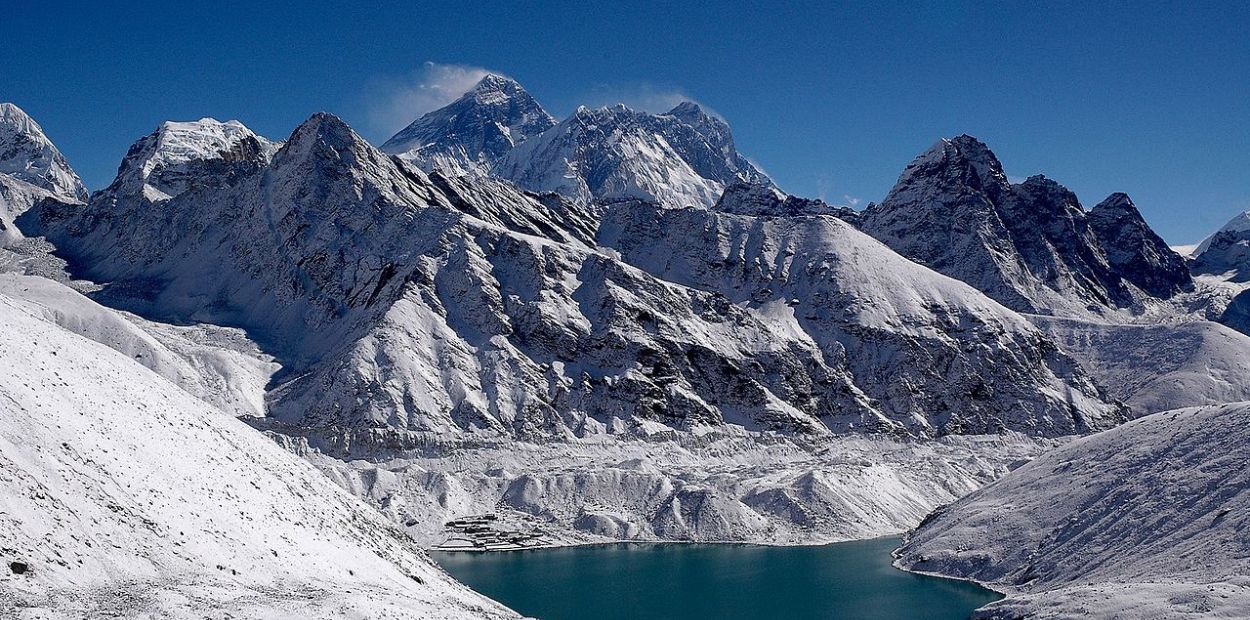
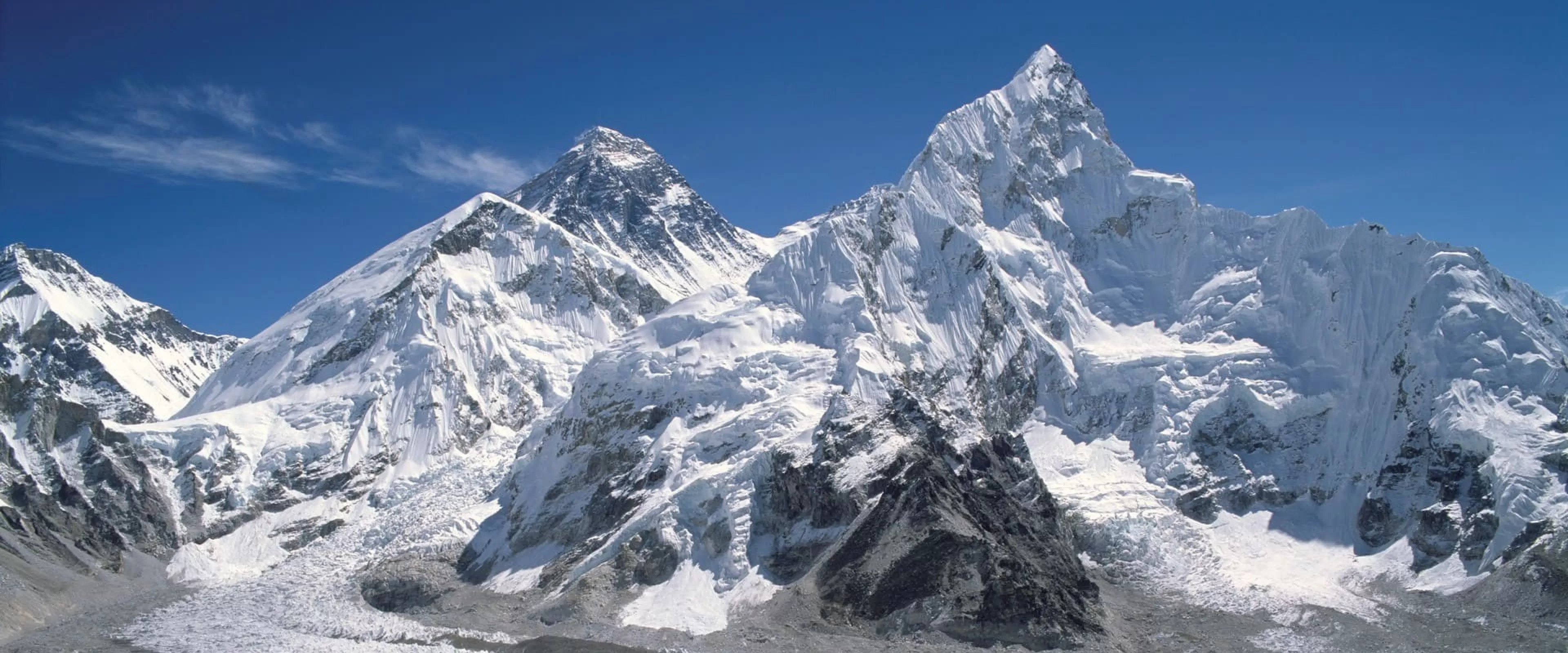
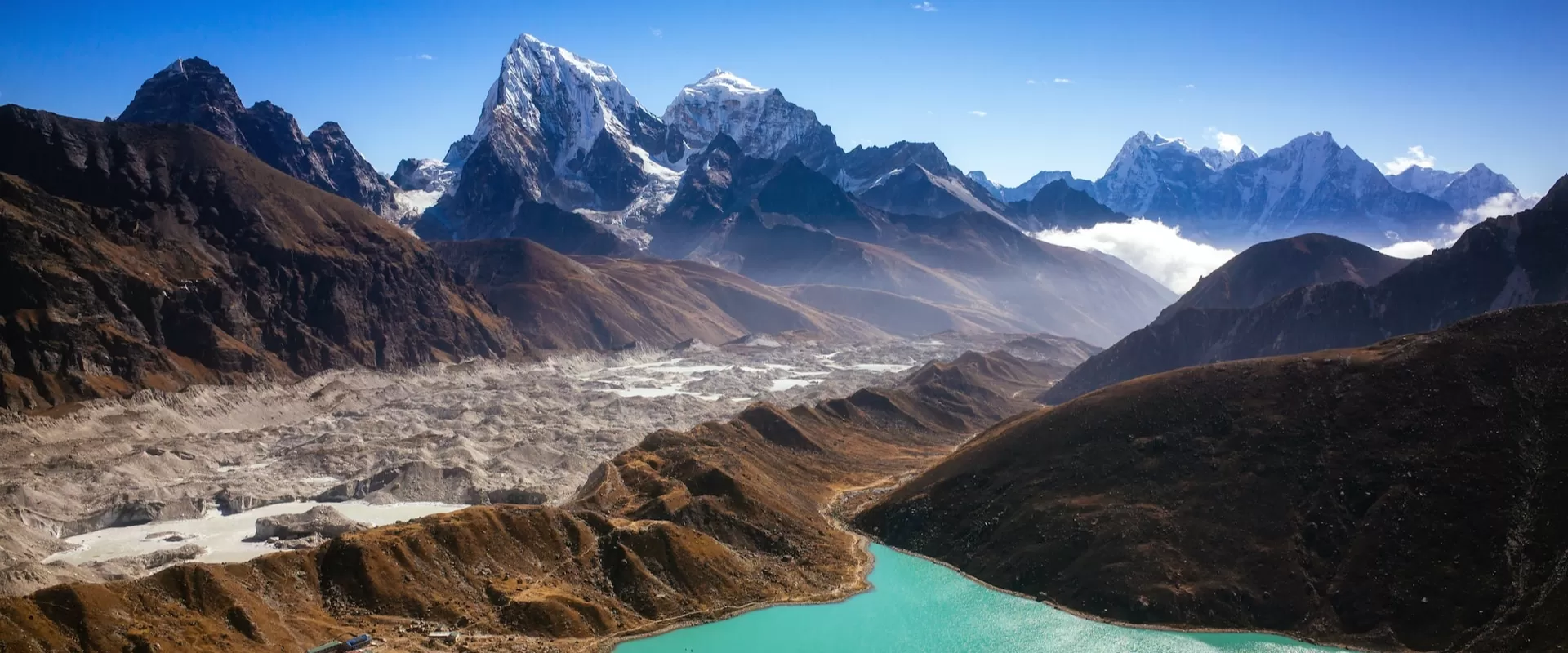
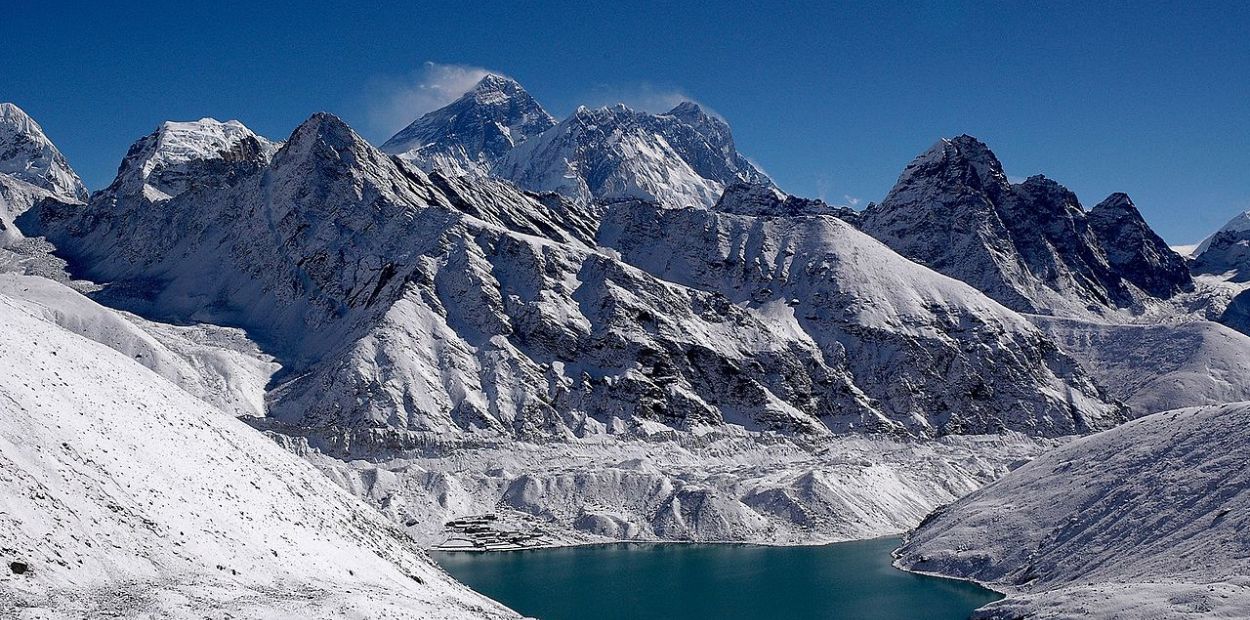
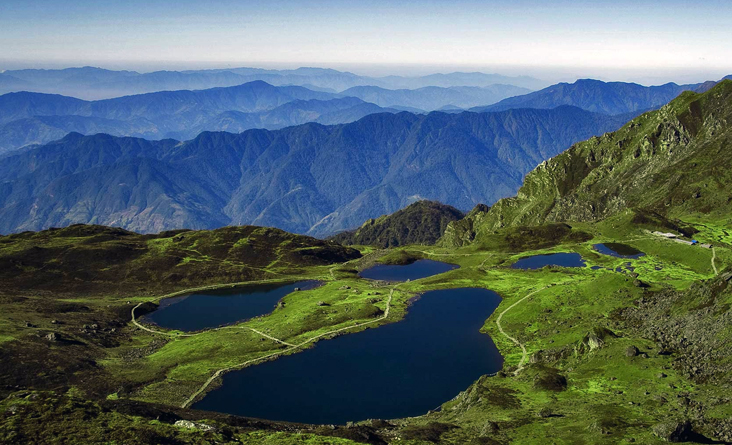
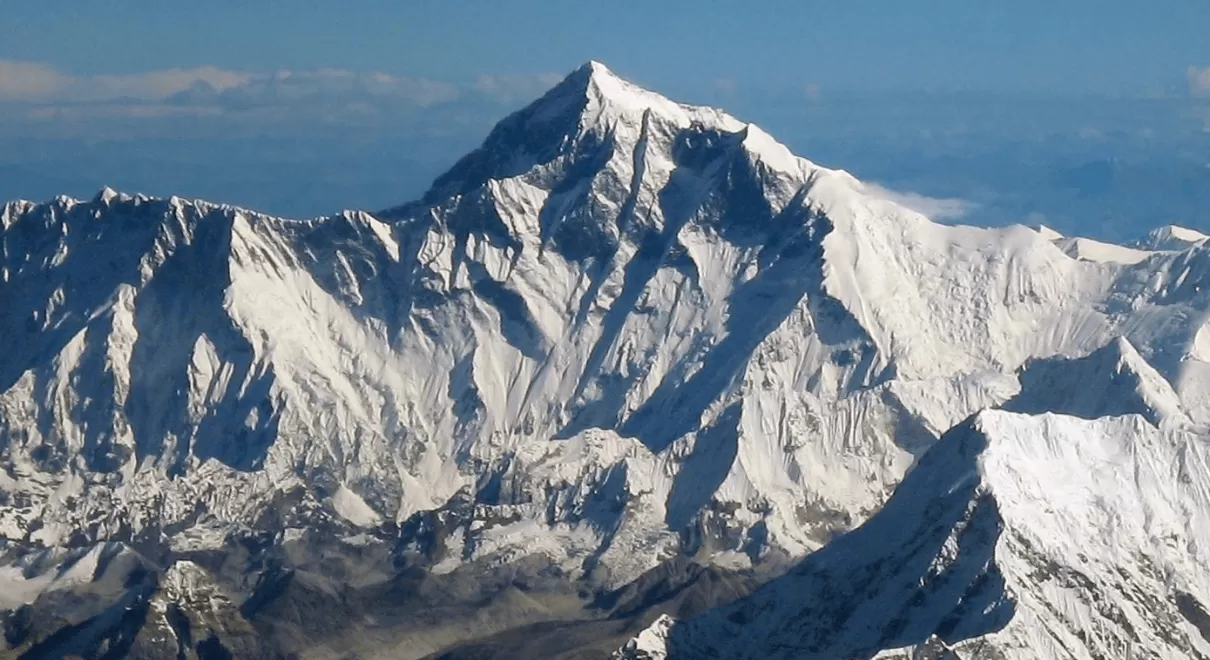
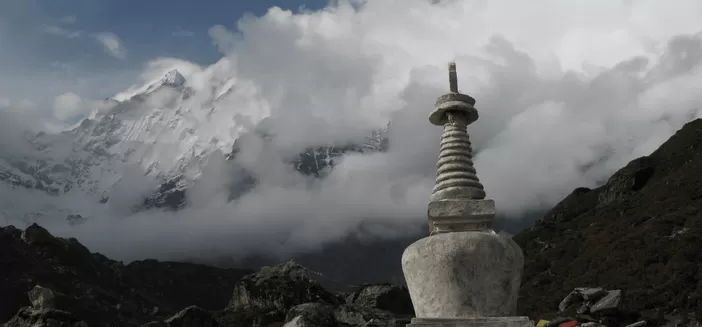
The Gokyo Renjo La Pass trek is an alternative for those trekkers who want to trek in the Everest region but avoid the crowds and savor the tranquil nature of the high Himalayas. The Gokyo Lake, Renjo-La Pass, and Thame trek first follows the route of the Gokyo Lake trek, passing picturesque mountain views and villages. The serene beauty of Gokyo Lakes in the shadow of snow-capped mountains and the spectacular view of the high Himalayas, including four of the world’s highest 8000-meter peaks (Lhotse, Makalu, Cho Oyu, and Mt. Everest) from the top of Gokyo Ri (5357 m), is one of the major highlights of this trek. Crossing Renjo La Pass takes you to the tranquil Bhote Koshi valley, following the historical trade route between Nepal and Tibet.
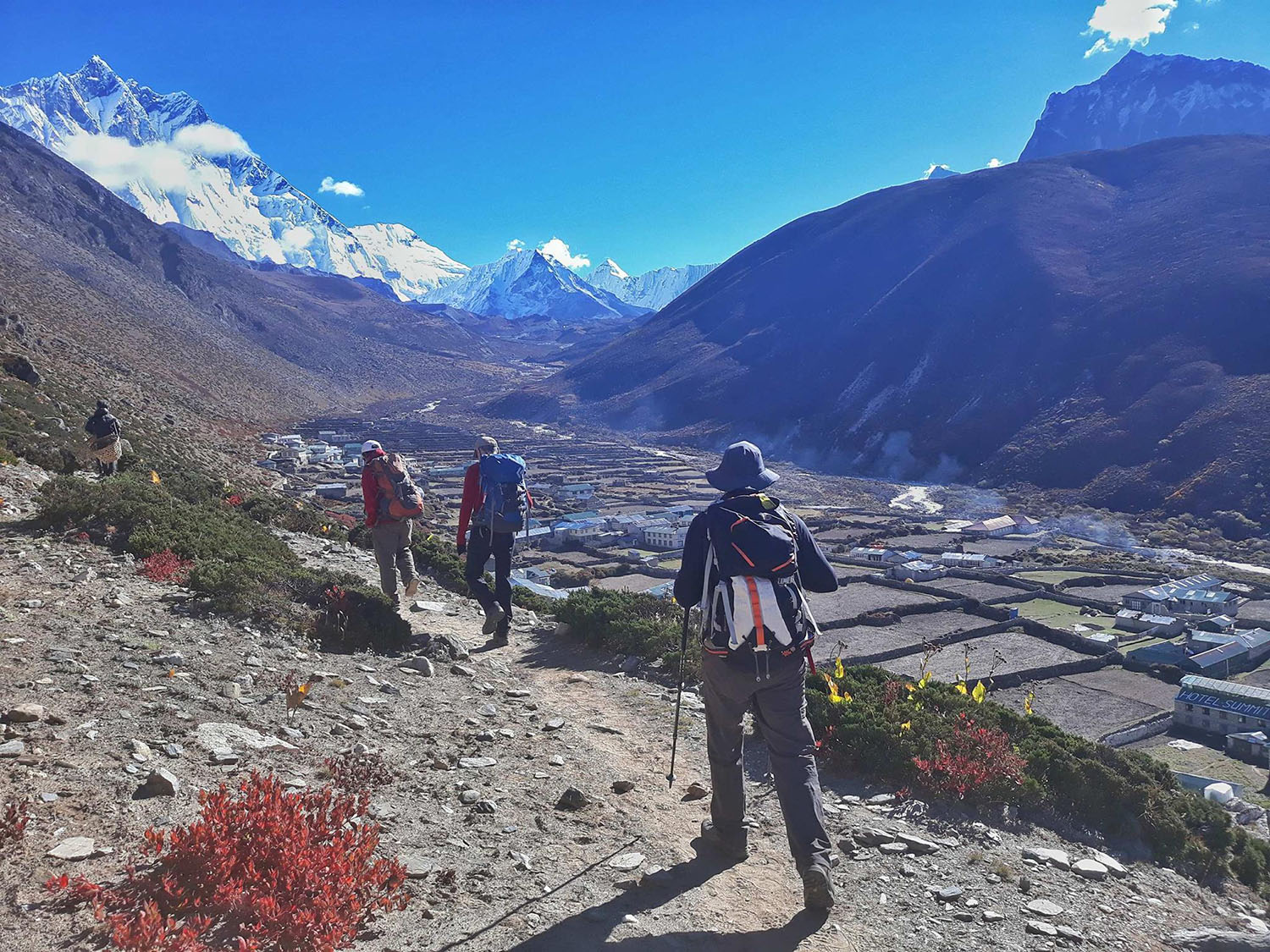
The Gokyo Renjo La Pass trek offers unparalleled panoramic views of snow-capped mountains. After crossing the Renjo La Pass at 5,340 meters (17,520 feet). You come to Thame Village, home of the Sherpa people, and then return to Lukla, passing through Namche Bazaar, Monjo, and Phakding. The trek ends at Lukla.
How does this trek compare to the classic Everest Base Camp trek?
The Gokyo Renjo La Pass trek kind of shares the same starting point as the classic EBC path, but then it veers into a quieter valley, dotted with glacial lakes, instead of taking the crowded main trail. Where EBC walkers go shoulder to shoulder with hundreds of folks in peak season, the Gokyo side valley gets only a slice of that movement, so you end up with more solitude out there and also faster access to teahouse rooms. You still feel the comparable elevation gain and that full Himalayan scenery, but the Everest viewpoint is coming from a different angle, sort of paired with turquoise lakes that the standard EBC route never really touches.
Why do trekkers love the Gokyo Renjo La Pass trek?
What keeps people coming back to this route over and over is that sort of discovery feeling it brings in a place that’s usually packed with crowds. You walk alongside the glacial-fed Gokyo Lakes, then you keep an eye on how the light slowly shifts over the Ngozumpa Glacier, and at the end you crest Renjo La; like, suddenly, Everest is there, framed between the closer peaks. It all adds up to little moments that seem more personal than the whole shared thing with a line of other trekkers. And the trek sort of pays you back for patience and acclimatization, maybe even with better photography conditions because with fewer people around, the shots look cleaner, and the villages feel quieter too. So if you’ve already done EBC, or you’re hunting for something less conventional, this route gives a fresher, more reflective kind of time out.
Why is Gokyo Ri considered the best viewpoint for Mount Everest?
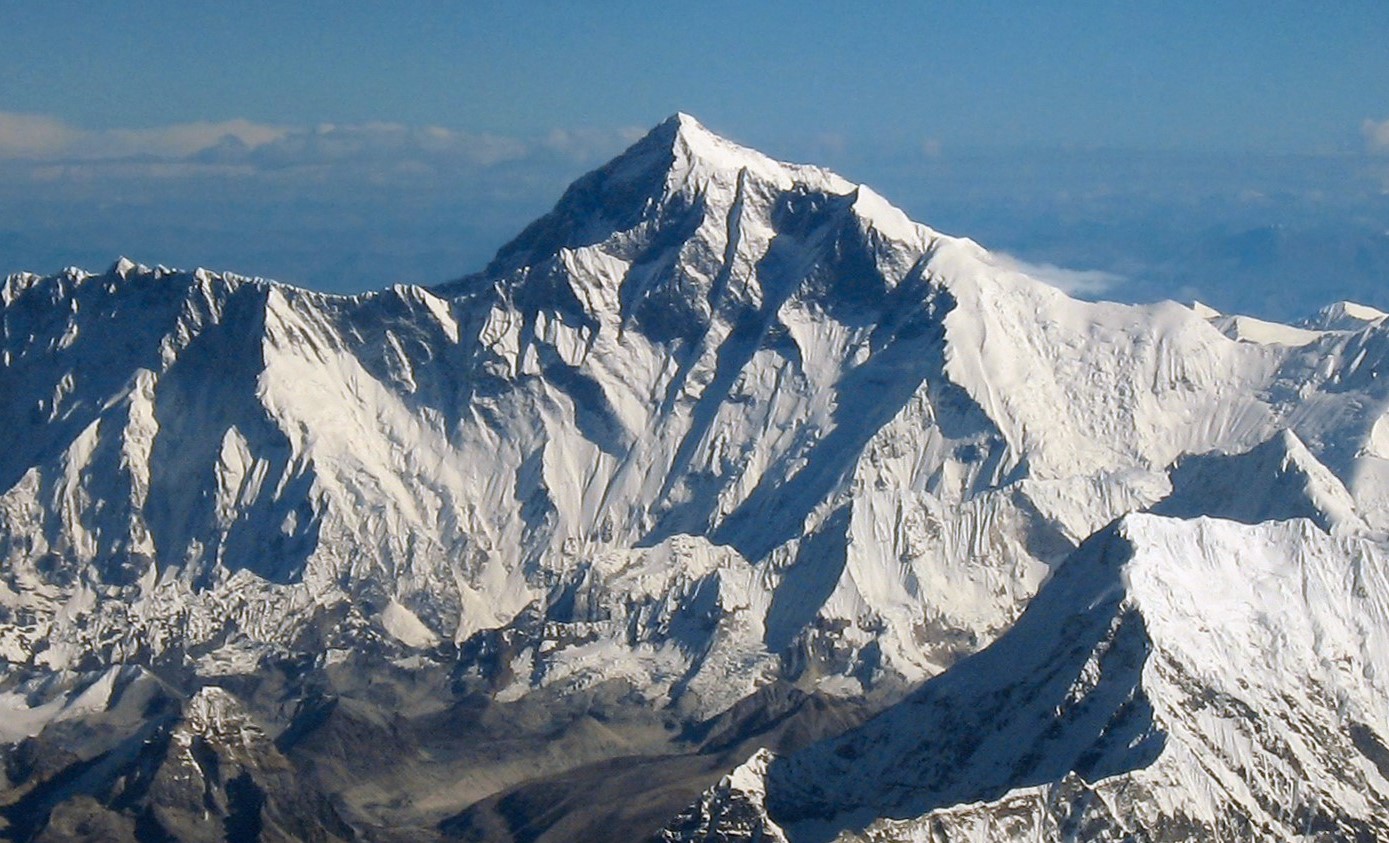
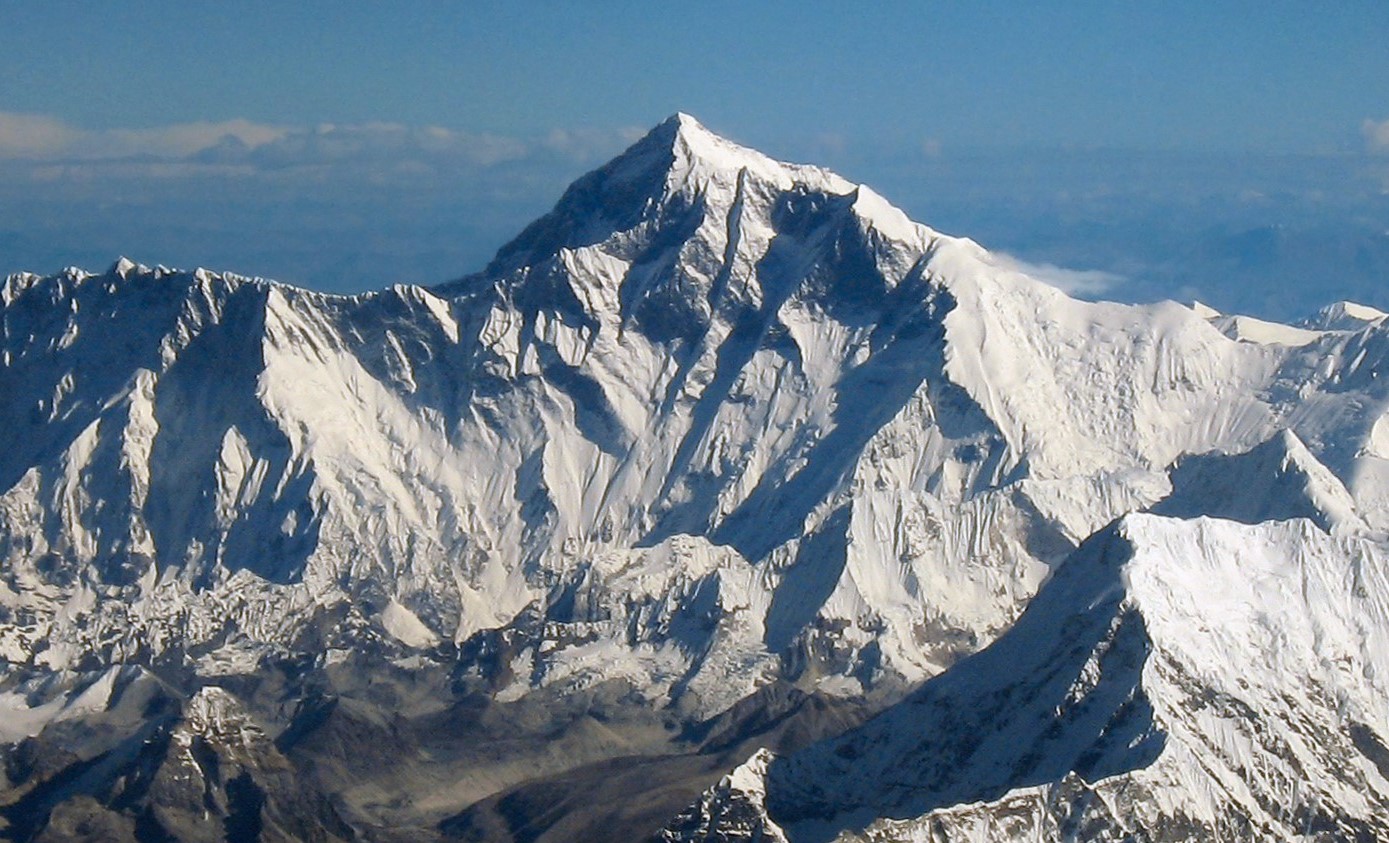
Standing atop Gokyo Ri, you get this kind of vantage point where the mountain doesn’t exactly “steal” the scene from the ridgelines around it, like it can do sometimes from Kala Patthar. Here, Everest just shows up clearly next to Lhotse, Makalu, and Cho Oyu, all in view in one sweeping arc, and somehow it feels more connected than you’d expect. Below, the Gokyo Lakes and the Ngozumpa Glacier are laid out like a living chart of the valley you’ve just walked through, sort of quietly but steadily. And yeah, that early morning light is usually the best, because it throws long shadows across the ice and it catches the summit pyramid of Everest before the clouds start stacking up later on in the day.
How difficult is the Renjo La Pass trek?
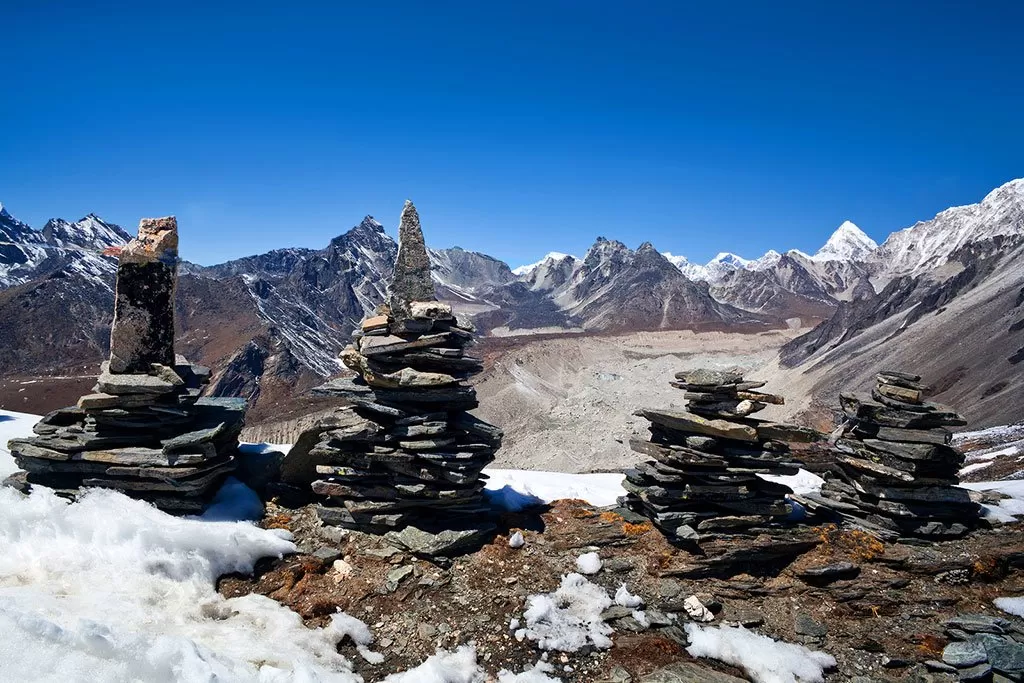
Renjo La sits at 5,360 meters, and it basically takes a fair share of your legs and lungs by that point in the journey. The climb up is pretty steady, more rocky than anything truly technical, but the thinning air makes even moderate inclines feel way more punishing than they would at lower elevations. On the far side, the descent can turn loose and slippery underfoot, especially if snow or ice has settled on the path, so trekking poles and sturdy boots really do matter. It’s a tough sort of day all around, but it’s still doable for trekkers who are fairly fit and have acclimatized well during the days before.
Mountain flight Kathmandu—Lukla: A thrilling scenic jump really comes with jaw-dropping Himalaya views, and then you land at one of the world's most adventurous airports; honestly, it feels unreal.
Everest Base Camp & Namche Bazaar: Trek through Sherpa hamlets, reach the iconic base camp, and get a very hands-on feel for the lively local mountain culture.
Renjo La Pass (5345m): This tough high-altitude crossing pays back in a big way, with spectacular panoramic scenes of Everest, Gokyo lakes, and deep valleys all around you.
Gokyo Ri climb (5483m): A demanding summit attempt that really delivers what many call the finest up-close vantage, over four different eight-thousand peaks.
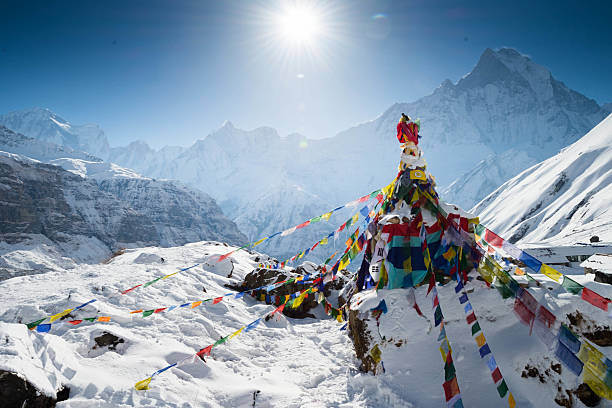
Views from Gokyo Ri: From the summit you can witness a stunning combined panorama of Everest, Lhotse, Makalu, and Cho Oyu, all at once.
Ngozumpa Glacier & icefall: Roam around Nepal’s biggest glacier, admire dramatic ice formations, crevasses, and those turquoise glacial meltwater lakes that look almost too bright.
| 1 | 2 | 3 | 4 | 5 | 6 | 7 | 8 | |
| USD 1710 | USD 1200 | USD 1199 | USD 1050 | USD 1045 | USD 1030 | - | USD 1020 | |
| USD 2165 | USD 1660 | USD 1655 | USD 1495 | USD 1490 | USD 1480 | - | USD 1475 |
Start From
Get personalised guidance for any Nepal adventure — with expert planning and safety support.
We offer expert advice, flexible options, and tailor-made itineraries.

The Gokyo Renjo La Pass trek with Himalayan Smile Treks was honestly an unforgettable kind of adventure. The guide, Lakpa Sherpa, was knowledgeable and also really encouraging the whole time—like, not in a pushy way, just steady. Crossing Renjo La Pass felt dramatic, and then exploring the stunning Gokyo Lakes was kind of surreal in the best way. Overall, it turned out to be one of the best Himalayan experiences I have ever had.
Himalayan Smile Treks kind of organized this amazing Gokyo Renjo La Pass Trek, and honestly it was quite something. Guide Karma Sherpa kept watch over our safety also helped with the right acclimatization, day after day. The calm Gokyo Valley, those crystal clear lakes, and the jaw dropping mountain panoramas really made the whole trek feel absolutely worth it.
Gokyo Renjo La Pass Trek i n fact exceeded my expectations, in a way i did not really plan for. Guide Chiring Sherpa was professional and he shared really interesting tales about Sherpa culture, and how daily life there works, little details you would not get otherwise. The spectacular views from Renjo La Pass along with the raw beauty of Gokyo Lakes made those days feel unforgettable, like each day kind of lingered a bit longer. Himalayan Smile Treks also did a great job with their service, smooth from start to finish , no nonsense.
Himalayan Smile Treks delivered this sort of amazing Gokyo Renjo La Pass trek, like it was really something else. The guide Dawa Sherpa, managed every little bit of the journey so carefully and patiently. On those peaceful trail s the teahouses were comfortable, not just “somewhere to sleep”, and the whole surrounding panorama was magnificent—Everest, Cho Oyu and a bunch of nearby peaks too. It felt exceptional, almost unreal sometimes.
Going on the Gokyo Renjo La Pass Trek with Himalayan Smile Treks felt like a really good alternate plan to the usual Everest route, in a way. My guide, Namel Dherpa, made sure things went smoothly, no odd issues, i mean it. I kept getting surprised by the stunning glaciers , the turquoise lakes and that wide panoramic mountain scenery, it just kept looking unreal . It ended up being way more than i expected, honestly.
Himalayan Smile Treks managed a really fantastic Gokyo Renjo La Pass trek, and honestly it felt kind of smooth even with the long days. Guide Dawa Dorji Sherpa was really experienced and supportive through out the whole thing, and he kept things steady even when we were bit tired. When we finally got to Renjo La Pass it just paid us back with stunning Himalayan panorama, and along the way the Gokyo Lakes gave us some of Nepal’s most beautiful scenery.
The Gokyo Renjo La Pass Trek with Himalayan Smile Treks was sort of perfectly organized, like really smooth in practice. Our guide, Michele Tamang was friendly and very attentive, always checking little things. Each day brought amazing peaks and that quiet vibe, plus peaceful villages and excellent lodgings too. honestly, if you are an experienced hiker, I would gladly suggest this trek, and I d do it again.
Gokyo Renjo La Pass trek was one of those really rewarding adventures I ve had, honestly. The guide Dorje Sherpa gave excellent guidance and a lot of local awareness, like the kind that makes you feel more secure on the trail. Himalayan Smile Treks handled every tiny detail in a professional way , so even when the route got really challenging it still felt manageable, and honestly kind of enjoyable too.
Himalayan Smile Treks honestly, blew past my expectations on the Gokyo Renjo La Pass trek, like I didn’t think it would be this good. Guide Kami Sherpa made sure acclimatization went the right way, and the overall support was really solid. The panoramic scenery from Gokyo Ri, and also Renjo La Pass was just breathtaking, I mean it was unreal. Honestly every single moment stayed with me, it was unforgettable.
Honestly the Gokyo Renjo La Pass trek with Himalayan Smile Treks was, like the best part of my Nepal holiday, no joke. Our guide Ang Dorje Sherpa was professional, kind and very experienced too. We had these beautiful Gokyo Lakes, plus the challenging Renjo La Pass, and then the whole spectacular Himalayan scenery around us sort of everything together made real memories, that will last for a lifetime.

$1105
$990
$1020
$1045
$1200
$1100
$1035
$880
$1395
$990
$1740
$
$1045
$2100
$890
$4780
$
$2885

↑
.png "NTB")
.png "Pata")