.jpeg1154213768jpeg "Dhaulagiri Sanctuary Trek")
Country
Nepal
Duration
12 days
Maximum altitude
4050m/13284ft
Activity
Trekking
Difficulty
Moderate
Best Season
October - December / February - April
Accomodation
Mountain Lodge
Meals
Excluded
Start/End Point
Beni

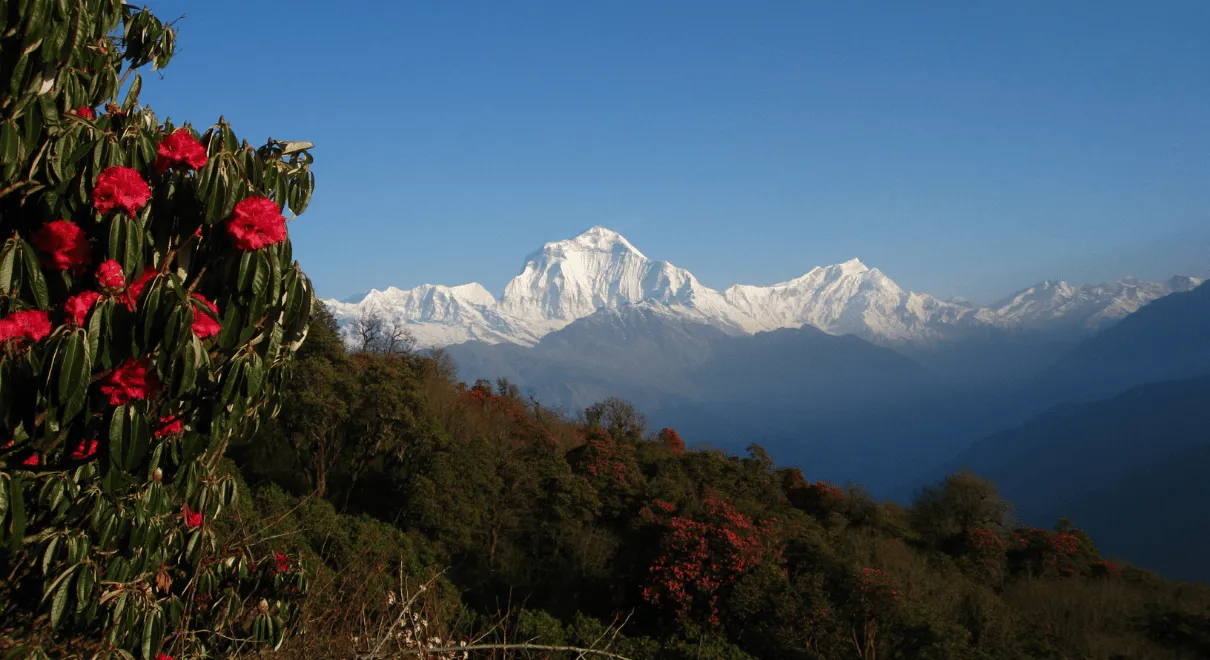
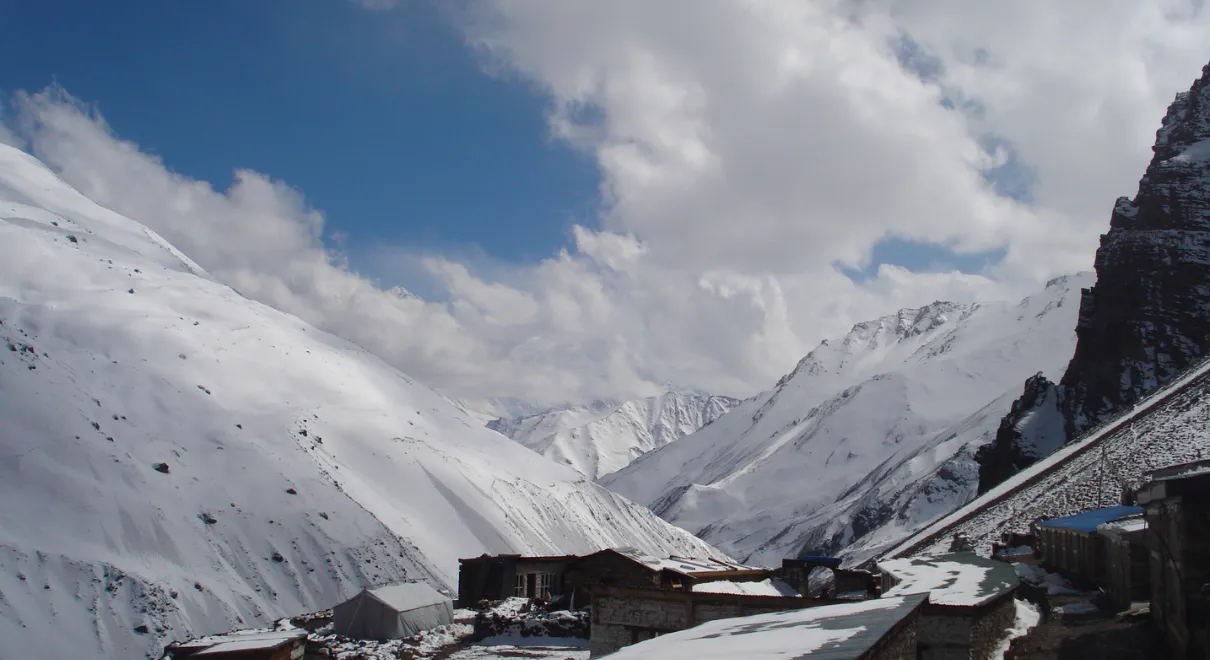
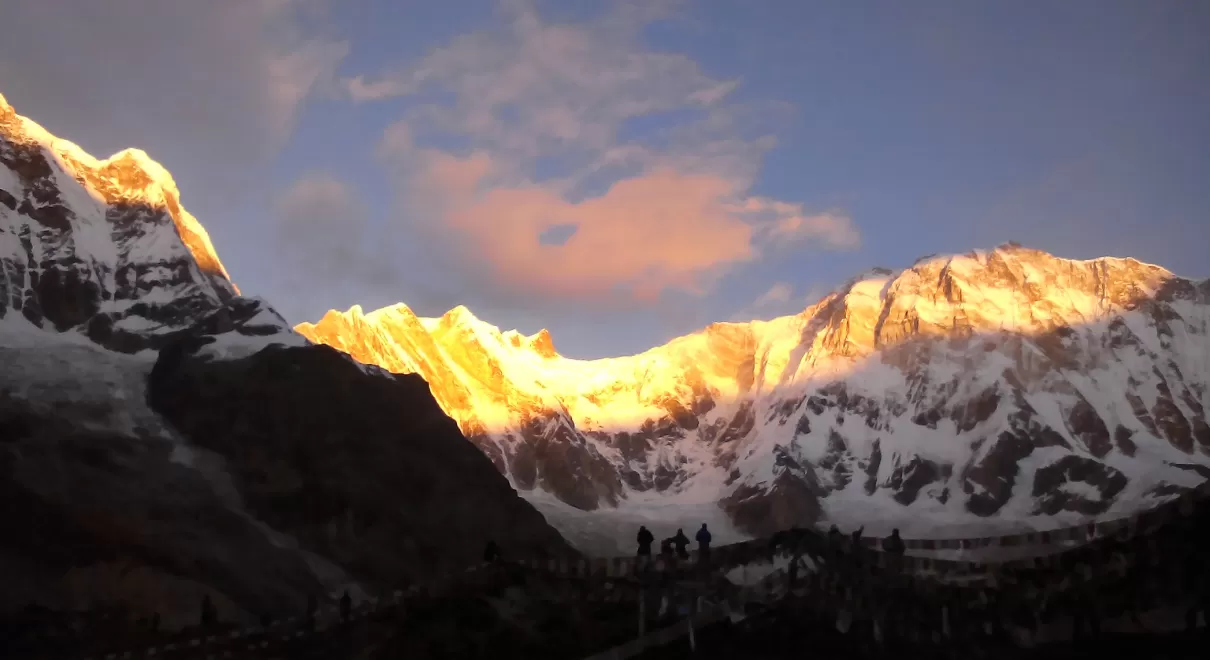
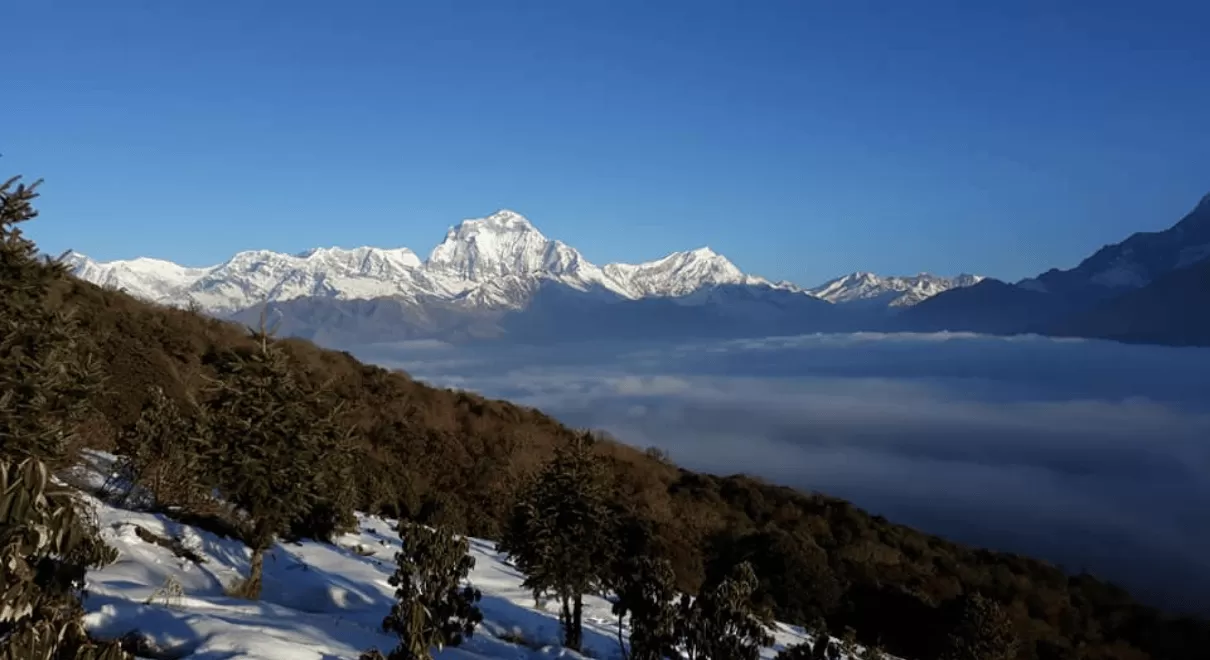
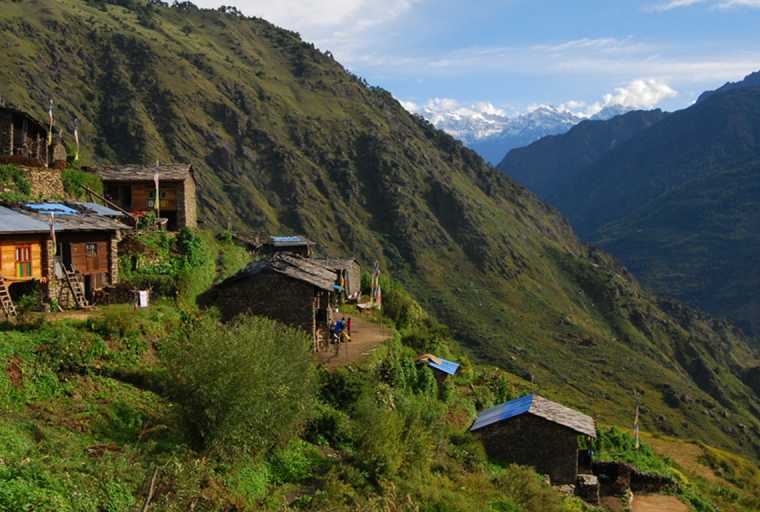
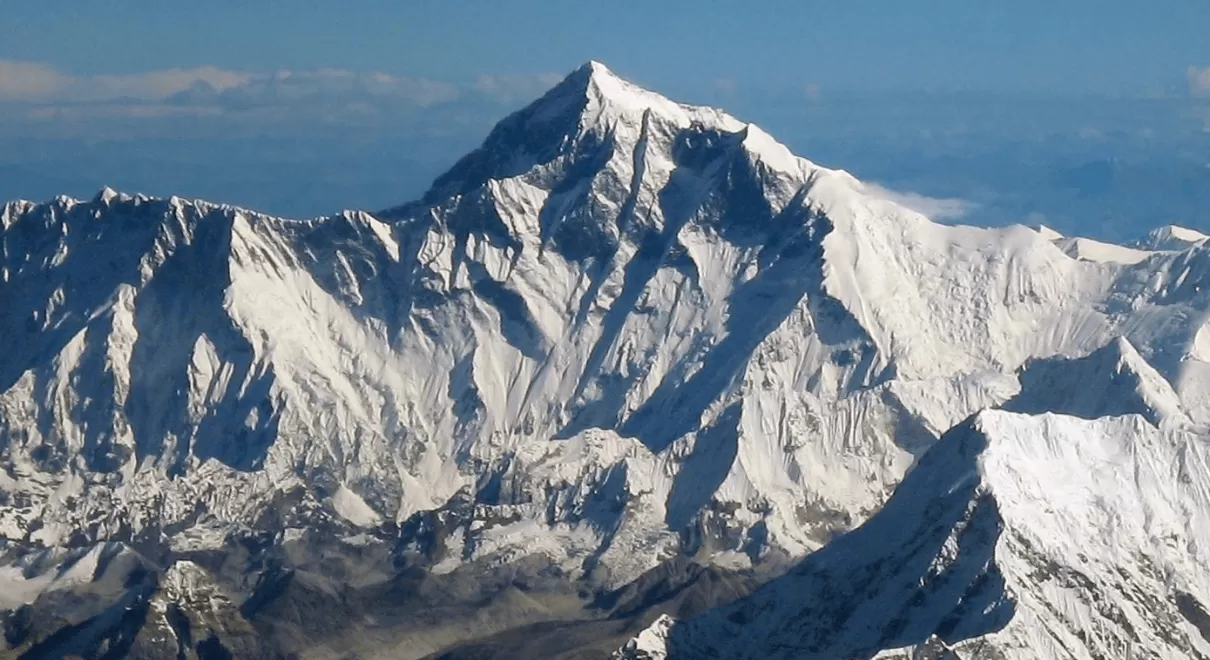
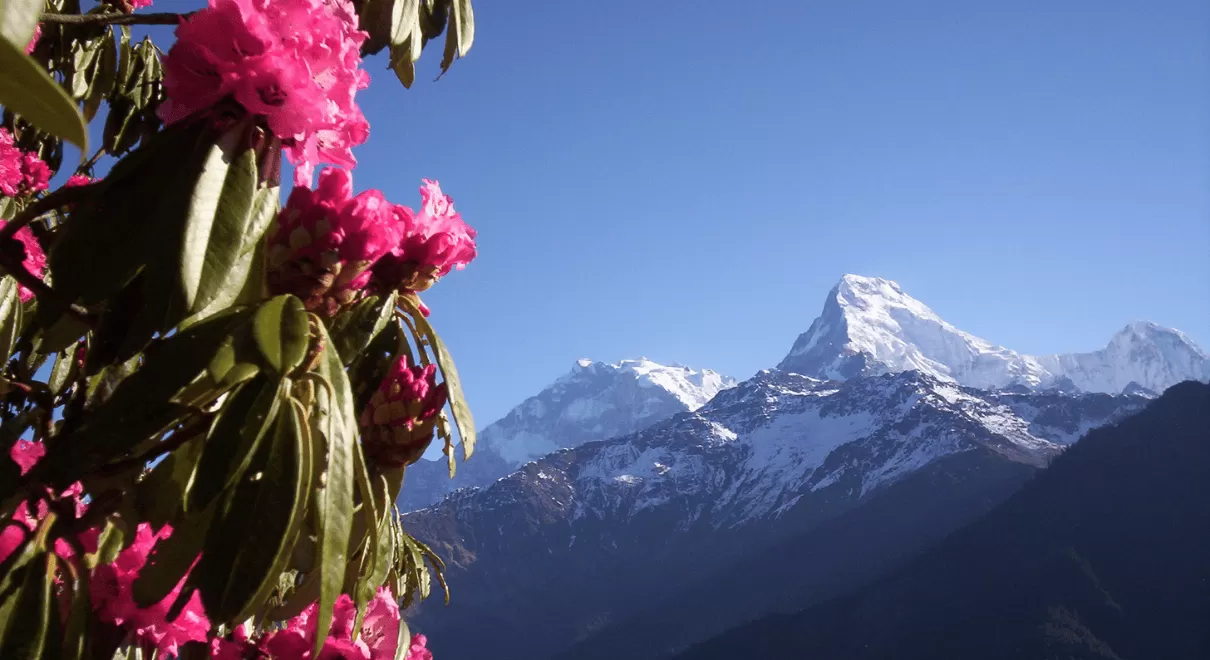
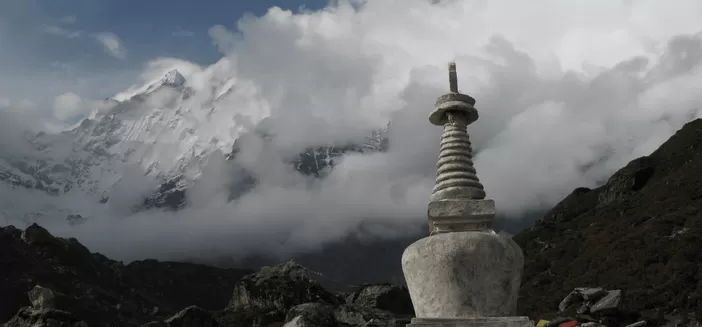
The Dhaulagiri Sanctuary Trek is a newly explored route in the lap of Mt. Dhaulagiri. This trek offers a remarkable journey on the most pristine trail in the region. This journey would be the shortest route to reach Dhaulagiri South Base Camp (4050 m/13284 ft). The region is enriched with its unique culture, customs, scenic beauty, flora & fauna & hospitable local people. More than a dozen peaks & mountains from the Annapurna range, the Haulagiri range, the Nilgiri, Churen, & Gurja can be seen during the journey. The ancient town of Beni (830 m/2722 ft), the starting point of this trek, is located at the junction between the holy Kaligandaki River and the mighty Beni Khola, which was the trade hub between Nepal and Tibet in the past.
The Dhaulagiri Sanctuary Trek can be started from the place called Jhi at 1680 m/5510 ft, or we can start from Singa Tatopani (a hot spring). The route offers the spectacular view of Dhaulagiri I, Tukuche (west) peak, Manapathi, and some other beautiful mountains. The region is highly enriched with Magar culture, which has not been exposed to the outside world. The region is inhabited by Magar, Chhetri, Brahmin & Dalit, and some other caste people living in harmony can be seen in this region. The region itself is enriched with flora & fauna, as some wild species like the Himalayan tahr, deer, foxes, leopards, and many species of birds can be seen during the journey.
The journey is challenging above the subalpine climatic zone, as the territory is used as pastureland, and it’s remote, wild & unspoiled. The Dhaulagiri Sanctuary trekking is listed as moderate/strenuous grade, as lower elevations below 2200 m/7216 ft are easy and moderate. The difficult and strenuous part requires experience and physical fitness. For the logistics facility, we can stay in the local homes as a homestay, and for the high elevation, we have to camp for four nights on our own. It is recommended to do it with an experienced guide from a registered agency.
Do you need a permit for the Dhaulagiri Sanctuary trek?
Yes, permits are needed for the Dhaulagiri Sanctuary Trek, although the whole process is kind of refreshingly simple compared to most of Nepal’s other, more restricted trekking spots. You don’t have to arrange any special or restricted area permits, so this extraordinarily high Himalayan adventure feels pretty reachable and also budget-friendly for international trekkers.
Because the route sits inside the Annapurna Conservation Area, every trekker needs to get the Annapurna Conservation Area Permit (ACAP); it costs NPR 3,000 (around USD 25) for foreign visitors. SAARC nationals get a smaller fee, so that part is a bit easier. Also, a TIMS card (Trekkers' Information Management System) is required as part of the usual trekking paperwork and related arrangements.
As your dedicated trekking company, we manage both the ACAP and TIMS card permits for you. So everything is set up neatly before your trek even starts—no last-minute drama or awkward searching. You just show up ready to hike; we deal with the permit formalities, the paperwork, and the official documentation, meaning you save time and you avoid that unnecessary hassle.
These permits end up funding essential protection work, and they also help keep the trekking infrastructure functioning across the region. Our team will make sure you bring all the needed printed documents for checkpoint checks along the trail, so you can focus on actually enjoying this stunning Himalayan wilderness.
A thrilling journey through winding mountain roads, river valleys, and dramatic scrapes perfectly linking two of Nepal’s most iconic cities, not just on a map but in real life, you know?
Lose yourself in the rich traditions, ritual life, resonant music, and gentle hospitality of the indigenous Magar community — a living cultural treasure for Nepal.
Sleep under the same roof as local families, enjoy authentic home-cooked meals, and catch genuine Nepali mountain life up close, in a real and very human way.
Drift off beneath a canopy of stars at high altitude, wrapped in untouched wilderness, cooled by mountain air, with a quiet kind of highland silence that feels unreal.
Walk routes barely visited by outside footsteps — a raw, unspoiled adventure where landscapes are still lightly known by mainstream tourism, and somehow they stay that way.
Gaze at cascading emerald green rice and millet terraces carved into hillsides — a breathtaking proof of generations of farming ingenuity.
Explore hilltop villages arranged in a distinct way, where traditional stone architecture, community rhythm, and ancient customs have remained beautifully preserved across many centuries.
Two hidden highland gems, with extraordinary views, cultural depth, and off-the-beaten-path adventure — Nepal’s best-kept secret waiting to be explored.
Start From
Get personalised guidance for any Nepal adventure — with expert planning and safety support.
We offer expert advice, flexible options, and tailor-made itineraries.

The Dhaulagiri Sanctuary Trek with Himalayan Smile Treks was kind of an extraordinary adventure that stays with you. Guide Lakpa Sherpa seemed really experienced and also very supportive, even when the route got a bit tough. The trail was remote, the glaciers looked dramatic, and every turn opened up some breathtaking views of Dhaulagiri that felt unreal. It was, honestly, a perfect choice for trekkers who want that wild feeling plus a genuine hidden trail Himalayan experience that is kind of off-the-beaten-path.
Himalayan Smile Treks managed this kind of amazing Dhaulagiri Sanctuary Trek, and honestly, it felt really special. Guide Karma Sherpa kept things safe and kind of smooth with the whole logistics part throughout the journey. Along the way, you could see untouched landscapes, and also those calm campsites, plus the mountain scenery was just stunning. The route was tough, though, but at the end it was so worth it, especially for adventure lovers chasing a remote Nepal trek experience.
Dhaulagiri Sanctuary Trek, with Himalayan Smile Treks, just really went beyond what I expected. Chiring Sherpa, the guide, was well informed and also kind of always pushing you forward when needed. The mountain panoramas felt dramatic, the glacial valleys were calm yet vast, and then this quiet wilderness kind of keeps you present all the time. Overall, it became a really memorable adventure, not just a trail. Honestly, this trek suits seasoned trekkers who want a rare kind of experience, a bit off the usual beaten path, and not so crowded around every turn.
Trekking through the Dhaulagiri Sanctuary with Himalayan Smile Treks, was honestly a pretty remarkable kind of journey. Like Dawa Sherpa, the guide, he managed everything in a professional way, and it felt smooth even when the trail got a bit demanding. The route itself was scenic yet also adventurous, lots of moments with close up views of Dhaulagiri , and the neighboring peaks too. Honestly it’s a perfect trek for folks who are serious about mountains, and not just looking for a casual walk, but something with real spirit behind it.
Himalayan Smile Treks really delivered an exceptional Dhaulagiri Sanctuary Trek, i mean it was kinda unreal in a good way. Our guide Namel Dherpa kept things comfortable and safe even when the conditions got tough. The whole remote spot, plus those beautiful alpine views, and the dramatic mountain panoramas , all together made it one of the best hiking adventures i have ever had.

$1800
.jpeg1696849633jpeg "Ghandruk Loop Hot Spring Trek")
$500
$645
$840
.jpeg1134057841jpeg "Annapurna base camp trek")
$ 630
$290
$670
$1185
$740
$250
.jpeg198170075jpeg "Jomsom Muktinath Ghorepani Trekking")
$780
$750
$340
.jpeg1576845833jpeg "Panchase Trek")
$700
.jpeg1822983722jpeg "Khopra Danda Trek")
$
.jpeg1278648188jpeg "Gurung Heritage Trail Trek")
$1500
$
$600
$
$2500
$
$
$
$490
$
$260


↑
.png "NTB")
.png "Pata")