Price Table
| 1 | 2 | 3 | 4 | 5 | 6 | 7 | 8 | |
| USD 1950 | USD 1325 | USD 1320 | USD 1145 | USD 1140 | USD 1115 | - | USD 1110 | |
| USD 2615 | USD 1990 | USD 1980 | USD 1799 | USD 1790 | USD 1770 | - | USD 1765 |
Country
Nepal
Duration
19 Days
Maximum altitude
5545 M
Activity
Trekking
Difficulty
Modarate - Challenging
Best Season
September to May
Accomodation
Mountain Lodge
Meals
Excluded
Start/End Point
Kathmandu

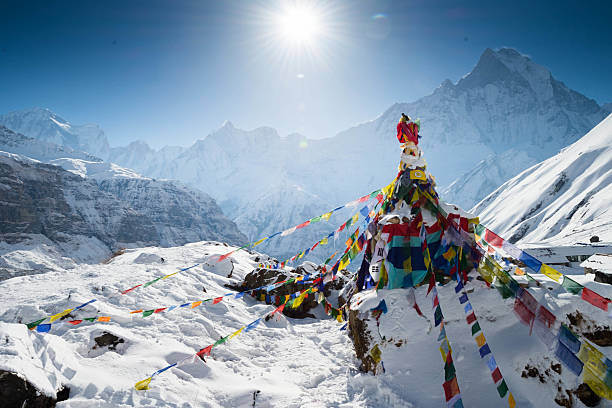
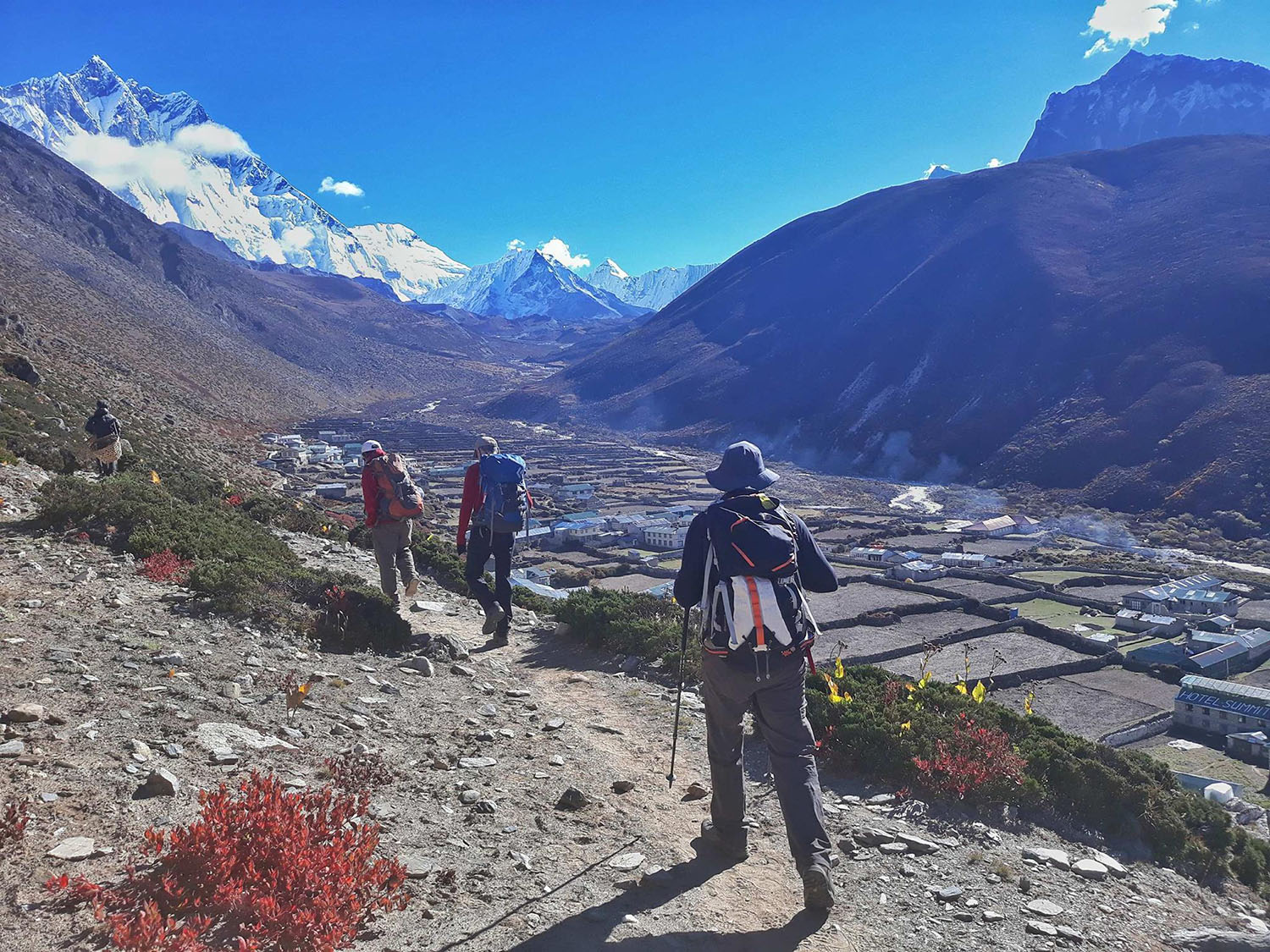
The Renjo La Gokyo Cho La EBC Trek is one of the most adventurous treks in the Khumbu region. In this trek, you cross two high passes, Renjo La (5340 m/17515 ft) and Cho La (5368 m/17607 ft). Then you reach Kalapathar and Everest Base Camp (5545m/18187ft). This trek starts from Lukla, following up the Dudh Koshi River towards Namche Bazar. You spend one extra day here for acclimatization, exploring the beautiful Sherpa village of Khumjung. Then you follow the trail to Thame, Lungdeng, and Yakkharka and cross Renjo Pass. You spend an extra night at Gokyo Lake and set off to cross the Cho La Pass. The Renjo La, Gokyo, Cho La, and EBC Trek is regarded as the journey of life, which reflects the major highlights from the Everest region, and after the journey you will be able to summarize the Khumbu Valley in terms of landscape, people & mountains.
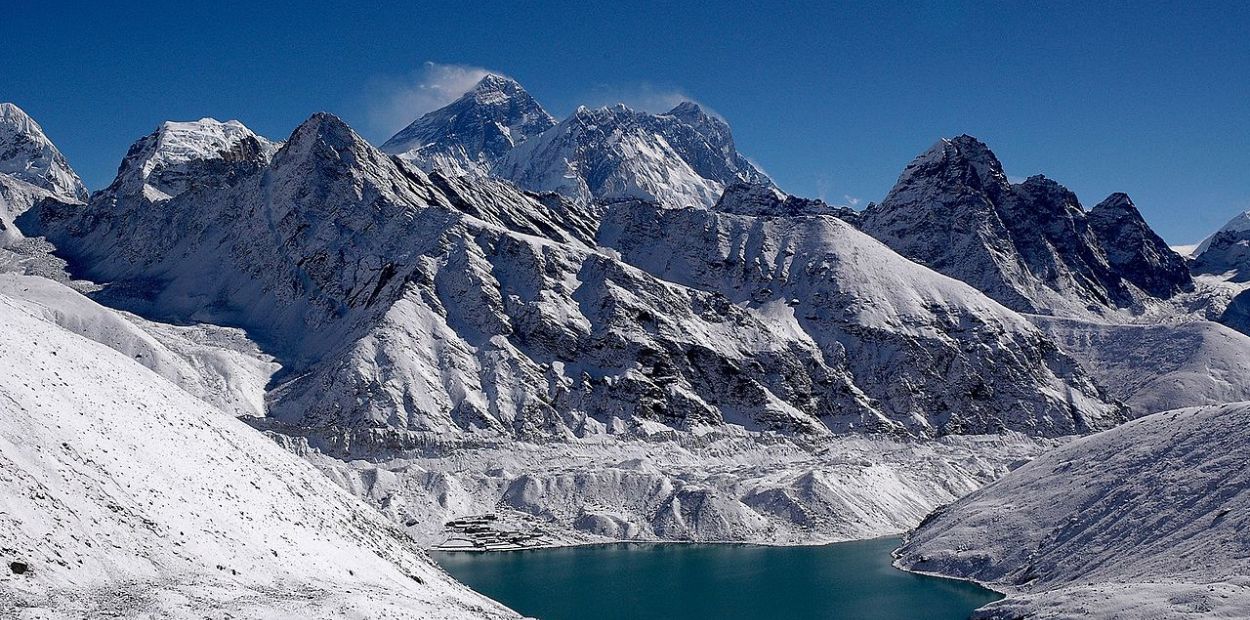
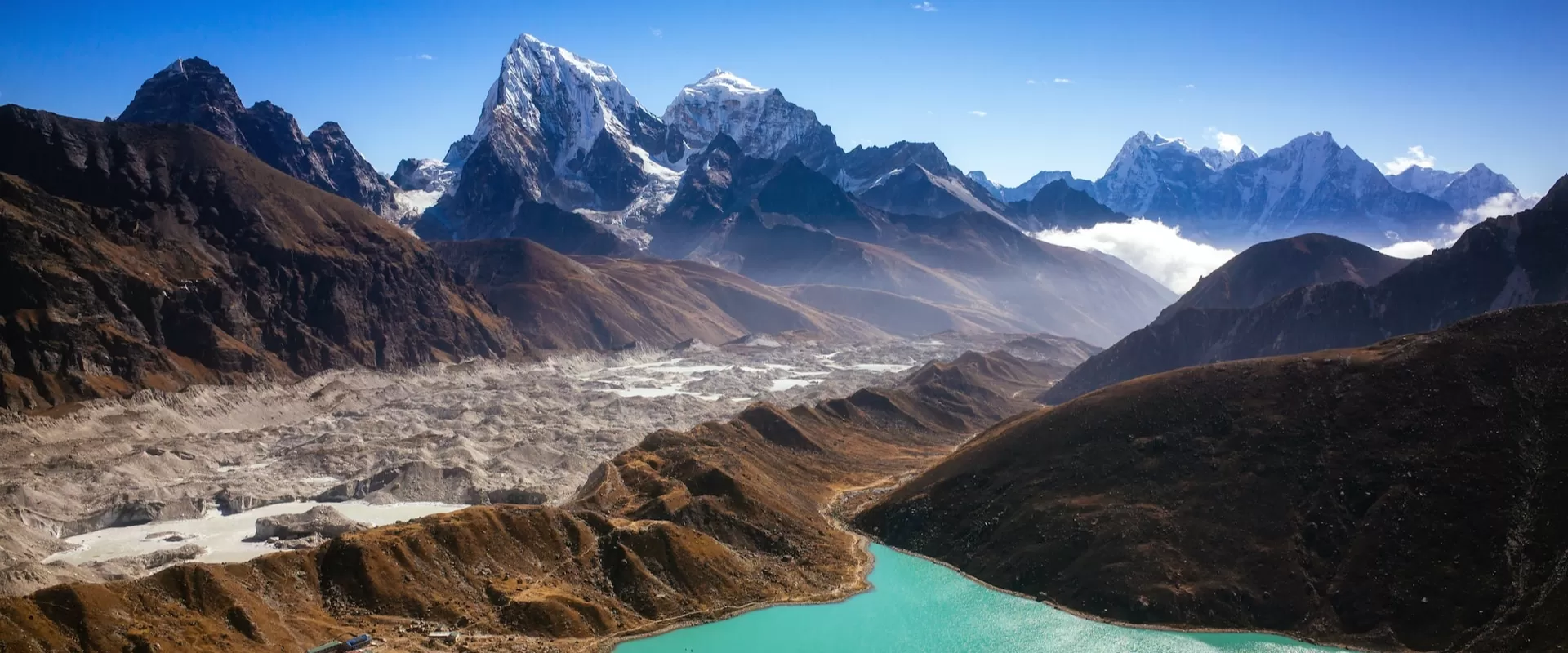
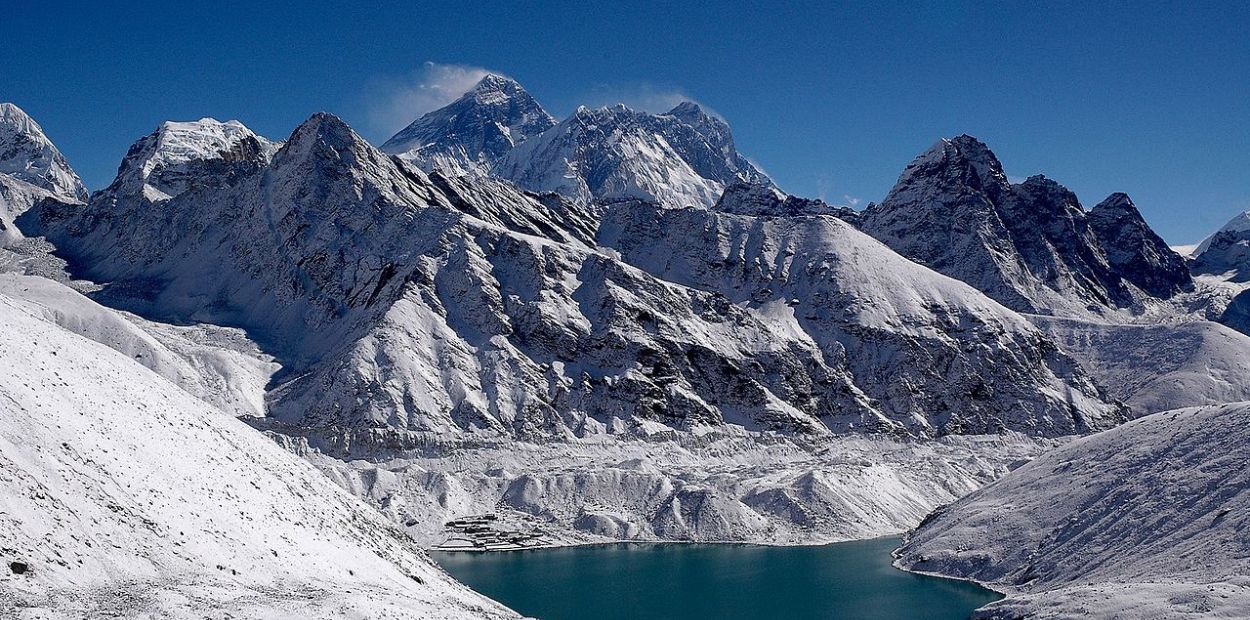
This journey is antique itself because it goes through all the highland settlements in the upper Khumbu Valley. The major attraction of this journey is Gokyo Lake after crossing the Renjo-La pass; the next day we hike up to Gokyo Ri, from where we can see four mountains over eight thousand, including Mt. Everest, Lhotse, Makalu, and Cho Oyu. Then the holy Gokyo Lake and the Ngozumba Glacier at the foothills of the valley would be the amazing scenery that we can see at a single glance. After that, we head towards Dragnag, crossing the glacier, which is the authentic experience of this journey. Then we cross another pass called Cho-La (5368 m/17607 ft), which offers the unique challenge of walking into the highland terrain.
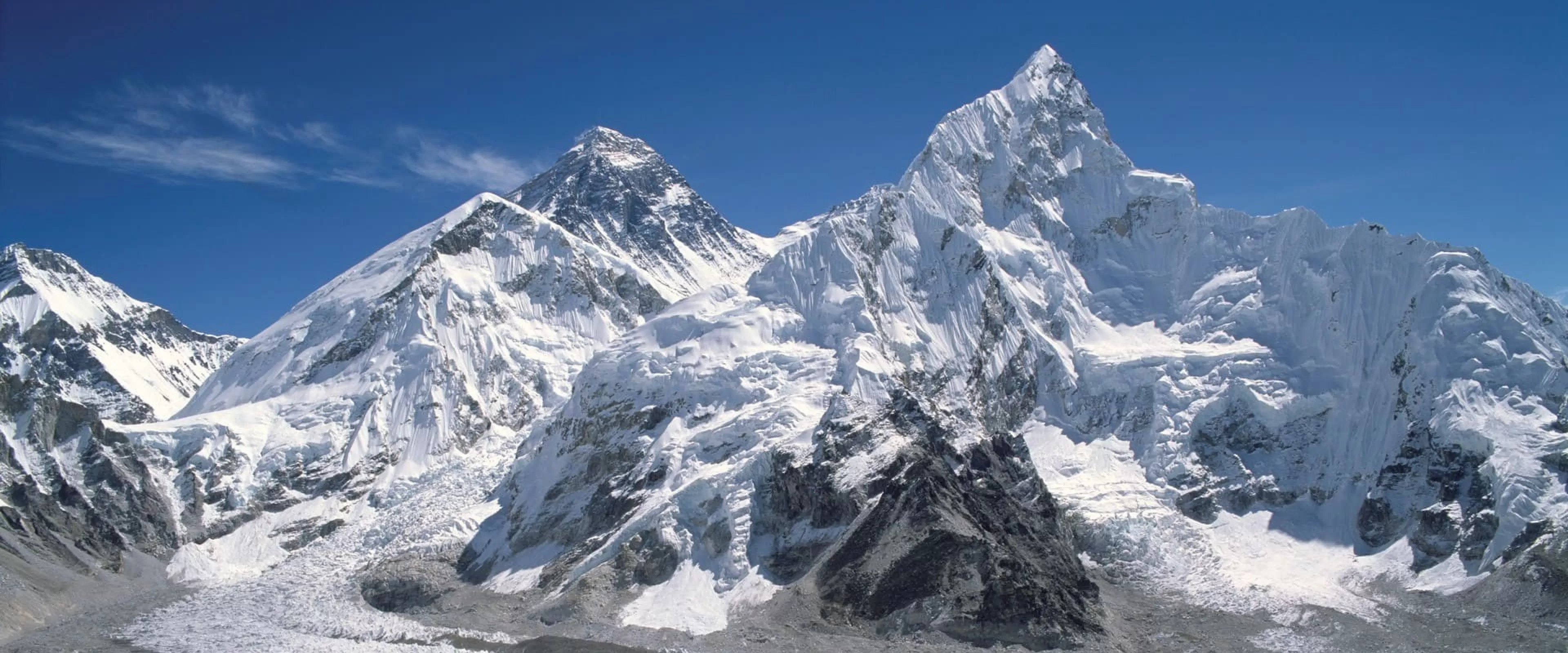
The Renjo La Gokyo Cho La EBC Trek's final destinations of this trekking are Kalapathar (5545 m/18187 ft) and Everest Base Camp and back to Lukla, following the route to Tengboche & Namche Bazaar. While on this trek, you get an opportunity to have magnificent views of the world’s highest mountains and experience the unique lifestyle and culture of the Sherpa people, the world-renowned mountaineers. The Renjo La, Gokyo, and Cho La EBC treks end at Lukla.
How difficult is Renjo La Pass?
The Renjo La, Gokyo, Cho La, and EBC Trek is Nepal’s ultimate high-altitude adventure, and honestly, it feels like one wow after another. You cross three dramatic mountain passes and see the shimmering Gokyo Lakes, and then you stand at legendary Everest Base Camp. After that, you climb Gokyo Ri for those breathtaking panoramic views. It’s a remarkable trip that blends stunning natural beauty with deep Sherpa culture, and the whole Himalayan wilderness exploration thing stays in your memory. Renjo La Pass, sitting at 5,360 meters, is basically a moderately tough high-altitude pass, and it gives every trekker—like, you know—those truly spectacular views that make you pause for a second. The climb out of Lungden village starts with a steady but really steep push over rough rock, plus you sometimes find small snow patches closer to the top. It s not the kind of route that needs technical climbing skills or serious glacier navigation the way Cho La Pass does, but Renjo La still asks for solid physical fitness, good acclimatization, and some stubborn mental grit.
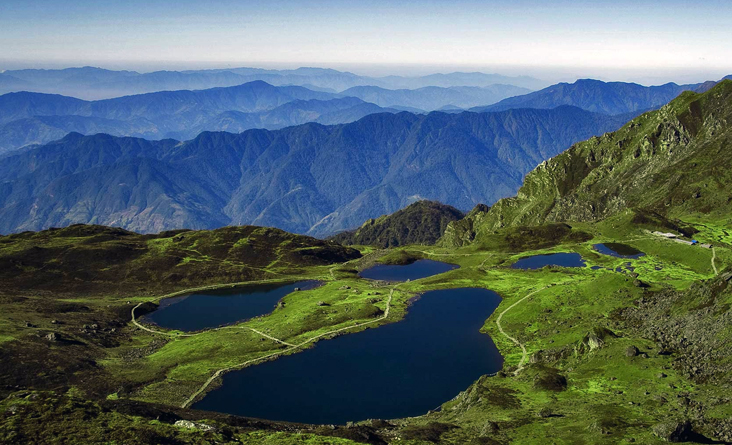
On the way down toward Gokyo, you get these intense sights of the turquoise Gokyo Lakes, shimmering far down below, and suddenly every hard step feels more than worth it. If you start early morning and hire an experienced local guide, it improves your safety a lot as well as the overall enjoyment of crossing this beautiful Himalayan pass.
When is the best time to visit Gokyo Ri?
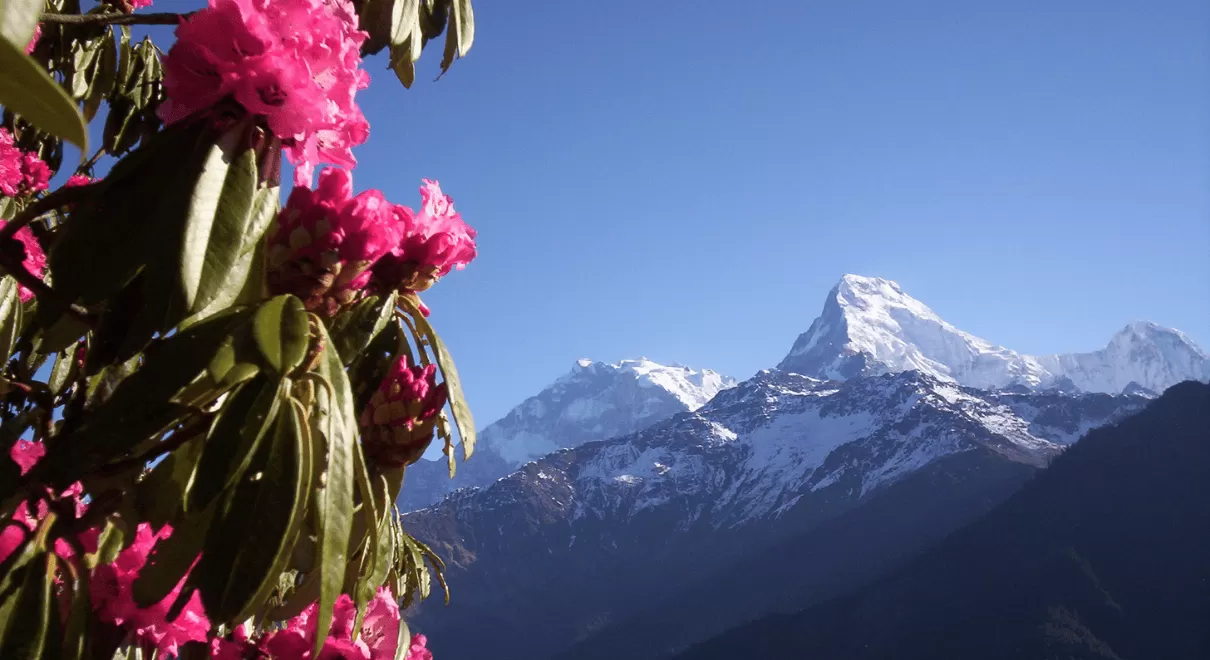
Honestly, the best time to go up Gokyo Ri is usually in spring, from March to May, and also in autumn, from September to November. In both windows you’ll get the cleanest sky, steadier weather vibes, and the kind of free-flowing, unobstructed sightlines where Mount Everest, Lhotse, Makalu, and Cho Oyu look like they’re standing right up above the Khumbu Valley. Spring in particular brings extra charm; the rhododendron woodlands along the lower path burst into bloom, and it almost paints the slopes with bright pink-red tints, kind of like someone mixed vivid pigment. Autumn, meanwhile, tends to give you crystal-clear visibility plus pleasantly cool air, which feels just right for higher-elevation trekking and climbing. If you try the early morning summit push for Gokyo Ri, you’ll often catch the most dramatic golden sunrise panorama, stretched over the whole Himalayan skyline, and this happens in both seasons.
Is Cho La Pass dangerous?
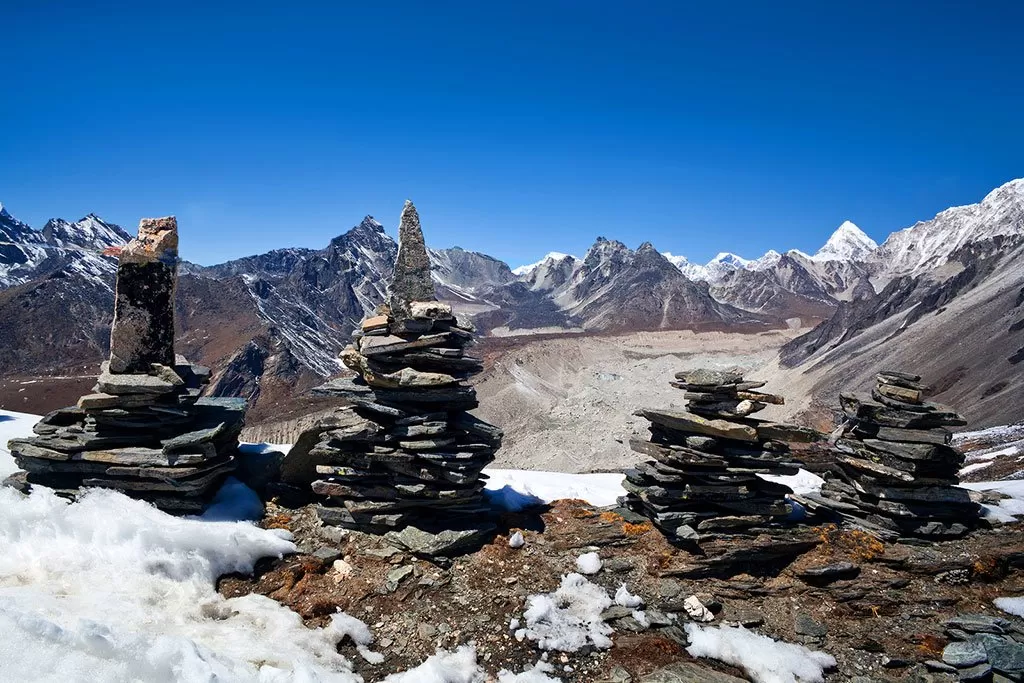
Cho La Pass at 5,300 meters carries real risks that every trekker has to take seriously and honestly prepare for thoroughly. The upper stretch of the pass is basically coated in ice year-round, plus compacted snow, and it makes your footing kind of shaky and not really safe unless you have the right gear. Also, abrupt weather shifts can happen without much warning. You might get an afternoon whiteout, or a layer of fresh overnight snowfall that changes everything in a short time, and then that crossing can turn into a genuinely risky situation. Still, if you prepare the right way, Cho La Pass gets crossed by thousands of trekkers each year.
The key safety steps are pretty clear: hire a skilled local guide, wear crampons, carry trekking poles, and start before dawn. And please, always check the latest weather and trail conditions just before you attempt it. Treat the mountain with respect, and it will reward you magnificently.
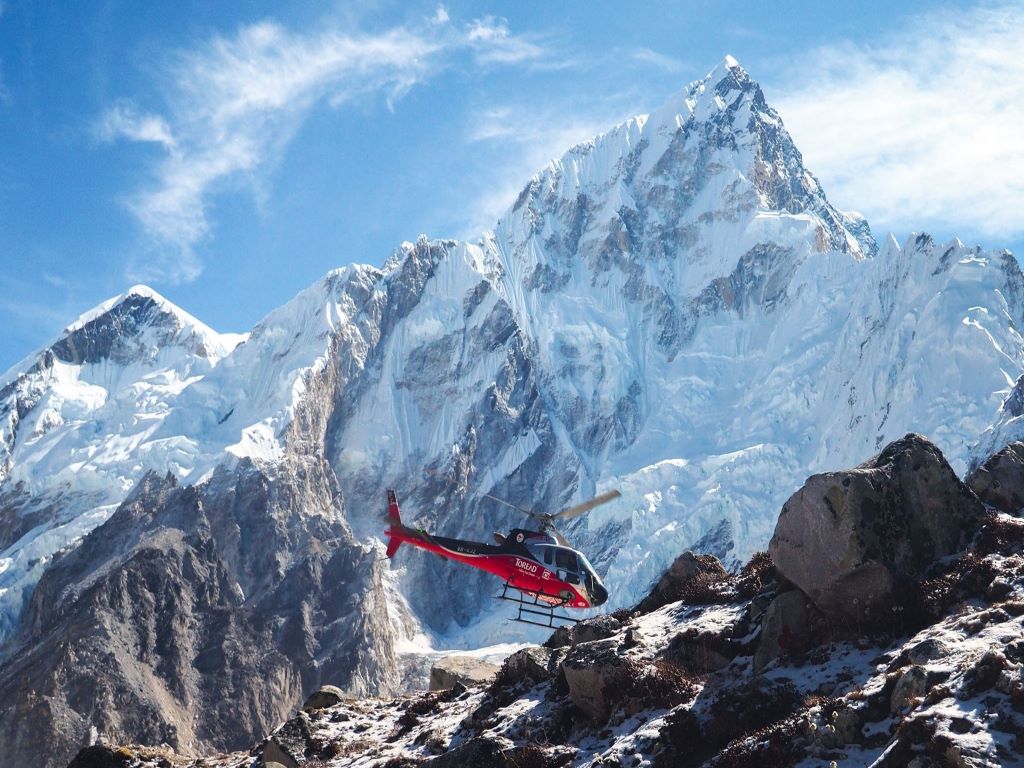
Exciting mountain flight Kathmandu / Lukla: Fly up above breathtaking Himalayan peaks on a thrilling, kind of scenic flight to the legendary Lukla airport.
Namche Bazaar Gateway of Mt. Everest: Explore this legendary mountain town where Everest dreams and Sherpa heritage beautifully come alive.
Two high passes cross — Renjo La Pass (5,345m) and Cho La Pass (5,300m): Conquer two dramatic glacier passes, and you will get an unforgettable raw Himalayan adventure plus that seriously high-altitude achievement.
Climbing Gokyo Ri (5,483m): Go up this magnificent summit, and it rewards trekkers with one of the Himalayas' most spectacular panoramic viewpoints.
Climbing Kalapathar (5,555m): Arrive at this iconic high summit for the closest and most dramatic views of Mount Everest.
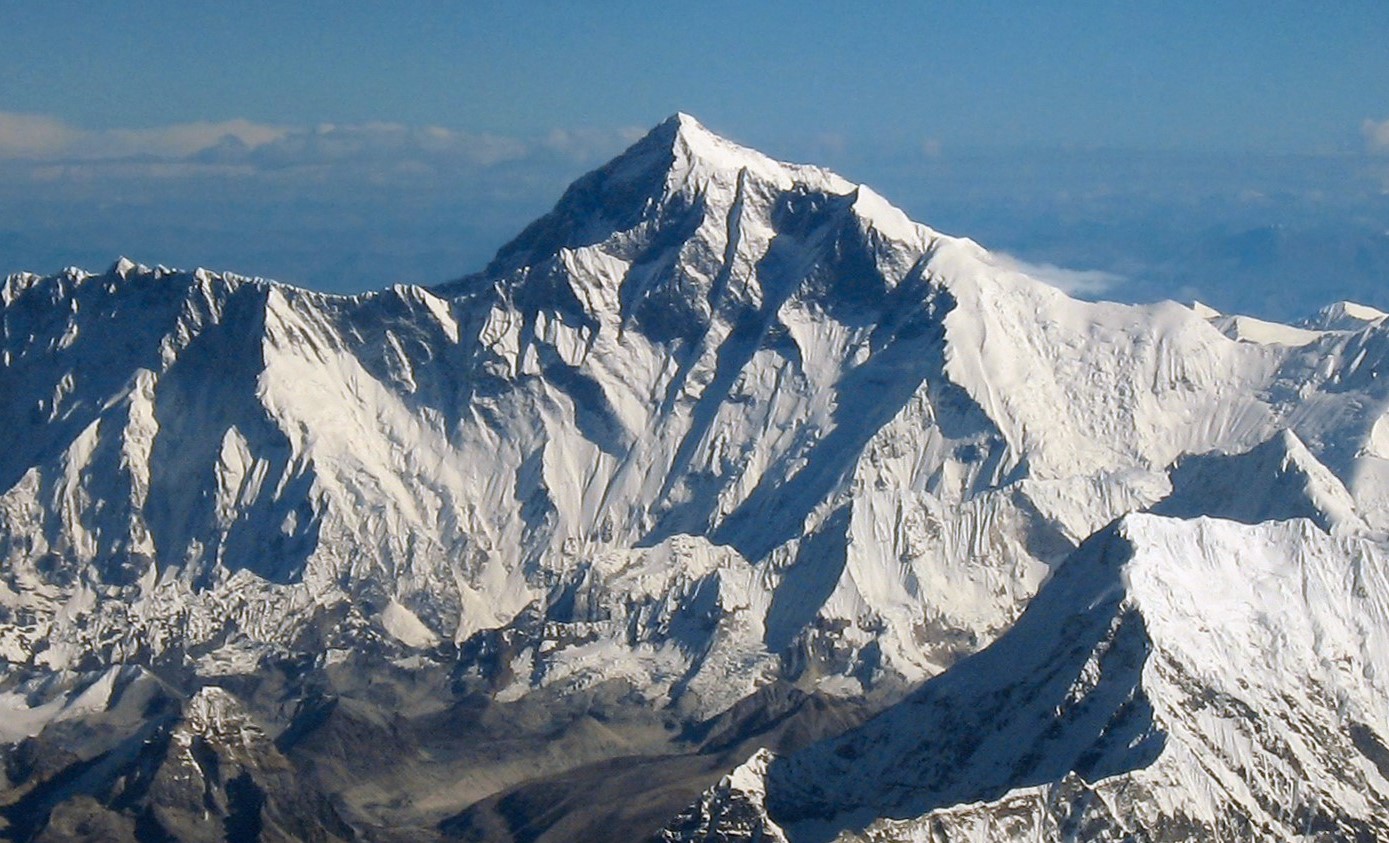
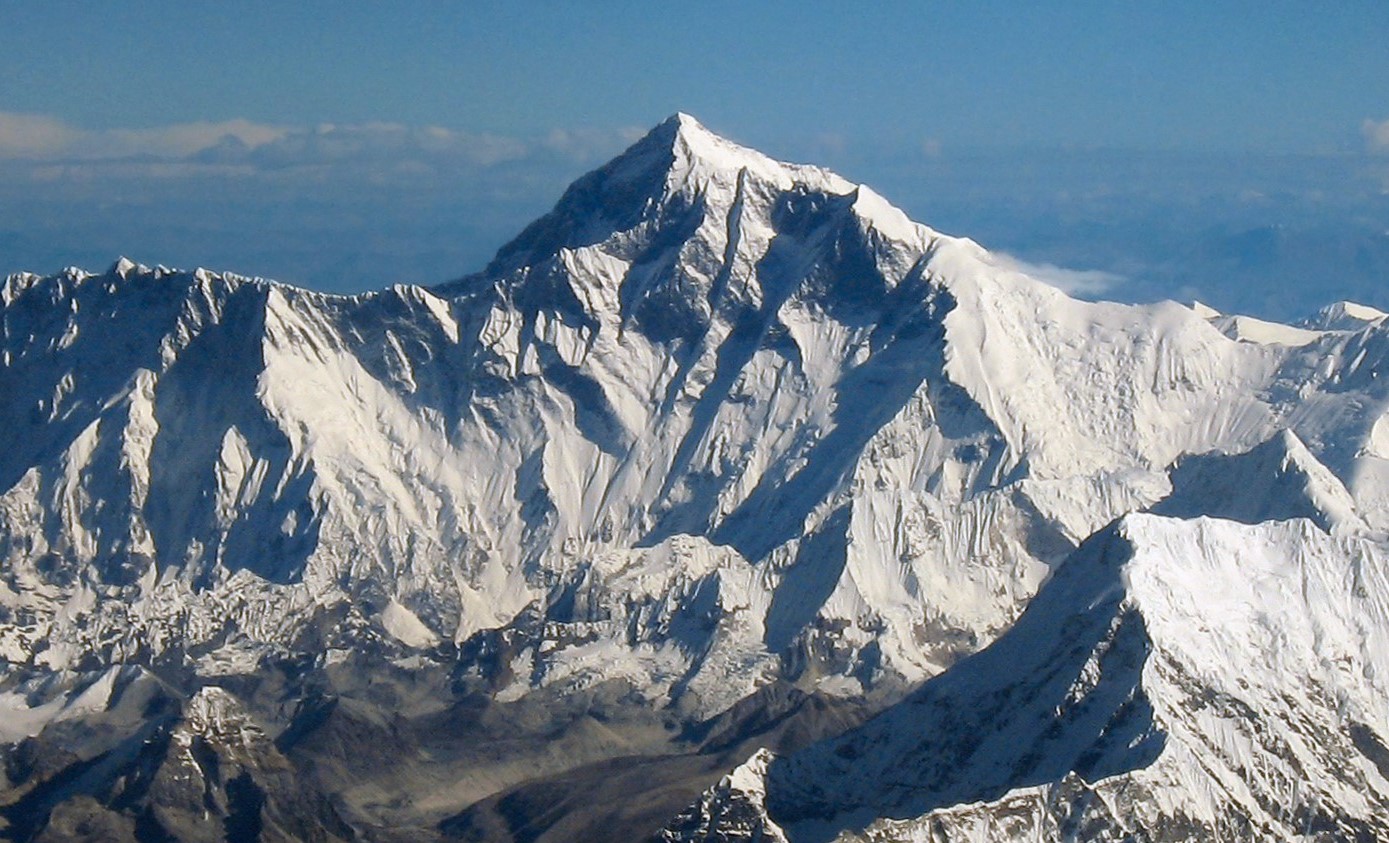
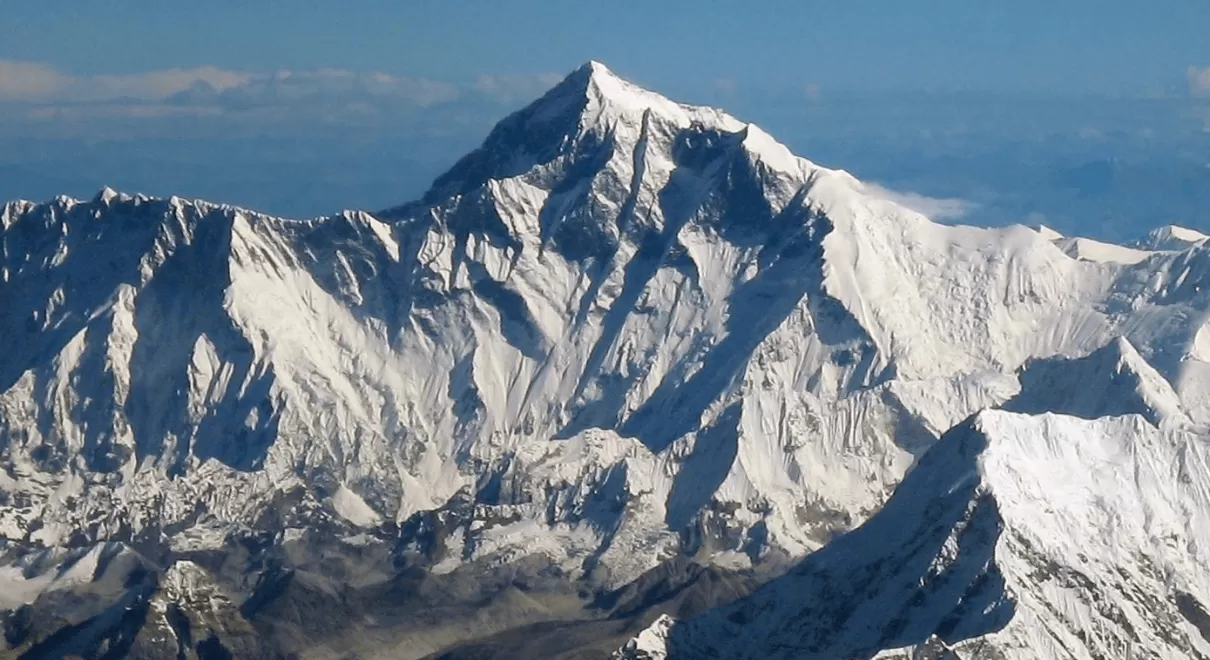
Great view of Mt. Everest, Mt. Lhotse and other mountains from Gokyo Ri and Kalapathar: See Earth’s mightiest peaks rising proudly over clouds, from those two extraordinary high altitude Himalayan viewpoints.
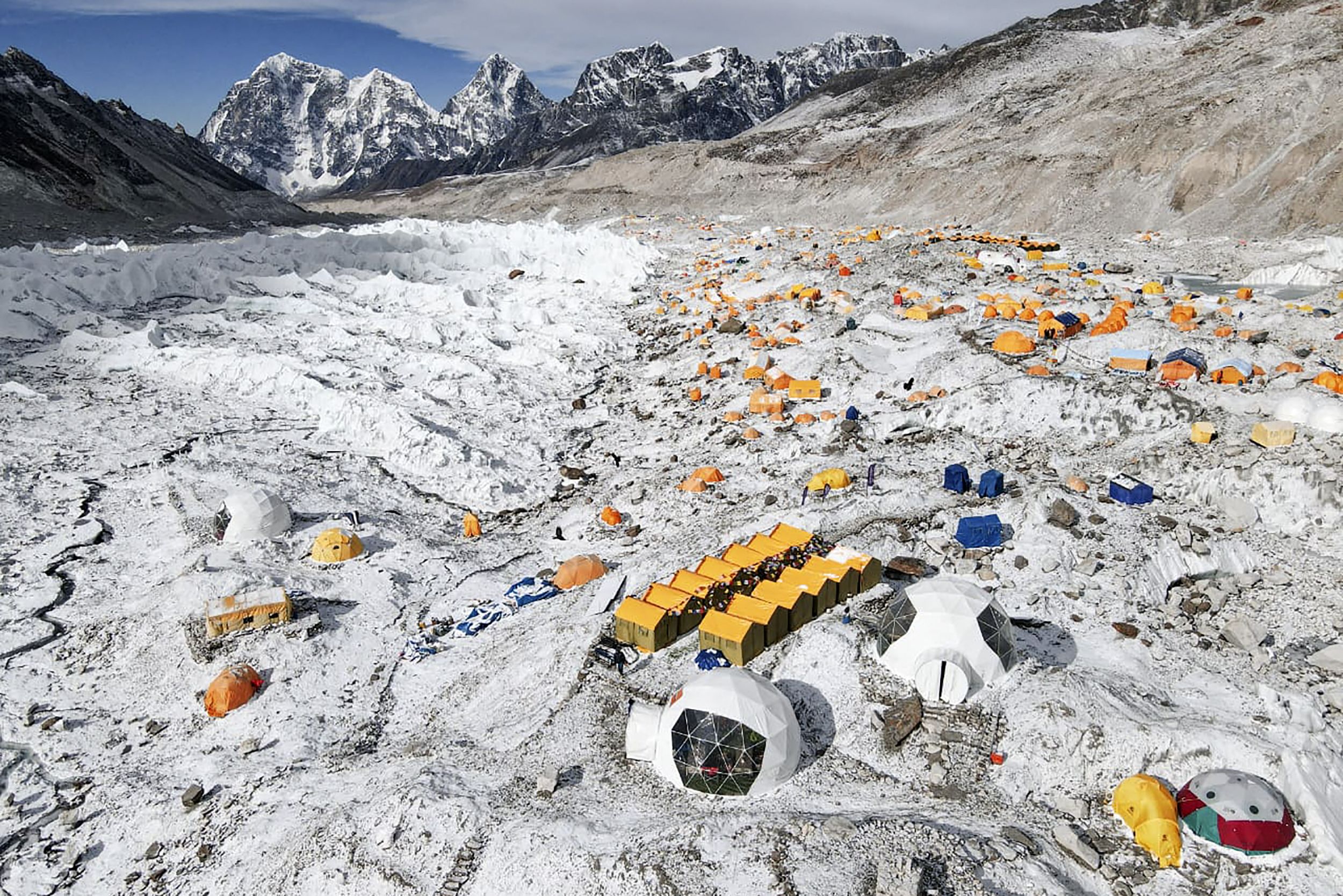
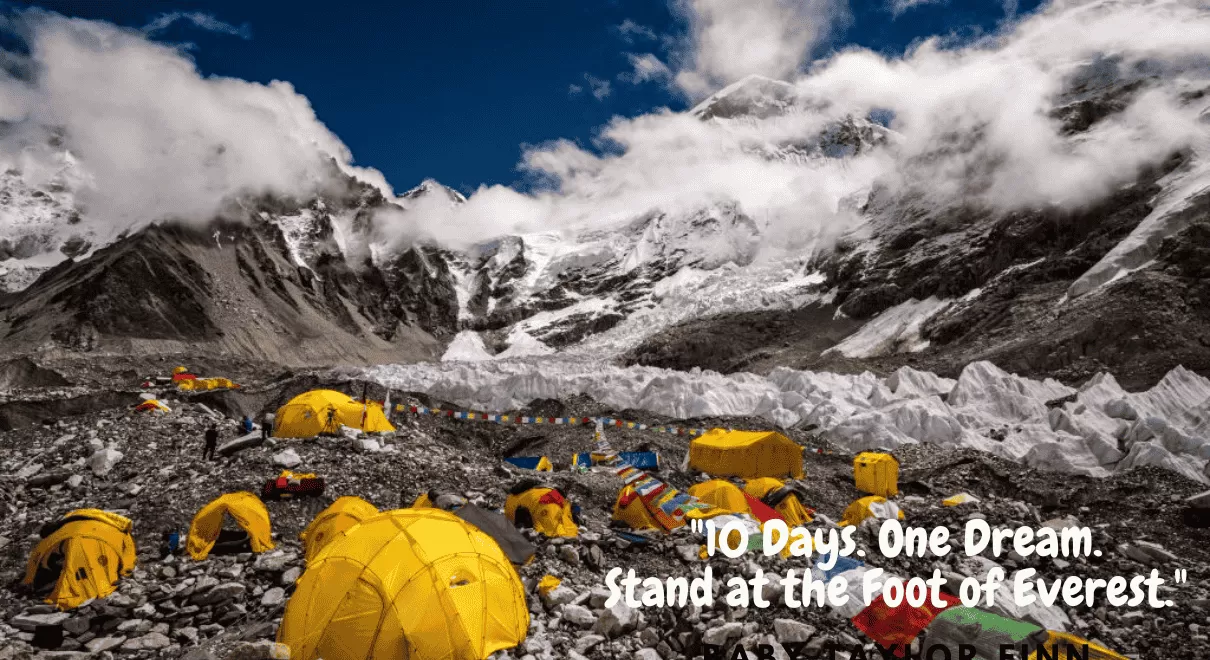
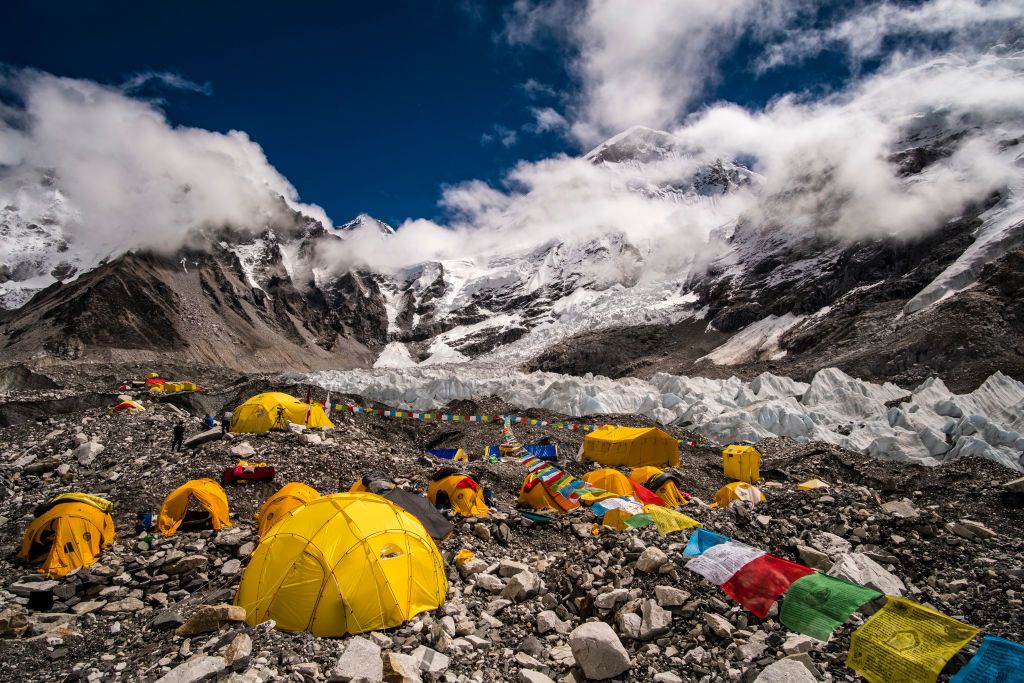
Everest Base Camp, Ngozumpa, Khumbu Glacier and Icefall: Stand near legendary glaciers and the icefall where the world’s greatest mountaineering adventures begin every day boldly.
| 1 | 2 | 3 | 4 | 5 | 6 | 7 | 8 | |
| USD 1950 | USD 1325 | USD 1320 | USD 1145 | USD 1140 | USD 1115 | - | USD 1110 | |
| USD 2615 | USD 1990 | USD 1980 | USD 1799 | USD 1790 | USD 1770 | - | USD 1765 |
Start From
Get personalised guidance for any Nepal adventure — with expert planning and safety support.
We offer expert advice, flexible options, and tailor-made itineraries.

The Renjo La, Gokyo Cho La EBC trek with Himalayan Smile Treks was basically the ultimate Everest adventure, in my opinion. Guide Lakpa Sherpa somehow led us with real confidence across both high passes while also making sure acclimatization stayed safe and steady. We got to see the Gokyo Lakes, Everest Base Camp, and that nonstop mind-blowing Himalayan scenery. It felt like one of those trips you don’t really forget, even after time passes.
Himalayan Smile Treks organized a pretty outstanding Renjo La, Gokyo, Cho La, and EBC trek. Guide Karma Sherpa was knowledgeable, patient, and supportive pretty much the whole time, like step by step and all that. I kept thinking we would get the basics only, but crossing Renjo La and Cho La, then visiting the Gokyo Lakes, and finally arriving at Everest Base Camp really went beyond what I was expecting. Everything felt smooth, kind of thoughtful, and quietly memorable.
Renjo La Gokyo Cho La EBC Trek was like way beyond what I expected, honestly. Guide Chiring Sherpa just handled everything in such a professional way, and somehow the tough days felt kind of fun… not easy, but enjoyable. The turquoise Gokyo Lakes, those fierce glaciers, wide panoramic mountain views, plus reaching Everest Base Camp, all stitched together into a truly unforgettable Himalayan trek, with Himalayan Smile Treks.
Himalayan Smile Treks really delivered this sort of amazing Renjo La Gokyo Cho La EBC trek, and honestly, it felt kind of unreal. Our guide Dawa Sherpa did a lot of things right, like he made sure safety was solid, the acclimatization stayed gradual, and our lodging was comfy. I mean, the mix of Everest Base Camp, Gokyo Valley, plus the two spectacular high passes—it all came together and became the best journey of my life.
Renjo La Gokyo Cho La EBC Trek with Himalayan Smile Treks it was this incredible high altitude journey, you know? Guide Namel Dherpa was really experienced, and also friendly, encouraging in a steady way through out the whole trip. Each day, kept giving these magnificent Himalayan panoramas, plus real Sherpa culture that felt close and unhurried. There were also moments you do not forget, like when you cross Renjo La and Cho La Passes, kinda one after another , before finally reaching Everest Base Camp.

$1105
$990
$1020
$1045
$995
$1200
$1100
$1035
$880
$1395
$990
$
$1045
$2100
$890
$4780
$
$2885

↑
.png "NTB")
.png "Pata")