Country
Nepal
Duration
18 Days
Maximum altitude
3800 m.
Activity
Trekking
Difficulty
Moderate / Difficult
Best Season
September, October, November, December, February, March, April
Accomodation
Included
Meals
Included
Start/End Point
Hille/Lukla

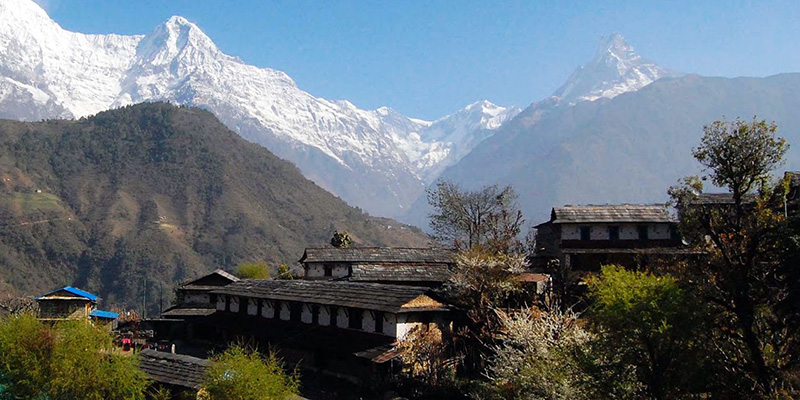
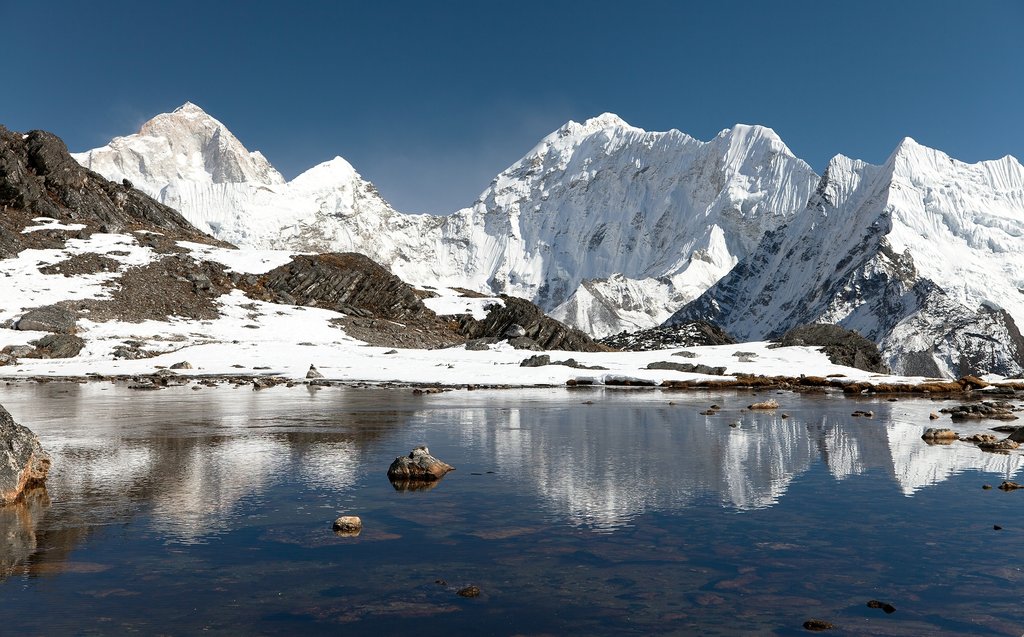
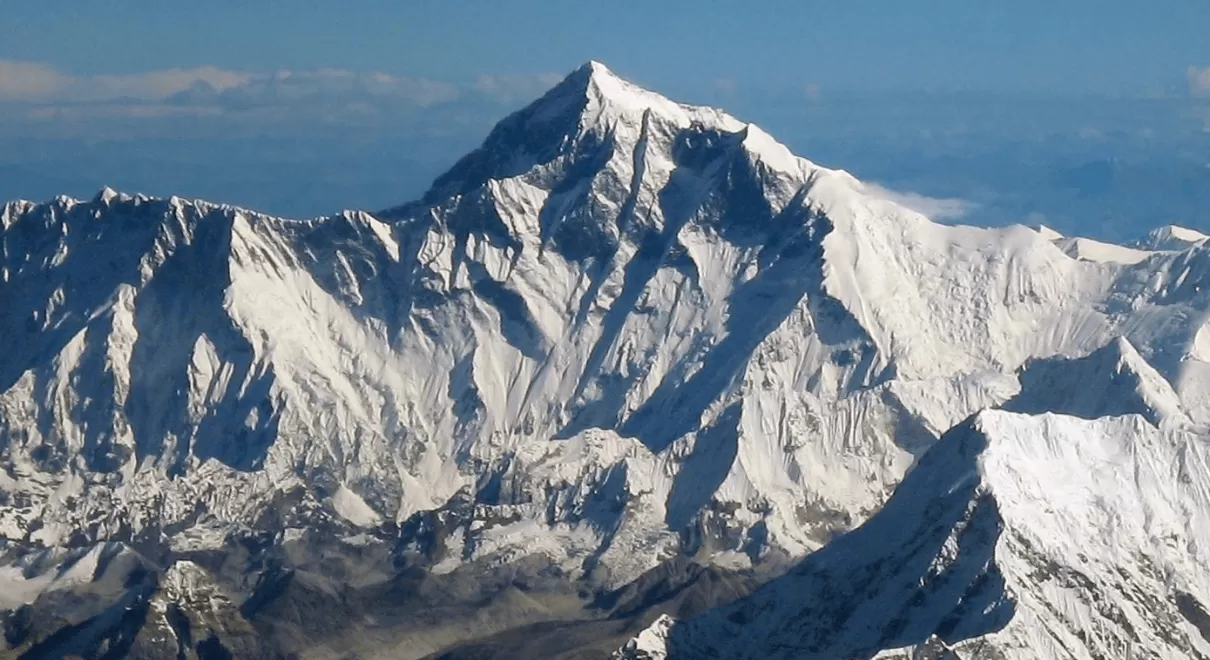
The Arun Valley trek provides really superior views of both Mt. Everest and Mount Makalu. It is located between Sagarmatha and Makal-Barun National Park. Still, Arun Valley is a non-touristic area, but it has significant views of Mt. Everest, Makalu, and hundreds of other mountains right in your eyes. The Arun Valley trekking is a marvelous and easy trekking trail for trekkers who do not want to encounter a mass influx of tourists on the way but want to equally enjoy beautiful natural scenery and splendid views of silvery mountains. The tempting views of the Arun River and valleys can be seen along the way of trekking. The area of Arun Valley is blessed with an incredible diversity of natural beauty and culture. Sherpa, Rai, and Limbu are the main inhabitants of this trekking area. You start your trek from Hille Bazaar, a famous small market in eastern Nepal, around a four-hour drive from Biratnagar Airport, and end it in Lukla Bazaar. You will have short domestic flights from Kathmandu to Biratnagar and from Lukla to Kathmandu.
Arun Valley Trekking is, in my opinion, one of Nepal's most rewarding but still pretty underexplored adventures, following the Arun River along the remote eastern hills, almost like a quiet thread in the landscape. It is a bit different from the crowded routes around Everest Base Camp Trek or Annapurna Circuit Trek because here you get a real chance to feel Nepal’s wilderness and culture, with less noise and more breathing space…so it suits travelers who want authenticity rather than just crowds and checkpoints.
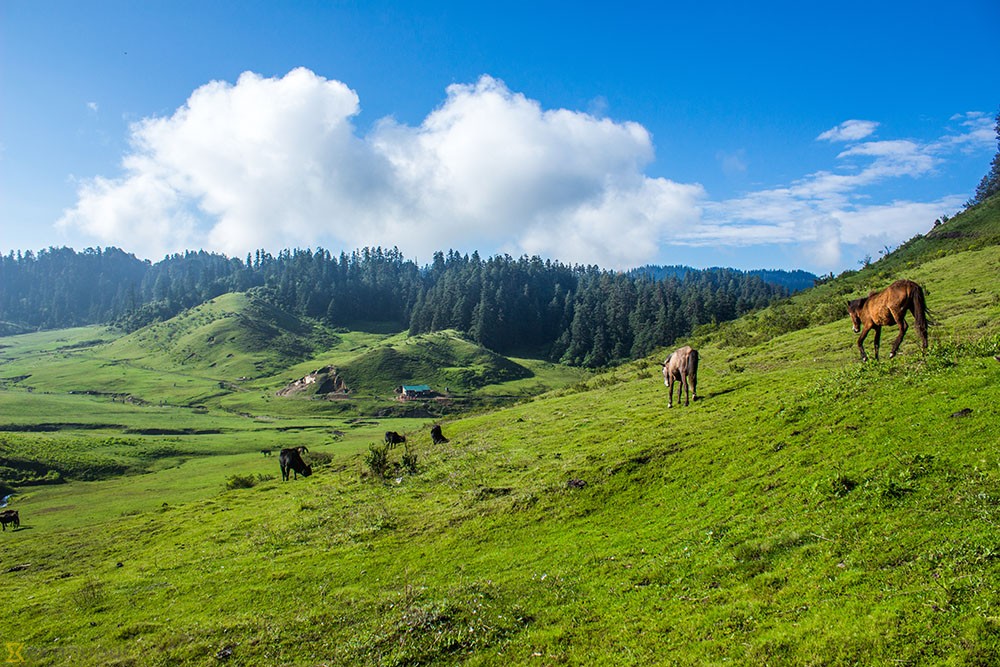
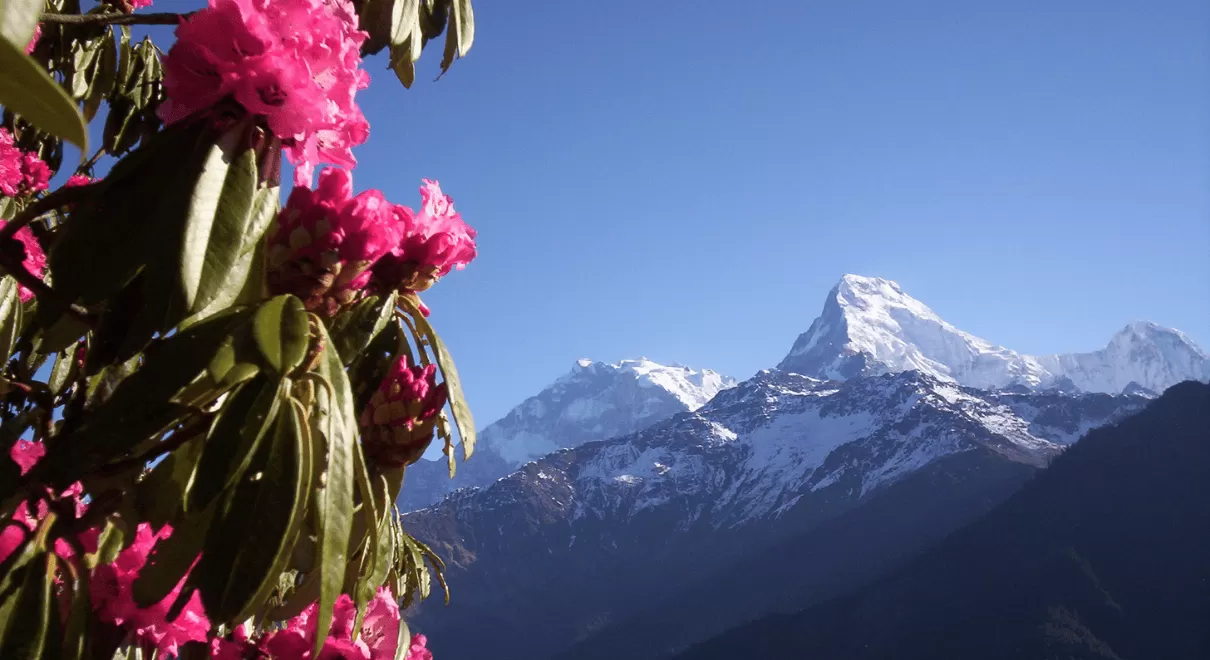
The path wanders through mixed scenery, starting in subtropical lowlands and terraced fields, then easing into thick forests, where rhododendron, oak, and bamboo show up together like a kind of living tapestry. After that, the trail opens out, and suddenly there are wide, clear views of the eastern Himalaya, including Makalu, which is the world’s fifth-highest peak, very dramatic, even when the weather is not perfect.
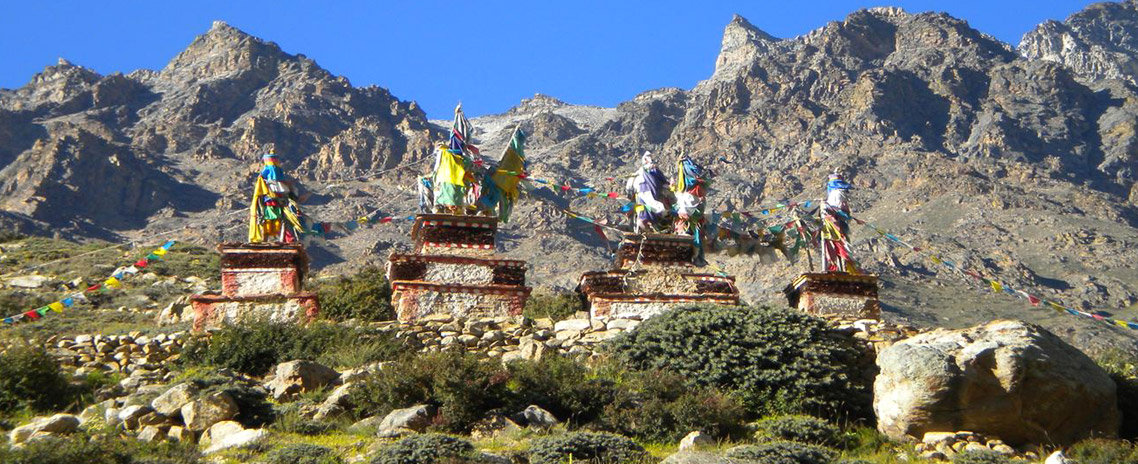
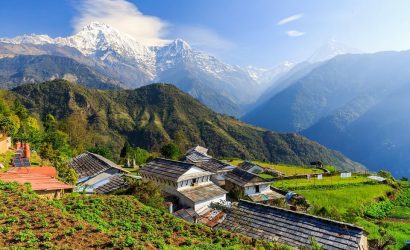
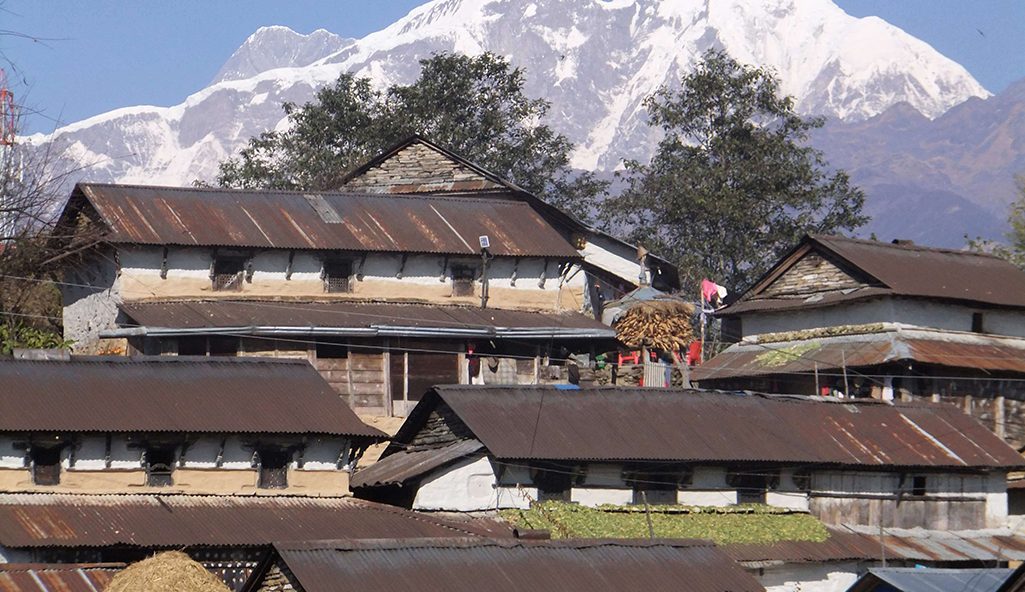
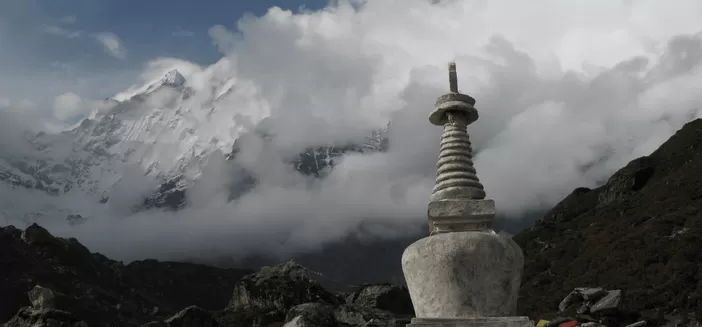
Along the way you’ll pass through villages where the Rai, Sherpa, and Limbu people live, and this is where it gets interesting, because you can see everyday habits up close, their customs, their warm hospitality, and that simple mountain rhythm that doesn’t feel staged. Most of it stays largely untouched by mass tourism, which, honestly, makes it feel more human.
Also, the Arun Valley sits inside Makalu Barun National Park. So, the region supports serious biodiversity: rare birds, red pandas, and a wide range of plant life moving across several ecological zones, kind of like different worlds within the same journey. Since fewer trekkers come through, the teahouses tend to be simpler, the pace is slower, and you end up with more time to connect with nature and local life, instead of rushing through.
If you’re the type who wants adventure beyond the ordinary, Arun Valley Trekking brings a raw, immersive, and truly unforgettable Himalayan experience, where everything feels a little closer and a little more real.
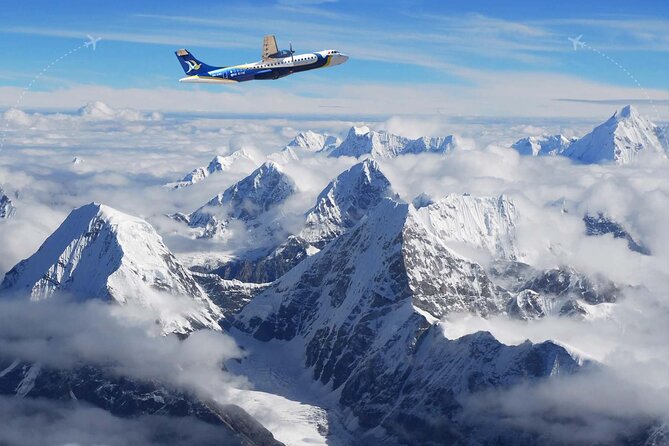
Flights: You can fly via scenic routes from Kathmandu to Biratnagar , and then continue up to Lukla, before you head back to Kathmandu—so it kind of bookends the trek in one easy rhythm.
Diversity: Expect a trail that’s almost annoyingly varied, with sweeping landscapes, shifting weather moods and cultures woven together in a single, memorable Himalayan trekking adventure.
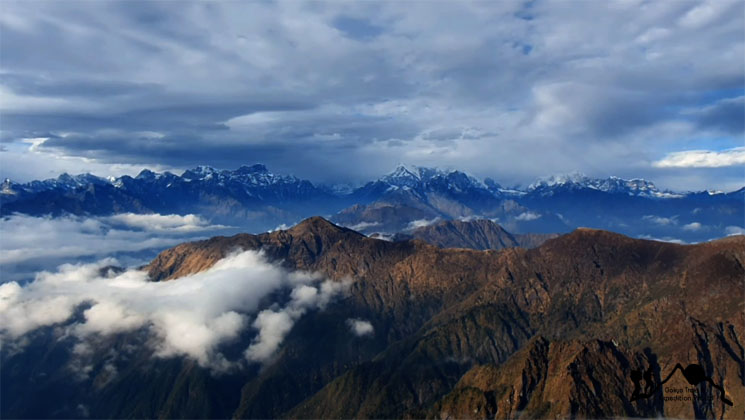
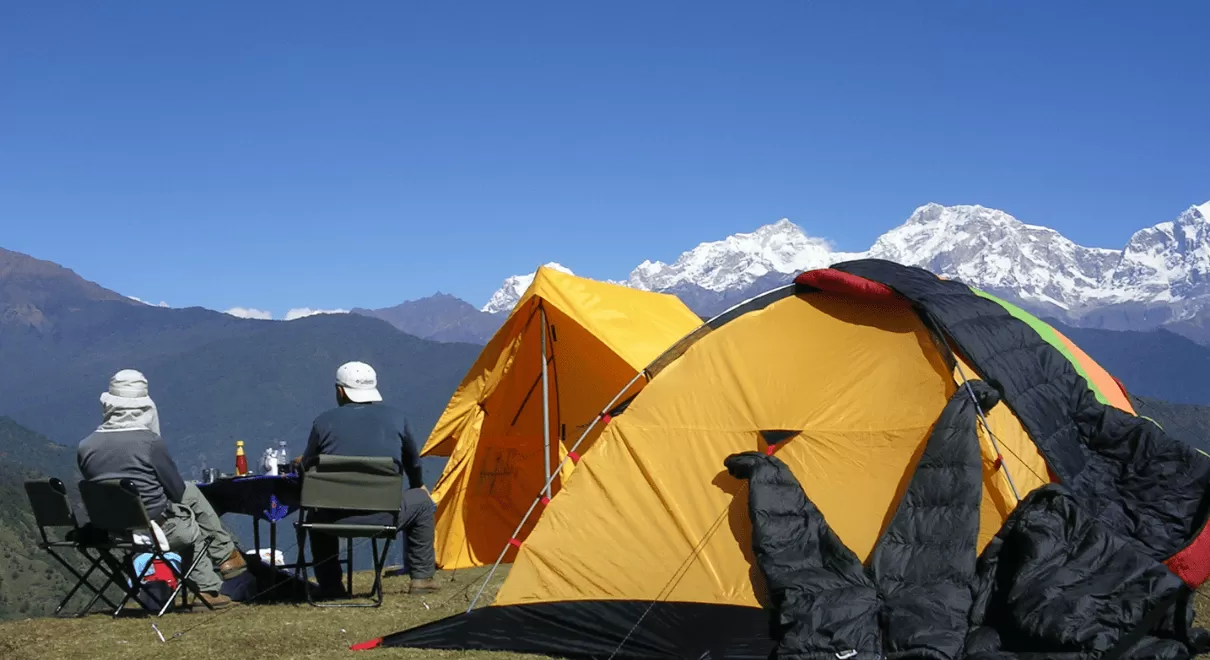
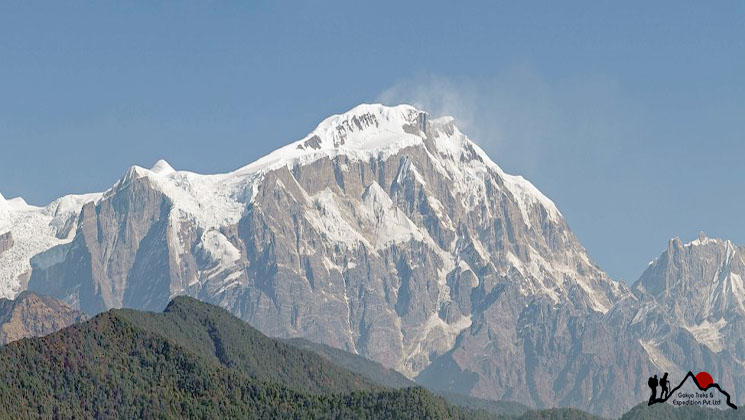
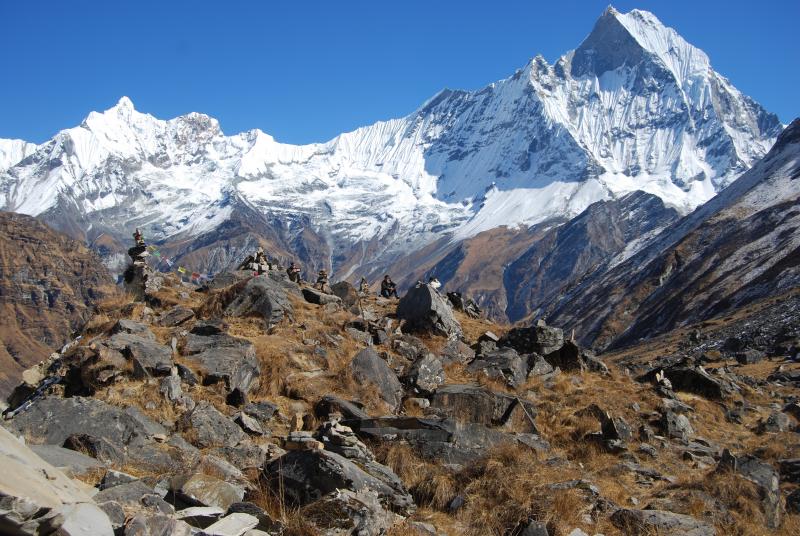
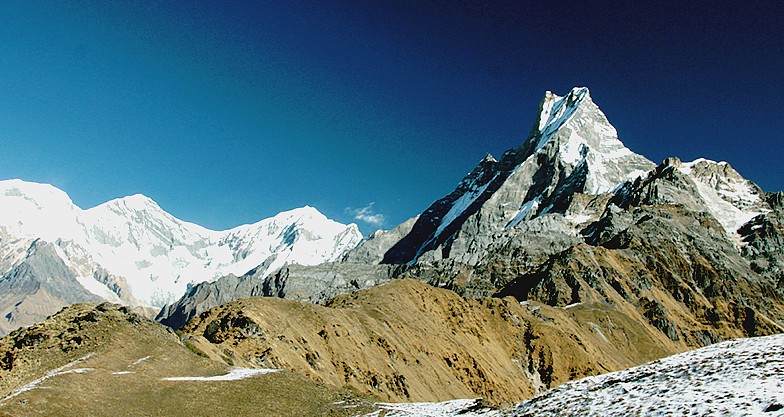
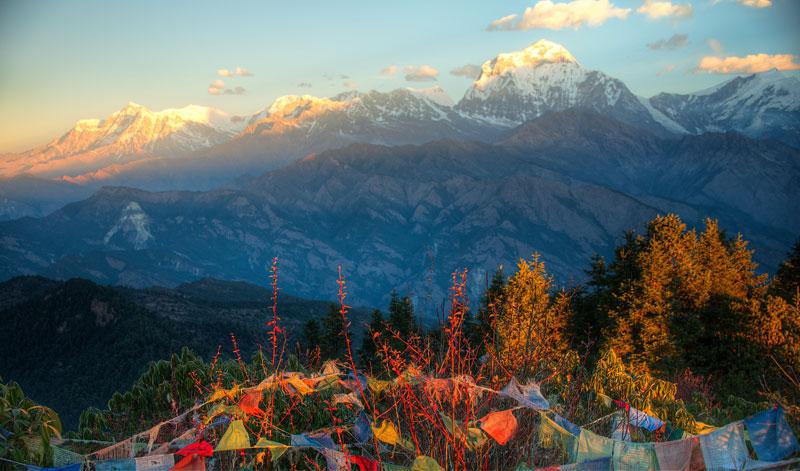
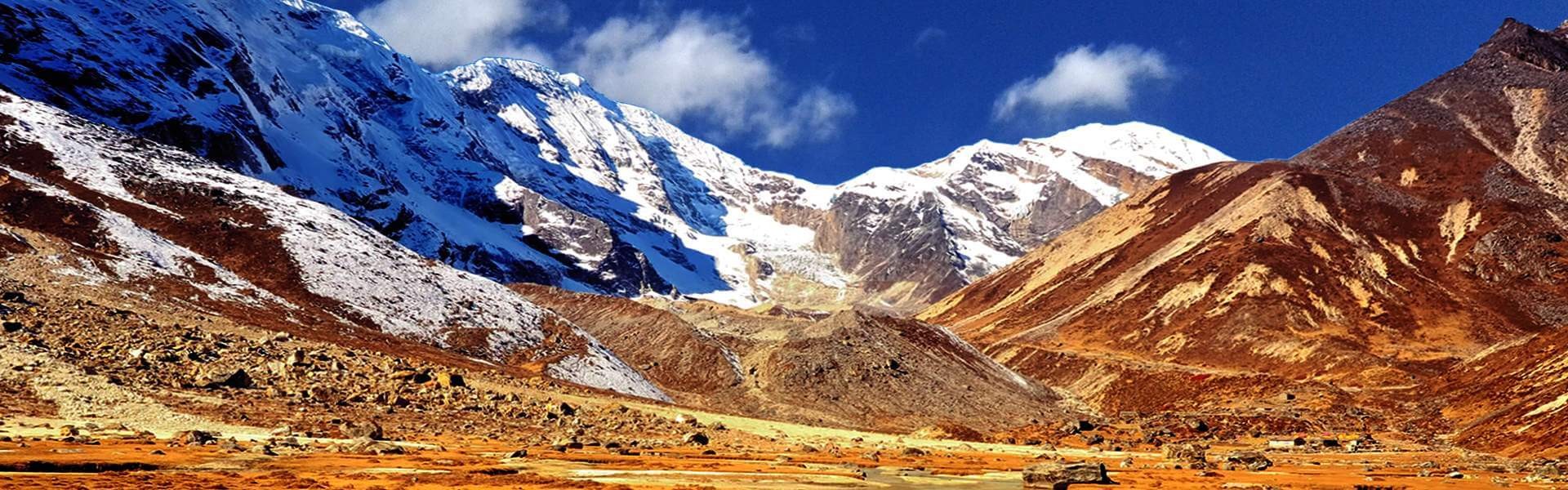
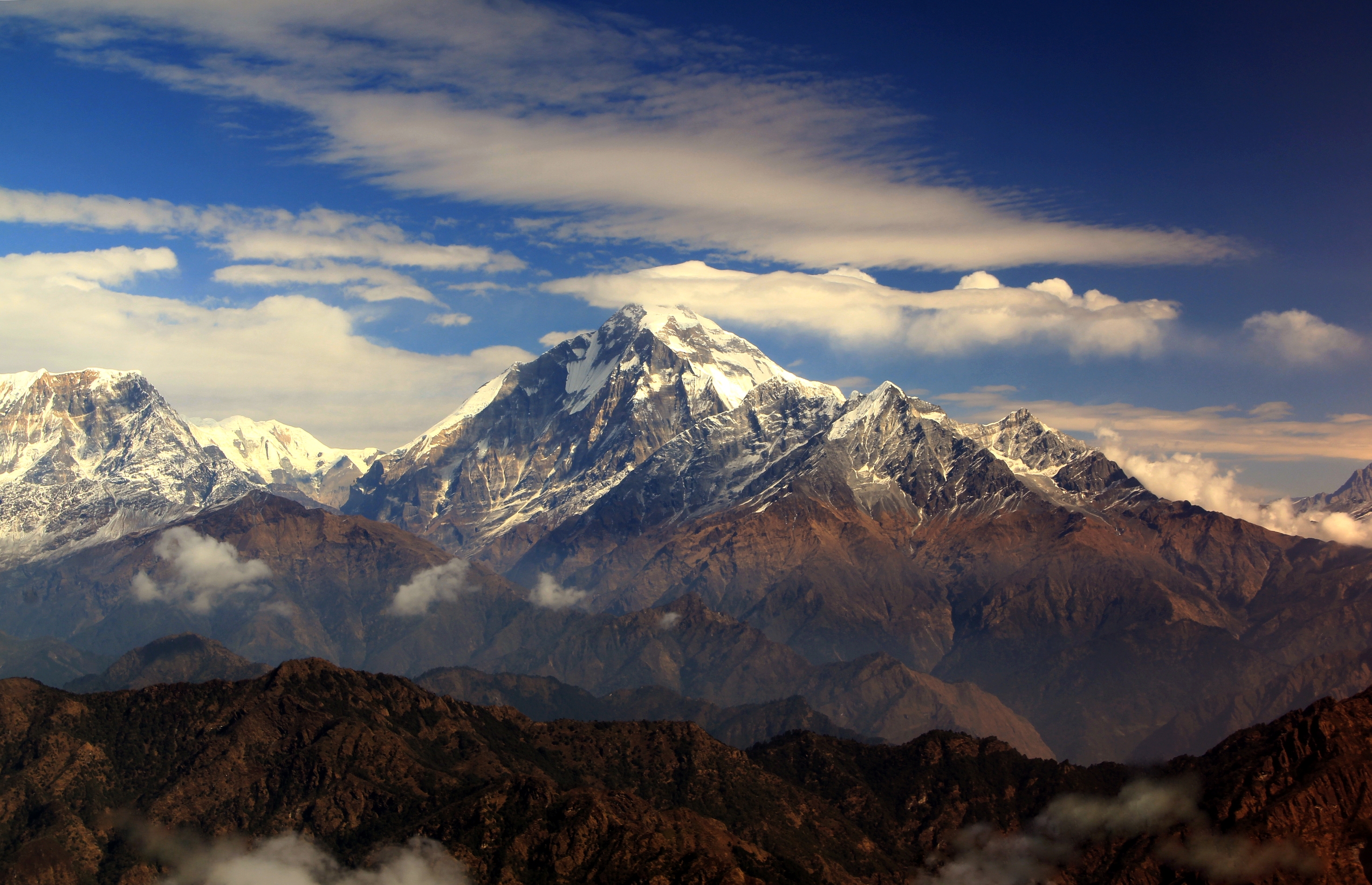
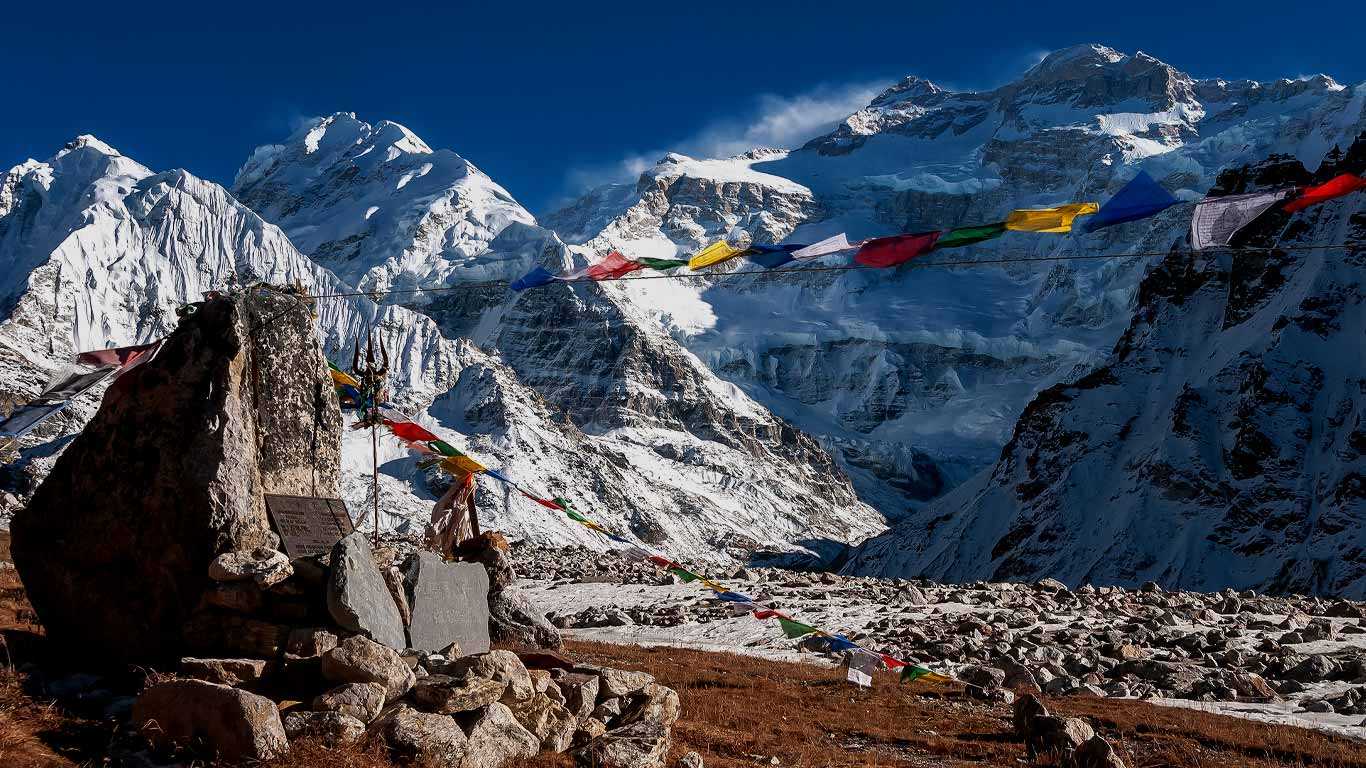
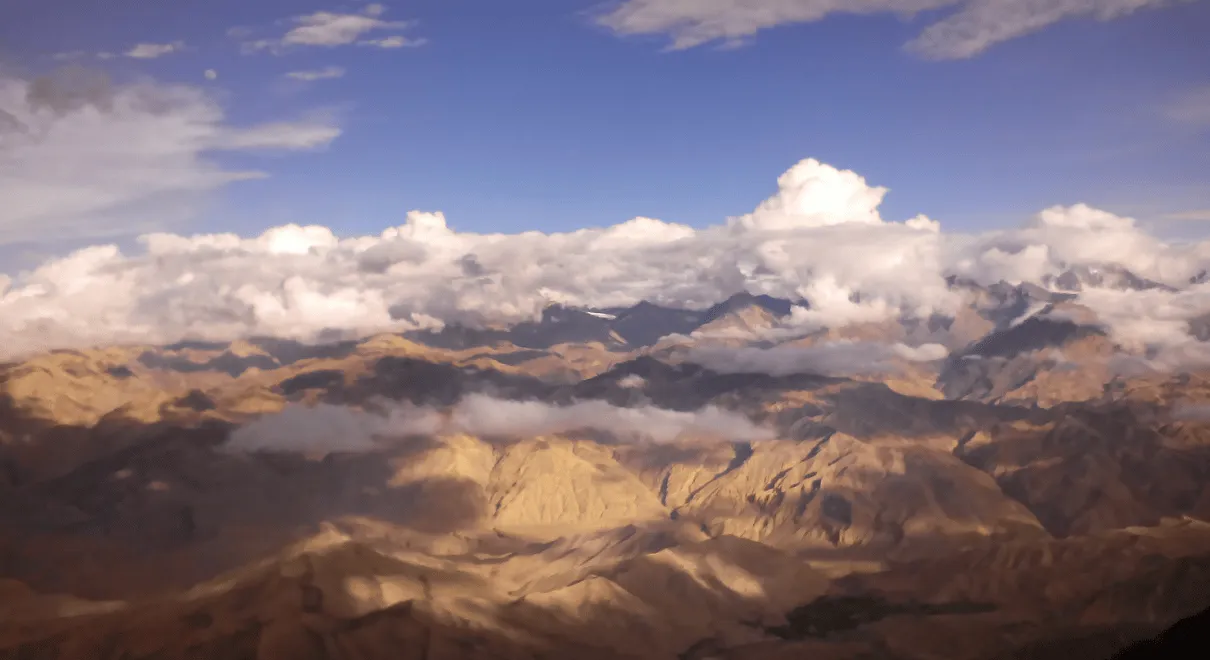
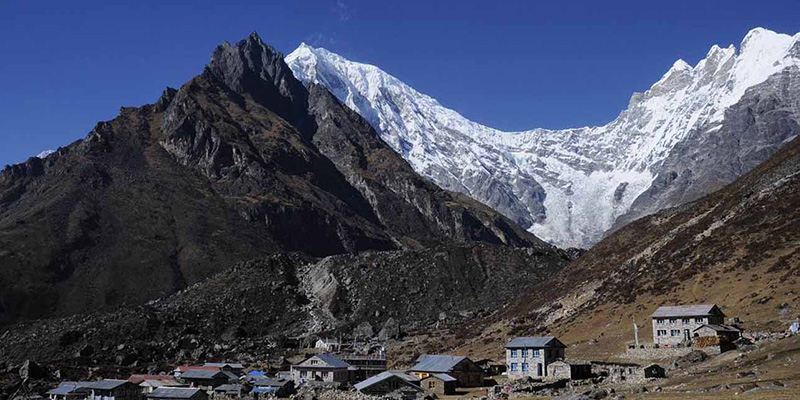
Mountain Views: Throughout the journey you’ll see jaw-dropping panoramas of Everest and Makalu, plus hundreds of other snow capped peaks, kind of everywhere you look.
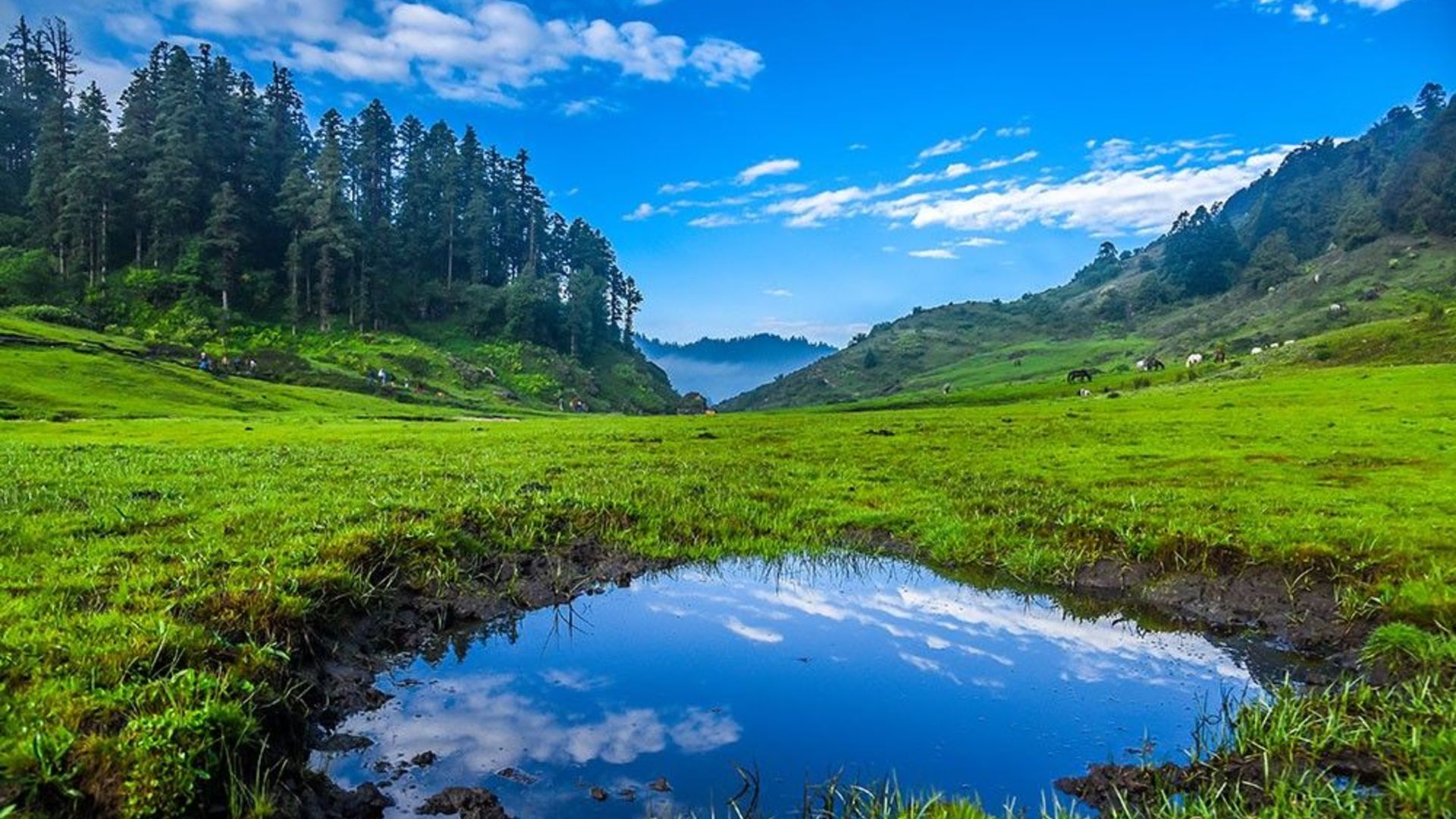
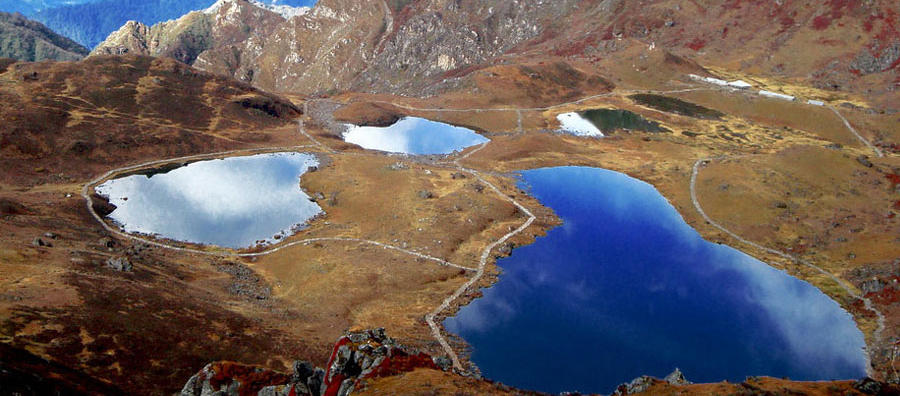
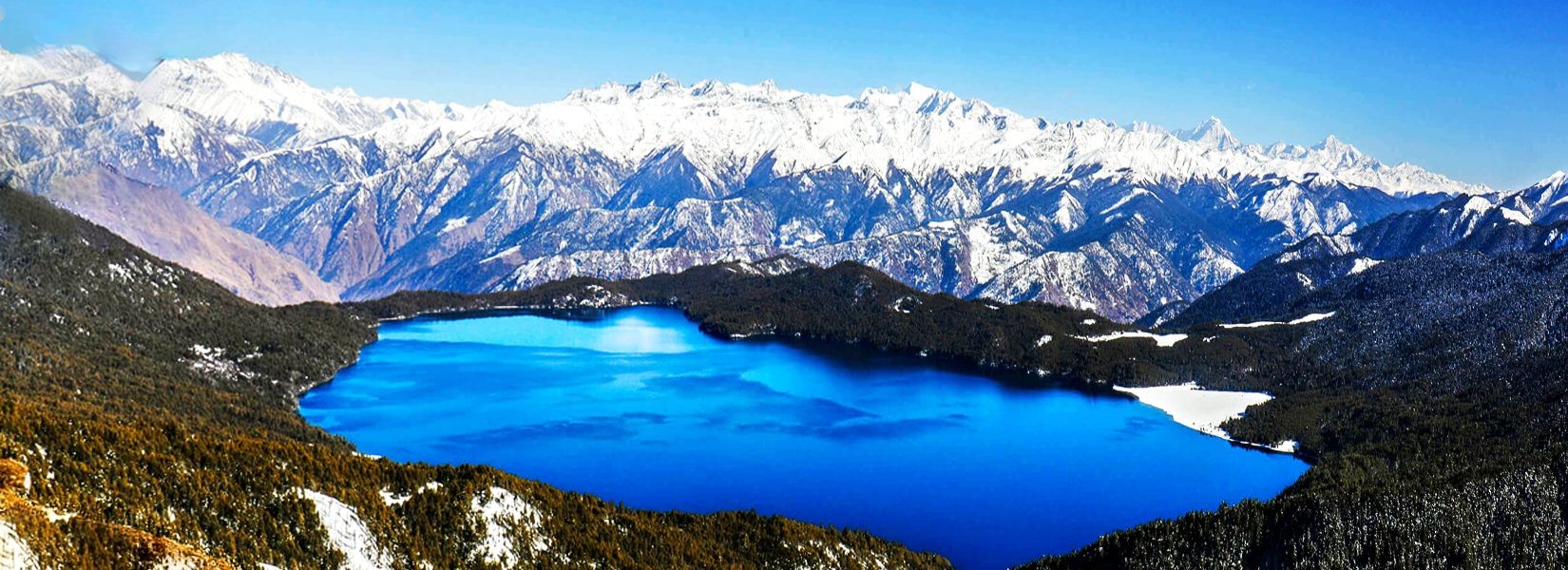
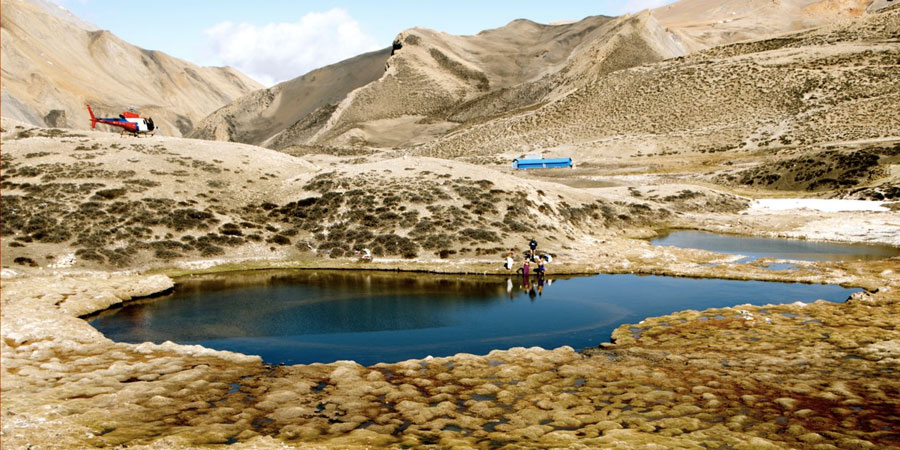
Salpa Lake: Make time for sacred Salpa Lake at 3,414m—this revered Hindu pilgrimage spot sits deep in pristine wilderness, quiet and pretty wild.
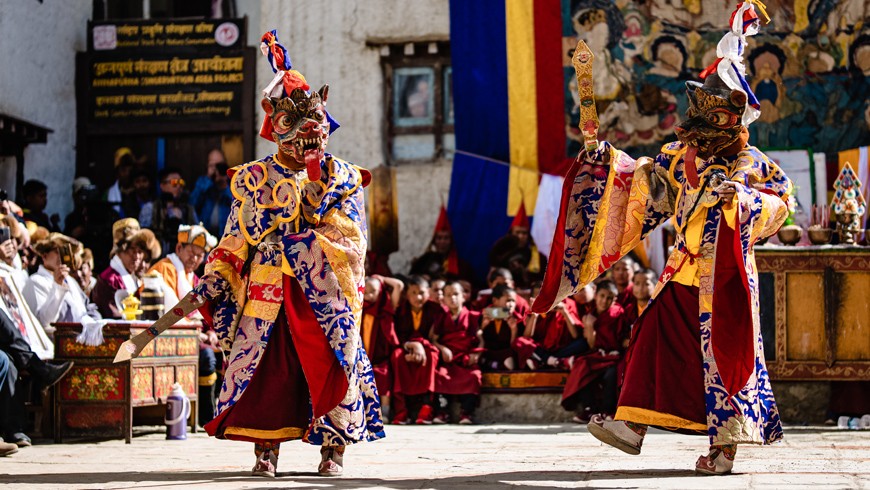
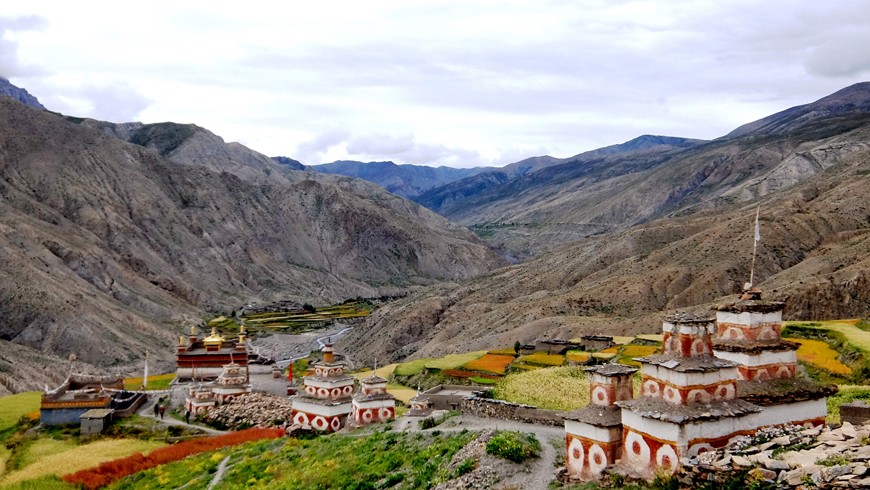
Local Culture: Immerse yourself in real Sherpa, Rai and Limbu daily life, the mountain communities of Nepal with their traditions, stories, and small rituals.
Fewer Crowds: Choose a calmer trekking path with fewer people around, away from the usual busy tourist corridors, so you can get real solitude and more genuine moments.
Start From
Get personalised guidance for any Nepal adventure — with expert planning and safety support.
We offer expert advice, flexible options, and tailor-made itineraries.

The Arun Valley trekking experience was an incredible journey through one of Nepal's beautiful and less-crowded regions. The peaceful trails, traditional villages, lush forests, and spectacular Himalayan views made every day memorable. Our guide was knowledgeable and supportive throughout the adventure.
Himalayan Smile Treks organized an excellent Arun Valley trekking adventure. I loved walking through remote villages and experiencing authentic local culture away from the busy trekking routes. The changing landscapes and mountain scenery were spectacular, while our guide provided excellent support and information throughout the trek.
The Arun Valley Trek exceeded my expectations. The route offered a wonderful combination of forests, terraced hillsides, traditional settlements, and panoramic Himalayan views. Himalayan Smile Treks managed the logistics professionally, and our guide made the journey both informative and enjoyable.
I really enjoyed the Arun Valley trekking experience. The peaceful trails and remote mountain communities provided an authentic Nepal adventure. The scenery was beautiful throughout the journey, with impressive views of the surrounding Himalayas. Our guide was friendly, experienced, and attentive every day.

$
$
$
$
$
$
$
$
$
.jpg1459434035jpg "Great Himalayan Trail")
$
$
$
$1350
$
$
$
$

$
$
$1870
$2300
$
$
$


↑
.png "NTB")
.png "Pata")