Country
Nepal
Duration
7 Days
Maximum altitude
Activity
Trekking
Difficulty
Leisure / Moderate
Best Season
All year round (except July / mid September wet months)
Accomodation
Included
Meals
Included
Start/End Point

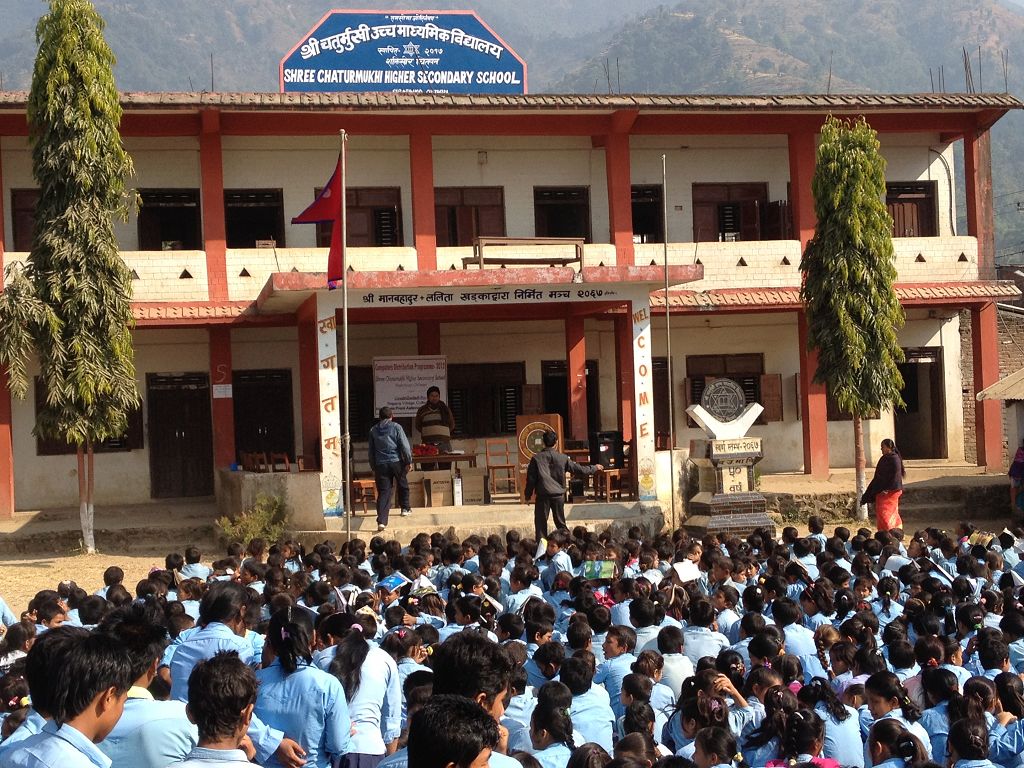
Schools' educational tour in Nepal offers students an unparalleled learning experience that goes far beyond any classroom. Nepal stands as the ultimate destination for school trips, college field studies, and university research programs because it contains the most biodiverse and culturally diverse ecosystems in the world. An educational tour to Nepal provides students studying ecology and anthropology, religion, and the arts with actual knowledge that transforms their understanding of the world.
The two exceptional ecosystems of the Himalayas and the subtropical Terai lowlands meet at the geographical point where Nepal exists. The geographical diversity of the area creates perfect conditions for both environmental educational activities and scientific research that requires outdoor study. Nepal protects 4 percent of global mammal species through its national parks, which include Chitwan and Bardia that shelter one-horned rhinoceroses, Royal Bengal tigers, and wild Asian elephants.
Students studying ornithology and environmental science at the university level should visit Nepal because it offers exceptional opportunities for their studies. The region has recorded more than 848 bird species, which account for 8 percent of all bird species worldwide, including the spiny babbler, which exists only in this location. Nepal serves as a natural research site for scientists who study biodiversity and conservation methods.
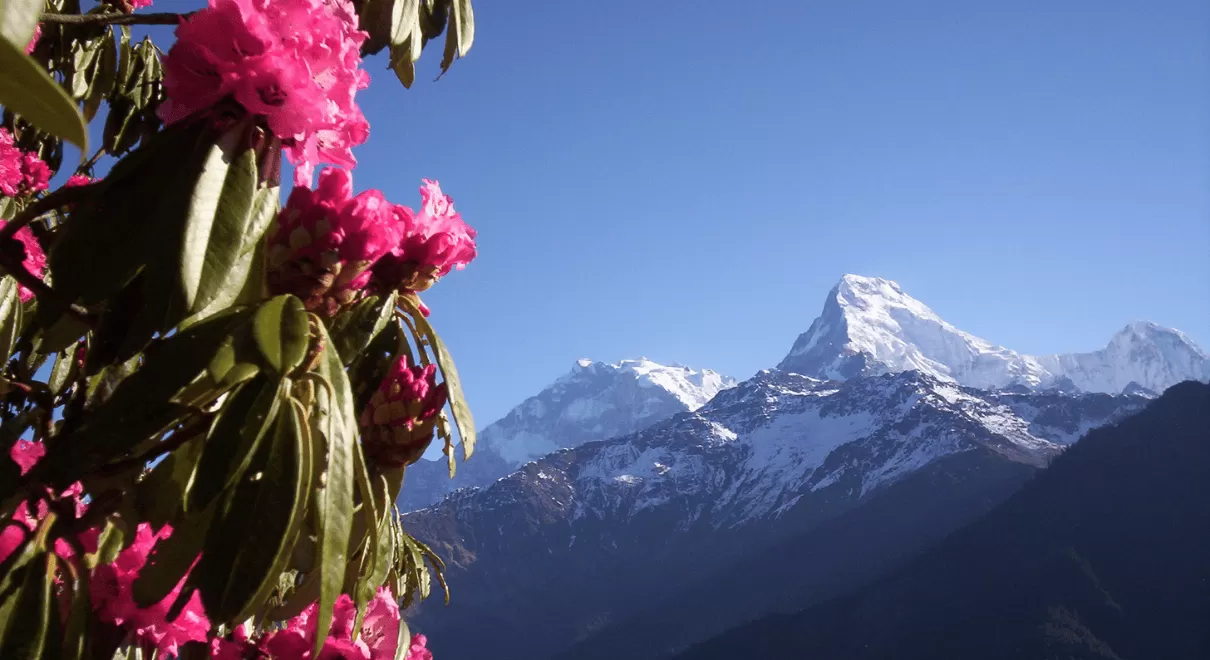
Nepal's natural environments, which extend to all areas of its territory, also support its diverse plant species. The country hosts more than 600 indigenous plant families, which represent approximately 2% of all flowering plant species that exist worldwide. The hillsides display dozens of native rhododendron varieties, while 11 of the 15 existing butterfly families can be found here, together with more than 500 documented butterfly species. The country of Nepal serves as a major research site for environmental scientists because it contains 19 different exotic orchid species, which attract visitors to its botanical research sites and ecological field study locations.
Nepal offers more than its natural attractions because it serves as a complete human experience. The country has more than 101 ethnic groups who speak 92 different languages, which creates an ideal environment for sociolinguistic research. Students who study cultural anthropology and religion and global studies programs will gain essential real-world experience from Nepal's more than 50 annual religious festivals. The festivals require people to participate actively in local customs and religious rituals and community activities, as they will be treated as special visitors.
International students conduct their postgraduate and doctoral research work in Nepal, which serves as their research base. Their work includes studies on anthropology, ecology, public health, and Himalayan studies.
Plan Your School's Educational Tour to Nepal. The educational experience in Nepal provides students with complete learning opportunities, which begin at the Himalayan snow-capped peaks and extend towards the Terai wildlife-filled plains, ancient temples, and active cultural traditions of the country. The educational journey from school to university in Nepal functions as an independent learning experience, which provides students with the required knowledge base.
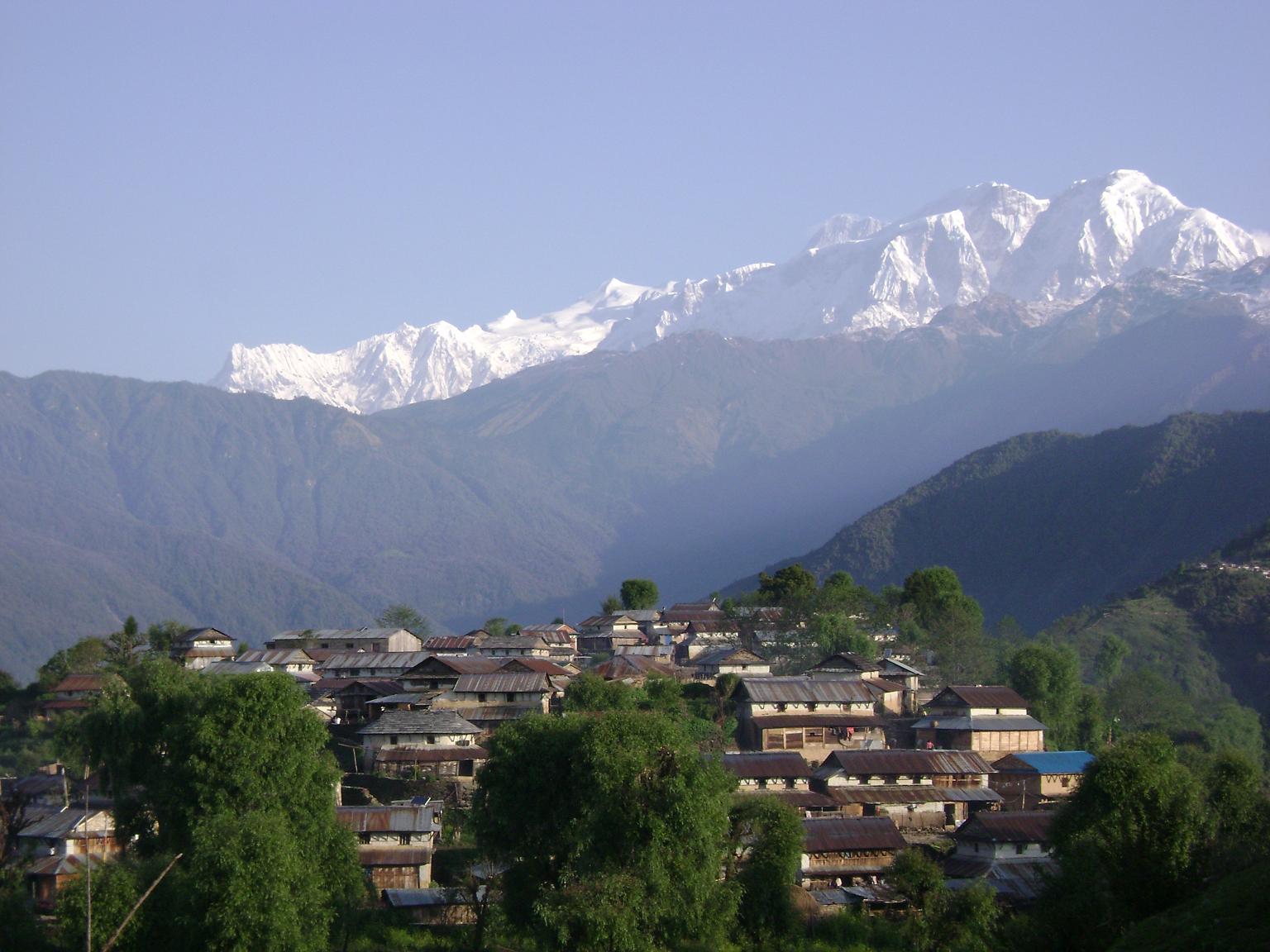
The educational tour in Nepal benefits from the educational value that the Pokhara and Dhampus Trek provides to students. The students who trek through Dhampus village will discover Himalayan culture and mountain ecology while enjoying the beautiful views of the Annapurna range from the village.
Start From
Get personalised guidance for any Nepal adventure — with expert planning and safety support.
We offer expert advice, flexible options, and tailor-made itineraries.

Himalayan Smile Treks provided excellent educational tours to Nepali schools which benefited our student body. Our tour guide Lakpa Sherpa displayed both patience and knowledge throughout the tour. The tour included both Kathmandu heritage sites and Pokhara activities which included a brief hiking segment to create educational and entertaining experiences. The entire program operated with proper organization which ensured both safety and appropriateness for young students.
Himalayan Smile Treks organized a fantastic educational tour for our school group. Guide Karma Sherpa ensured safety and engagement.Students experienced cultural education through their activities in Kathmandu and their tours of Pokhara and their brief hiking trip. The experience provided an ideal combination of educational content and adventurous activities.
Schools Educational Tour in Nepal with Himalayan Smile Treks exceeded expectations. Guide Chiring Sherpa showed complete expertise while maintaining friendly interaction with visitors. The students studied Nepalese cultural traditions, historical events, and natural environments. The short hike in Pokhara created a thrilling experience, which made the whole tour both educational, entertaining, and unforgettable.
The school tour to Nepal received complete organization from Himalayan Smile Treks. Dawa Sherpa served as the guide who executed all tour operations. The students visited Kathmandu to discover its heritage, while they experienced the natural beauty of Pokhara through a brief hiking trip. The travel experience provided safety and valuable information, which made it an ideal choice for educational trips.
The Educational Tour of Schools in Nepal became an exceptional experience through the services of Himalayan Smile Treks. The guide Namel Dherpa provided both support and active participation to the group. The itinerary included both cultural sightseeing and light adventure activities. The students acquired important knowledge while they experienced the natural beauty found in Kathmandu and Pokhara.
Himalayan Smile Treks organized a great educational tour for our school. The guide Dorje Sherpa protected our safety while he provided us with comfort. The program included cultural visits and sightseeing and a short hike. The students discovered about Nepal through their enjoyable activities which made the trip successful.
The Himalayan Smile Treks Educational Tour of Nepal schools. The guide Kami Sherpa provided friendly and informative services. The students had an educational experience because they visited the heritage sites of Kathmandu and the sightseeing attractions of Pokhara and participated in light hiking activities.
Himalayan Smile Treks delivered an outstanding educational excursion to Nepalese schools. Ang Dorje Sherpa served as the guide who maintained operational efficiency throughout the tour. The students found educational value and enjoyment through the combined experience of cultural learning and outdoor activities.
The educational tour to Nepal ended up exceeding expectations because Himalayan Smile Treks handled the entire program. The guide Nawaraj Tamang demonstrated both professional skills and helpfulness. The itinerary offered students an educational experience which included history and cultural content and light adventure activities.
Himalayan Smile Treks provided an educational tour experience in Nepal which created lasting memories. The guide Michele Tamang provided students with extensive knowledge while offering them complete support. The students experienced Kathmandu and Pokhara through cultural exploration and brief hiking activities which created an ideal educational experience.
The Educational Tour of Schools that took place in Nepal through Himalayan Smile Treks was an exceptional experience. The guide Dhurba Khanal provided both safety measures and interactive activities for the tour participants. The tour program delivered cultural educational experiences together with sightseeing opportunities and light hiking activities, which created an ideal experience for students.

$690
$
$

$
$
$
$


↑
.png "NTB")
.png "Pata")