Price Table
| 1 | 2 | 3 | 4 | 5 | 6 | 7 | |
| USD 1790 | USD 1275 | USD 1270 | USD 1080 | USD 1070 | USD 1060 | USD 1050 | |
| USD 2280 | USD 1765 | USD 1760 | USD 1570 | USD 1560 | USD 1550 | USD 1540 |
Country
Nepal
Duration
17 Days
Maximum altitude
5545m/18187ft
Activity
Trekking
Difficulty
Moderate/Difficult
Best Season
September, October, November, December, February, March, April
Accomodation
Mountain Lodge
Meals
Included
Start/End Point
Kathmandu

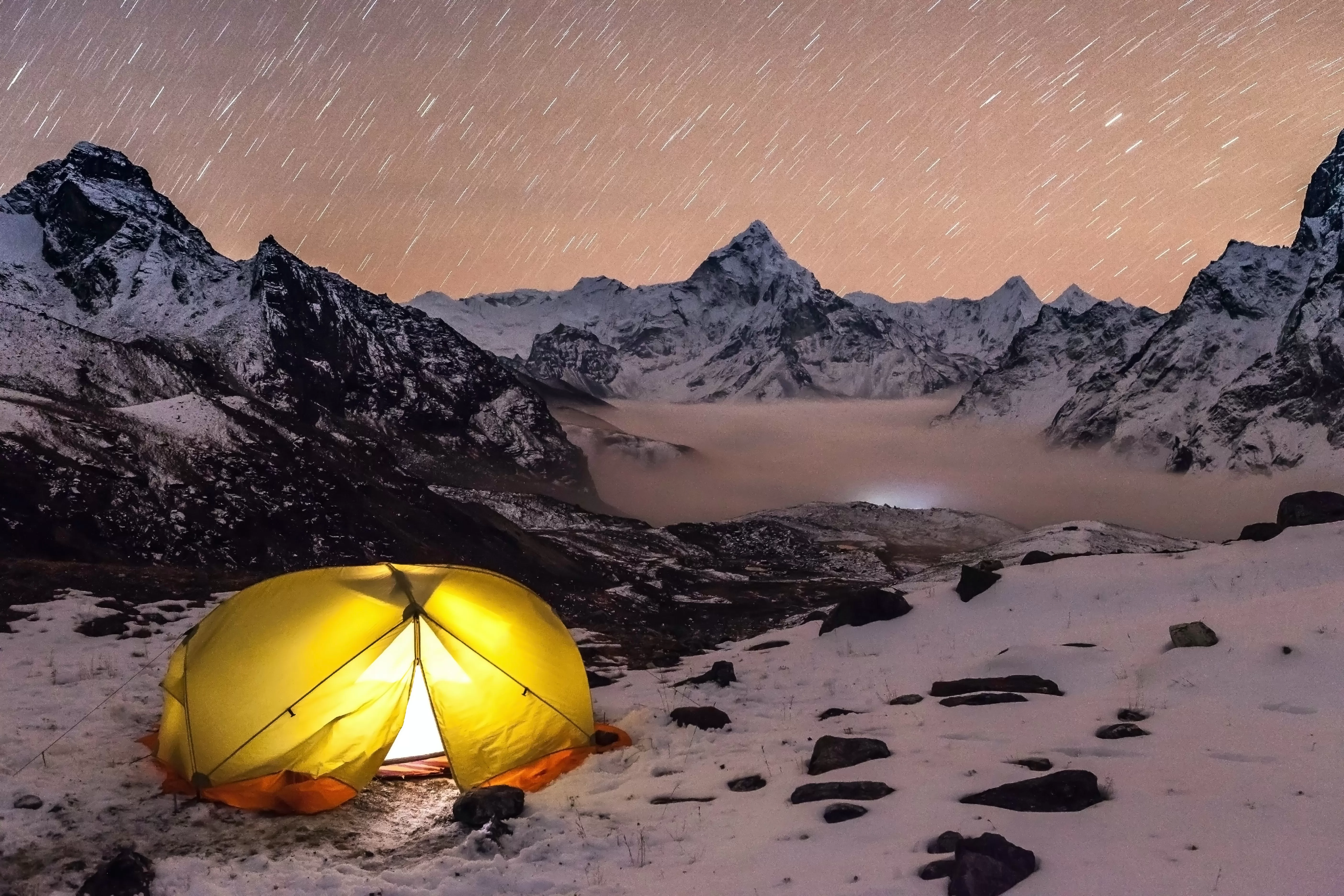
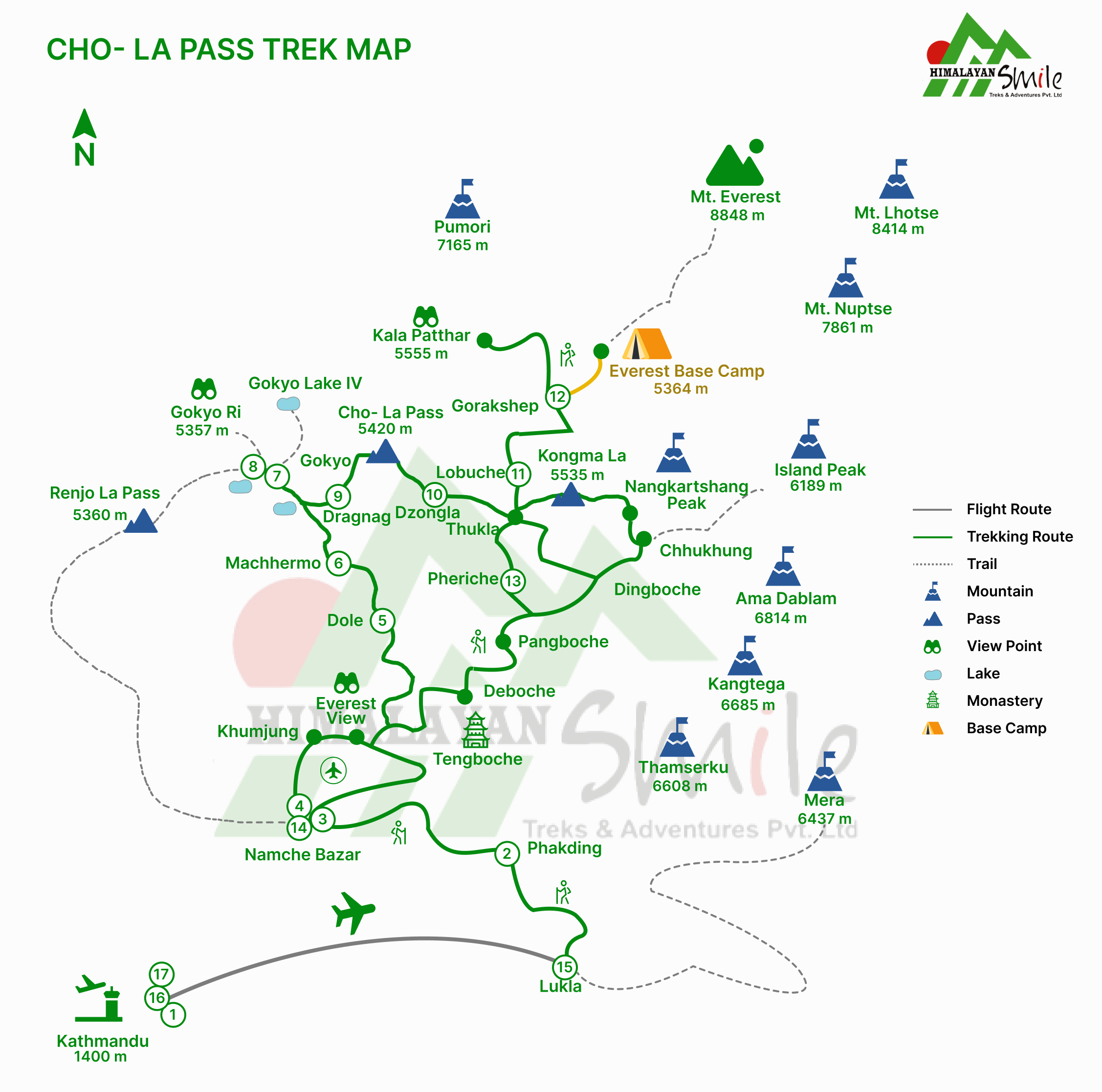
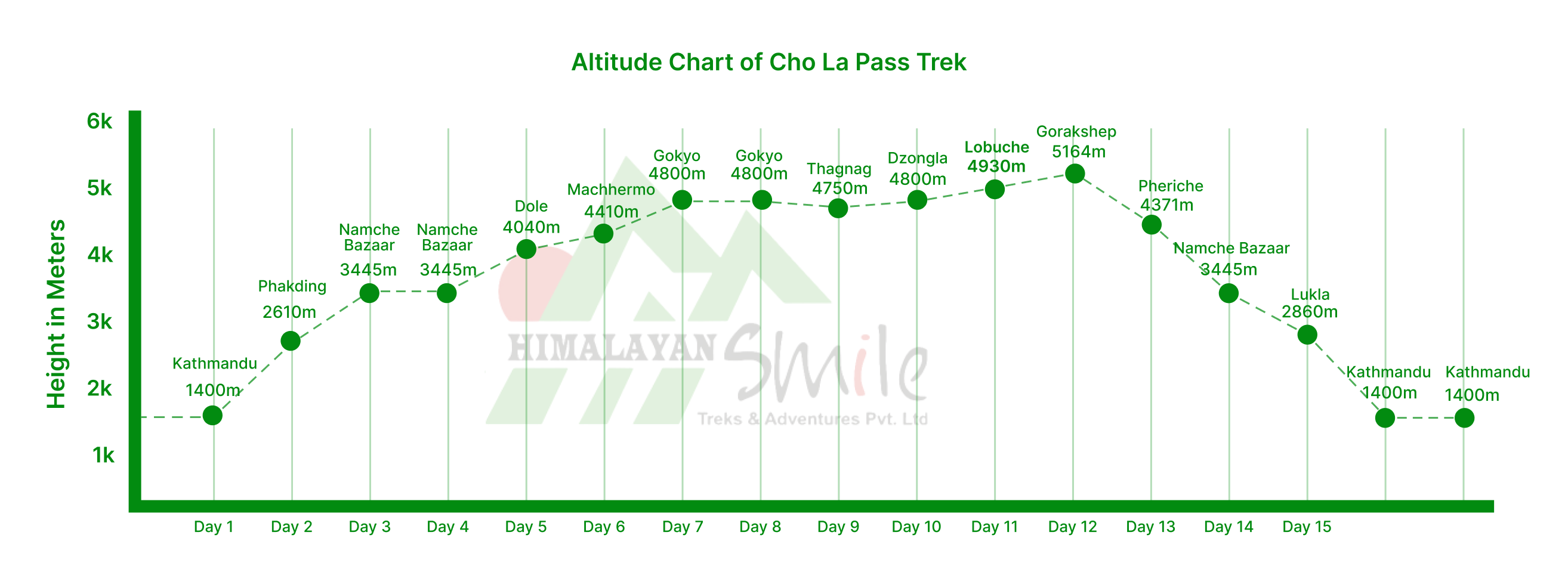
The Cho La Pass trek is one of the most exciting high-altitude experiences in Nepal because it combines three iconic destinations into one incredible trek. The trek takes adventurous trekkers into the heart of the Everest region, offering breathtaking views of the world's tallest peaks while pushing them physically and mentally.
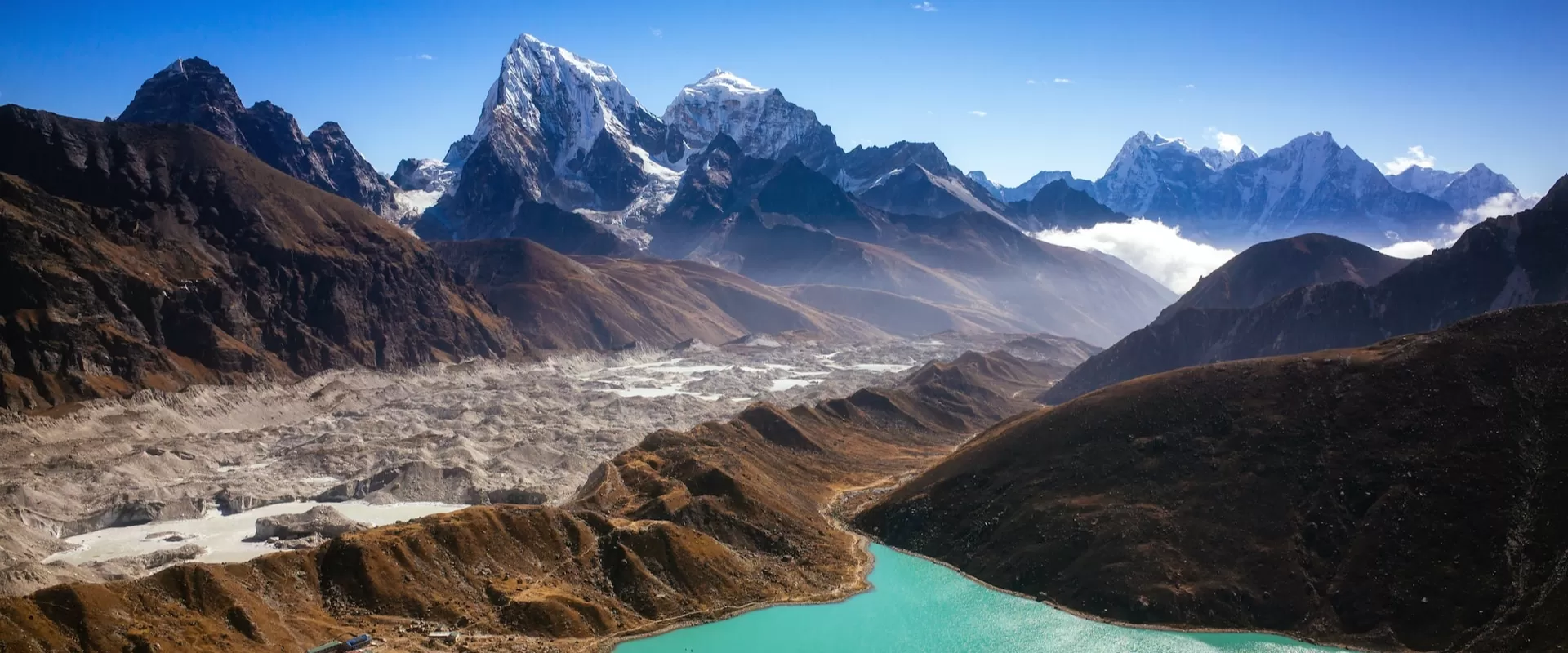
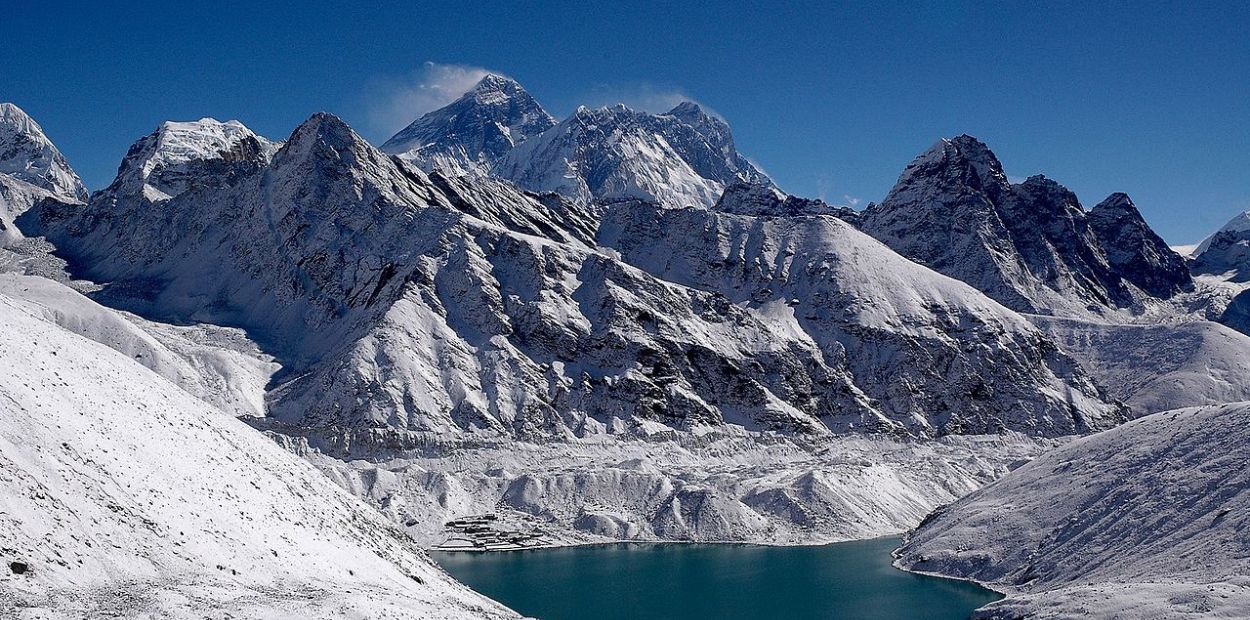
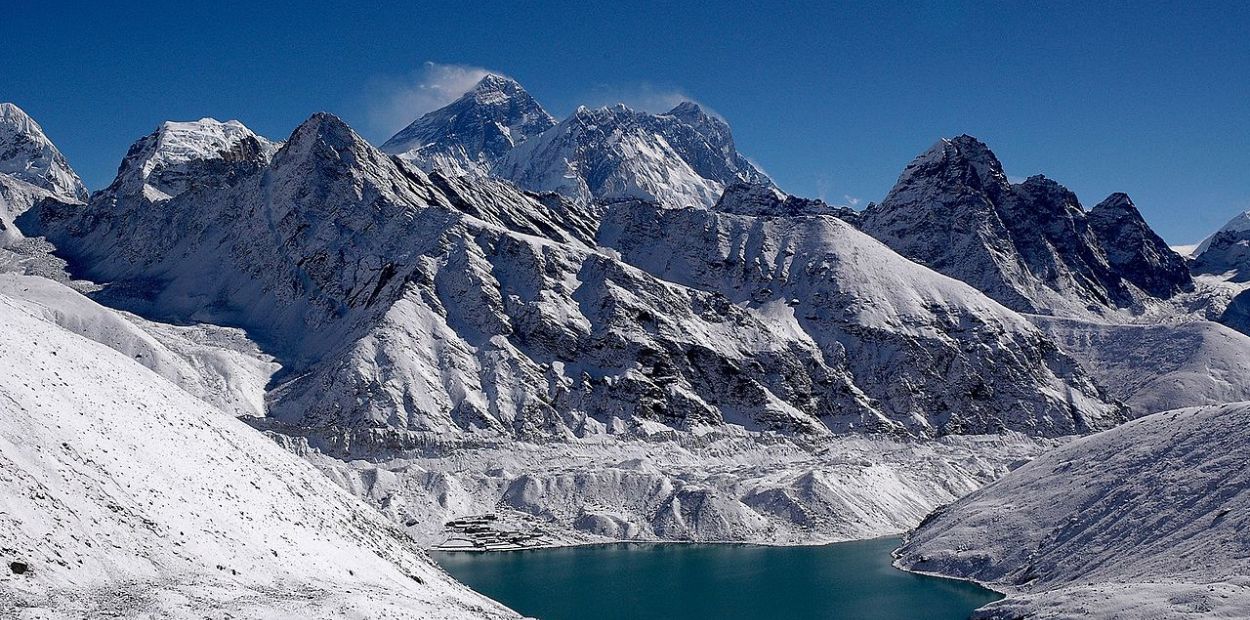
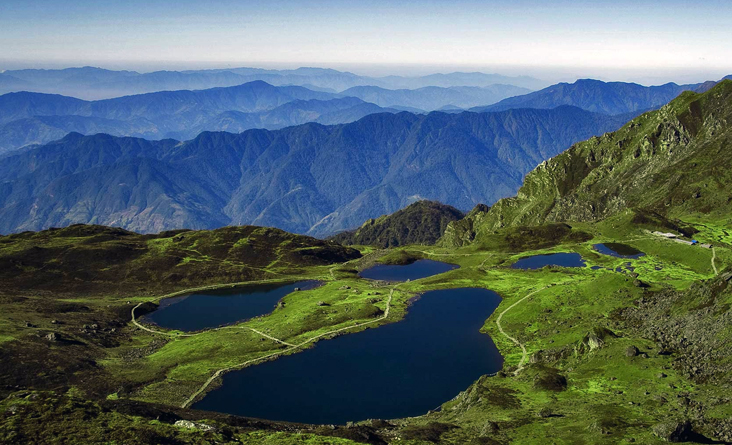
The adventure begins with a thrilling mountain flight to Lukla, and you are immediately in a special place: the Himalayas. After proper acclimatization in the busy Sherpa town of Namche Bazaar, adventure seekers will then walk the beautiful trail to the breathtaking Gokyo Lakes system. At over 4,790 meters, the stunning, turquoise glacier lakes were the symbolic start of our adventure. The famous trek to Gokyo Ri at 5,480 meters rewarded us with amazing panoramic views of Everest, Makalu, and Cho Oyu.
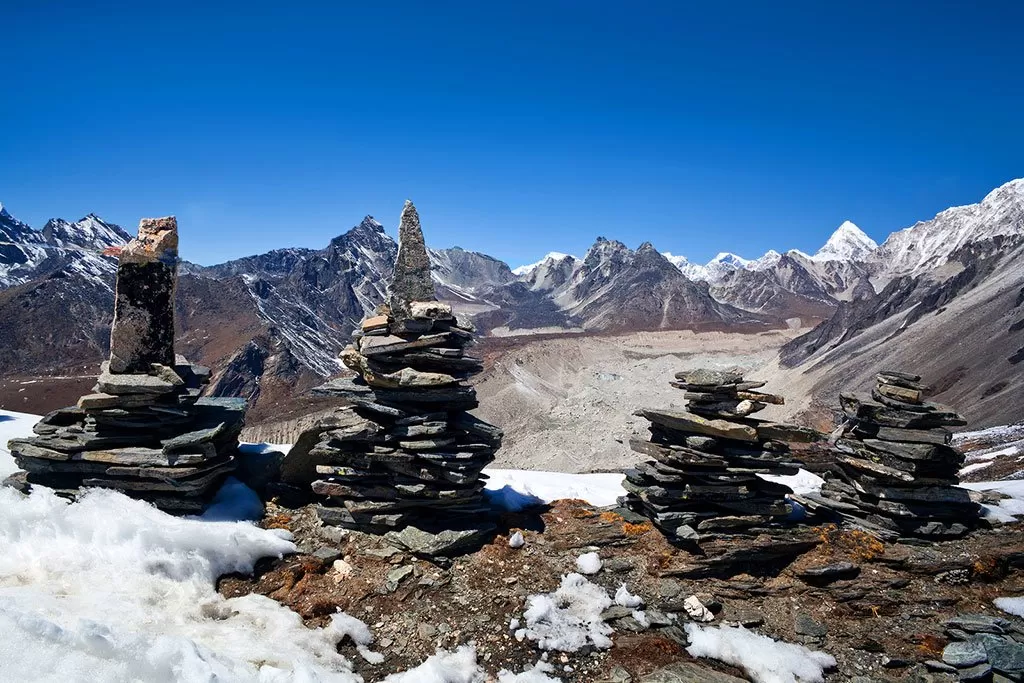
The true test of the Cho La Pass trek starts with the most notoriously challenging part of the trek, the crossing of the Cho La Pass (5,330 meters). Local people refer to Cho La Pass as Chhugyuma La; the crossing is not for the faint-hearted. The glacial landscape requires skills, equipment, and determination. The terrain is icy and rocky, with crevasses and steep ascents requiring ropes and ice axes, which challenged even strong mountaineers.
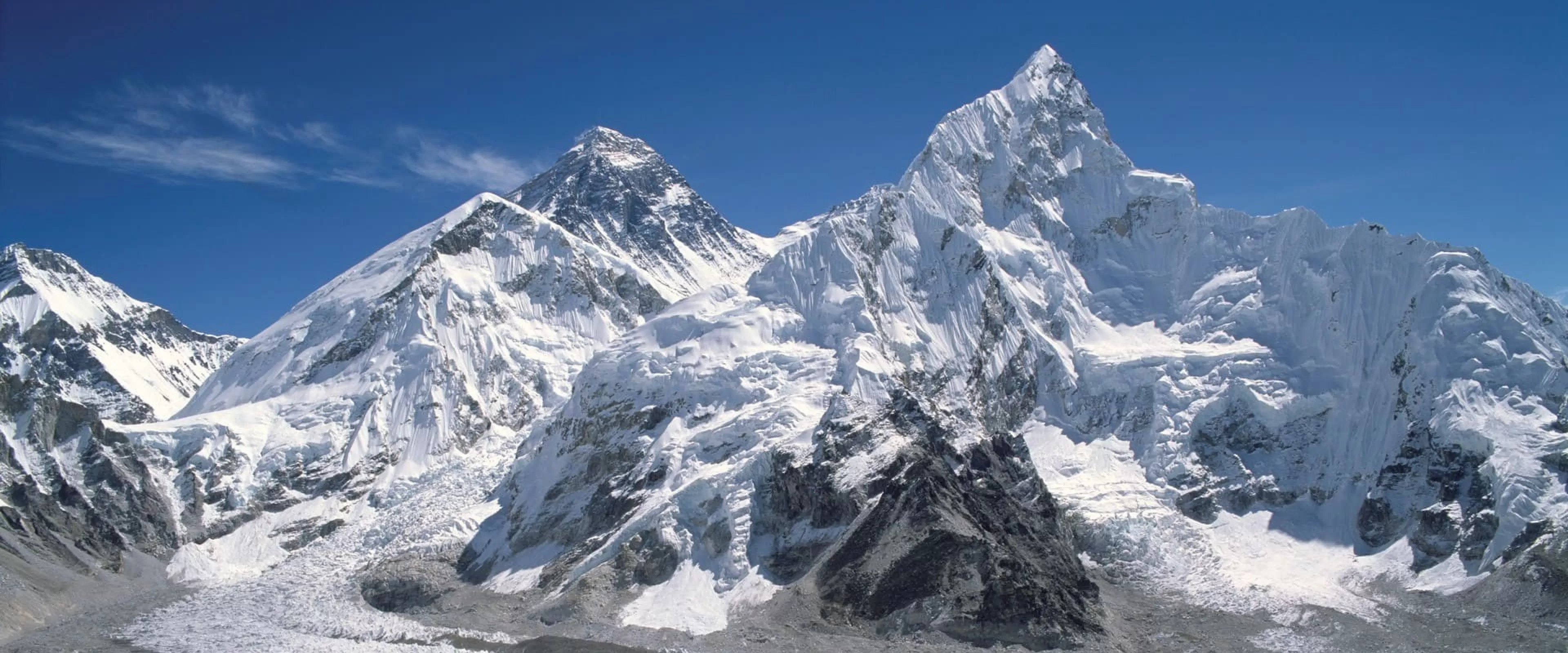
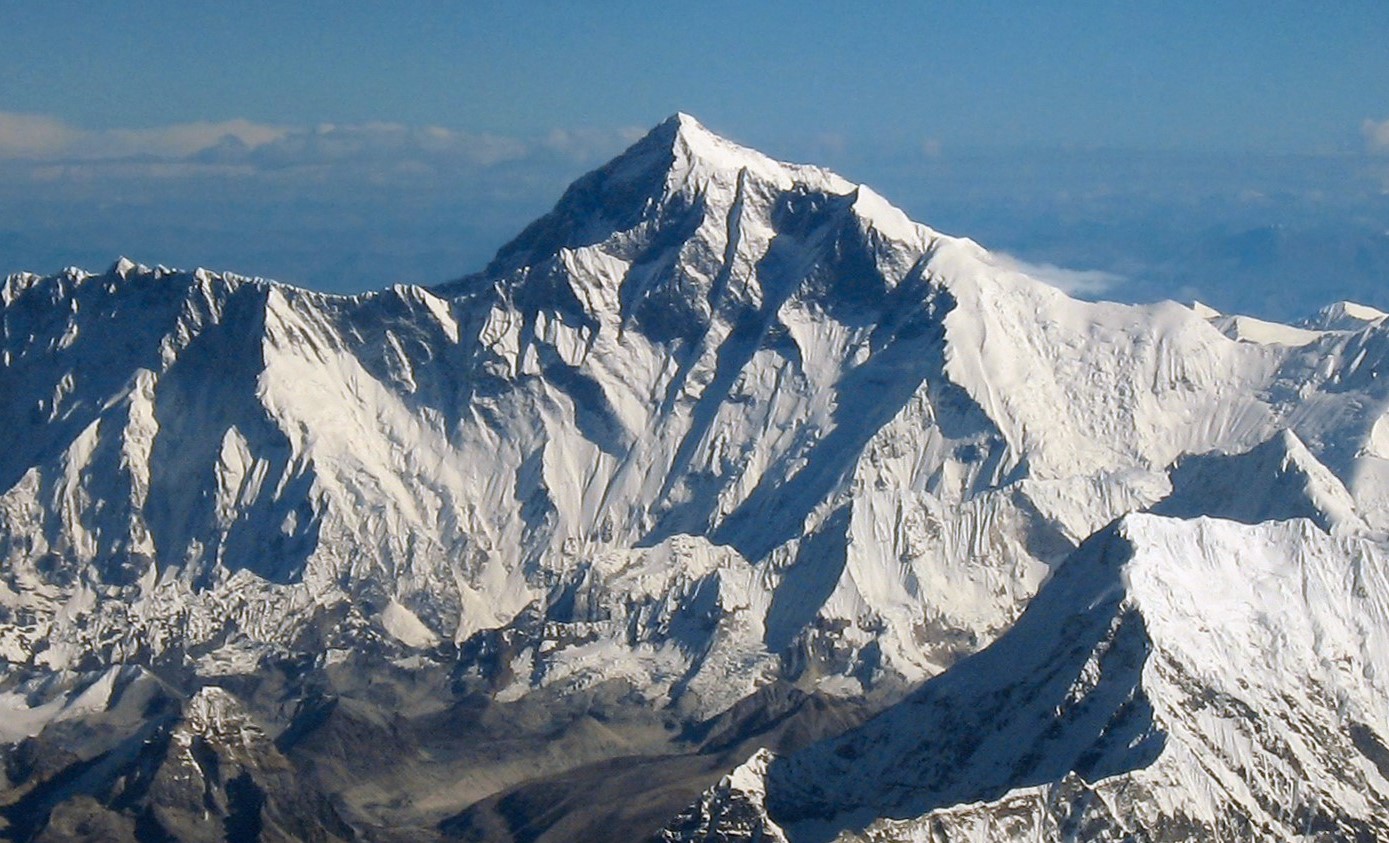
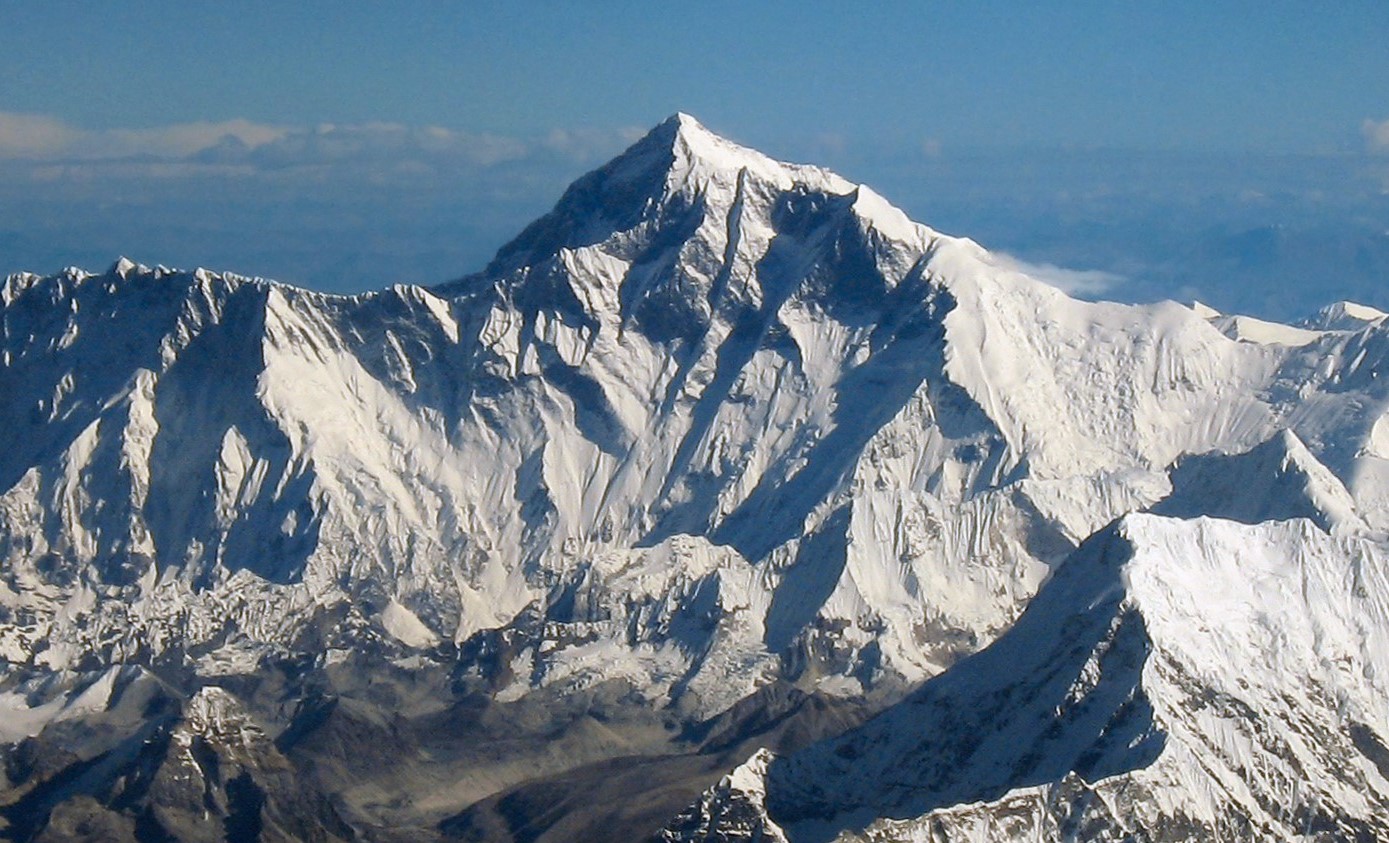
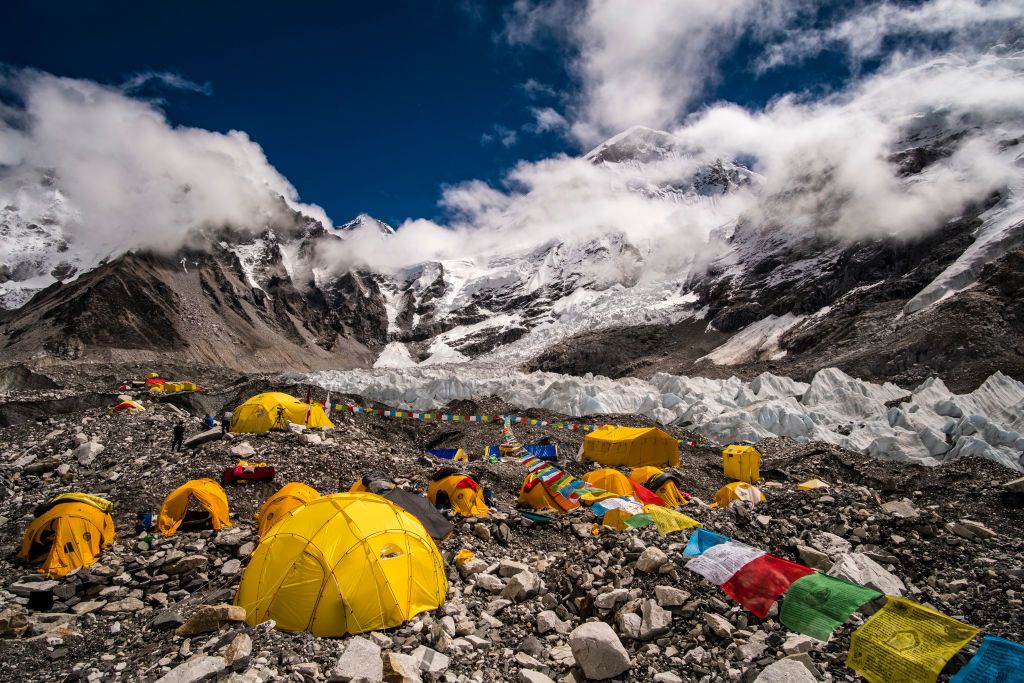
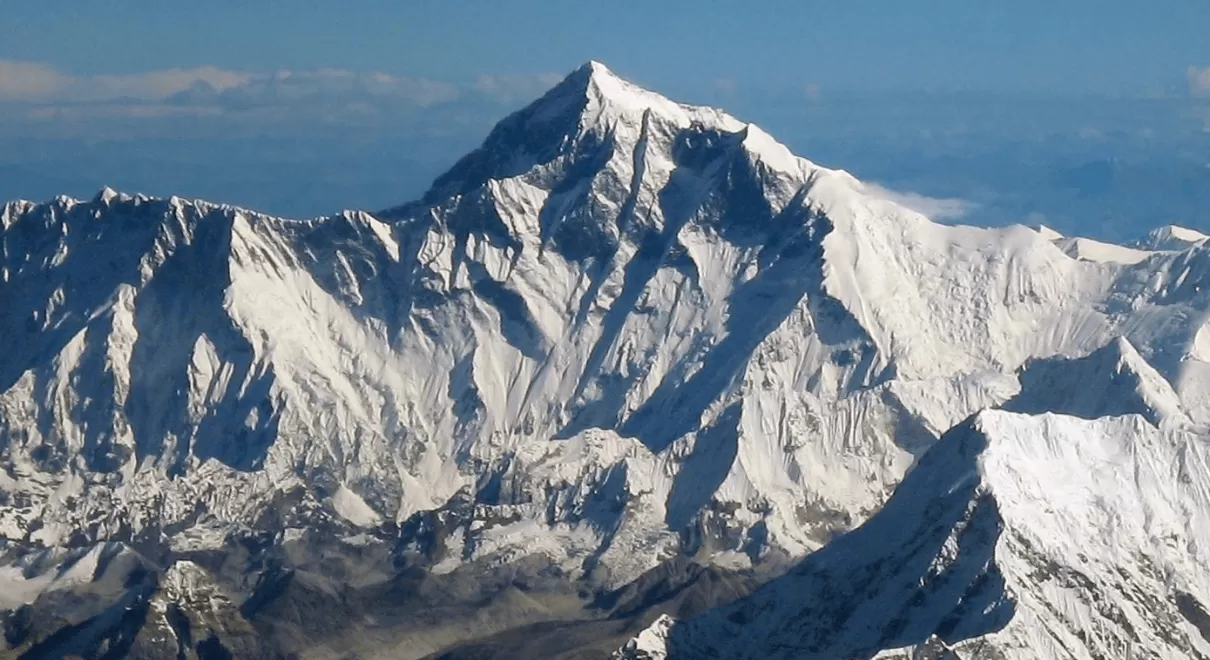
Once you have made this monumental achievement, you truthfully find yourself heading to the Everest Base Camp trek. To be standing at the very foot of the tallest mountain on the planet gives you a unique sensation of achievement and amazement. The excursion finishes as you summit Kala Patthar at 5,545 meters, which offers you the best access to view the Everest summit without getting out ropes and crampons.
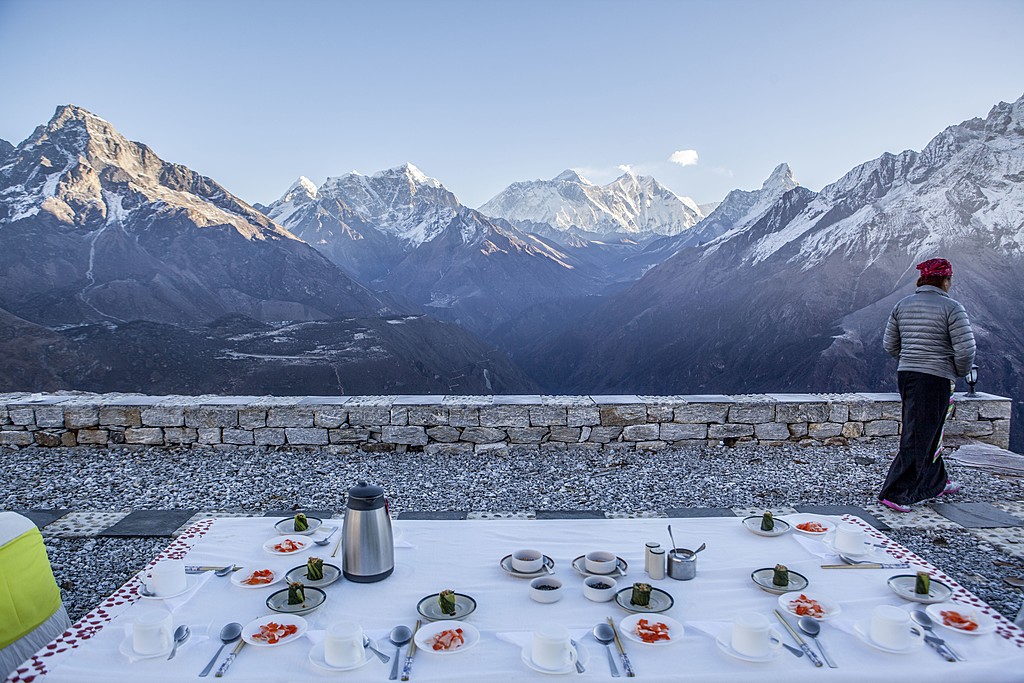
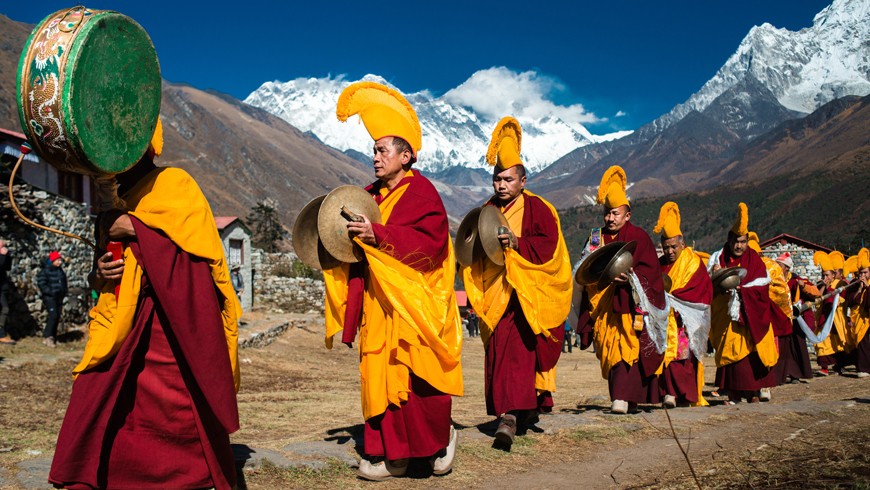
Then we return via the Tengboche monastery, which adds cultural value to this incredible adventure. The monastery is a sacred Buddhist site, situated among the peaks of Ama Dablam, Thamserku, and Kangtega, where you have the opportunity to deeply consider the journey you have just been on, particularly after the stresses of the physical part.
What makes the Cho La Pass trek different from all the standard Everest Base Camp itineraries is that the Cho La Pass route is a total circuit. This circuit includes, almost entirely, glacial lakes, some technical high-altitude passes, base camps, and the cultural experience, all in one single expedition. The 18-day trek certainly pushes limits, but it rewards courage by showing you some of the most dramatic and impressive mountain scenery you will see on Earth.
If you are an adventurer looking for the ultimate Himalayan challenge, the Cho La Pass trek will provide an experience that will turn average hikers into mountain legends, providing lifelong memories while conquering one of the most challenging but rewarding trekking circuits in Nepal.
How long does it take to cross Cho La Pass in a single day?
Crossing Cho La Pass in one day is kind of a tough job, really, and it wants you to start early and have decent physical stamina. Most walkers usually take something like 6 to 8 hours for the whole passage from Dzongla to Thagnak, but honestly that timing can shift a lot, depending on how fit you are, how many people are in your group, what the snow and ice are like right now, and how the weather behaves throughout the day. If you are experienced and you keep a steady, confident walking rhythm, then you might cross a bit quicker; however, for bigger groups, or for anyone hitting tricky icy spots, the trip can stretch quite a lot longer than expected. You should begin before dawn, ideally around 4 to 5 in the morning; this is strongly recommended so safety stays higher and you actually arrive at your overnight base before afternoon conditions worsen in a noticeable way.
Is this trek suitable for solo trekkers?
Even though the spirit of solo adventure is deeply respected in trekking circles, the Cho La Pass Trek brings out a few particular hurdles that make going completely alone, honestly, a bit risky. The glacier crossing is where it really starts to feel complicated, because you are basically doing route-finding across unmarked ice fields, and one wrong step can lead to serious trouble. If the weather turns and there’s poor visibility, thick cloud, or fresh snow, the route across the pass can become a confusing maze—hard to read without some form of guidance. After you get past the pass, the far stretches between villages don’t really give much support if something goes wrong or if you need help fast. For that reason, solo trekkers are strongly advised to hire a licensed local guide, not only for safety but also for richer cultural understanding, more accurate navigation, and a steadier sense of peace of mind during this extraordinary high-altitude journey.
Can children do the Cho La Pass Trek?
The Cho La Pass Trek is, honestly, a pretty strenuous high-altitude undertaking, and it is not really built for young children, like at all. You get that extreme elevation and an icy glacier kind of terrain, plus long hours of walking each day and even the weather that can suddenly change, which together make it just too hard… and yes, potentially risky for kids under twelve. When you are up around elevations above 5,000 meters, younger bodies tend to be much more at risk for altitude sickness, hypothermia, and sheer fatigue compared with adults. Older teens, say fifteen and up, who are physically sturdy, mentally steady, and already have trekking experience might be able to try it, but only with proper guidance and under parental supervision. Before anyone under about twelve (or anyone very young) heads into these extreme Himalayan heights, it is smart to consult a qualified medical professional first.
Where do trekkers stay after crossing Cho La Pass?
After getting through the demanding Cho La Pass crossing, most trekkers end up descending toward the tiny remote place called Thagnak, also written as Dragnag, which lies at around 4,700 meters on the Gokyo Valley side. This small settlement has a basic yet friendly tea house setup where tired walkers can sit down, eat something hot, and sort of reset themselves after one of the most strenuous days during the whole trip. Everything is quite minimal and rather rustic, with no fancy comforts whatsoever, but the Sherpa hospitality feel is warm enough to make up for it. Then the next morning, trekkers move on with a rather simple route, and the scenery stays stunning as they follow the rim of the massive Ngozumpa Glacier, heading to the lovely Gokyo village and the well-known turquoise lakes that people talk about like legends.
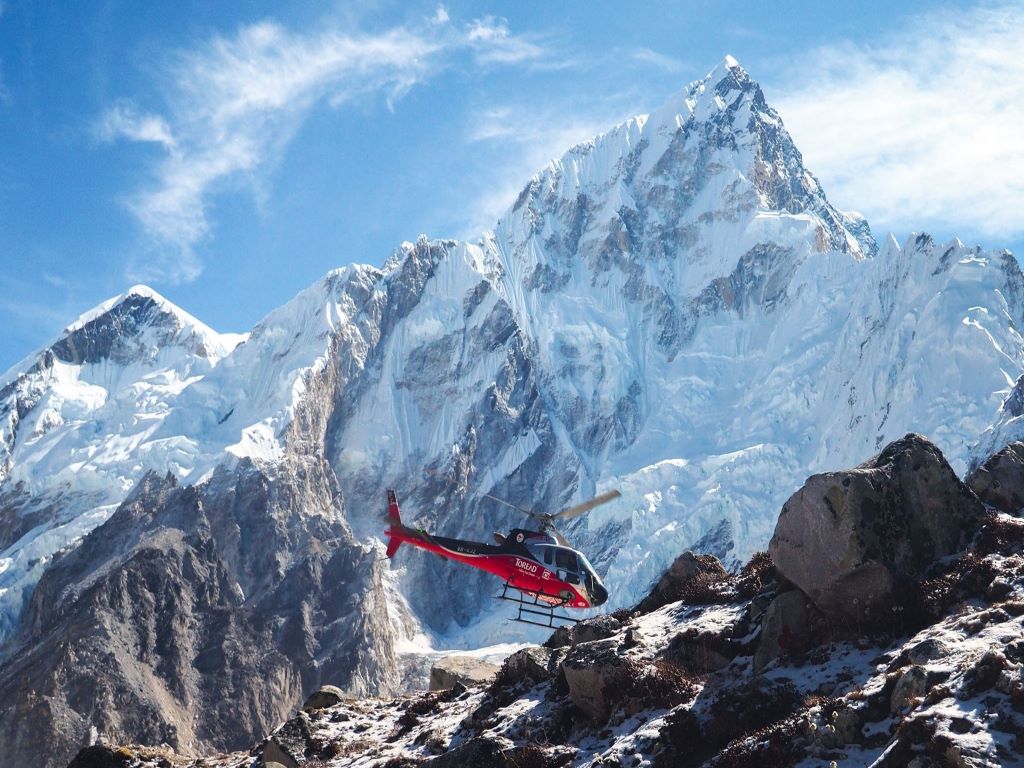
Exciting Mountain Flight Kathmandu / Lukla: Experience heart-pounding aerial views of snow-capped Himalayas on this unforgettable gateway flight.
Namche Bazaar Gateway of Mt. Everest: Explore this legendary mountain town where Everest dreams and Sherpa heritage beautifully come alive.
Sherpa culture and lifestyle inSherpa Culture and Lifestyle in Khumjung: Step into a timeless Sherpa village where ancient traditions, warm smiles, and rich culture thrive.
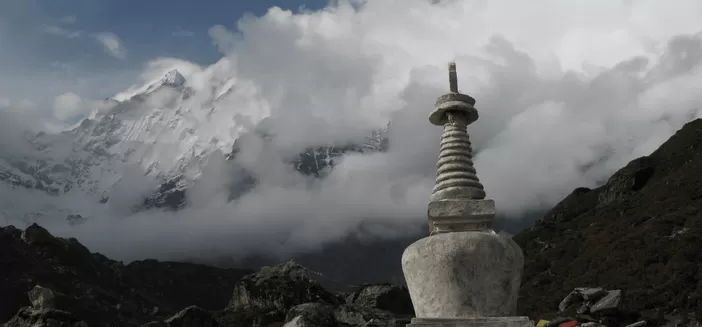
Tengboche Monastery: Visit this sacred hilltop monastery where spirituality, stunning mountain backdrops, and Buddhist traditions deeply inspire.
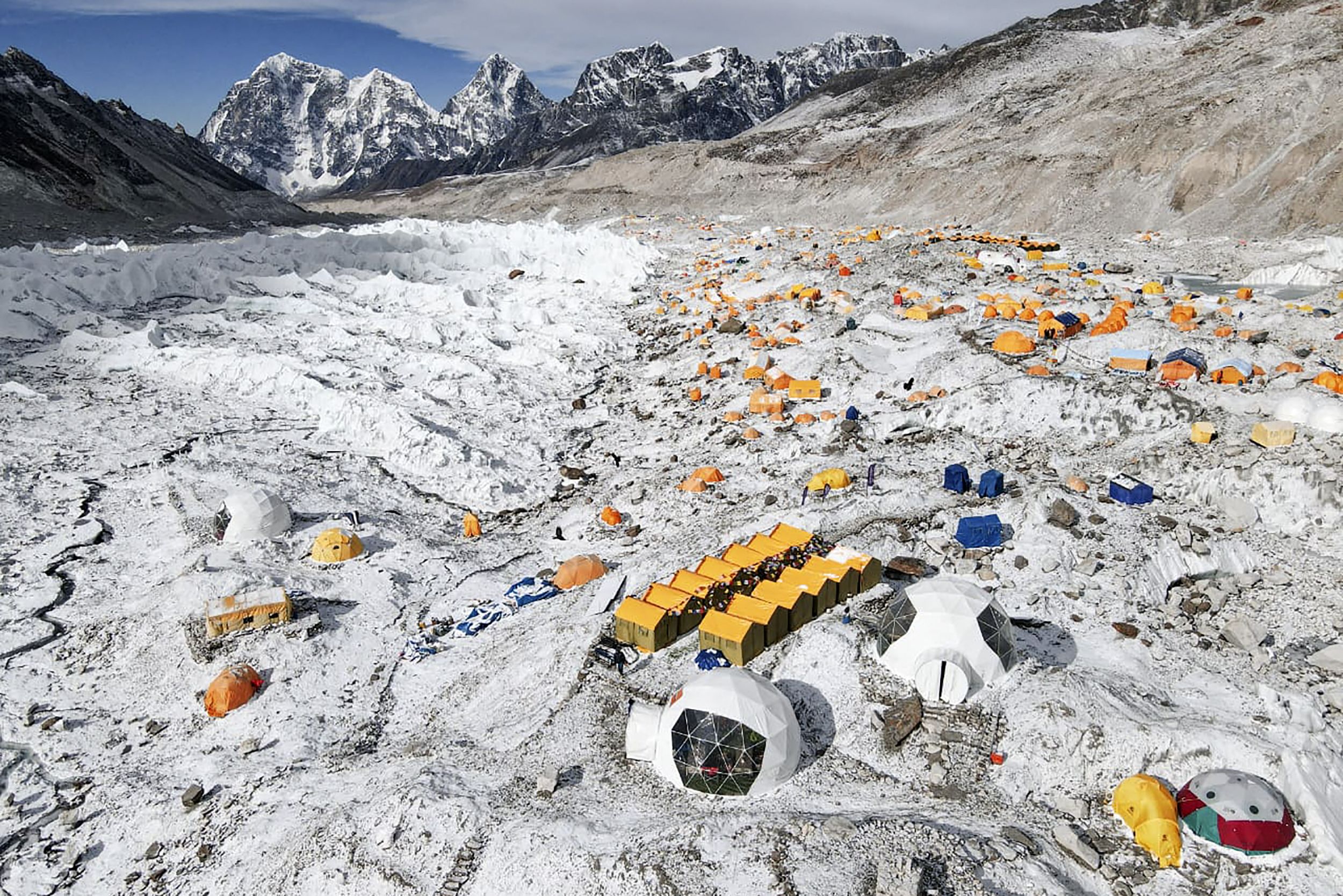
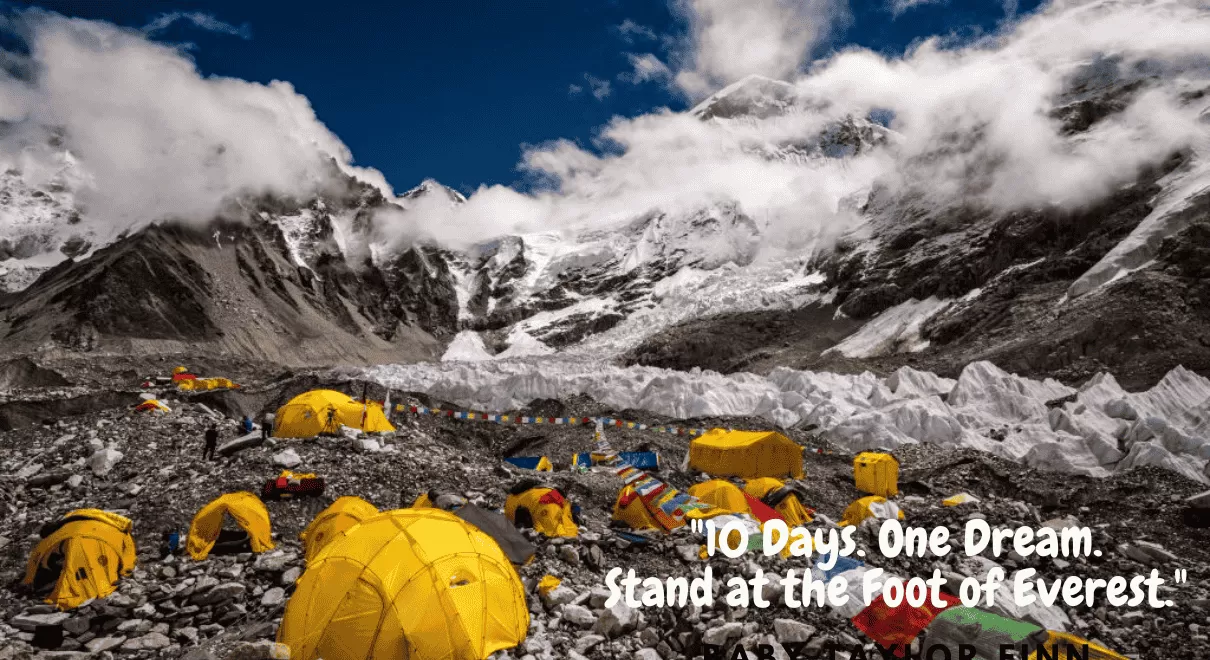
Everest Base Camp and Khumbu Glacier: Reach the iconic base camp and walk alongside the awe-inspiring, ever-moving ancient Khumbu glacier.
Climbing Kalapathar (5,555m): Push your limits ascending Kalapathar, one of trekking's most rewarding and celebrated high-altitude achievements.
Great View of Mt. Everest, Mt. Lhotse and Other Mountains from Kalapathar: Gaze upon a jaw-dropping cathedral of giants, including Everest, rising gloriously above the clouds.
Cross Cho La Pass (5,300 meters): Brave the icy, rugged Cho La Pass on an exhilarating crossing between two legendary Himalayan valleys.
Tranquil Gokyo Lake: Lose yourself beside crystal-clear glacial waters reflecting towering peaks in absolute Himalayan peace and stillness.
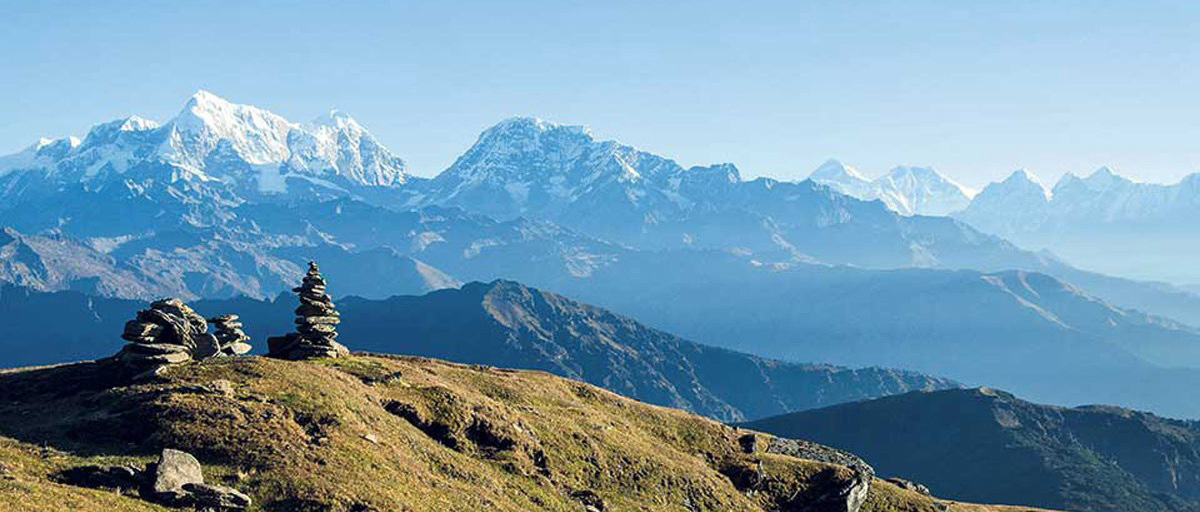
Stunning View of Mt. Everest, Mt. Lhotse, Mt. Makalu, Mt. Cho Oyu and Surrounding Khumbu Mountain Range: Behold a breathtaking lineup of the world's mightiest peaks stretching endlessly across the horizon.
Ngozumpa's Biggest Glacier in the World: Witness the sheer, overwhelming scale of Ngozumpa, the mighty glacier that defines the Khumbu wilderness.
Excursion to the Fifth Lake: Journey to this hidden glacial gem, a rarely visited sanctuary of raw, untouched Himalayan beauty.
| 1 | 2 | 3 | 4 | 5 | 6 | 7 | |
| USD 1790 | USD 1275 | USD 1270 | USD 1080 | USD 1070 | USD 1060 | USD 1050 | |
| USD 2280 | USD 1765 | USD 1760 | USD 1570 | USD 1560 | USD 1550 | USD 1540 |
"Embark on an epic journey through the Himalayas with our EBC trek video. Witness stunning landscapes, towering peaks, and vibrant cultures along the way. Join us as we trek to Everest Base Camp, immersing ourselves in the awe-inspiring beauty and adventure of this iconic trail. Dare to dream. Dare to explore."


Start From
Get personalised guidance for any Nepal adventure — with expert planning and safety support.
We offer expert advice, flexible options, and tailor-made itineraries.

Lakpa Sherpa was outstanding. He led us through the Cho La Pass Trek in a courteous and professional manner. The experience was unforgettable, the challenges thrilling, and the landscapes breathtaking. Every day we felt inspired and safe. We finished the hike with enormous smiles and lifelong memories because of Lakpa.
It was an amazing experience to trek with Karma Sherpa. We felt secure during challenging parts thanks to his composed leadership and extensive mountain knowledge. Every stage of the trip was meticulously planned, and the Cho La Pass was stunning. Karma ensured everyone's motivation, happiness, and safety. I heartily endorse this guide!
Chering Sherpal is a real expert. He skillfully led us on the Cho La Pass Trek, making sure we were comfortable and taken care of at all times. His enthusiasm and upbeat demeanor were infectious. This was the best trek I've ever done because of the scenery, the challenges, and the camaraderie among the group. What a fantastic experience!
Our Cho La Pass Trek was safe and enjoyable thanks to Namgele Sherpa. He kept the group moving at a steady pace, told us interesting stories, and kept an eye on our health. The challenge was well worth it, and the mountains were captivating. Our journey was genuinely transformed into something incredible by Namgele's leadership and experience.
Dawa Sherpa was a very good guide. He led our journey with humor, assurance, and in-depth Himalayan knowledge. Although difficult, the Cho La Pass was breathtaking. Dawa's support kept us resilient and upbeat. This trek will always rank among my favorite life's journeys.
On the Cho La Pass Trek, we had a memorable experience with Michele Tamang. She was perceptive, informed, and had a strong bond with the mountains. The trek felt inspiring and intimate because of her warmth and enthusiasm. It was a difficult but lovely journey. We appreciate sharing it with a guide like that.
It was amazing to trek with Dhurba Khanal. His familiarity with the Cho La area, upbeat demeanor, and meticulous attention to detail made the trip perfect. He kept us focused and inspired our group when the altitude hit hard. Thanks solely to his direction, we were able to enjoy the Himalayan splendor in safety and comfort.
The greatest guide we could have hoped for was Pramodha Pageni. He guided us through Cho La Pass with care and excitement, always on the lookout and well-prepared. He made sure we remained content, healthy, and organized. Each day was special. It was a very unique journey because of the people, the landscapes, and Pramodha's leadership.
Our trekking group gained confidence and joy from Dharma Subedi. He demonstrated exceptional leadership on the Cho La Pass. He kept everyone safe and inspired despite the extreme cold and altitude. His personal attention and mountain wisdom were greatly appreciated. I will always have a special place in my heart for this trek. I'm grateful.
Dorje Sherpa was an excellent guide. He was an expert at logistics and knew every part of the trail. Dorje's composed and knowledgeable demeanor made the Cho La Pass, which was a breathtaking challenge, easier. Under his leadership, a challenging hike became an inspiring and memorable journey. We adored it!
This trek was extraordinary because of Namaraj Tamang. He was humorous, patient, and constantly looking out for everyone. Because of his preparation, we were ready for the intense Cho La Pass. I will always treasure the snow trails, sunrises, and friendships. The journey was immensely fulfilling thanks to a genuinely talented guide.
Dawa Rinji Dherpa was at the center of our amazing trip to Cho La Pass. He added humor, skill, and vitality to every situation. He demonstrated exceptional leadership while traversing icy trails and high altitudes. We were put to the test by the Himalayas, but Dawa gave us the strength and joy to overcome them.

$1105
$990
$1045
$995
$1200
$1100
$1035
$880
$1395
$990
$1740
$
$1045
$2100
$890
$4780
$
$2885

↑
.png "NTB")
.png "Pata")