Get OfferInquire

Mesokanto La Pass Trek

Country
Nepal

Duration
19 Days

Maximum altitude
5340 m/17515ft

Activity
Trekking

Difficulty
Moderate/Difficult

Best Season
October, November, December, February, March, April

Accomodation

Meals
Excluded

Start/End Point
Beshisahar / Jomsom

Trek Overview

Trek Overview

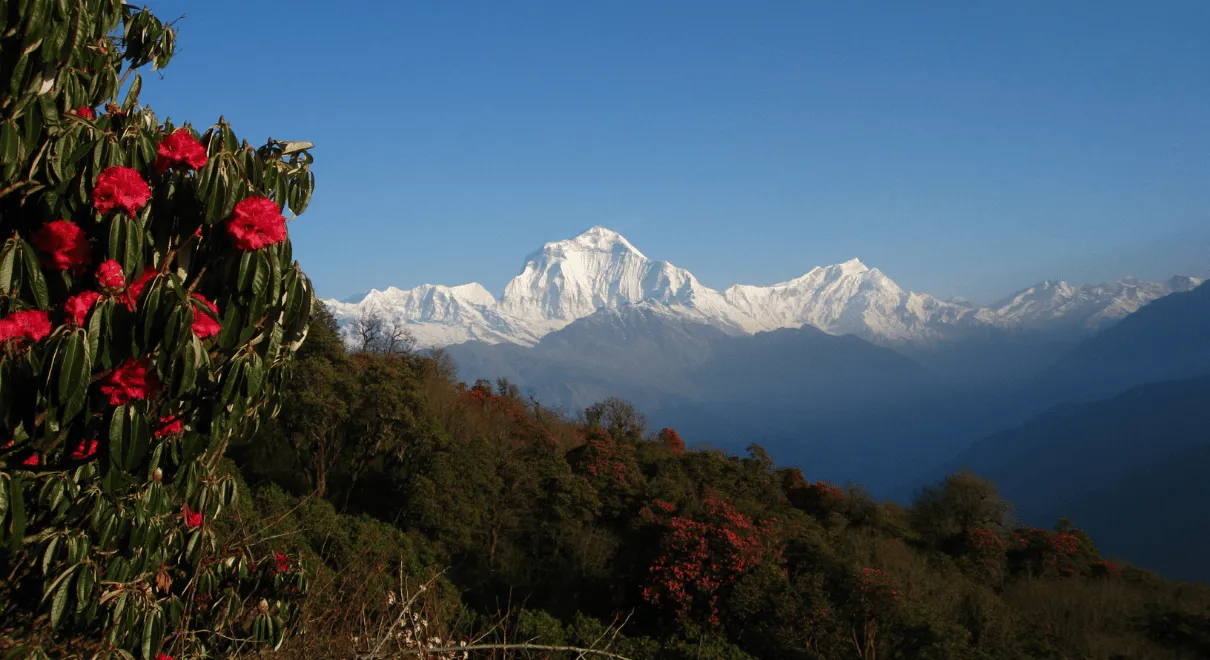
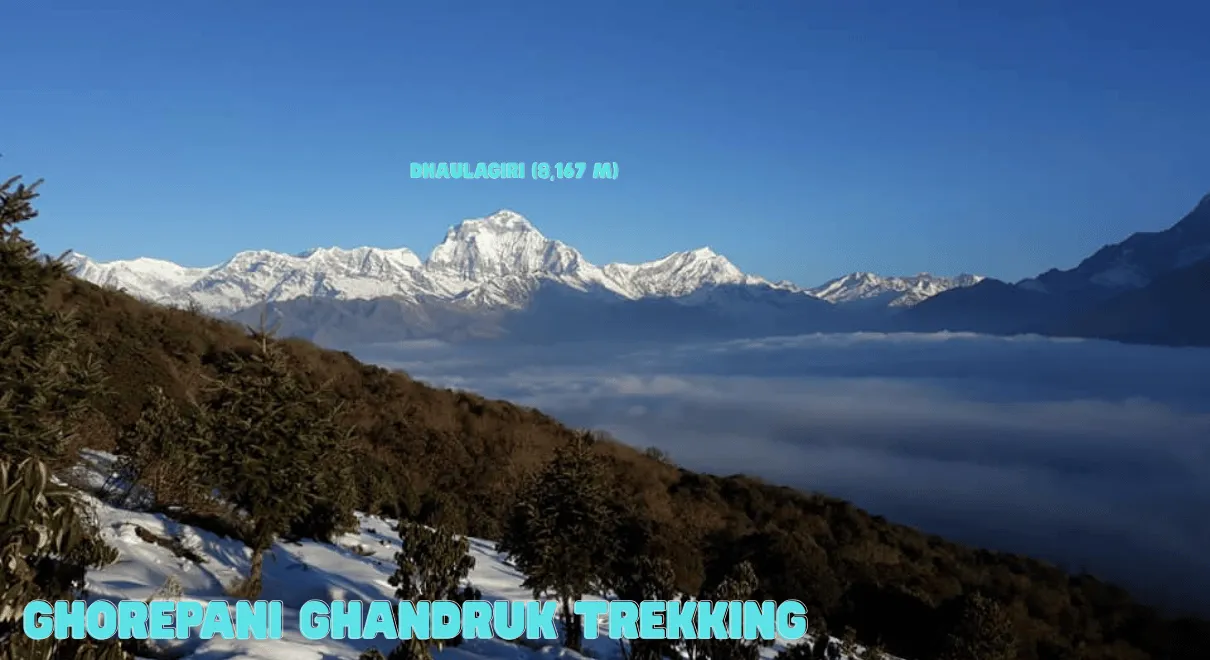
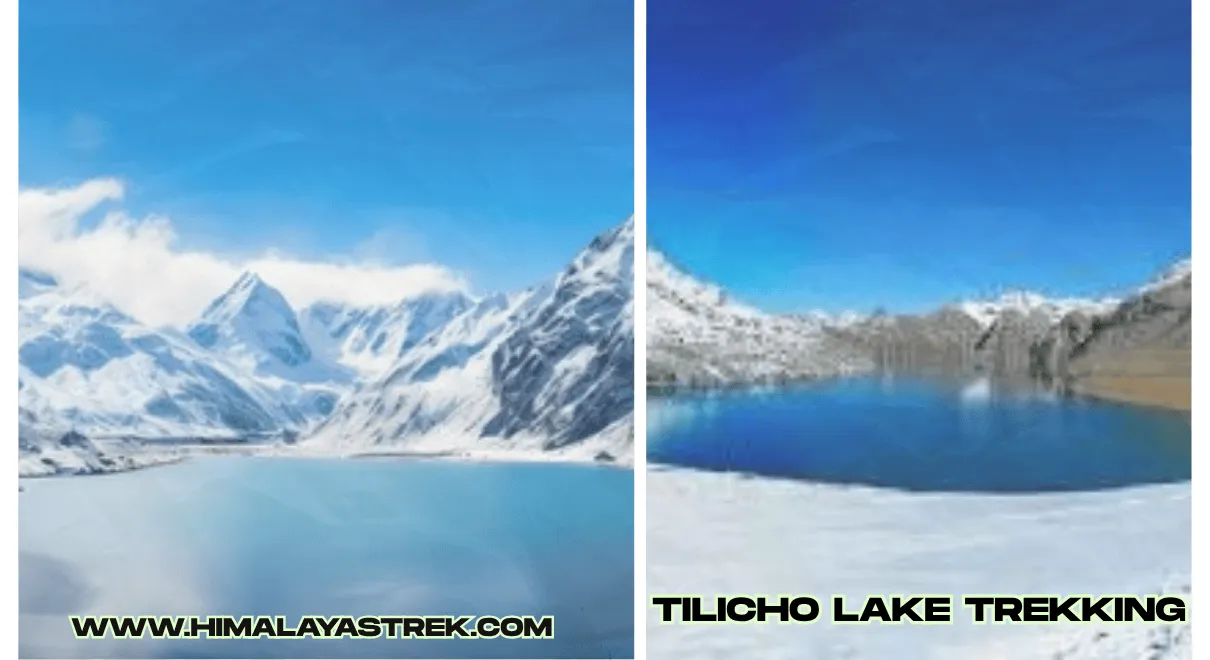
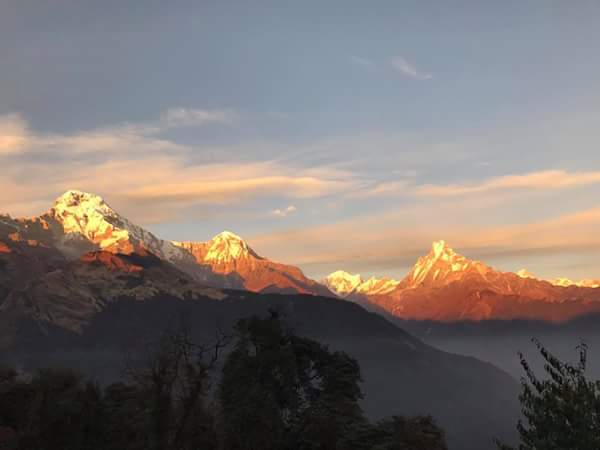
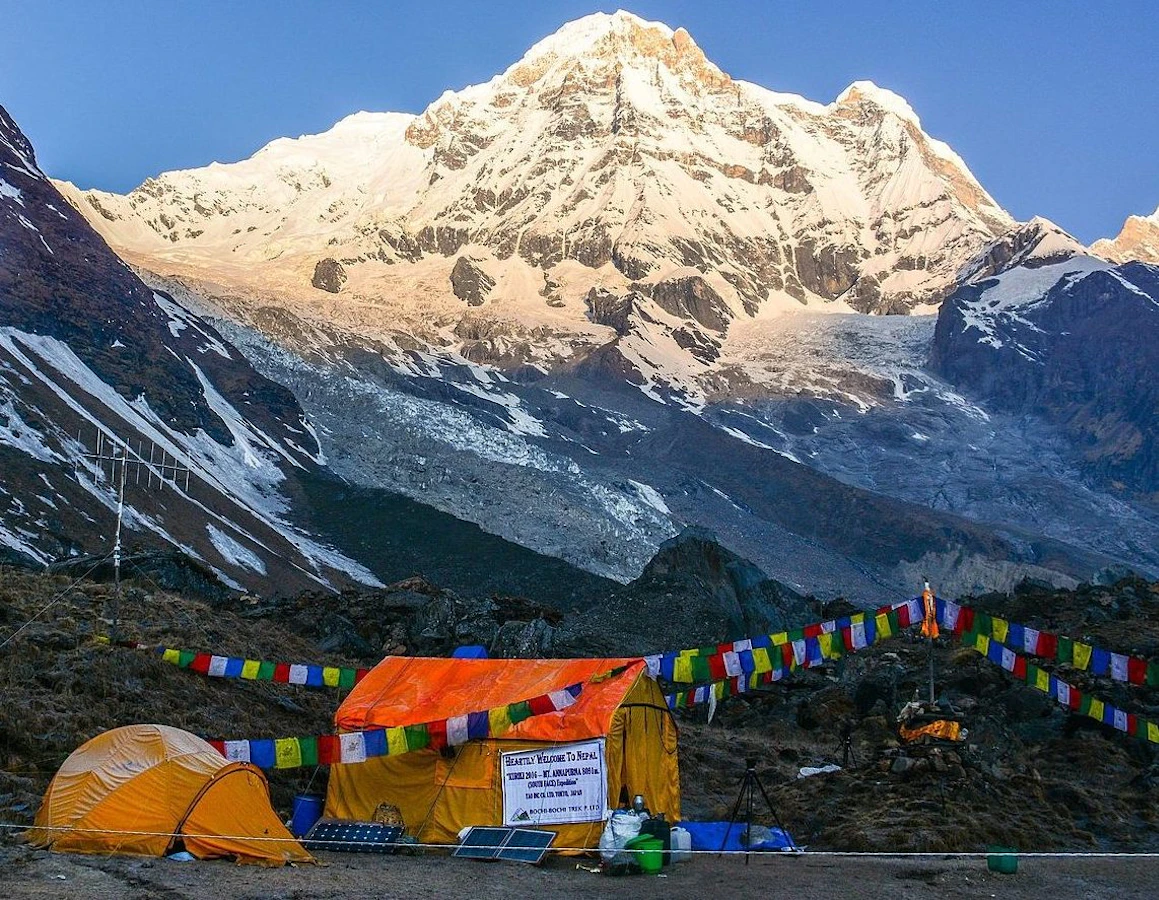
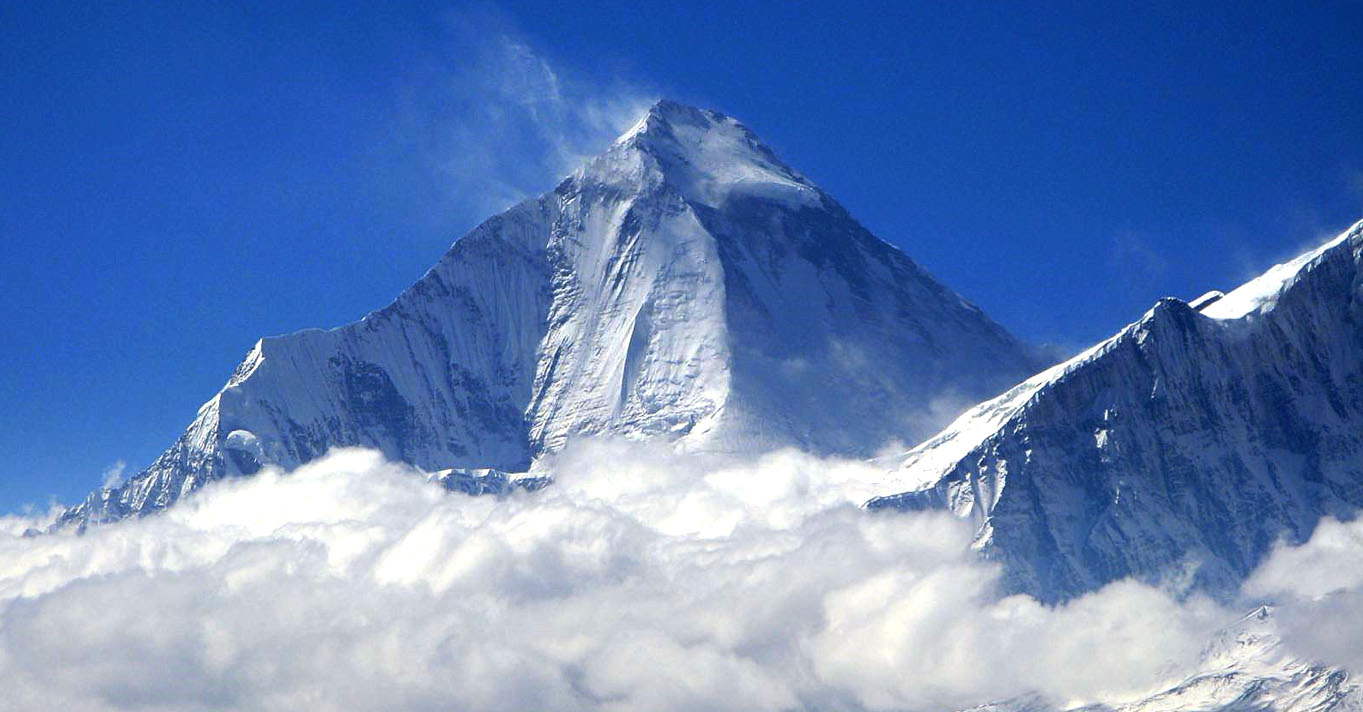
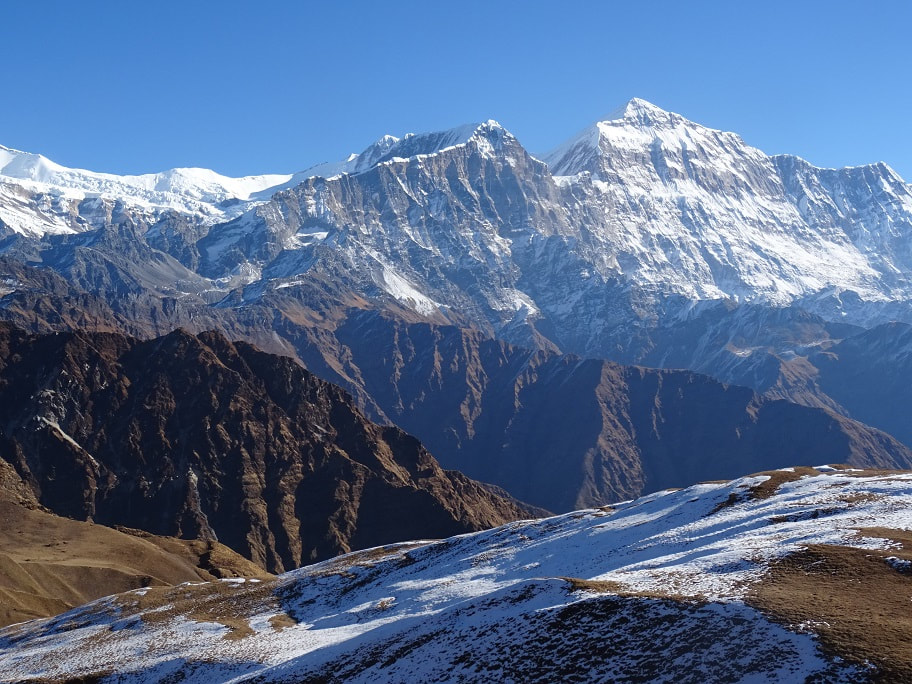
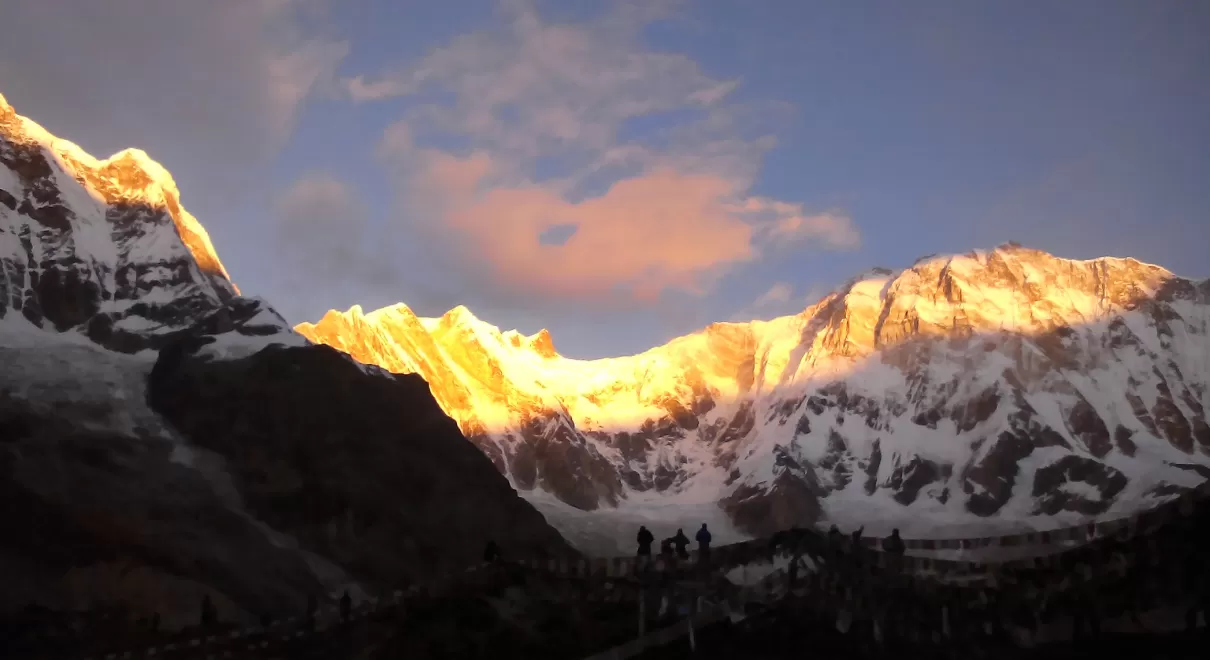
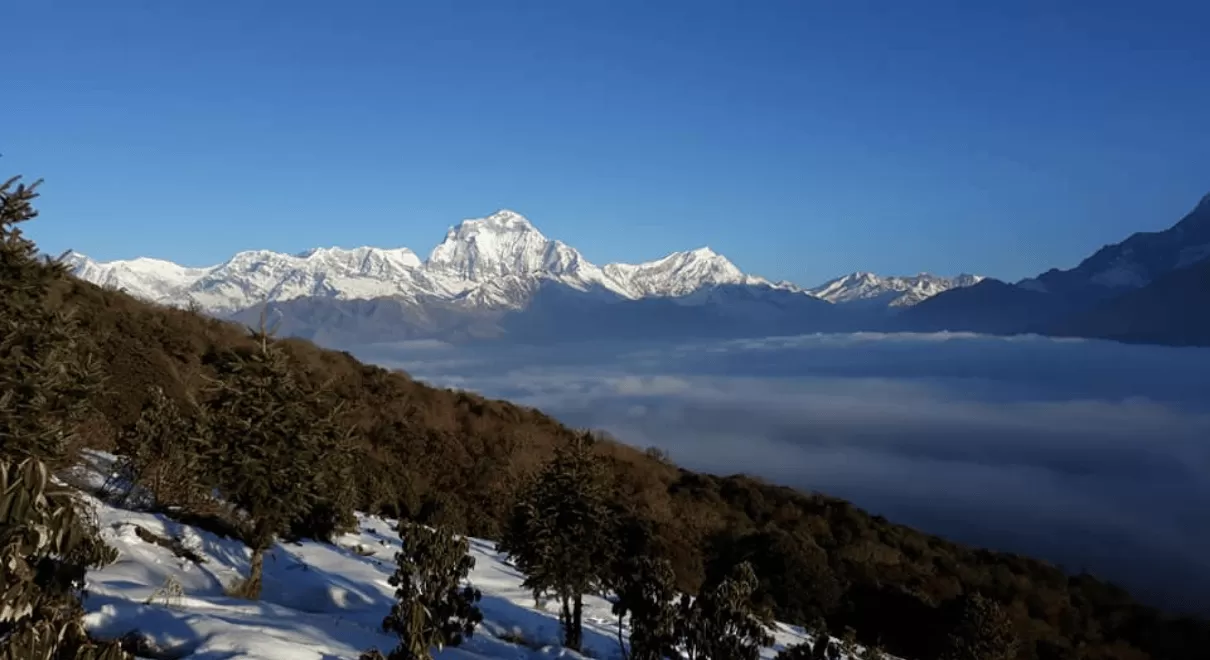
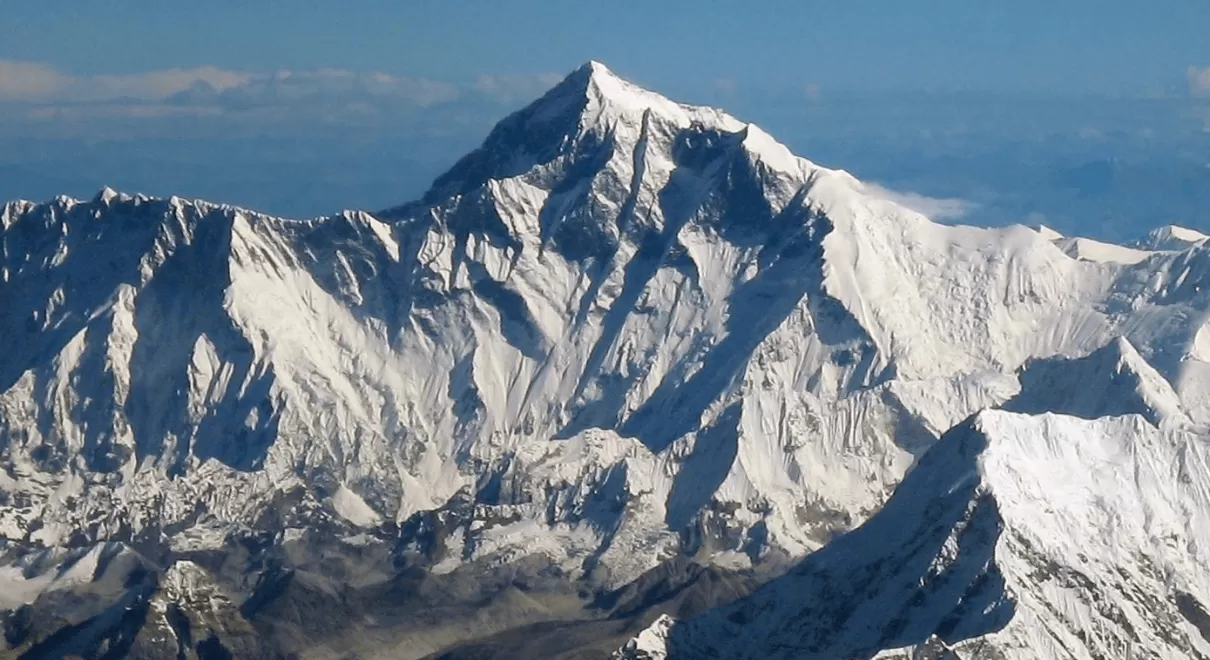
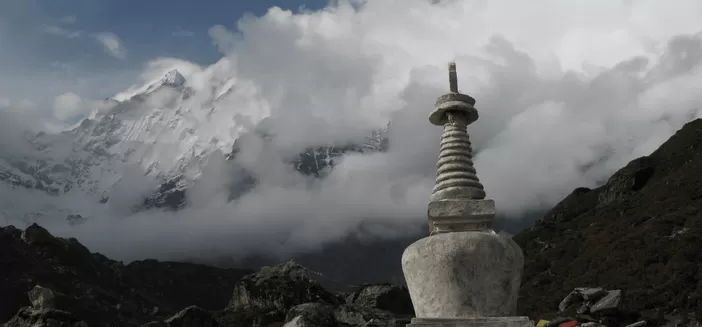
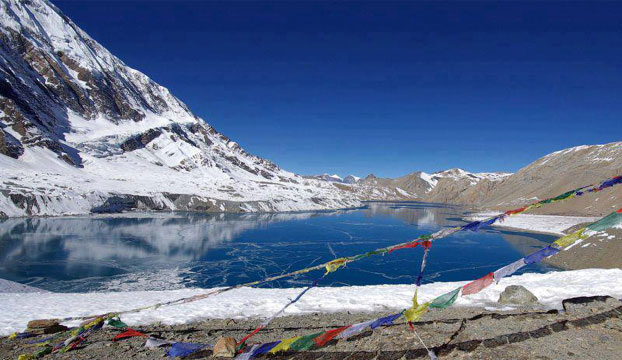
Mesokanto La Pass is an alternative route to the Throng La Pass trek. It is a unique and wilderness trekking trail from Manang village to Jomsom in the Annapurna region. The trail passes through the famous lake Tilicho, which is the highest-altitude lake in the world, at an altitude of 4920 meters. Tilicho Pass is also known as Mesu Kanto La Pass, at 5340 meters. which offer beautiful Himalayan views of Mount Manaslu (8163 m), Mount Dhaulagiri (8167 m), Mount Annapurna I (8091 m), and 19 other snow-capped mountains of the Annapurna region.

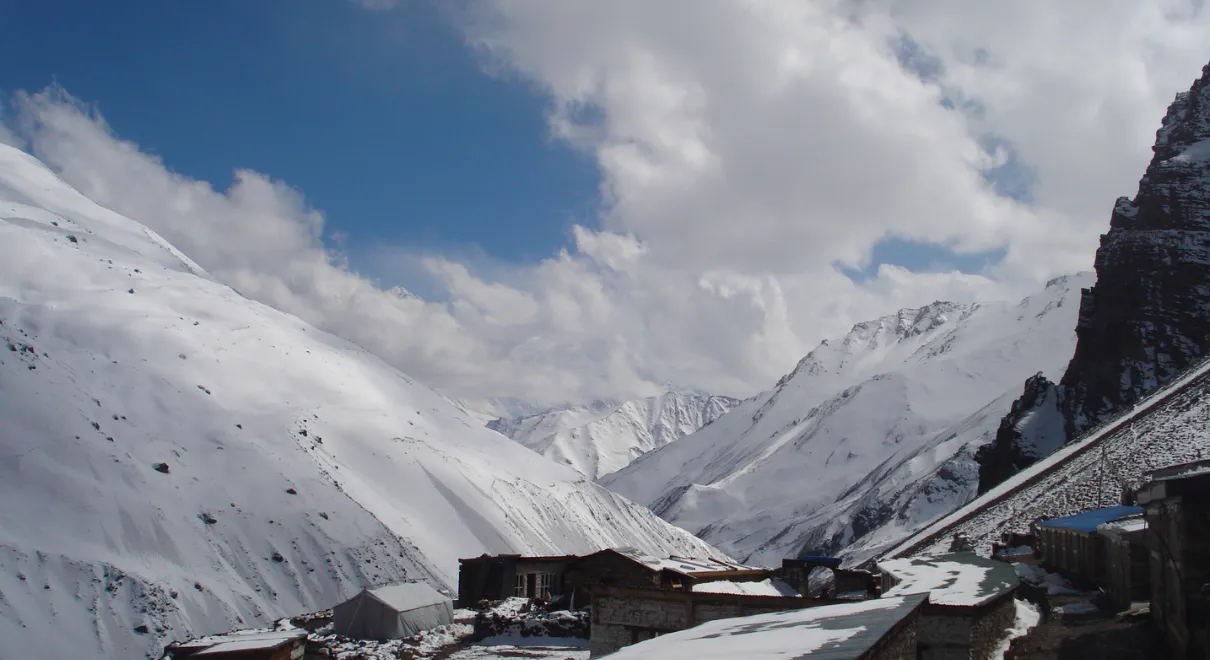
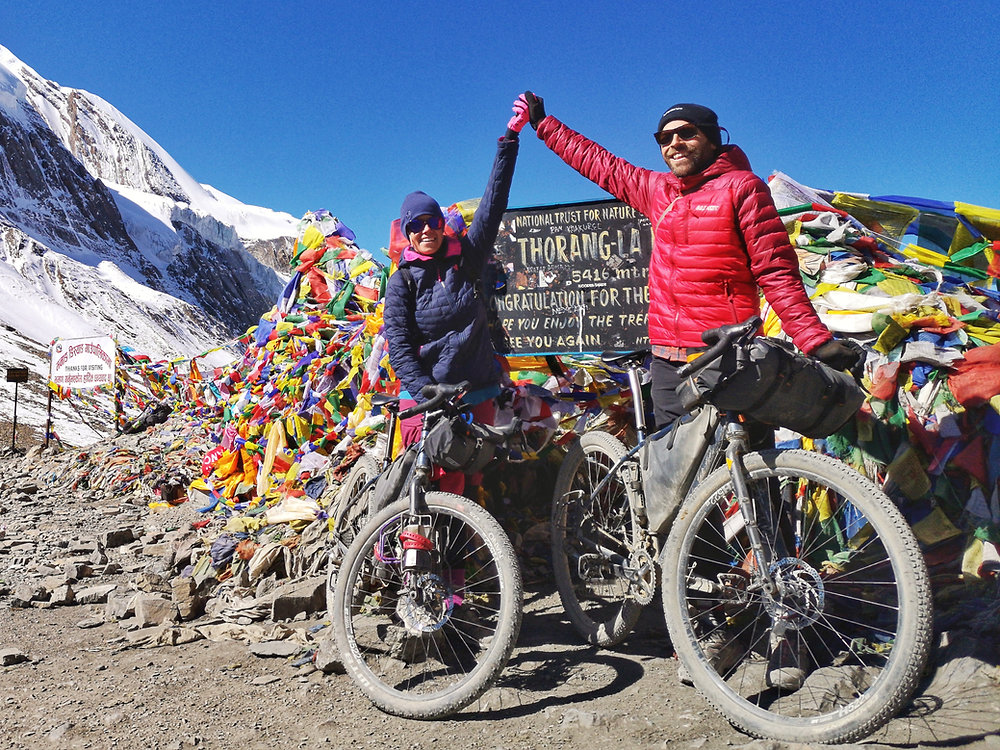
Mesokanto La pass trek is an exciting and beautiful route; it is very technical, particularly the downhill section from the Mesokanto-La pass, and we do not recommend it for beginners, but with views of peaks at over 8000 meters and a variety of landscapes, plants and animals, it is well worth the effort. ). It was for a long time almost totally closed save for a few climbers and expeditions, and since 1974, when Nixon changed the China policy, part of the area above Thini on the Jomosom side became a totally off-limits military area.

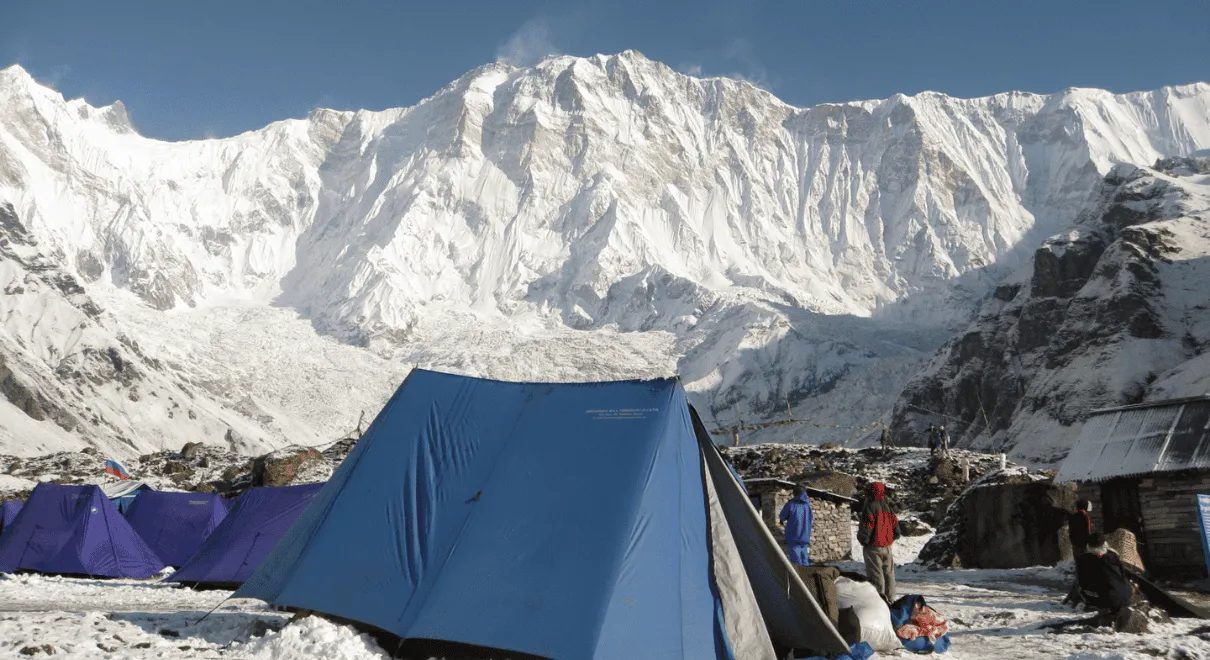
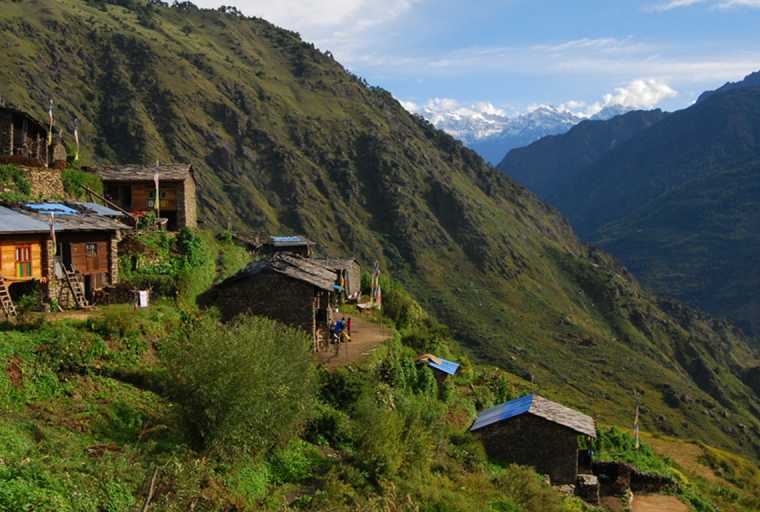
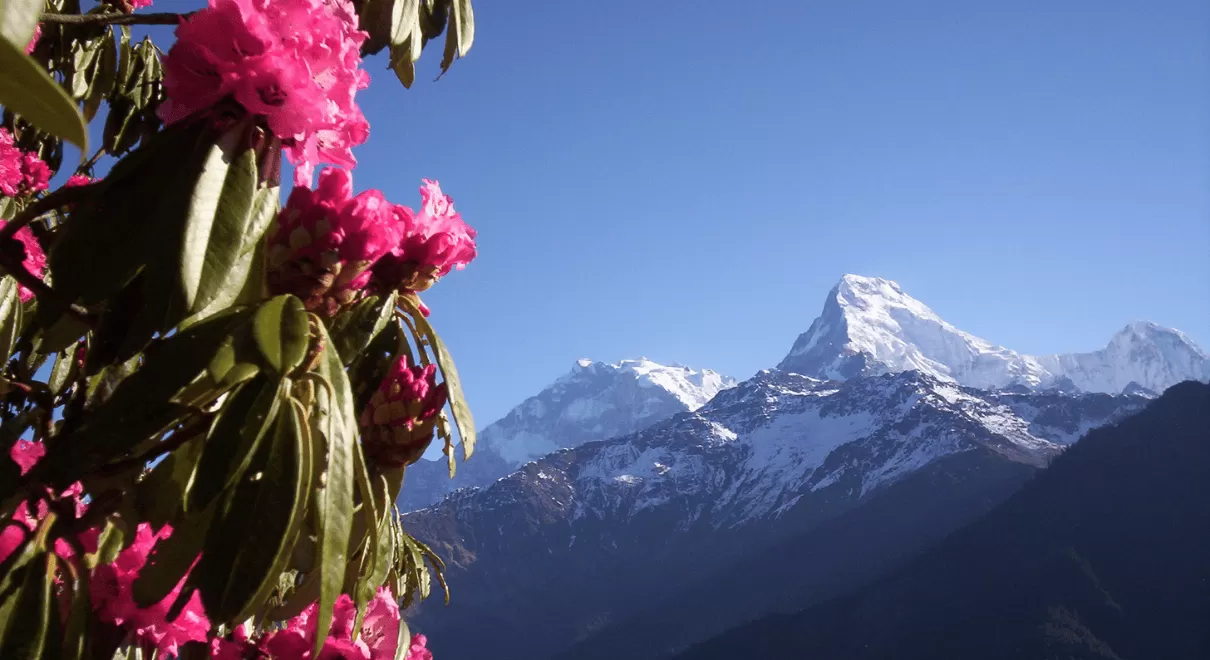
Mesokanto La Pass Trek: The scenic drive to the Besishahara, the route of the Annapurna circuit trek. Now it is possible to drive to Chemje; from here, your trek starts to Mesokanto La Pass. The flowering vegetation along the way makes anyone feel it is a natural garden. The exploration with Himalayan Smile Treks of the unique culture of the Gurung and Thakali ethnicities, who are the indigenous tribes of Nepal’s hillside, can be rewarding for visitors to their traditional lifestyle. The holy region is ideal for both natural explorers and adventure seekers. The Annapurna Circuit adventure route continues up to Manang village, which is ancient and offers a unique culture to be explored. After crossing Mesokanto La, the landscape is unique, arid, and windy.

How difficult is the Mesokanto-La Pass Trek?

The Mesokanto La Pass Trek is, in a way, one of the tougher treks in Nepal, and honestly, it’s mostly for experienced trekkers with solid physical fitness. The route takes you over the Mesokanto La Pass at 5,121 meters, and at that elevation the whole thing feels harder… high altitude, steep climbs and descents, rough trail segments, plus the weather that keeps shifting; all of it makes the trek intense. Most people end up hiking roughly five to eight hours each day, though on the day of the crossing you may get longer stretches. Getting properly acclimatized is a must, because that’s what helps lower the risk of altitude sickness. If you’ve already trekked at higher places before, have good trekking gear, and are traveling with a capable guide, then safety and overall enjoyment improve a lot as the days go on.

What is the altitude of Mesokanto La Pass?

Mesokanto La Pass sits up there around 5,121 meters, or 16,801 feet, above sea level in Nepal’s Annapurna region. You can reach it because it works like a high mountain connector between the Tilicho Lake area and the Kali Gandaki Valley close to Jomsom. Honestly, it feels pretty spectacular, with that wide horizon view that makes you pause. From this elevation, trekkers typically get panoramic scenes of Annapurna, Dhaulagiri, Nilgiri, Tilicho Peak, Manaslu, and many other nearby Himalayan summits all at once. Because you’re so high, the air has less oxygen than at sea level, so acclimatization has to be slow and the preparation needs to be right, not rushed. Also, spring and autumn usually bring clearer weather, so visibility looks better and trekking conditions tend to be the safest.

Can I combine Mesokanto La Pass with Tilicho Lake Trek?

Yeah, the Mesokanto La Pass Trek is usually paired with the well-known Tilicho Lake Trek, so you end up with one of the Annapurna region’s most rewarding trips, in a way that feels a bit more personal. In practice, trekkers start by seeing the beautiful Tilicho Lake, up at 4,919 meters, and then they move over the tough Mesokanto La Pass, reaching 5,121 meters. After that, it’s a descent toward Jomsom, with all that slow-shifting landscape vibe.

This combo really shines for the scenery, like bright turquoise highland lakes, ice masses, rough mountain backdrops, traditional village settings, and those breathtaking Himalayan panoramas that just don’t stop. Also, the route works as a wilder variation than the classic Annapurna Circuit. If you’re looking for a remote and less crowded, plus a totally unforgettable, high-altitude adventure, this is pretty much the right kind of itinerary.

What permits are required?

Trekkers on the Mesokanto La Pass Trek normally need the Annapurna Conservation Area Permit (ACAP), and this lets you enter the protected Annapurna Conservation Area. Depending on the newest government rules, you might also need a TIMS card, meaning the Trekkers’ Information Management System, which is usually requested for trekkers, at least in certain periods. These permissions basically help fund conservation tasks, path upkeep, and visitor oversight across the wider area. In most cases, trekking agencies will handle the paperwork before the trek begins so it feels more straightforward, and travelers do not have to chase forms at the last moment. Still, you should carry the permits with you the whole way, because they get checked at a few entrance and exit checkpoints along the trekking route.

What accommodation is available during the trek?

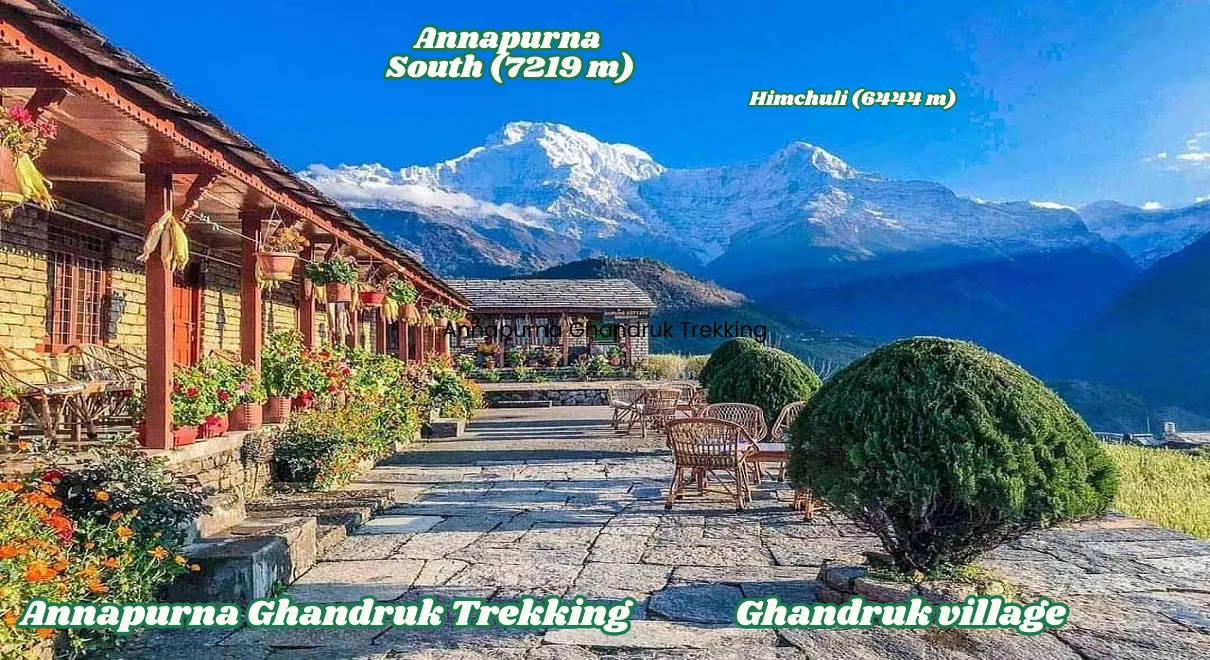
On the Mesokanto La Pass Trek, accommodation is mostly handled by traditional tea houses and also mountain lodges. These are found in small villages along the way, kind of like a patchwork of stops. Most rooms stay pretty straightforward and tidy and usually come with twin beds, blankets, and shared bathroom spaces, so nothing fancy. In the busier places, a few lodges can give you a private room, plus warm showers, Wi-Fi, and charging services too, but that extra comes with an additional fee or two. When you keep climbing toward the higher, more remote sections near Tilicho Lake and Mesokanto La Pass, everything becomes more basic, meaning simpler facilities. Still, the lodges prepare meals fresh each day—Nepali, Tibetan, and international dishes—and they keep that welcoming, generous vibe. So throughout the trek you can expect warm hospitality and decent overnight rest even while the route gets tougher.


Trek Highlights

Trek Highlights

Cross the sensational Mesokanto La Pass (5,121m), with jaw-dropping panoramic views across the Annapurna and Dhaulagiri ranges; you’ll feel like you’re floating there at times.

Go see Tilicho Lake, that remarkable one of the world's highest alpine lakes, placed in the middle of dramatic Himalayan scenery that just keeps changing every hour.

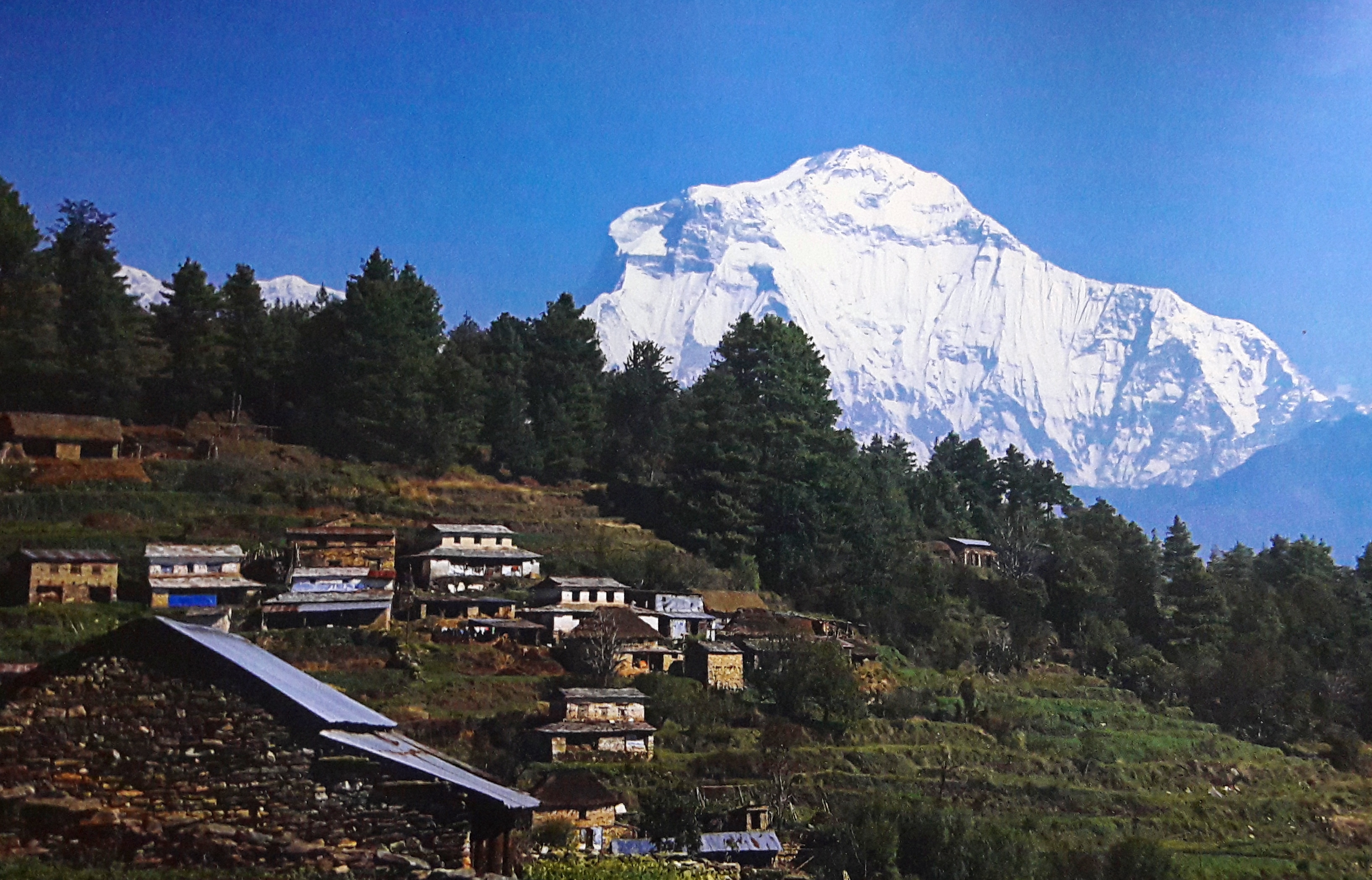
Meet remote mountain villages, take in a real Tibetan-influenced way of life, and enjoy generous warm hospitality from traditional tea houses all the way through the trek, even when the weather turns.

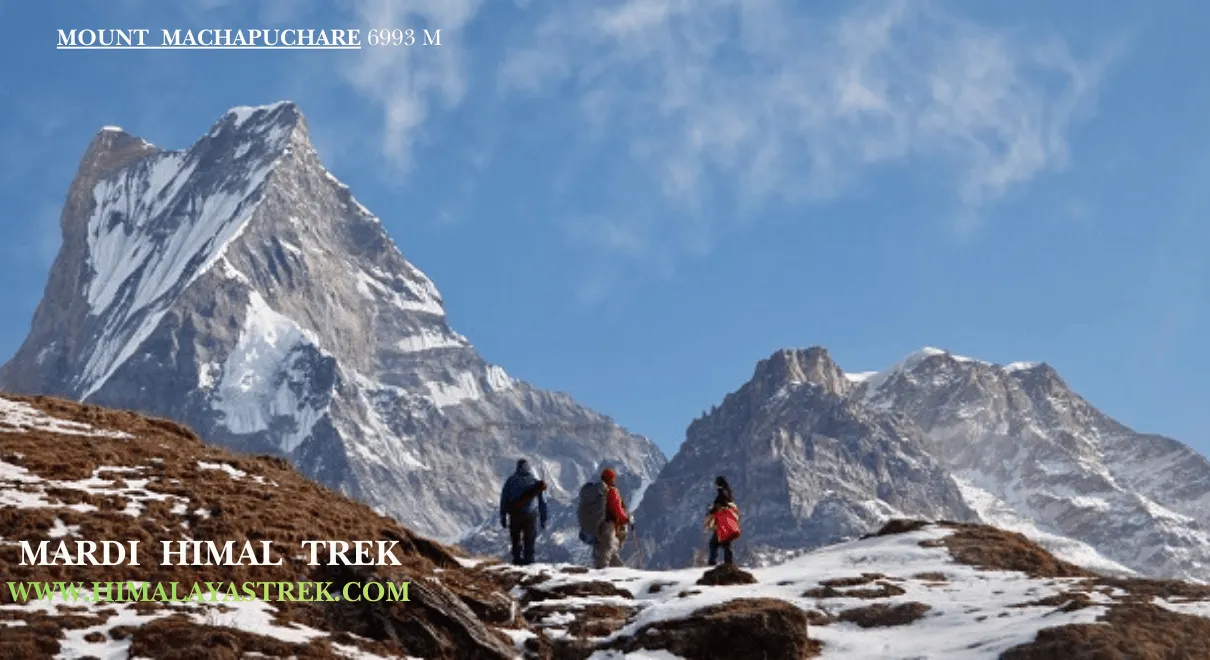
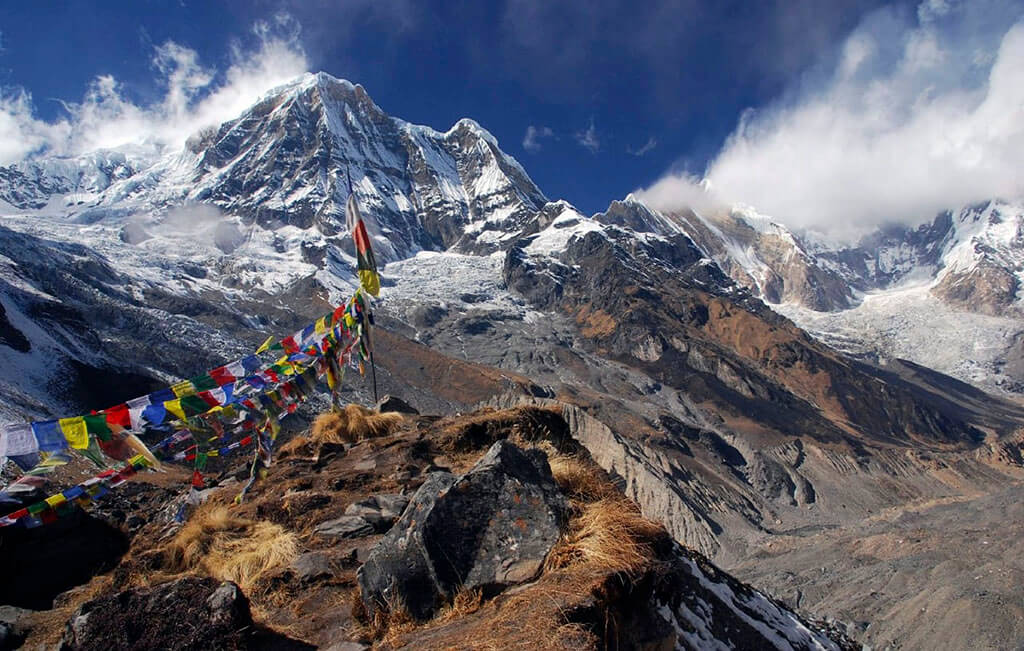
Trek past all kinds of scenery like alpine meadows, glacier fields, rugged valleys, untouched forests, and those high-altitude mountain passes that make your legs pause for a second.

Catch unforgettable sunrise plus sunset views over snow-capped Himalayan giants, great for extraordinary photography, and the trekking memories that stay with you.

Outline Itinerary

Outline Itinerary

Detailed Itinerary

Detailed Itinerary

Trek FAQs

FAQs
You don't need to carry all your stuff which is not required for trekking. You can be left at your hotel or Himalayan Smile Treks office in Kathmandu. Nearly all hotels have a luggage deposit but we do not store clients valuables in our office. Also the hotel you will provide locker their you can store your valuables things. After you come back from trekking, we handover your luggage and other stuff to you.
We assign one of our officers to look after you, who constantly stay in touch with you during your stay in Nepal. We give you his mobile number. Or you may directly contact to our office number also.
In fact you don't need to be a mountaineer with rippling muscles to enjoy trekking. If you are reasonably fit, have a spirit of mountain journey and like walking, you are always qualified for any trekking in Nepal. You do not need any previous experience. However we suggest you some physical fitness programs such as running, swimming, hiking before you embark on journey.
If you're doing camping trek we offer standard meals as well as a vegetarian meal option. Just let us know if you want vegetarian meals when you book your trek. But we can't fulfill every trekkers requirement(i.e., dietary requirements or special meals ). Also tea house trekking you will get vegetarian meal. Please tell about your trekking guide about details of your food allergy.
If your solo trekkers we will provide you on single room in tea house. In peak season (October, November, December , March, April) you have to share room with a member of the same sex but it is rarely.
You will be served freshly cooked food during trekking. In all tea houses/ lodges along trekking trail Western, Continental and Nepali dishes are available. Three meals a day will be provided you in full board (Gold) package
Up to a maximum of 5-6 hours a day with lunch breaks along the trail. The maximum altitude is depends upon which trek you are going. In Nepal normally the maximum altitude of most of the trekking falls between 3500m to 5000m
To some trekkers when they go over 3000 m they may feel some affect of altitude sickness like shortness of breath and possibly a light headed which is fairly common. Sometime they may also get diarrhea as well as sprains and muscle aches. In such case our guide who is experienced in first aid treatment and high altitude sickness will advise you about any health requirements and also treat you. Altitude sickness is dangerous but it can be avoidable. If your follow a few simple rules you will not suffer from altitude sickness. Rules are trek slowly with your guide, drink at least two liters of water per day (not including beer or soft drinks), If you feel shortness of breath, a slight headache or dizziness, tell your guide and rest immediately. Lie down, drink water. If you are still feeling unwell you may consider going down a few hundred meters. Do not pretend you are okay, and do not go down alone. For further information of altitude sickness.
You must disclose at the time of booking any medical condition that could affect your ability to do the Himalaya trekking. The Himalayan Smile Treks advise to do trek who has with heart conditions, knee problems, severe asthma or pregnant should not participate in the trek. The Himalayan Smile Treks could not be responsible in Himalaya trekking due to the lack of the medical facilities any problems due to your special dietary requirements or medical condition
There is no government restriction on the age limit for the Nepal trekking. If the trekkers children under the age of 8 years old and adults over 70 years old. The Himalayan Smile Treks recommend to hire an extra porter(our package price including one porter for two people).
In our trek packages one porter is including for two people. The one porter can carry 20-25 kg your luggage( per person 12 KG). If you're interested to hire extra porter we will recommend to hire in Lukla for Everest base camp trek. The porter cost approximately USD 15. If you want to hire a porter then please let us know at the time you make your trek booking. After Lukla it is very difficult to get porter. if your hire porter above the Lukla or Namche bazaar the porter cost USD 20 to 30 but they cannot always be reliable.
As general rule, it is hot enough during the days to wear an open-neck shirt with shorts and you will not be cold. During the evening, it gets cold so, long trousers and a warm jersey is essential.
Please consult your local doctor and follow his advice. However, if you are taking any particular medicines, it would be best to bring them with you.
There are trekking shops at Thamel, in Kathmandu, where you can easily rent or buy items like sleeping bags, down jackets, walking sticks, rucksacks, duffel bags and other equipments on reasonable price.
We will recommend you to rent or buy sleeping bags as low as -30 °C. This temperature is suitable for Everest base camp trekking(above 4000m). We will suggest to buy /rent sleeping bags and so you can try it out. Also you can rent /buy sleeping bag in Kathmandu trekking store.
If you are flying from a remote mountain airstrip like Lukla, Jomsom, Simikot, Taplejung and Dolpo, you should keep at least two spare days before your departure for home.
Trekking areas like Everest, Annapurna and Langtang, all most tea houses/ mountain lodges have telephone facilities. From there you can make international calls to your home and friends staying any part of the world.
Nepal is absolutely safe country to travel. Our staffs do take every precaution to ensure the comfort and safety of the trekkers. Before 2006 when Maoist movement was going on, there was a kind of fear in few trekking destinations. But today they have also come to peaceful political stream. So there is no more any fear and need to give donation for any party.
We offer you an experienced trekking guide. He is in charge of your overall trekking. This is the person you should go to with all problems, concerns and questions. He is well trained in all aspects of trekking, high altitude medicine, first aid and emergency procedure. He is selected in terms of his professionalism. Remember that trekking guides are local citizens and their English may be basic and limited to trek related topics. About porters, they carry your luggage. They are also local citizens. Normally one porter carries 20 to 25 kg of stuff. Normally we provide one porter for every two trekkers.
Our group size is minimum 2 and maximum 12 however we will start trek from One people. We can organize trek according to customer requested date.
In Everest region trekking we offer you accommodation in tea house (mountain lodge). A Tea House is the combination of guest house, restaurant, and social hang out. The rooms are spare with twin beds and very little additional furniture. Around 5000 m trekking you don't need crampons but if you're going cross the high pass like Larkya la pass(5,235 m), Throng la Pass(5216 m) and Cho La Pass( 5,420 m) it is recommended. We will provide clean sleeping bag during the trekking.
Most of the Tea Houses have running water facility. Many of them also available hot water for shower. The hot shower is bucket shower(not running hot shower) except Namche bazaar. Most bathrooms are shared and toilets can be either squat type of the western version.
In tea House serves the traditional Nepali meal Dal Bhat (rice and lentils), as well as a variety of different food items, such as rice, vegetables, noodles, potatoes and soup. In tea house your will get vegetarian food. Also we will recommend to eat Vegetarian food. Also in tea house has western food such as pizza, pasta and French fries. Soft drinks, snacks and beer are available in most of the Tea Houses and trail side restaurants
You don't need to carry all your stuff which is not required for trekking. You can be left at your hotel or Himalayan Smile Treks office in Kathmandu. Nearly all hotels have a luggage deposit but we do not store clients valuables in our office. Also the hotel you will provide locker their you can store your valuables things. After you come back from trekking, we handover your luggage and other stuff to you.
We assign one of our officers to look after you, who constantly stay in touch with you during your stay in Nepal. We give you his mobile number. Or you may directly contact to our office number also.
In fact you don't need to be a mountaineer with rippling muscles to enjoy trekking. If you are reasonably fit, have a spirit of mountain journey and like walking, you are always qualified for any trekking in Nepal. You do not need any previous experience. However we suggest you some physical fitness programs such as running, swimming, hiking before you embark on journey.
If you're doing camping trek we offer standard meals as well as a vegetarian meal option. Just let us know if you want vegetarian meals when you book your trek. But we can't fulfill every trekkers requirement(i.e., dietary requirements or special meals ). Also tea house trekking you will get vegetarian meal. Please tell about your trekking guide about details of your food allergy.
If your solo trekkers we will provide you on single room in tea house. In peak season (October, November, December , March, April) you have to share room with a member of the same sex but it is rarely.
You will be served freshly cooked food during trekking. In all tea houses/ lodges along trekking trail Western, Continental and Nepali dishes are available. Three meals a day will be provided you in full board (Gold) package
Up to a maximum of 5-6 hours a day with lunch breaks along the trail. The maximum altitude is depends upon which trek you are going. In Nepal normally the maximum altitude of most of the trekking falls between 3500m to 5000m
To some trekkers when they go over 3000 m they may feel some affect of altitude sickness like shortness of breath and possibly a light headed which is fairly common. Sometime they may also get diarrhea as well as sprains and muscle aches. In such case our guide who is experienced in first aid treatment and high altitude sickness will advise you about any health requirements and also treat you. Altitude sickness is dangerous but it can be avoidable. If your follow a few simple rules you will not suffer from altitude sickness. Rules are trek slowly with your guide, drink at least two liters of water per day (not including beer or soft drinks), If you feel shortness of breath, a slight headache or dizziness, tell your guide and rest immediately. Lie down, drink water. If you are still feeling unwell you may consider going down a few hundred meters. Do not pretend you are okay, and do not go down alone. For further information of altitude sickness.
You must disclose at the time of booking any medical condition that could affect your ability to do the Himalaya trekking. The Himalayan Smile Treks advise to do trek who has with heart conditions, knee problems, severe asthma or pregnant should not participate in the trek. The Himalayan Smile Treks could not be responsible in Himalaya trekking due to the lack of the medical facilities any problems due to your special dietary requirements or medical condition
There is no government restriction on the age limit for the Nepal trekking. If the trekkers children under the age of 8 years old and adults over 70 years old. The Himalayan Smile Treks recommend to hire an extra porter(our package price including one porter for two people).
In our trek packages one porter is including for two people. The one porter can carry 20-25 kg your luggage( per person 12 KG). If you're interested to hire extra porter we will recommend to hire in Lukla for Everest base camp trek. The porter cost approximately USD 15. If you want to hire a porter then please let us know at the time you make your trek booking. After Lukla it is very difficult to get porter. if your hire porter above the Lukla or Namche bazaar the porter cost USD 20 to 30 but they cannot always be reliable.
As general rule, it is hot enough during the days to wear an open-neck shirt with shorts and you will not be cold. During the evening, it gets cold so, long trousers and a warm jersey is essential.
Please consult your local doctor and follow his advice. However, if you are taking any particular medicines, it would be best to bring them with you.
There are trekking shops at Thamel, in Kathmandu, where you can easily rent or buy items like sleeping bags, down jackets, walking sticks, rucksacks, duffel bags and other equipments on reasonable price.
We will recommend you to rent or buy sleeping bags as low as -30 °C. This temperature is suitable for Everest base camp trekking(above 4000m). We will suggest to buy /rent sleeping bags and so you can try it out. Also you can rent /buy sleeping bag in Kathmandu trekking store.
If you are flying from a remote mountain airstrip like Lukla, Jomsom, Simikot, Taplejung and Dolpo, you should keep at least two spare days before your departure for home.
Trekking areas like Everest, Annapurna and Langtang, all most tea houses/ mountain lodges have telephone facilities. From there you can make international calls to your home and friends staying any part of the world.
Nepal is absolutely safe country to travel. Our staffs do take every precaution to ensure the comfort and safety of the trekkers. Before 2006 when Maoist movement was going on, there was a kind of fear in few trekking destinations. But today they have also come to peaceful political stream. So there is no more any fear and need to give donation for any party.
We offer you an experienced trekking guide. He is in charge of your overall trekking. This is the person you should go to with all problems, concerns and questions. He is well trained in all aspects of trekking, high altitude medicine, first aid and emergency procedure. He is selected in terms of his professionalism. Remember that trekking guides are local citizens and their English may be basic and limited to trek related topics. About porters, they carry your luggage. They are also local citizens. Normally one porter carries 20 to 25 kg of stuff. Normally we provide one porter for every two trekkers.
Our group size is minimum 2 and maximum 12 however we will start trek from One people. We can organize trek according to customer requested date.
In Everest region trekking we offer you accommodation in tea house (mountain lodge). A Tea House is the combination of guest house, restaurant, and social hang out. The rooms are spare with twin beds and very little additional furniture. Around 5000 m trekking you don't need crampons but if you're going cross the high pass like Larkya la pass(5,235 m), Throng la Pass(5216 m) and Cho La Pass( 5,420 m) it is recommended. We will provide clean sleeping bag during the trekking.
Most of the Tea Houses have running water facility. Many of them also available hot water for shower. The hot shower is bucket shower(not running hot shower) except Namche bazaar. Most bathrooms are shared and toilets can be either squat type of the western version.
In tea House serves the traditional Nepali meal Dal Bhat (rice and lentils), as well as a variety of different food items, such as rice, vegetables, noodles, potatoes and soup. In tea house your will get vegetarian food. Also we will recommend to eat Vegetarian food. Also in tea house has western food such as pizza, pasta and French fries. Soft drinks, snacks and beer are available in most of the Tea Houses and trail side restaurants
Best Price Offer

Start From

US$ Person

Speak with a Nepal Adventure Travel Expert

Get personalised guidance for any Nepal adventure — with expert planning and safety support.

Ask Now

We offer expert advice, flexible options, and tailor-made itineraries.
Average Reviews Write a review

5 /5

Very Good

From 20 reviews

Cleanliness

5/5

Service

5/5

Facilities

5/5

Location

5/5

Value for money

5/5

Traveler Review

Traveler Review