Country
Nepal
Duration
22 Days
Maximum altitude
5416 m
Activity
Trekking
Difficulty
Moderate / Difficult
Best Season
September, October, November, December, February, March, April
Accomodation
Included
Meals
Included
Start/End Point
Khudi / Jomsom

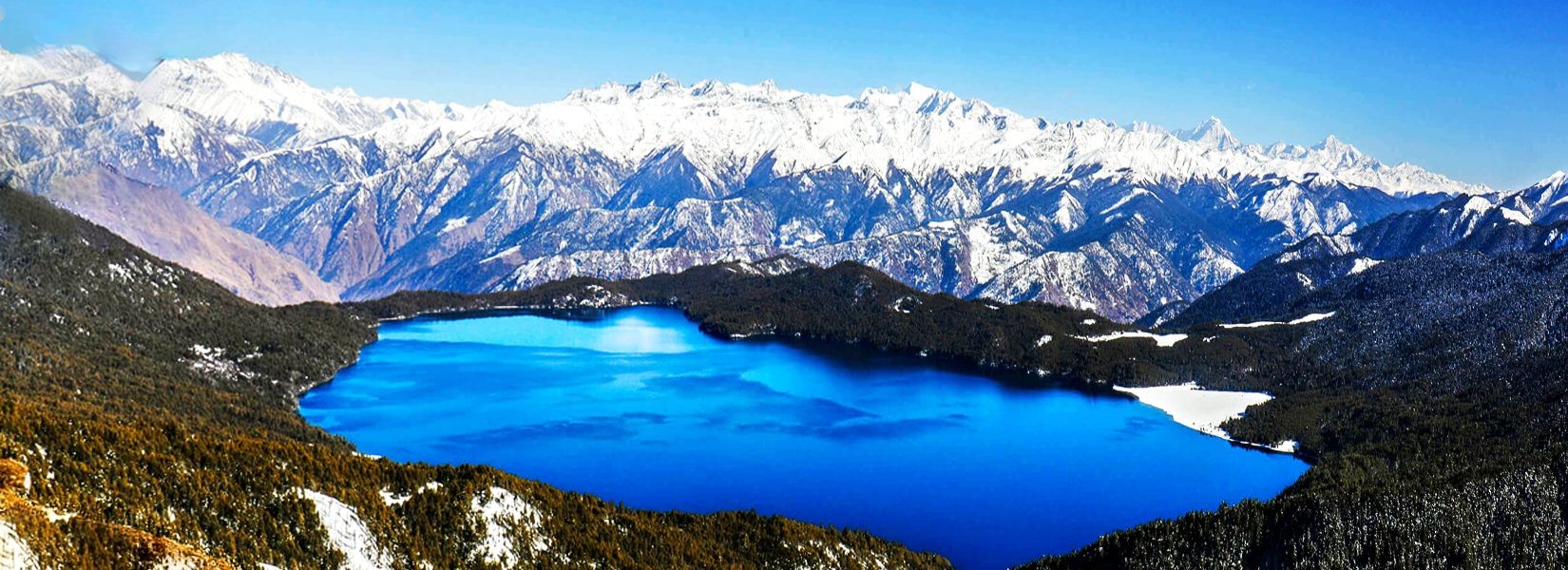
Nar Phu Valley trekking is an exotic valley located in the Annapurna region in midwestern Nepal. Nar Phu has been open to visitors only since 2003. Indeed, Nar Phu is one of the best regions in the highlands for viewing majestic mountains. Nar and Phu are the two most beautiful medieval villages where you can learn the real-life styles of Bhote communities and also enjoy the fabulous and typical landscape of the valley. The people and their culture have remained more similar to Tibetan than Nepalese due to its remoteness and greater proximity to Tibet. Nar Phu trekking begins from Koto via walking through a unique Marsyandi valley. The trekking trail follows the Annapurna Round Trail for a couple of days in the beginning. According to history, the Nar Phu Valley was first explored by Tilman in the 1950s, but it was closed to trekkers until late 2002. So very few trekkers have explored these virtually untouched villages and climbed the many 7000 m peaks surrounding them. In fact, this new circular trek offers a wild and remote alternative trekking experience, including newly opened villages Nar and Phu.
Nar Phu is this kind of very remote, restricted valley tucked away in Nepal’s Manang district; it gets its name from the two villages Nar and Phu, and it feels like it’s sort of pressed close to the Tibetan border, right in the Annapurna area. From there it breaks off from the better-known Annapurna Circuit at Koto, like a quieter side trail or something, but it’s still in the same wider region.
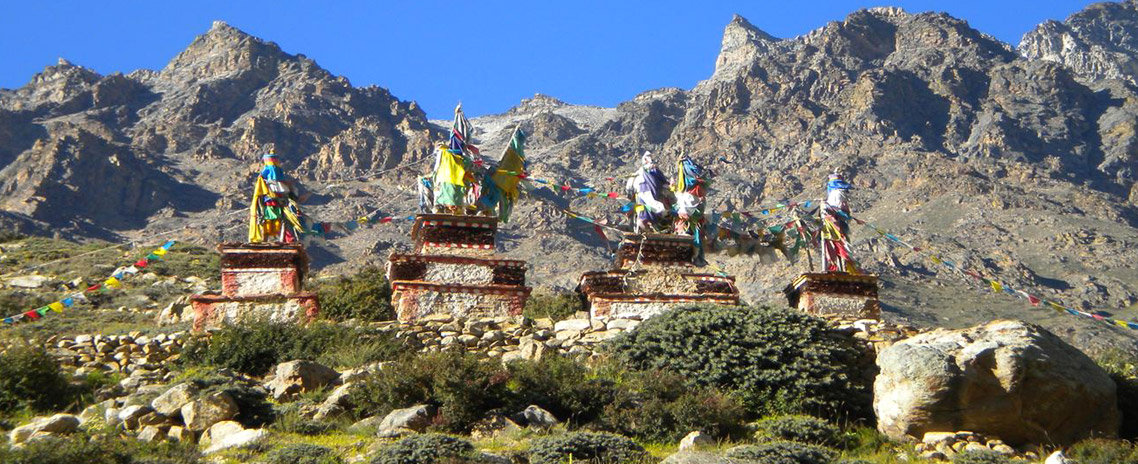
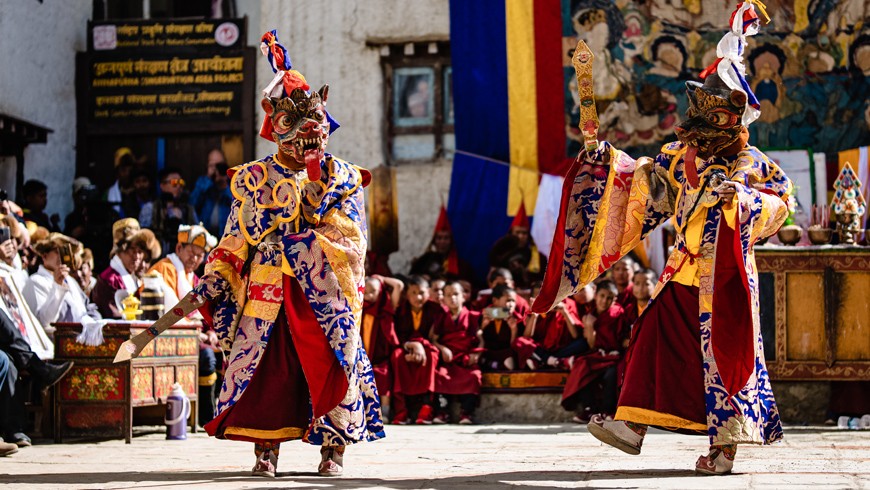
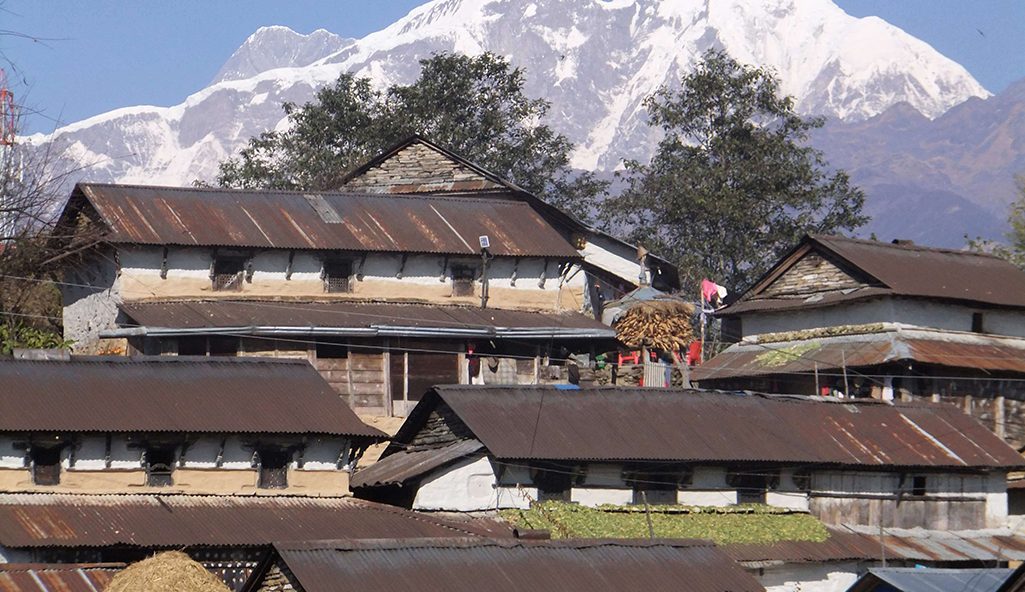
People & culture: Locals are often said to have moved from Tibet around the 8th century, though some people argue it might be later, and they point to Khampa warrior descendants. They speak a special Nar Phu dialect, and the whole way of life mixes Tibetan Buddhism plus Bon, that older belief system that existed before Buddhism came in. You’ll notice stone homes with flat-roofed inner courtyards, clustered near streams and fields, and Nyingmapa monasteries kind of work as the spiritual and social hub. Way back, the valleys were linked to an ancient salt route between Nepal and Tibet, so yak caravans carried salt, wool, and butter across this harsh terrain.
History: This area stayed protected and restricted for quite a while; then tourism was allowed only in 1992 (some say 2002), so it never really got the usual tourist crowd. It stayed oddly untouched, almost like it was just waiting.
On the trail you run into the old Tashi Lhakhang Gompa, Phu’s cliffside walled medieval settlement; you cross Kang La Pass at 5,320 m; and then there’s that steep canyon scenery that looks dramatic even if you’re moving slow.
Combining with the Annapurna Circuit: Most trekkers do the main Annapurna Circuit route up to Koto or Chame first, then they detour into Nar Phu (usually a round trip adding about 7–9 days), and later they reconnect back to the circuit toward Manang. After that, the trek keeps going over Thorong La Pass and onward to Muktinath, so you basically get Nar Phu’s rough, raw isolation blended with the circuit’s classic high Himalayan views, all stitched into one long stretch.
Opened up to trekkers only since 2003, kinda like a sealed in, from-before type place for decades and yeah, that has kept a good bit of the local culture still mostly untouched. Also the landscapes feel pristin, in this rare way you don’t see that often anymore.
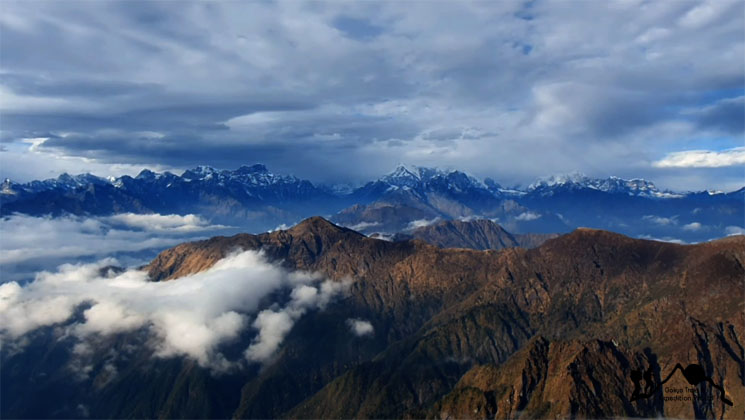
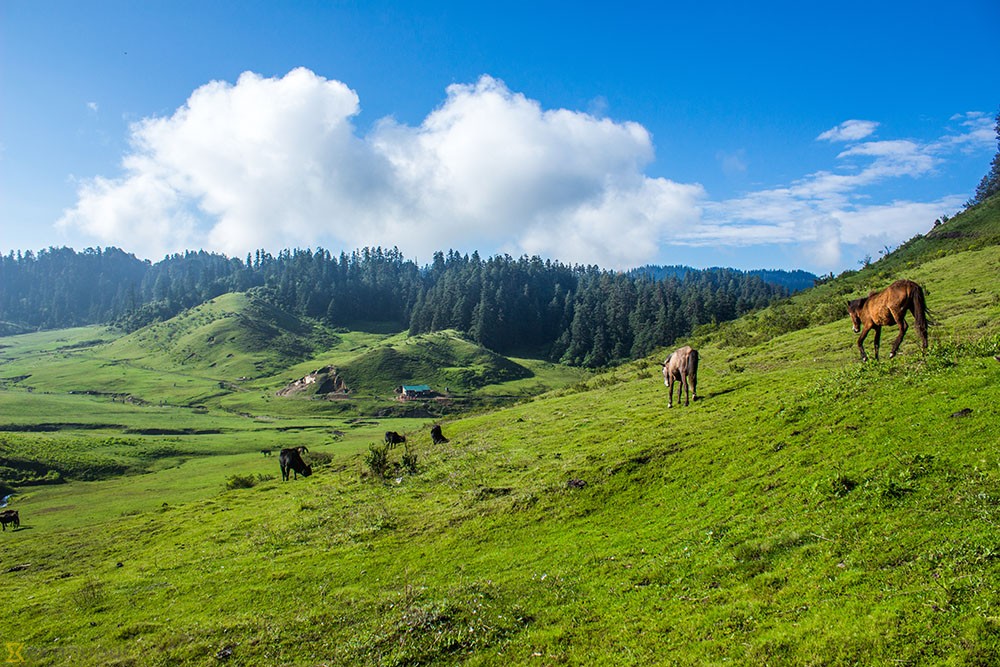
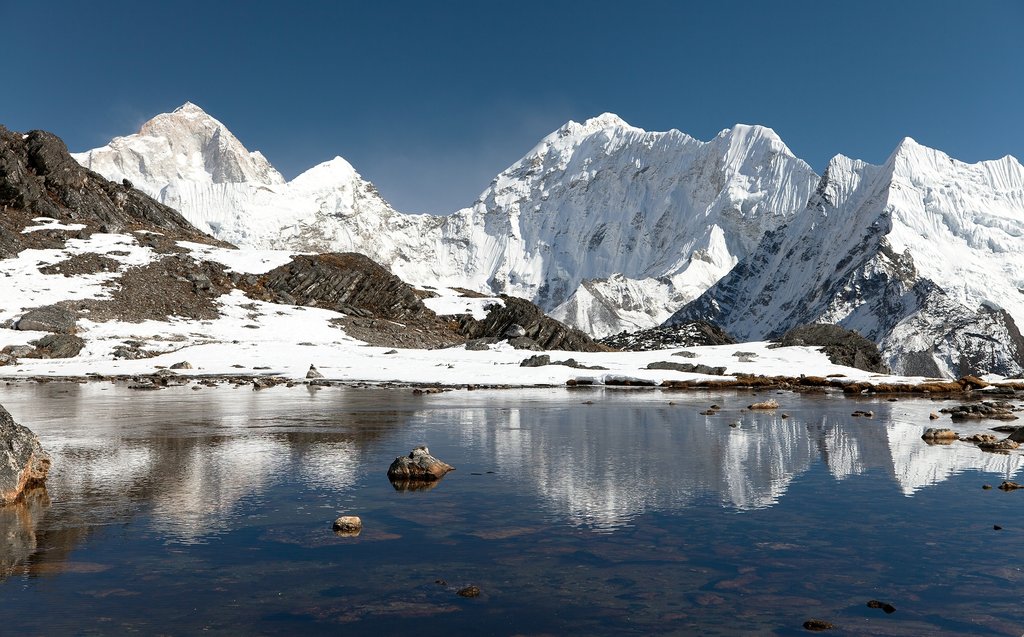
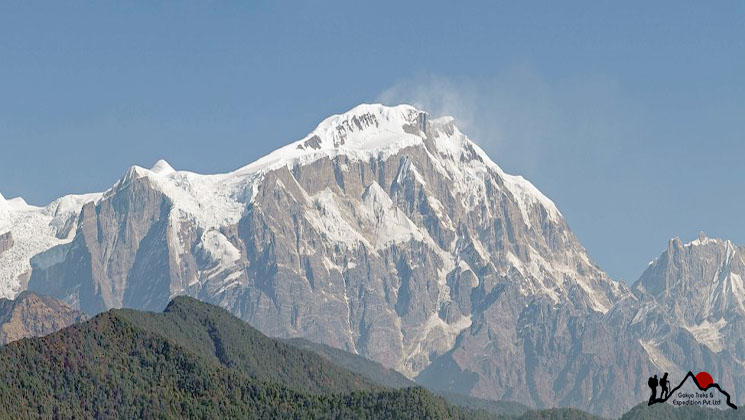
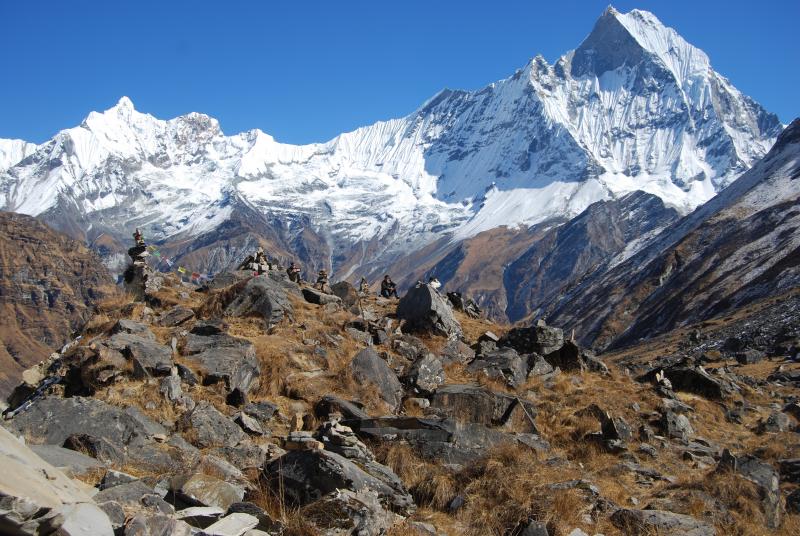
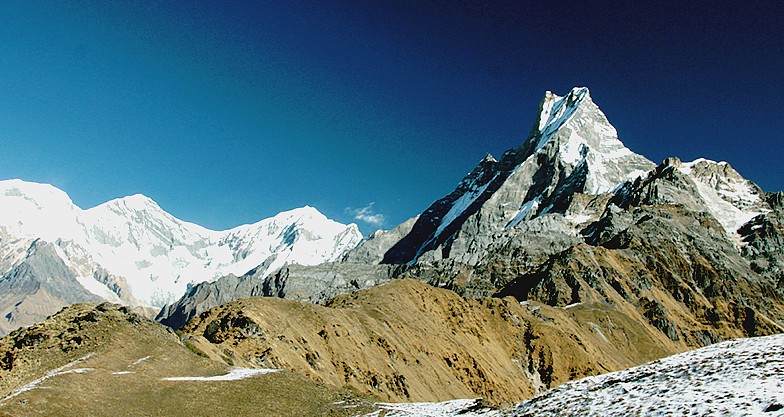
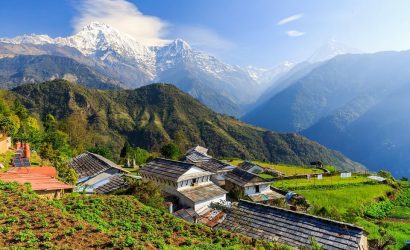
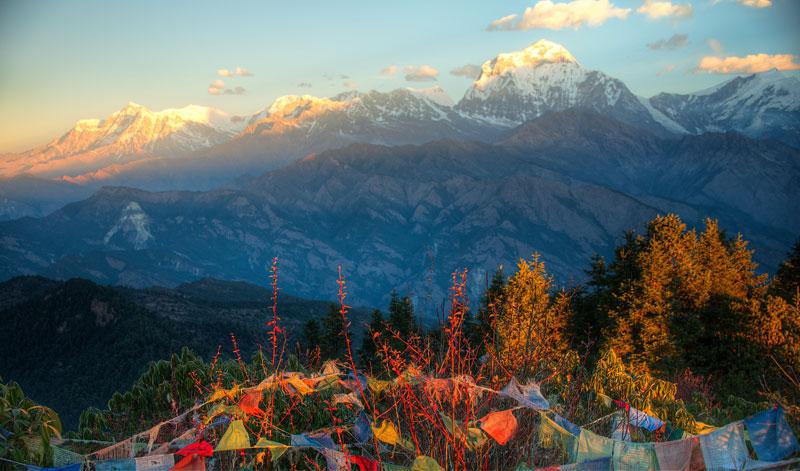
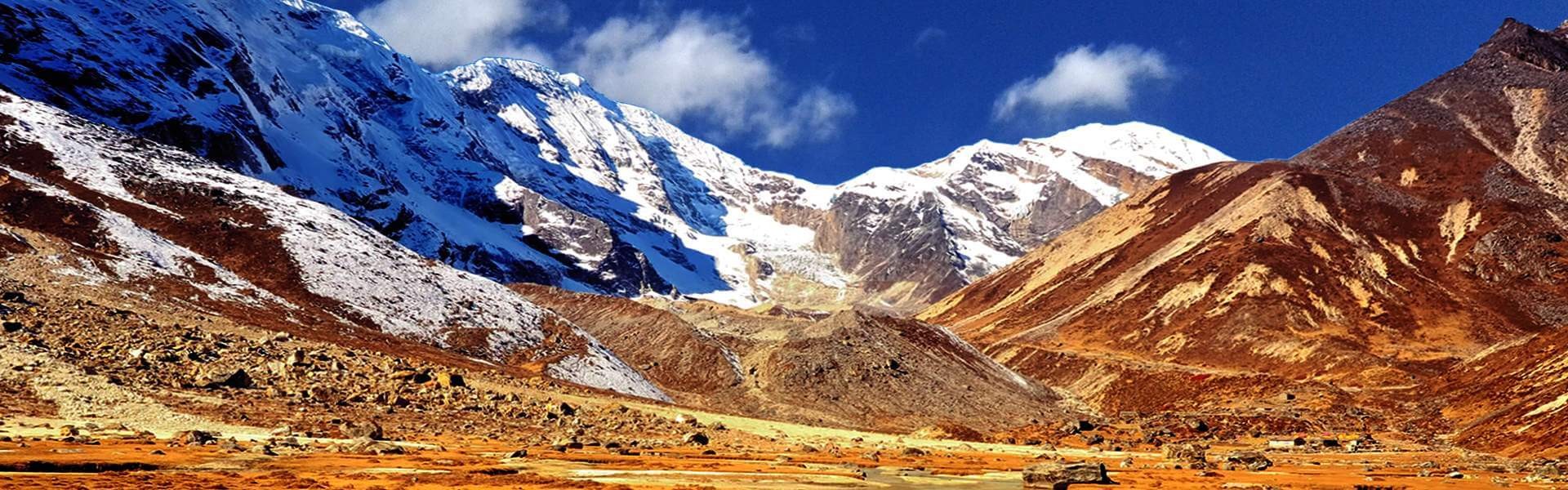
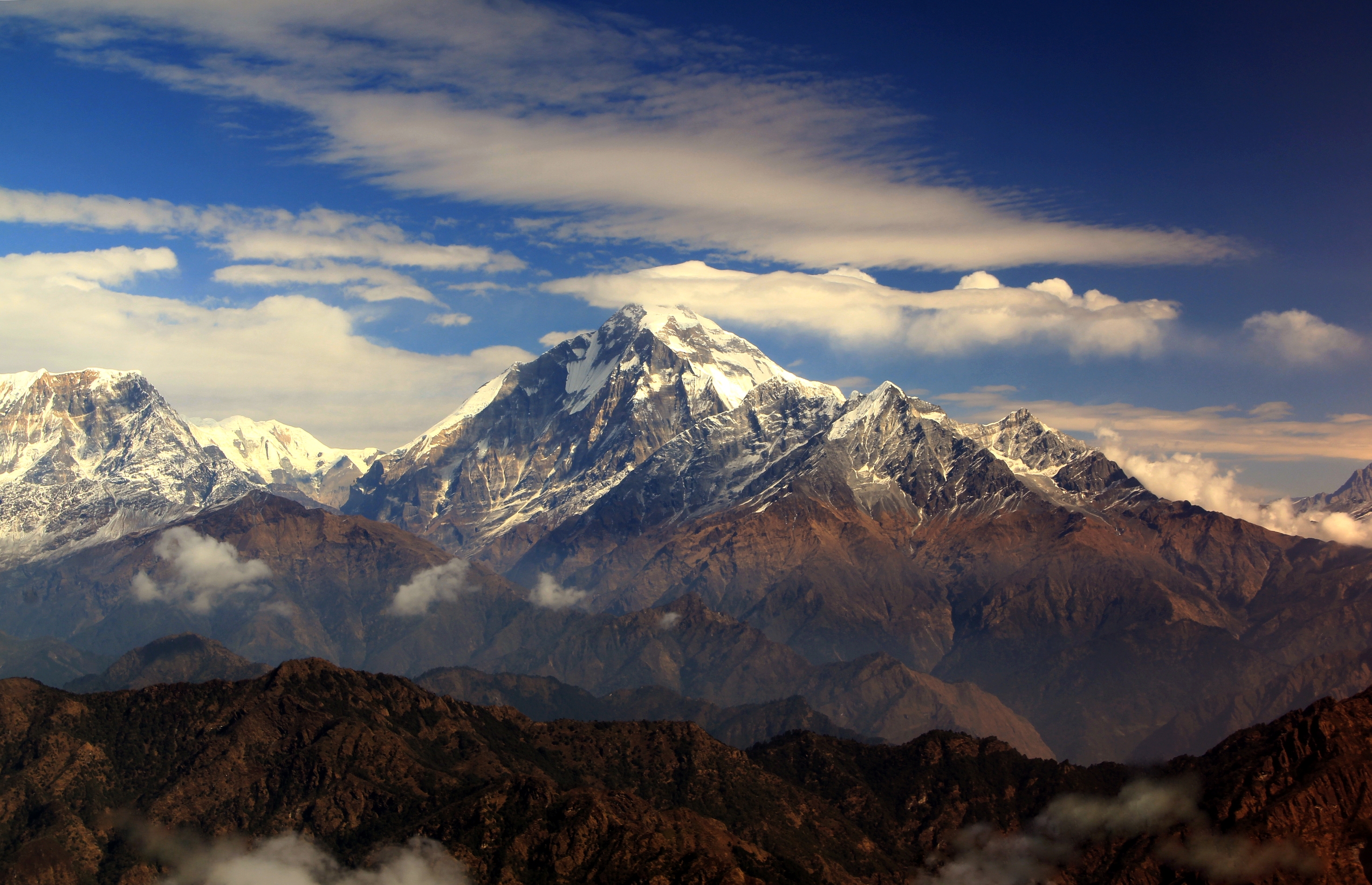
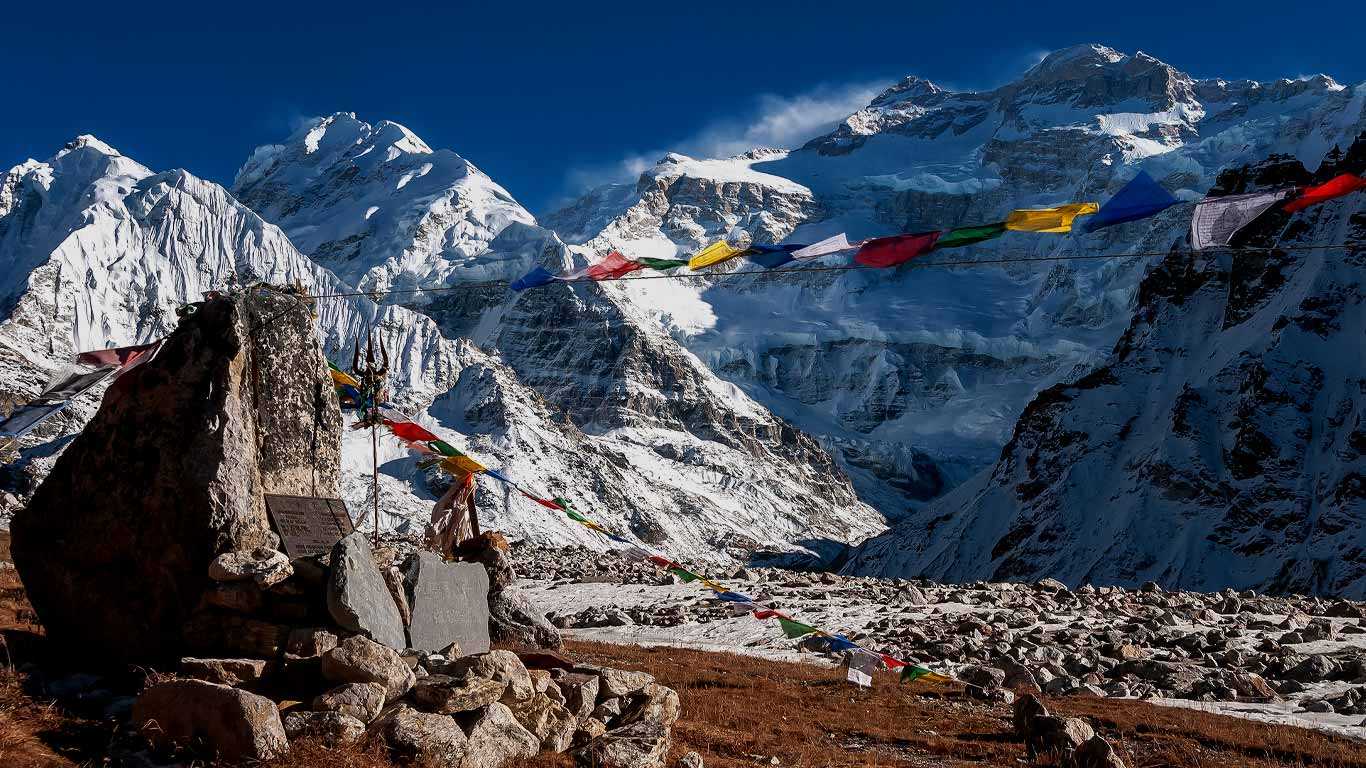
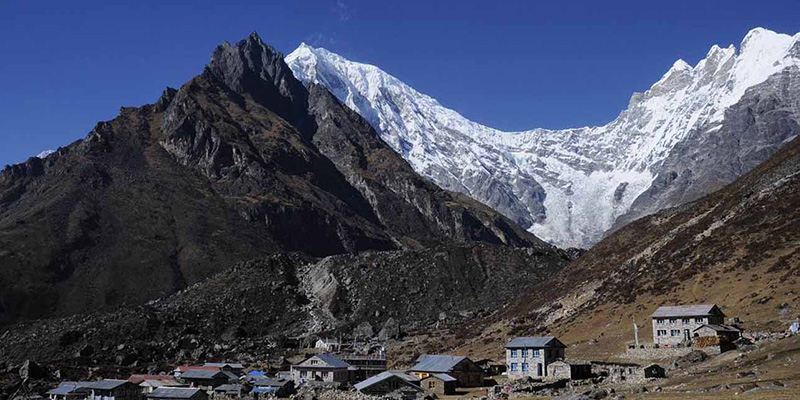
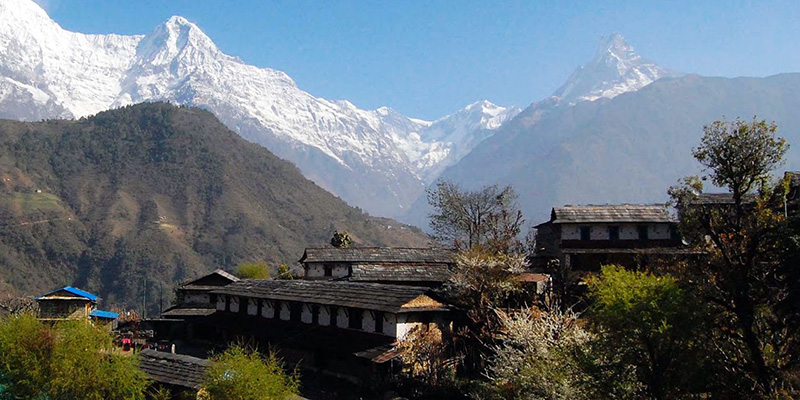
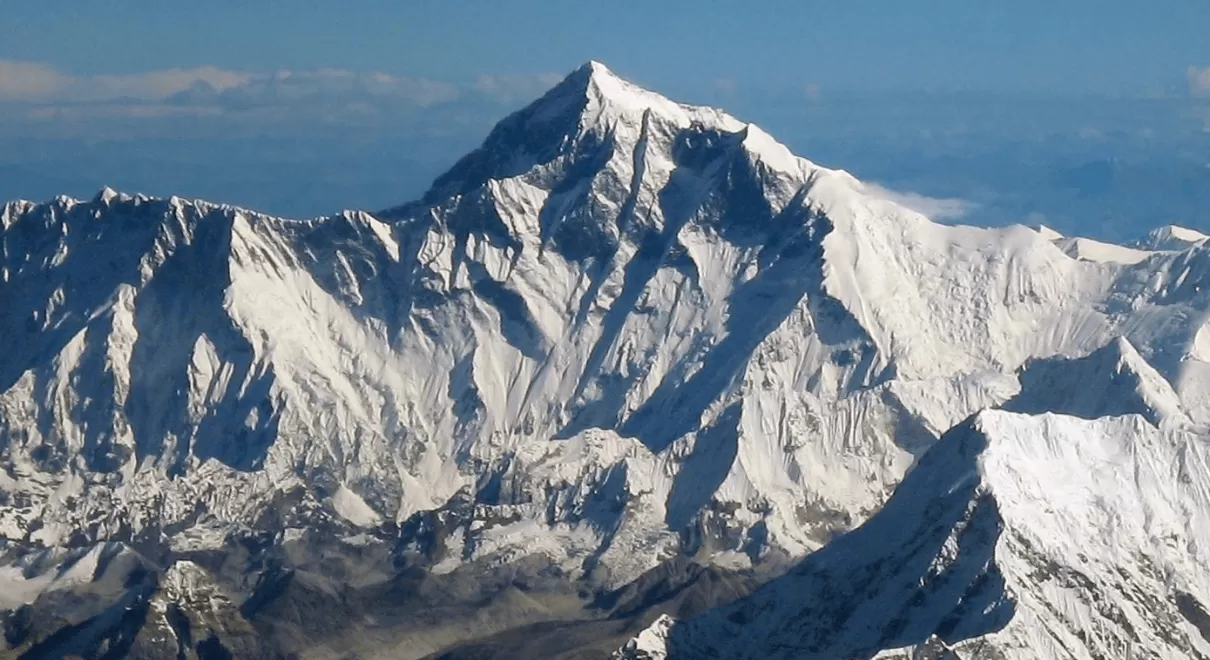
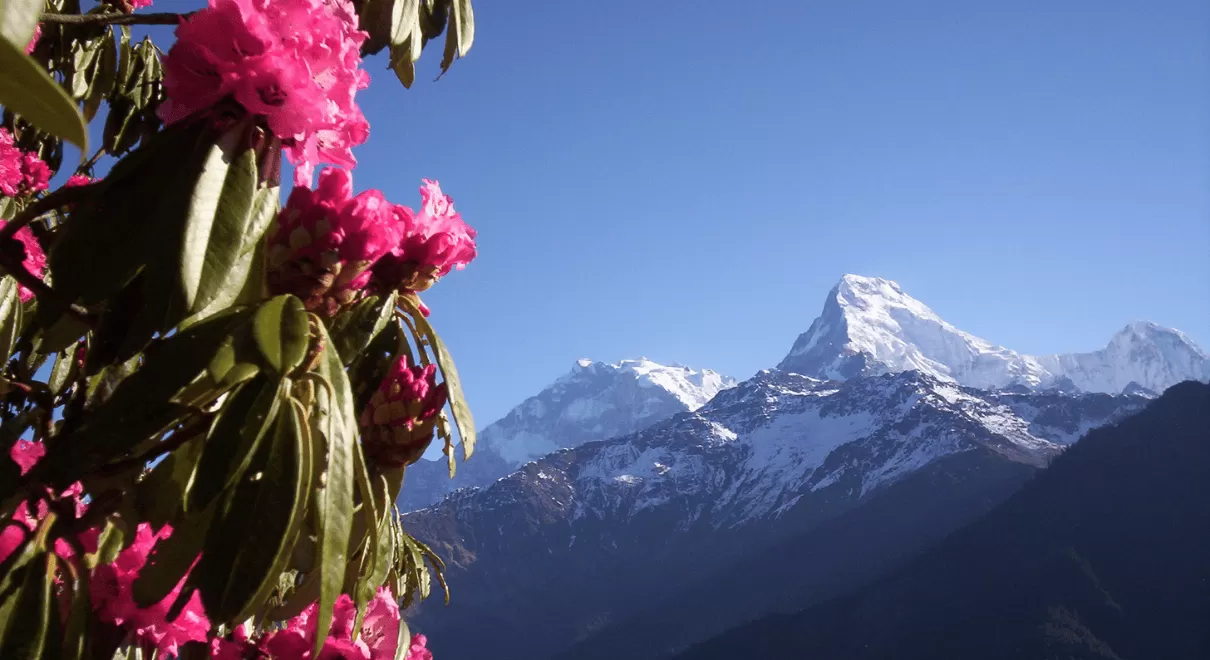
Tall snow peaks, old stone hamlets, and those huge Himalayan giants just sort of stand there, above the rock villages, and way over the settlements where yaks graze, up in high-altitude quiet, like nothing really interrupts it.
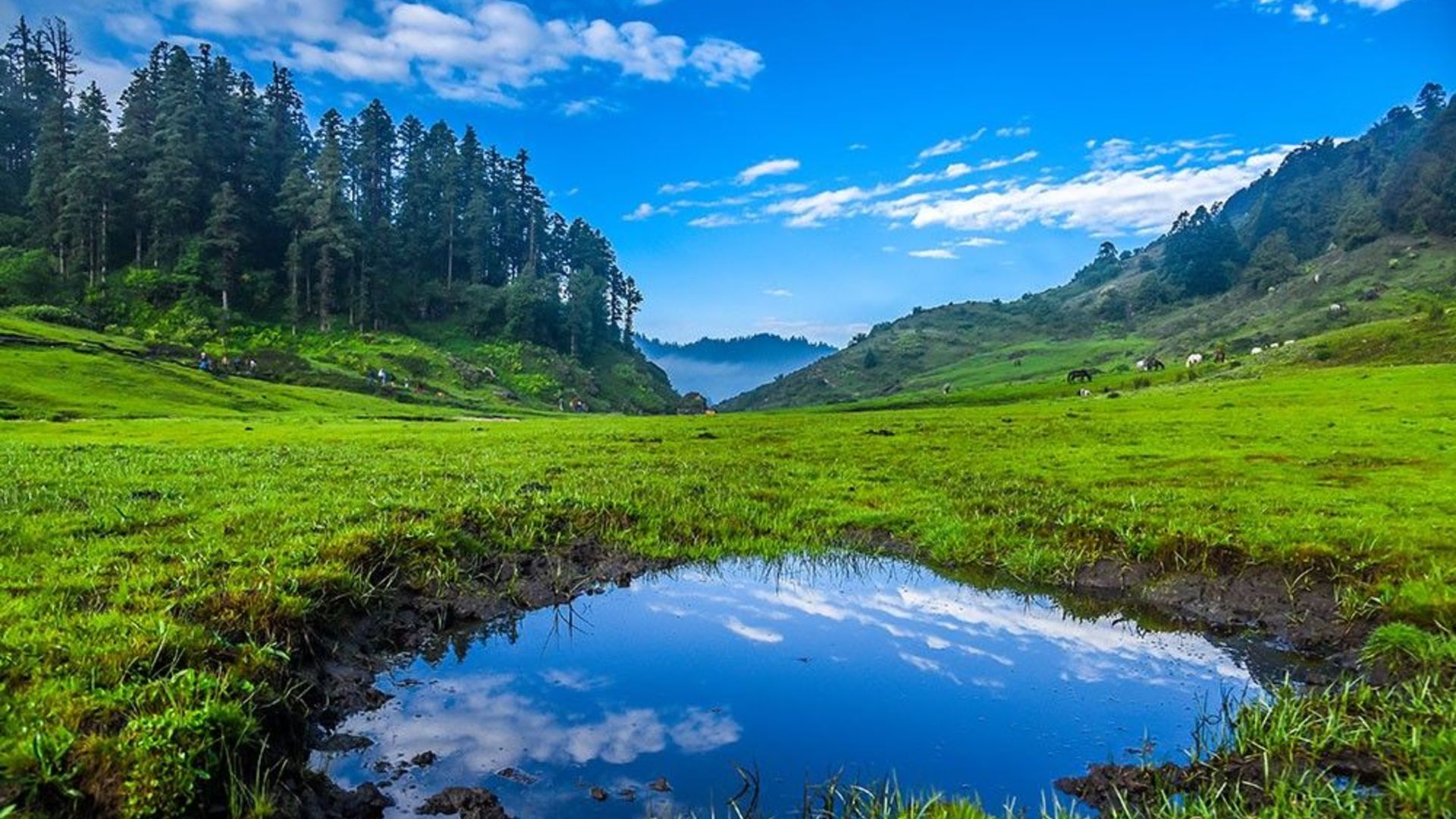
Hidden exotic villages “Nar and Phu” — two mysterious spots, with a Tibetan vibe, tucked deep in a rugged, very isolated valley where the paths feel fewer and older at the same time.
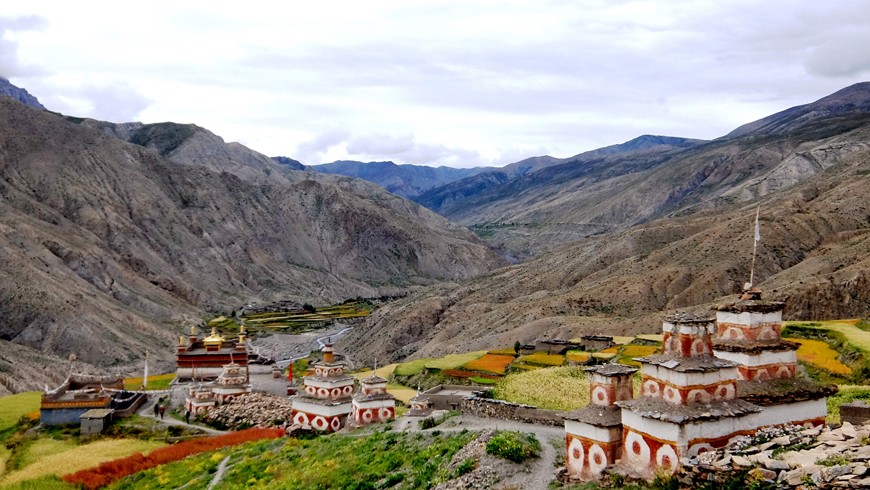
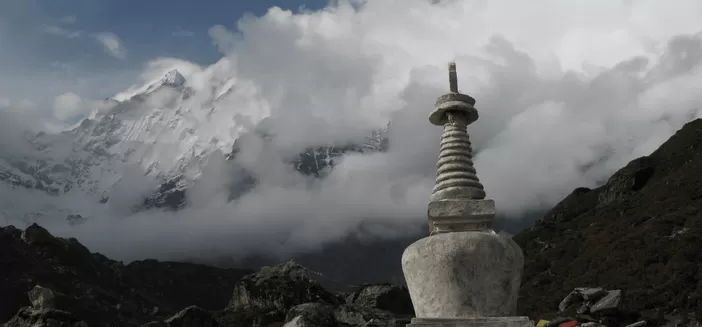
Plenty of ancient monasteries and chortens, you’ll run into gompas that are centuries old, plus sacred chortens too, and you can feel those Tibetan Buddhist roots everywhere you look, no question.
Crossing Kang La Pass, 5,320m… it’s a hard climb and pass, but it pays you back with a jaw dropping panoramic view over the Annapurna range, like suddenly you get the whole picture in one go.
Meeting snow leopards and blue sheep — a rare, almost unthinkable moment, where you might catch a glimpse of elusive wildlife moving through that remote protected Himalayan wilderness.
Thorong La, the high trekking pass 5,416m — one of the highest trekking passes on Earth, and it’s also a real Annapurna Circuit highlight, the type you remember for a long time, for sure.
Visit the Muktinath temple — a sacred pilgrimage place, revered by Buddhists and Hindus both, and it’s often described like the god tied to salvation, in a way that sticks with people.
Still a virgin trail, it remains among Nepal’s least-trekked routes, so you get real solitude and you’re away from the crowded footpaths.
Start From
Get personalised guidance for any Nepal adventure — with expert planning and safety support.
We offer expert advice, flexible options, and tailor-made itineraries.

The Nar Phu Valley trekking experience was an incredible journey into one of Nepal's most remote Himalayan valleys. The ancient villages, dramatic cliffs, peaceful trails, and spectacular mountain scenery were unforgettable. Our guide was experienced and supportive, making the challenging sections much more enjoyable.
Himalayan Smile Treks organized an excellent Nar Phu Valley Trek. I especially enjoyed exploring the traditional villages of Nar and Phu and experiencing the unique Tibetan-influenced culture. The remote landscapes were spectacular, and our guide provided excellent support and valuable local knowledge throughout the trek.
The Nar Phu Valley Trek exceeded my expectations. The route was peaceful and beautifully remote, with ancient monasteries, stone villages, narrow gorges, and magnificent Himalayan peaks. Himalayan Smile Treks handled the organization professionally, and our guide helped us understand the local culture and history.
This was one of my favorite trekking experiences in Nepal. The Nar Phu Valley felt completely different from the busier trekking routes. The dramatic mountain landscapes, traditional settlements, and high-altitude trails were incredible. Our guide was knowledgeable, patient, and attentive throughout the journey.
The Nar Phu Valley Trekking with Himalayan Smile Treks was a remarkable combination of adventure, culture, and wilderness. Walking through remote valleys and traditional stone villages while surrounded by spectacular Himalayan peaks was unforgettable. The professional organization and excellent guide support made this challenging trek truly rewarding.

$
$
$
$
$
$
$
$
$
.jpg1459434035jpg "Great Himalayan Trail")
$
$
$
$1350
$
$
$
$
$
$1870
$2300
$
$
$
$


↑
.png "NTB")
.png "Pata")