Price Table
| 1 | 2 | 3 | 4 | 5 | 6 | 7 | 8 | 9 | 10 | |
| USD 555 | USD 370 | USD 505 | USD 370 | USD 365 | USD 365 | USD 360 | USD 370 | USD 350 | USD 340 | |
| USD 460 | USD 280 | USD 415 | USD 280 | USD 275 | USD 275 | USD 270 | USD 280 | USD 260 | USD 250 |
Country
Nepal
Duration
3 days
Maximum altitude
3,580m
Activity
Trekking
Difficulty
Easy to Moderate
Best Season
Spring & Autumn
Accomodation
Tea house / Lodge
Meals
Excluded
Start/End Point
Pokhara

The 3-day Mardi Himal trek in Pokhara is the solution to your attraction because it provides three essential elements that make the trek exceptional. The program does not require you to spend multiple weeks away from work or reach elite athletic capabilities. The program requires three complete days, which include dedicated uphill walking for all participants.
This guide presents information authentically. The document explains the actual trekking experience together with its potential problems, which first-time trekkers face, and the specific requirements needed to achieve a joyful return from the trek with no regrets.
Why This Package? The Short Answer
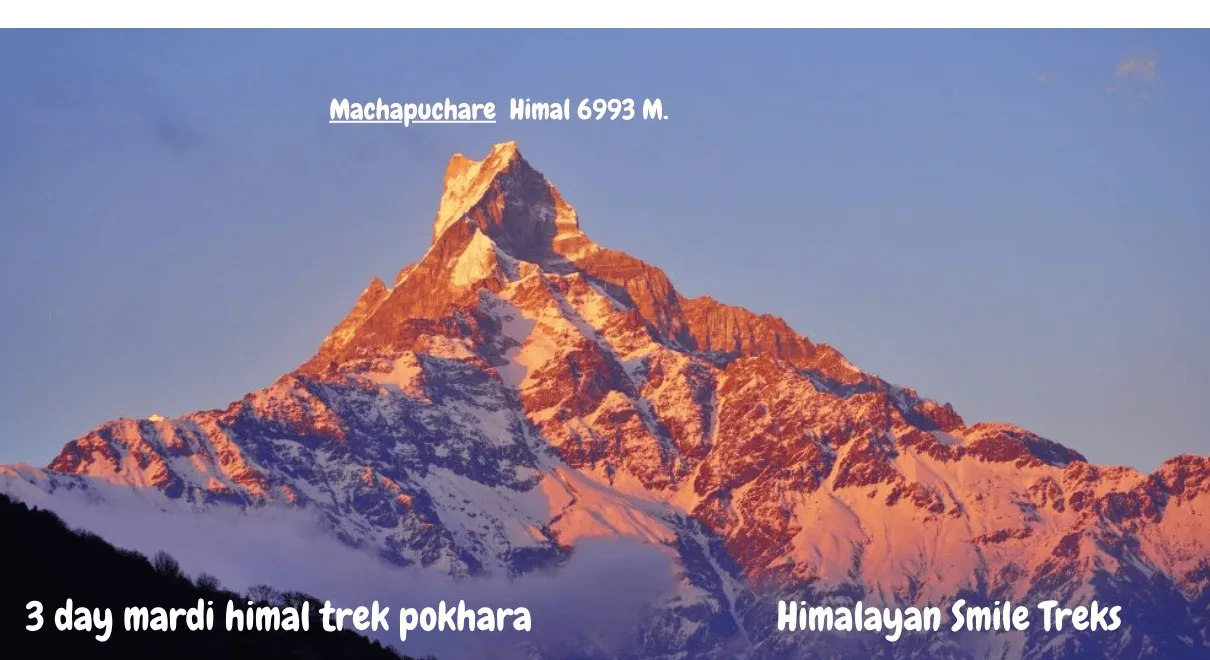
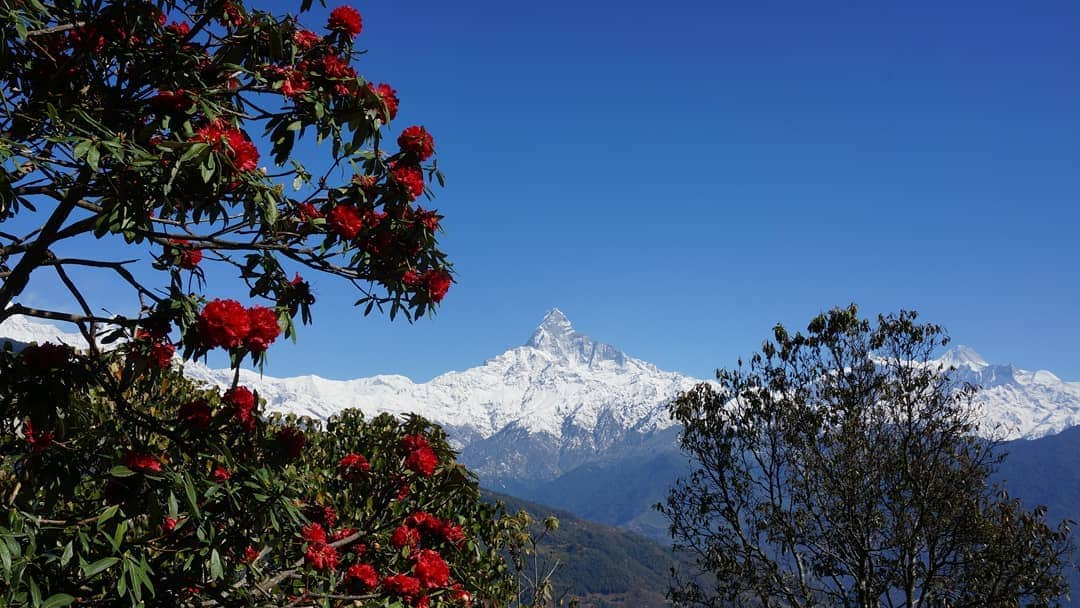
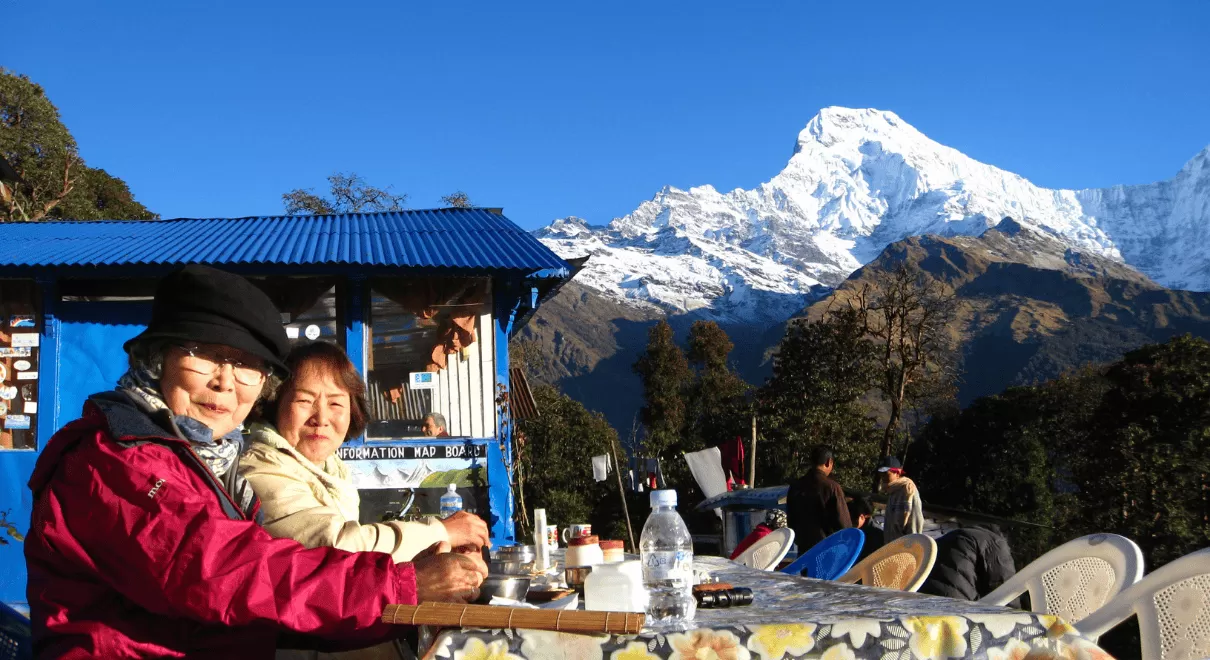
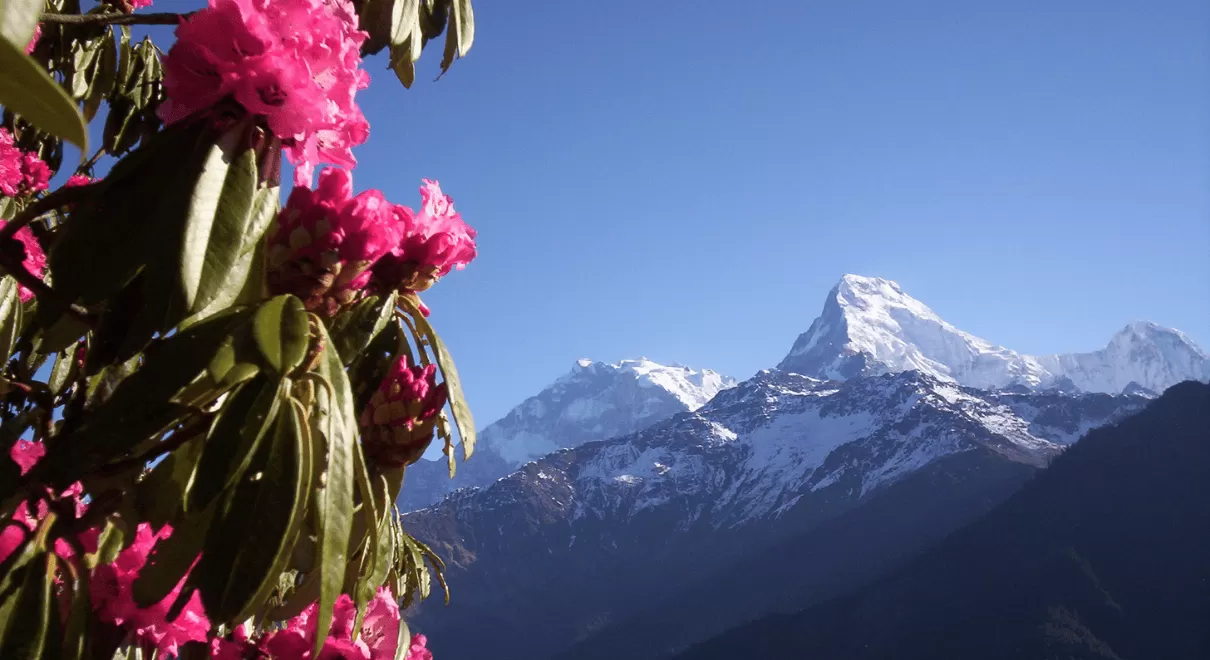
The 3-day Mardi Himal trek became one of Nepal's most popular short treks because it showed Himalayan beauty without requiring the two-week dedication required for traditional Annapurna Circuit routes. The journey begins and ends in Pokhara, which provides proper teahouse accommodations. From Mardi Himal High Camp, visitors experience a clear morning view that reveals Machhapuchhre (Fishtail), Annapurna South, Hiunchuli, and the Mardi Himal summit, which appears as an ice and rock wall that stands almost within reach. This trek does not serve as a consolation prize. The trek serves as an intentional selection for travelers who prefer to experience high-quality travel experiences instead of visiting multiple destinations.
What Is the Mardi Himal Trek Really Like?
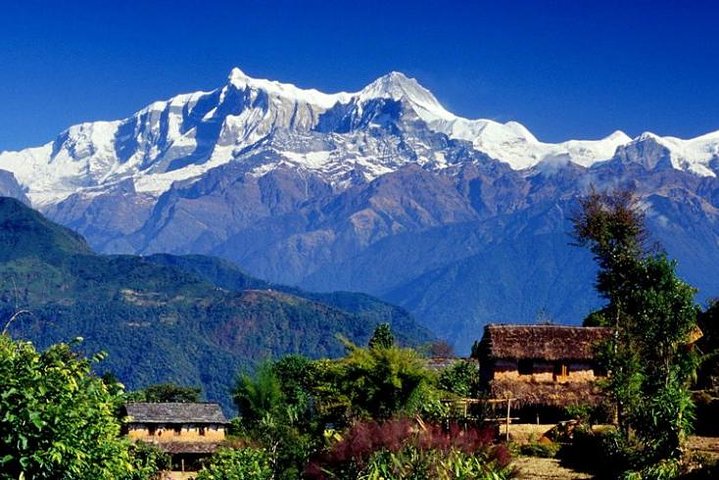
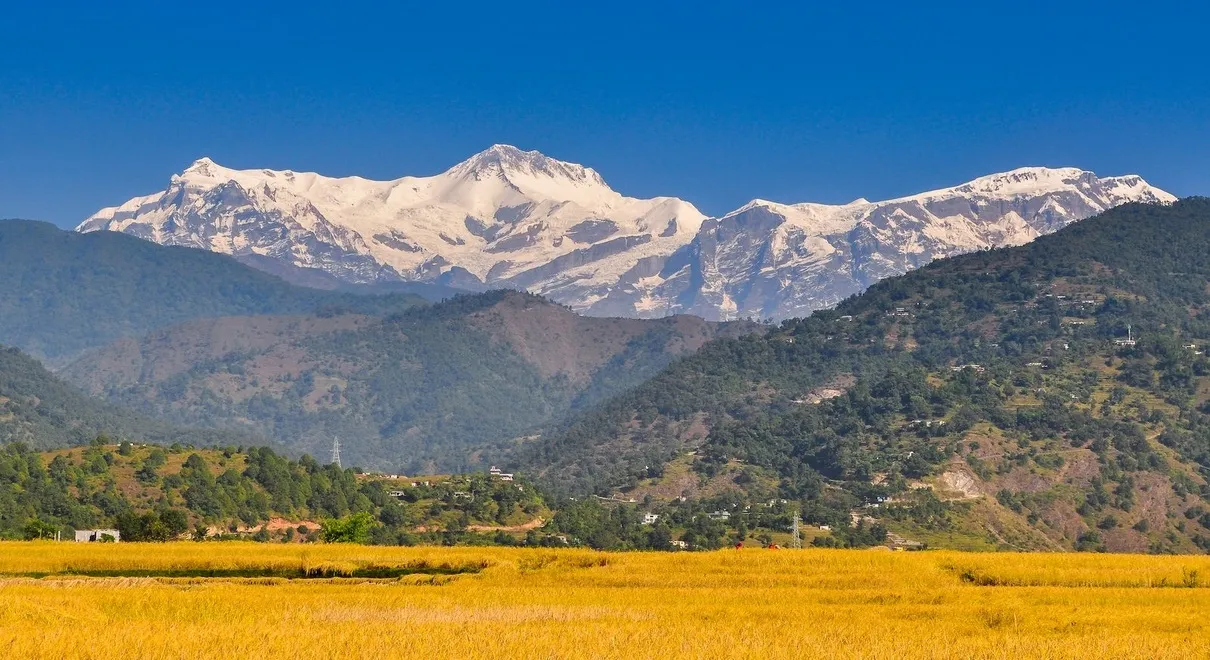
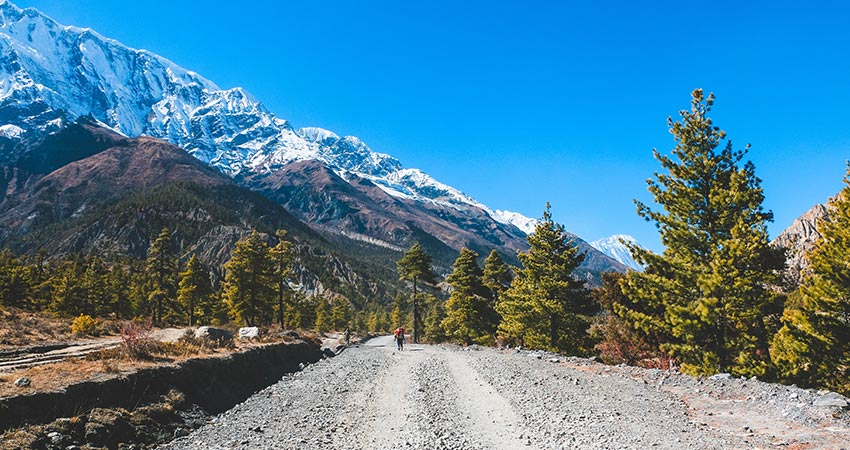
The Mardi Himal trek leads through the southeastern mountain range, which extends from Machhapuchhre, one of Nepal's most sacred and visually stunning mountains. The trail ascends through rhododendron and oak forests until it reaches an open alpine ridge where hikers can see complete views from Dhaulagiri in the west to Manaslu in the east.
Key stats at a glance:
About Mardi Himal Viewpoint
Mardi Himal Viewpoint, which people refer to as Upper Viewpoint, stands at an elevation of 4,500 meters directly above High Camp. The trek reaches its emotional peak when the forest path brings hikers to the open ridge, which provides a complete view of the entire Annapurna massif. Machhapuchhre dominates the scene because its dual peaks rise to impossible heights. Most trekkers reach this point on Day 2 in the early morning and describe it as one of the most memorable moments of their lives.
Mardi Himal Base Camp
Mardi Himal Base Camp exists at a height of 4200 meters on a flat area that faces strong winds that extend beyond the main viewpoint. The route passes through here on the way up. Photographers who visit the snowfield on clear days achieve their desired shot by capturing the southern face of Mardi Himal, which reflects in the snowfield.
Machapuchre Base Camp
The 3-day Mardi Himal trek from Pokhara includes a side trip to Machhapuchhre Base Camp, which sits at an elevation of approximately 3700 meters. MBC serves as a popular resting area for hikers who travel the Annapurna Base Camp trail, but the Mardi ridge approach provides a more peaceful hiking experience. The Nepali government has maintained its prohibition on climbing Machhapuchhre, which stands above you like a cathedral.
When to Do the 3-Day Mardi Himal Trek in Pokhara
Best seasons:
The period between June and September, which represents the monsoon season, brings continuous rain together with leeches on the lower trail and constant cloud cover, which creates unpredictable conditions for the high viewpoint. The experienced trekkers complete this trek, yet you must understand the challenges that await you.
The period between December and February brings snow, which covers areas above 3,000 meters, while High Camp experiences extremely cold temperatures. The activity becomes possible through proper equipment and skilled guidance, although it remains unsuitable for first-time users.
Permits and Fees
The Mardi Himal trek sits inside the Annapurna Conservation Area, so you need the following:
You must have your permits with you because the trail has active checkpoints.
What Are People Afraid Of? Common Fears—Answered Honestly: "I'm not fit enough."
You can complete the 3-day Mardi Himal trek in Pokhara if you walk 5 to 7 hours on a moderately hilly trail without difficulty. The training program requires no more than two months of dedication. A few days of light hiking before the trek helps, especially for the Day 2 ridge section.
"What about altitude sickness?"
This situation presents the most authentic challenge. High Camp reaches an elevation of 4150 meters, while the viewpoint extends to 4500 meters. At these elevations, people experience mild symptoms, which include headache and fatigue. The main guidelines require you to ascend at a slow pace while you maintain your hydration, and you must descend at once if your condition becomes worse. The 3-day Mardi Himal trek Pokhara itinerary is designed to gain altitude gradually, which helps. Your doctor should recommend Diamox for you to carry.
"Is it safe to go without a guide?"
The trail has visible markers, yet teahouses remain distant from each other, and the ridge experiences rapid weather changes. The presence of a guide provides solo travelers with protection, local expertise, and superior narratives. The recommendation for first-time trekkers in Nepal remains nonmandatory, yet it receives strong endorsement from experts.
The weather conditions should be monitored because adverse weather conditions might occur.
The sequence of events leads to cloud formation, which begins during the early afternoon hours on most days. The experienced trekker ascends to the summit before dawn because of the cloud patterns that develop during the day. The sunrise provides the best views, which can be enjoyed while the clouds take over the afternoon.
What Mistakes Do Beginners Make?
The beginning of Day 2 starts too late. The ridge above High Camp clouds over by 10–11 am most days. Trekkers who sleep in miss the views entirely. You should set that alarm.
People underpack because they want to stay warm in cold weather. People take summer clothing because they think the trek will be short. At 4,500 m before sunrise, the temperature becomes extremely cold. You need to bring a warm down jacket, gloves, and a buff.
People choose to trek without using trekking poles. The path from High Camp to Siding includes both steep sections and areas with loose ground. Your knees and your dignity will be protected by poles.
People should start their acclimatization process in Pokhara. Your body needs time to adjust when you travel from Kathmandu to Pokhara and start trekking the next morning. You should stay at Pokhara's altitude for one full day before you ascend to higher elevations.
People carry too much equipment. The trek requires three days to complete. You do not need five pairs of socks. Your future self will appreciate your light packing when you climb the ridge.
Real Challenge: The High Camp to Viewpoint Section
The path from High Camp to Mardi Himal Viewpoint requires no technical skills; however, it includes dangerous areas that become more difficult to navigate during pre-dawn hours because of its steepness and extreme cold temperatures. The trail is a narrow ridge path with significant drop-offs on both sides in sections. People who experience acrophobia will find this portion of the route to be difficult.
The solution requires you to hire an experienced guide who knows the route and use your trekking poles, while you need to keep your gaze on the horizon instead of looking down. The viewpoint becomes reachable within one hour because all your previous efforts vanish the instant you witness the Annapurna Sanctuary, which unfolds before you.
How to Trek More Effectively: Tips from Experience
A Personal Moment on the Trail
I stayed awake from 4:00 AM until I arrived at the Mardi Himal Viewpoint. My guide, Dawa Sherpa, gave me a milk tea flask before we departed from High Camp, which we left under total darkness while stars remained visible in the night sky. We walked for an hour in headlamp light, the only sound our boots on frozen gravel.
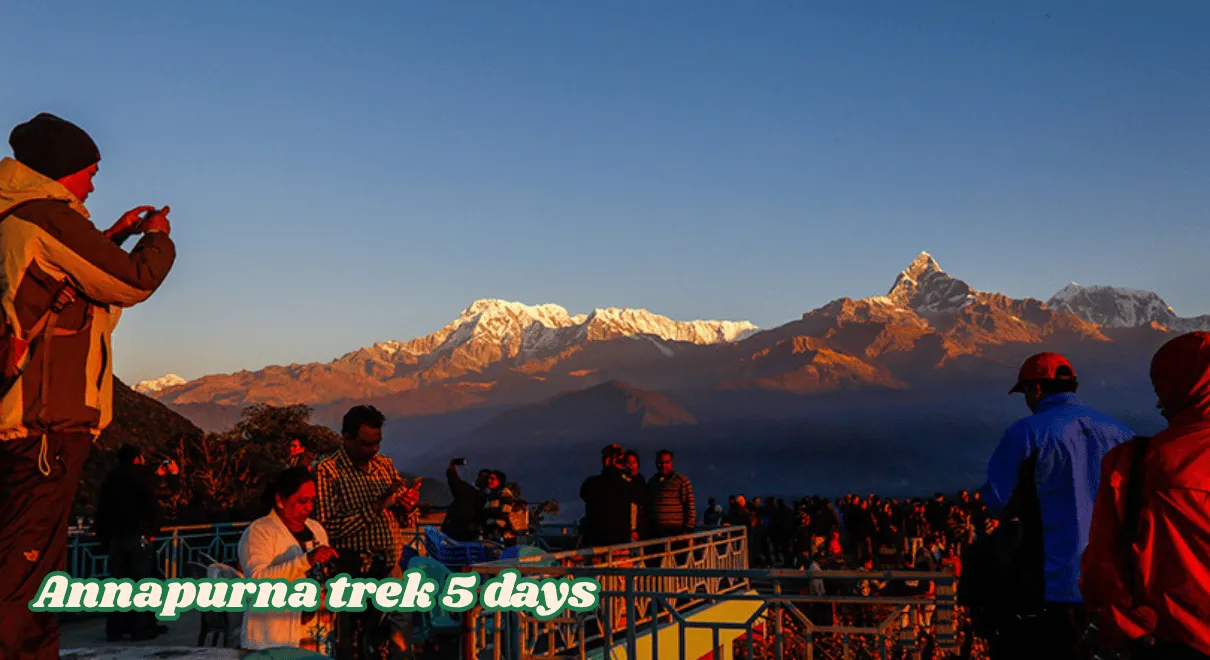
The ridge became visible. The first light of dawn turned Machhapuchhre into a pink mountain, which lay at a distance of eight kilometers. Annapurna South blazed orange. I sat on a boulder and said nothing for a long time. Ramesh smiled. He had seen this moment hundreds of times, and he still smiled.
The 3-day Mardi Himal trek from Pokhara offers you that experience. The path provides a single unforgettable moment that extends beyond a standard hike.
Accommodation and Food on the Trail
Teahouses on the Mardi Himal trek provide basic yet satisfactory accommodations for trekkers. The room options include private facilities and dormitory spaces, which come with bedding equipment. The dining options present typical trekking food, which includes dal bhat and noodle soup, porridge and omelettes, and coffee, which has improved in quality since the establishment of teahouse operations.
The teahouses at High Camp experience extremely cold temperatures during nighttime hours. You should bring a sleeping bag liner and request an additional blanket from the teahouse because most establishments maintain that item in their inventory.
Getting to the Trailhead
The distance from Pokhara's Lakeside area to Kande, which serves as the most popular trailhead, takes about 45 minutes to drive. The route is serviced by both jeeps and local buses. Your guesthouse or guide will arrange transport. The road has pavement that extends through most of its length, which provides drivers with a beautiful driving experience.
Essential Packing List
Why We Recommend This Package
Our company has conducted the 3-day Mardi Himal trek in Pokhara for multiple customers who include solo travelers and couples, parents with their teenage children, and corporate groups who seek meaningful experiences. The route consistently delivers the highest satisfaction of any short trek we operate.
We provide complete honesty to every traveller about weather conditions and their physical health, which we will evaluate when these situations occur. We don't oversell the experience. The Mardi Himal trek is truly stunning, and it requires no extra promotion to showcase its beauty.
Our guides possess official licenses, and they are local experts who know this trail throughout all seasonal changes. The guides are not tour operators because they are mountain residents who want to show visitors their hometown.
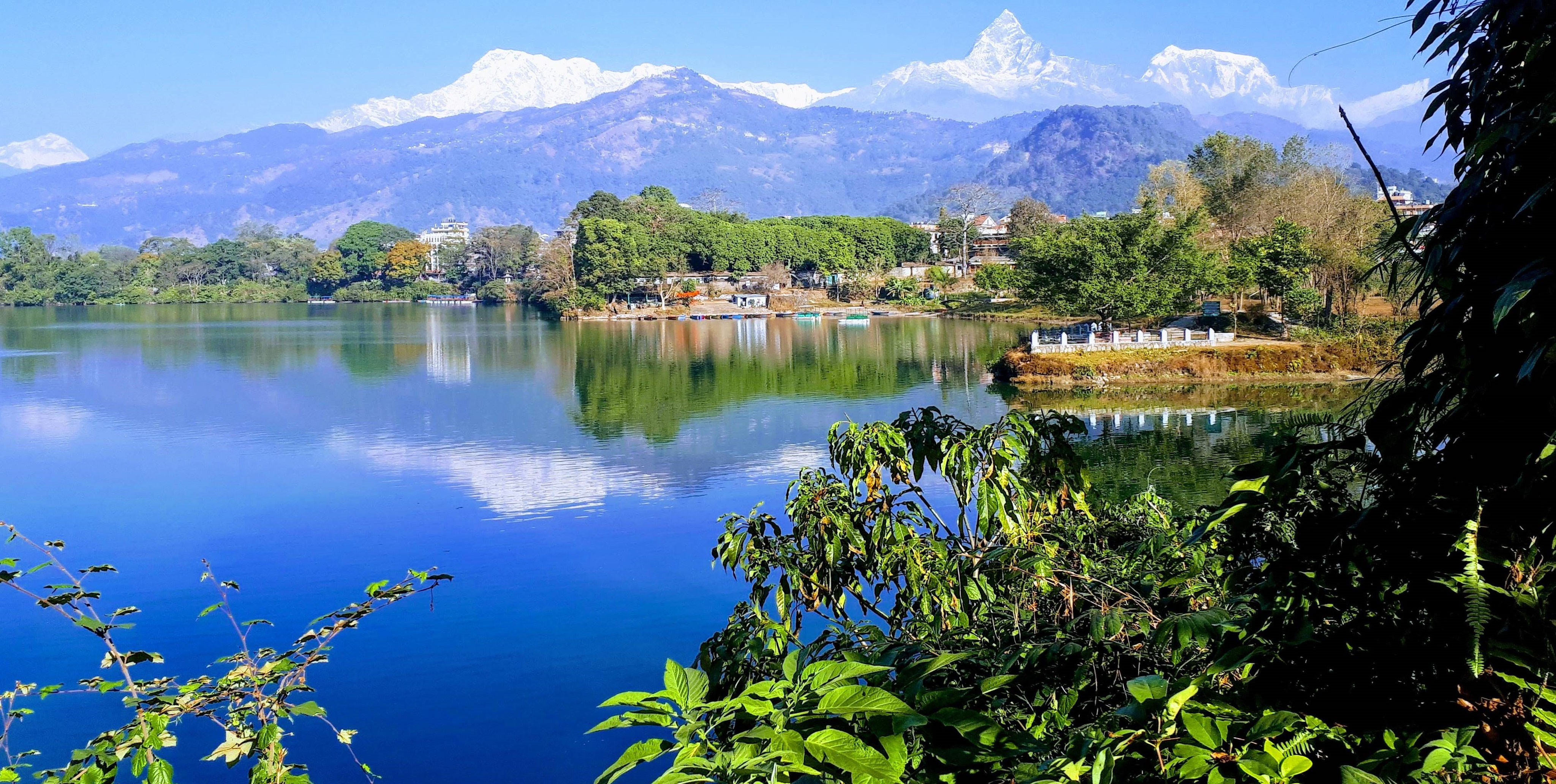
Close up looks at Machapuchare (Fishtail) and Annapurna South, from those lush rhododendron trail paths running throughout kinda the whole route.
At sunrise, coming from Low Camp or the Viewpoint, it shows up these jaw dropping Himalayan vistas, with none of the usual Everest region trekking crowds around.
The rapid climb in altitude does this quick transformation, you get a lot of scenery variety, forest rhododendron, then alpine meadows too, all packed into a short and still manageable trek.
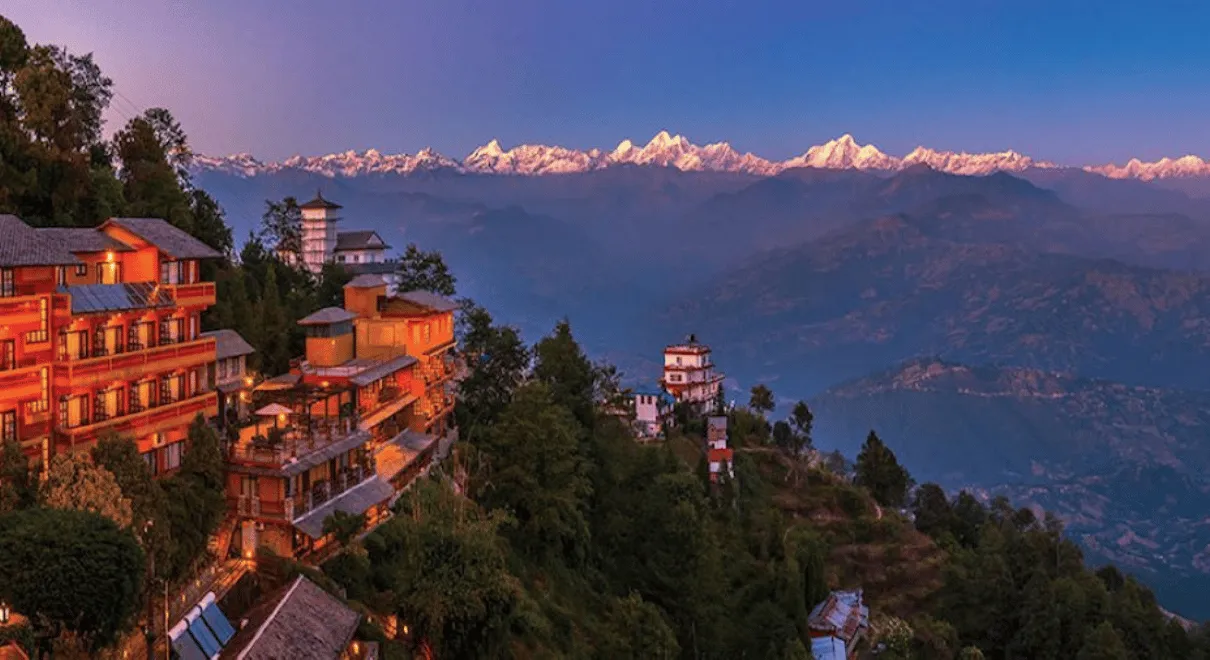
Staying in rustic teahouse lodges keeps the vibe authentic Gurung hospitality, plus hot meals and warm, cozy mountain rooms along the way.
Overall it feels like a perfect short trek if you only have limited time, moderate fitness, and you’re trying out a first high altitude Himalayan trekking adventure.
| 1 | 2 | 3 | 4 | 5 | 6 | 7 | 8 | 9 | 10 | |
| USD 555 | USD 370 | USD 505 | USD 370 | USD 365 | USD 365 | USD 360 | USD 370 | USD 350 | USD 340 | |
| USD 460 | USD 280 | USD 415 | USD 280 | USD 275 | USD 275 | USD 270 | USD 280 | USD 260 | USD 250 |
Start From
Get personalised guidance for any Nepal adventure — with expert planning and safety support.
We offer expert advice, flexible options, and tailor-made itineraries.

The three-day Mardi Himal Trek from Pokhara with Himalayan Smile Treks provided an amazing short expedition experience. Guide Lakpa Sherpa ensured smooth pacing and safety. The trek provided perfect access to limited-time travelers because it featured beautiful views of Machhapuchhre and Annapurna, together with peaceful paths and efficient trail management.
The Himalayan Smile Treks offered a three-day Mardi Himal Trek that started in Pokhara. Guide Karma Sherpa maintained a friendly attitude while providing assistance to others. The trek passed through beautiful forest areas, with ridge walks and spectacular mountain landscapes. The trip provided a perfect short Himalayan experience through its well-planned structure and comfortable design.
The 3 Day Mardi Himal Trek from Pokhara exceeded our expectations. Himalayan Smile Treks managed all aspects of the trip without any mistakes. Guide Chiring Sherpa provided safe yet enjoyable experiences. The trek became exceptional through the combination of sunrise views over the Annapurna range and peaceful walking paths.
The 3 Day Mardi Himal Trek from Pokhara with Himalayan Smile Treks provided me with an excellent trekking experience. Dawa Sherpa the guide demonstrated his skills through his assistance to the team and his experience in the field. The trekking path provided beautiful scenery with fewer people and stunning mountain vistas which made it an ideal option for brief treks.
Himalayan Smile Treks delivered a well-organized 3 Day Mardi Himal Trek from Pokhara. The guide Namel Dherpa made sure that all travel operations ran without any problems. The trekking path offered exceptional views of Machhapuchhre together with tranquil walking routes and comfortable conditions which made it ideal for people who wish to experience a brief yet fulfilling Himalayan trek.
The 3 Day Mardi Himal Trek from Pokhara with Himalayan Smile Treks was unforgettable. Guide Dorje Sherpa provided excellent guidance and support. The short trek provided a wonderful experience through its scenic trails and beautiful forests and stunning mountain views.
The 3-Day Mardi Himal Trek from Pokhara became an enjoyable safe experience through the efforts of Himalayan Smile Treks. Guide Kami Sherpa ensured proper pacing. The trek provided a tranquil experience through its peaceful trails enhanced by its stunning scenery which created an ideal compact adventure throughout the Annapurna region.
The 3 Day Mardi Himal Trek from Pokhara was a fantastic experience with Himalayan Smile Treks. The guide Ang Dorje Sherpa demonstrated his professional skills. The trek offered ridge walks and forest paths which showed stunning Himalayan views at all times.
The Himalayan Smile Treks company organized a successful three-day Mardi Himal Trek which started from Pokhara. Nawaraj Tamang who served as the guide showed friendliness while he displayed his expert knowledge. The trek offered beautiful views through its peaceful state and complete operational efficiency which created an unforgettable experience.
The 3 Day Mardi Himal Trek from Pokhara with Himalayan Smile Treks was well organized. Guide Michele Tamang ensured safety and comfort. The combination of beautiful mountain vistas and peaceful paths created an ideal short trekking experience.
Himalayan Smile Treks provided excellent 3 Day Mardi Himal Trek service which started from Pokhara. The guide Dhurba Khanal showed both professional behavior and helpful support to his clients. The trekking experience included beautiful natural scenery which led to quiet walking trails and spectacular views of the mountains.
The 3 Day Mardi Himal Trek from Pokhara exceeded expectations. Himalayan Smile Treks handled everything smoothly. Guide Pramod Paggeni ensured safety and comfort, making this short trek enjoyable and memorable.
Himalayan Smile Treks provided an amazing 3 Day Mardi Himal Trek from Pokhara. Guide Dharma Shubedi showed excellent knowledge while maintaining a friendly demeanor. The trek presented beautiful scenery and quiet walking paths and an evenly distributed schedule.
Himalayan Smile Treks operated the 3 Day Mardi Himal Trek from Pokhara in an ideal manner. Guide Nawaraj Khadka ensured a smooth journey. The trek offered beautiful views of nature and peaceful paths which created an enjoyable experience during the brief trek.
Himalayan Smile Treks made the 3 Day Mardi Himal Trek from Pokhara unforgettable. The guide Lapsang Dherpa provided extensive experience together with his assistance. The trek offered beautiful views and a tranquil atmosphere which made it an ideal option for short Himalayan treks.

$
$330.00
$
$575
$95
$390
$375
$
$250
$
$940.00
$360
$
$300
$1010
$950


↑
.png "NTB")
.png "Pata")