Price Table
| 1 | 2 | 3 | 4 | |
| USD 1370 | USD 1025 | USD 1010 | USD 950 | |
| USD 1720 | USD 1375 | USD 1360 | USD 1299 |
Country
Nepal
Duration
10 Days
Maximum altitude
5000m
Activity
Trekking
Difficulty
Moderate
Best Season
September, October, November, December, February, March, April
Accomodation
Included
Meals
Included
Start/End Point
Lukla

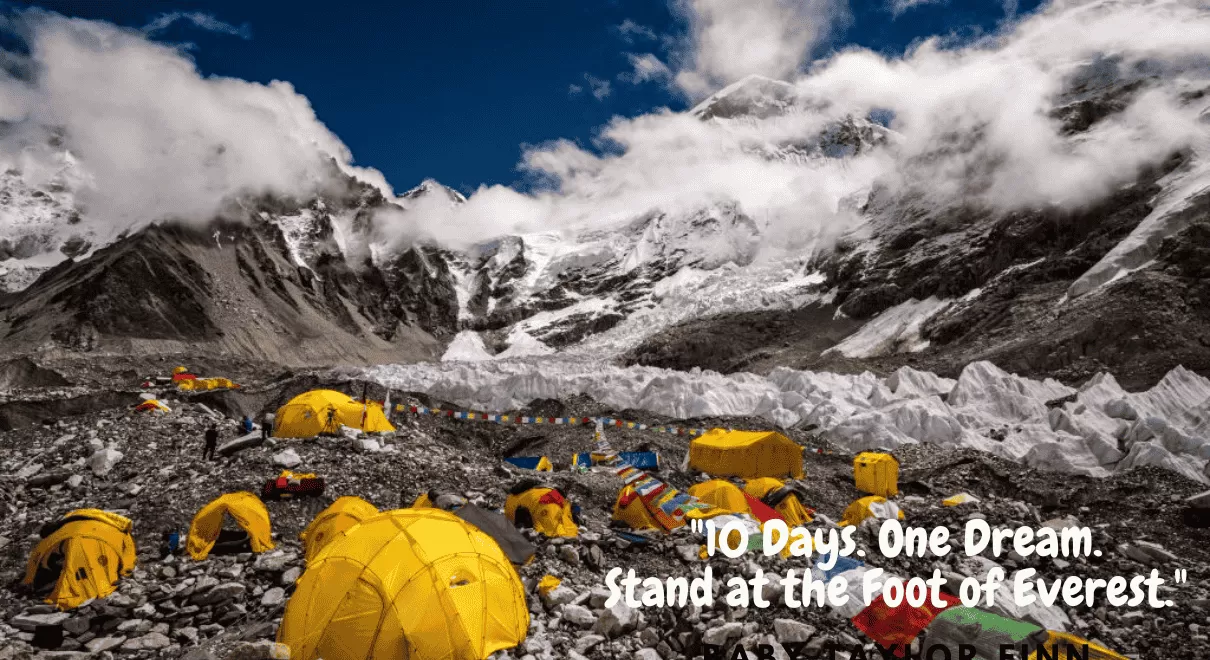
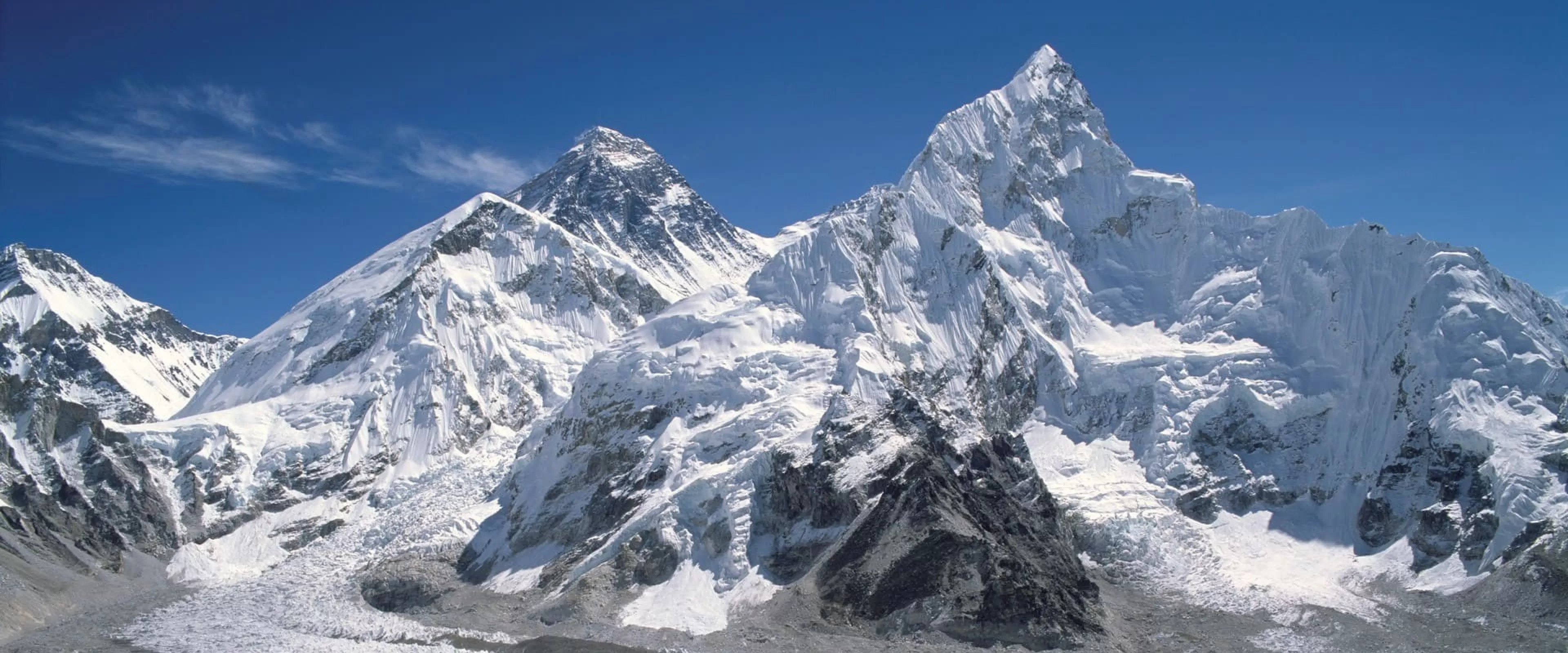
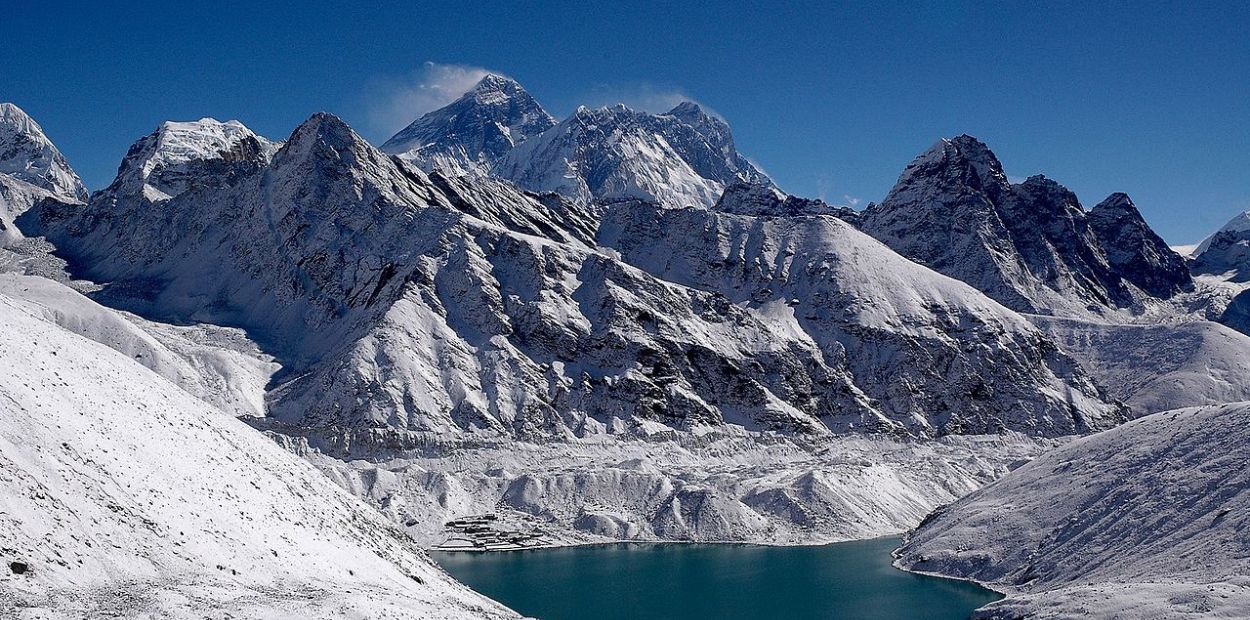
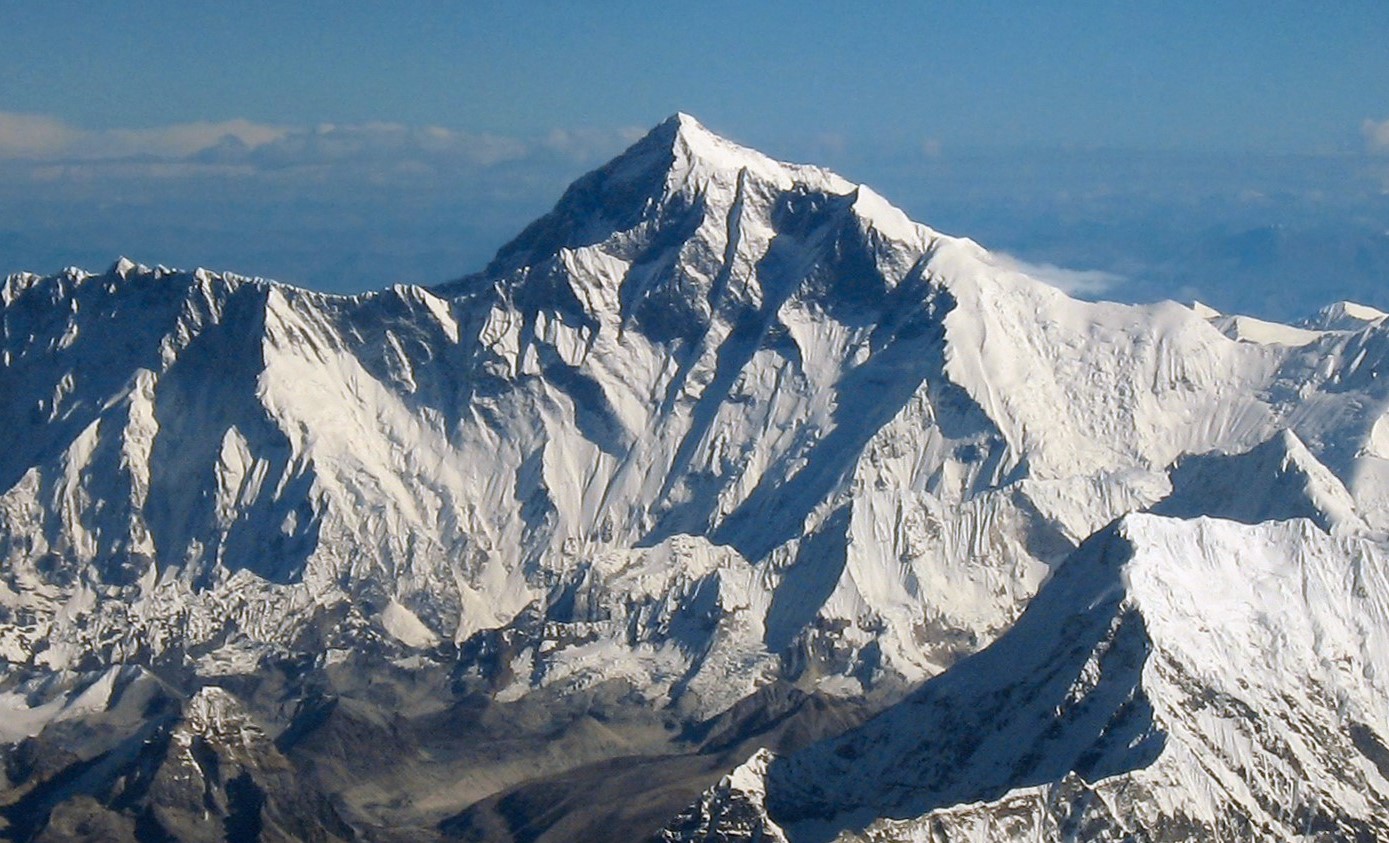
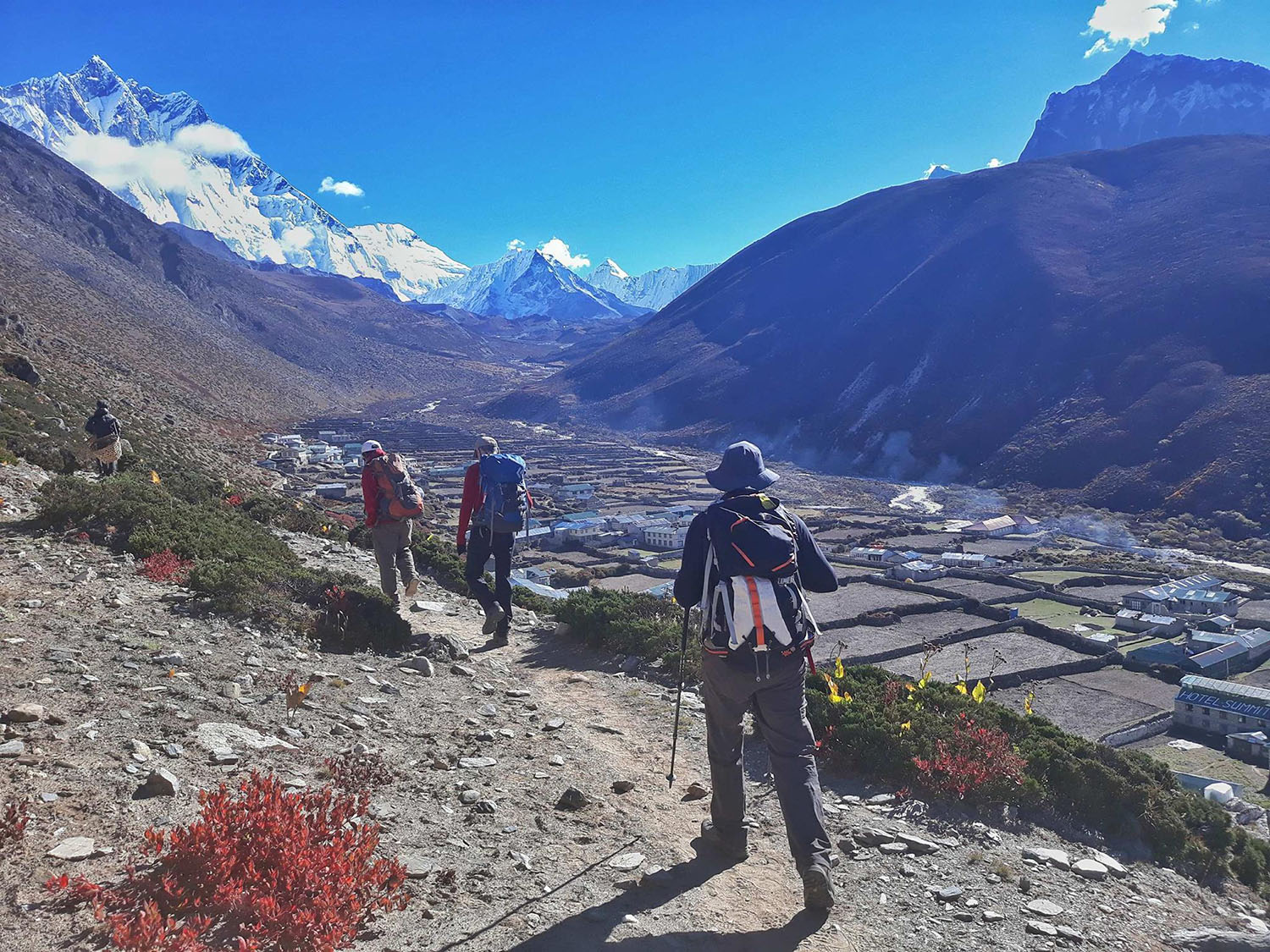
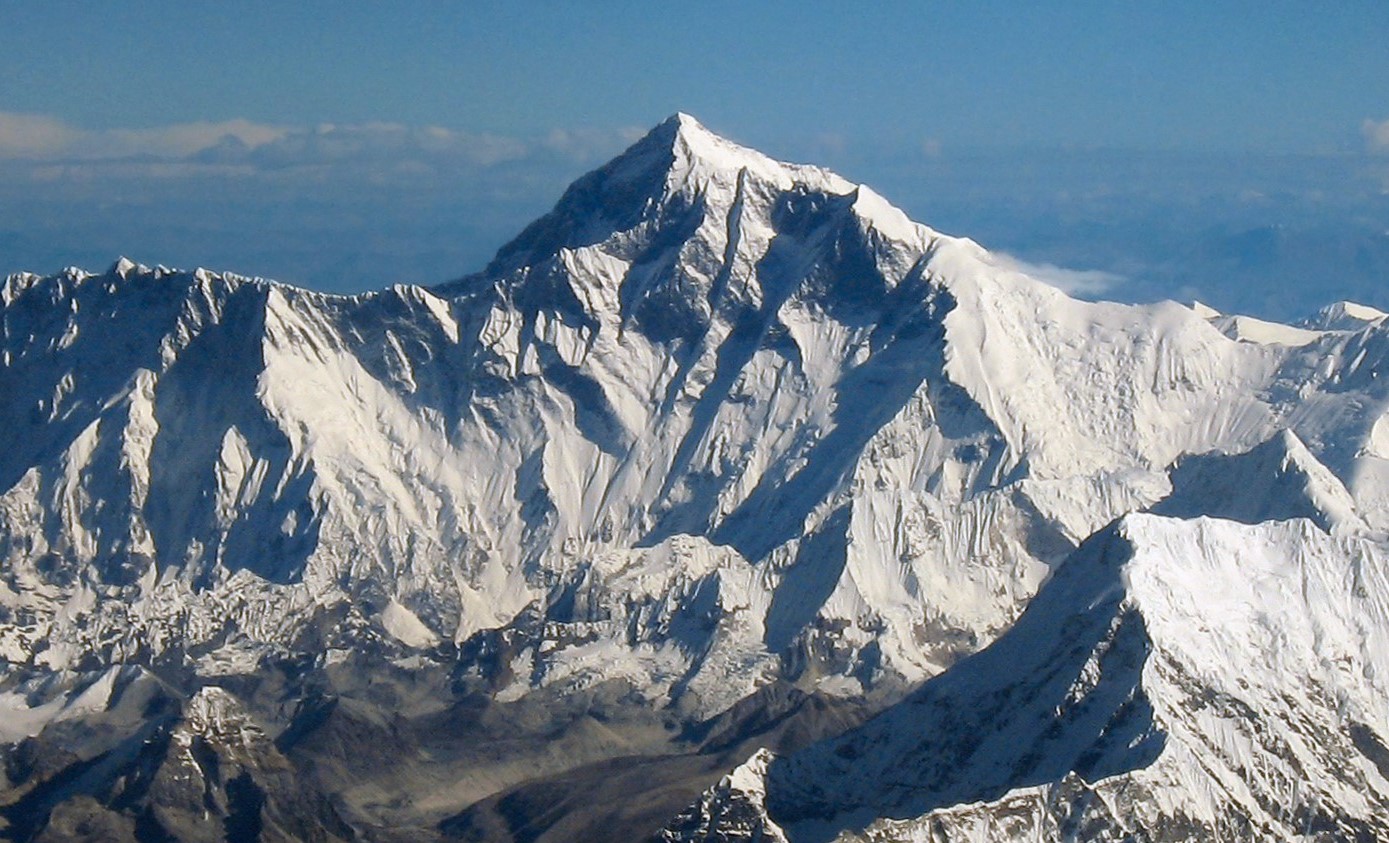
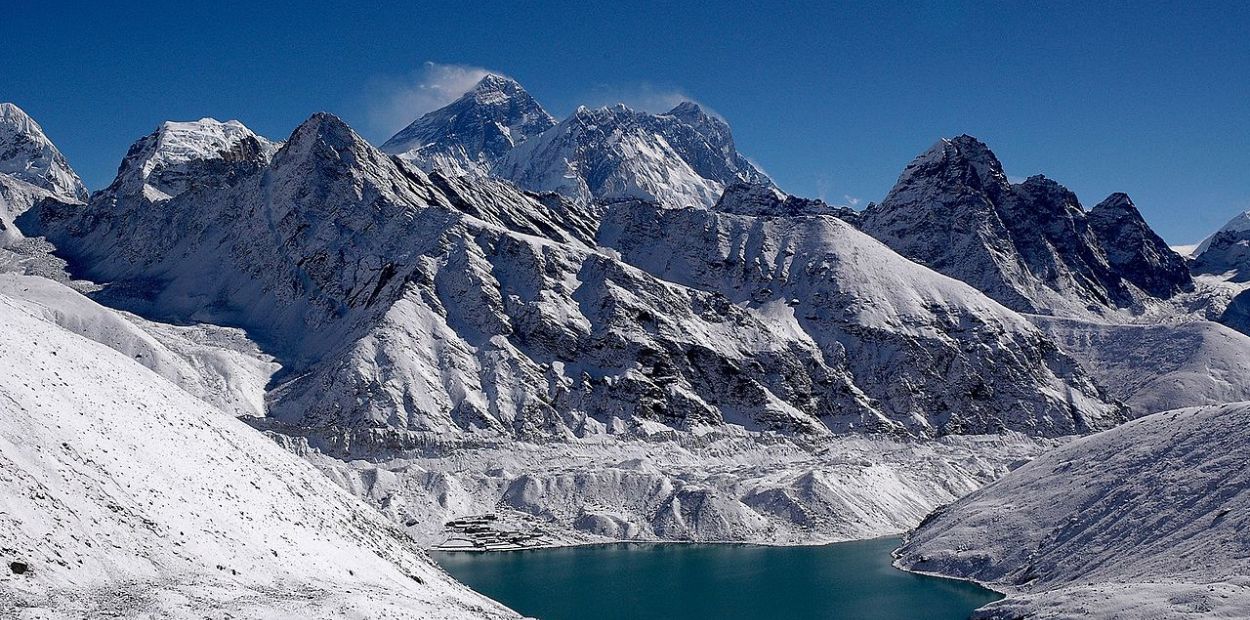
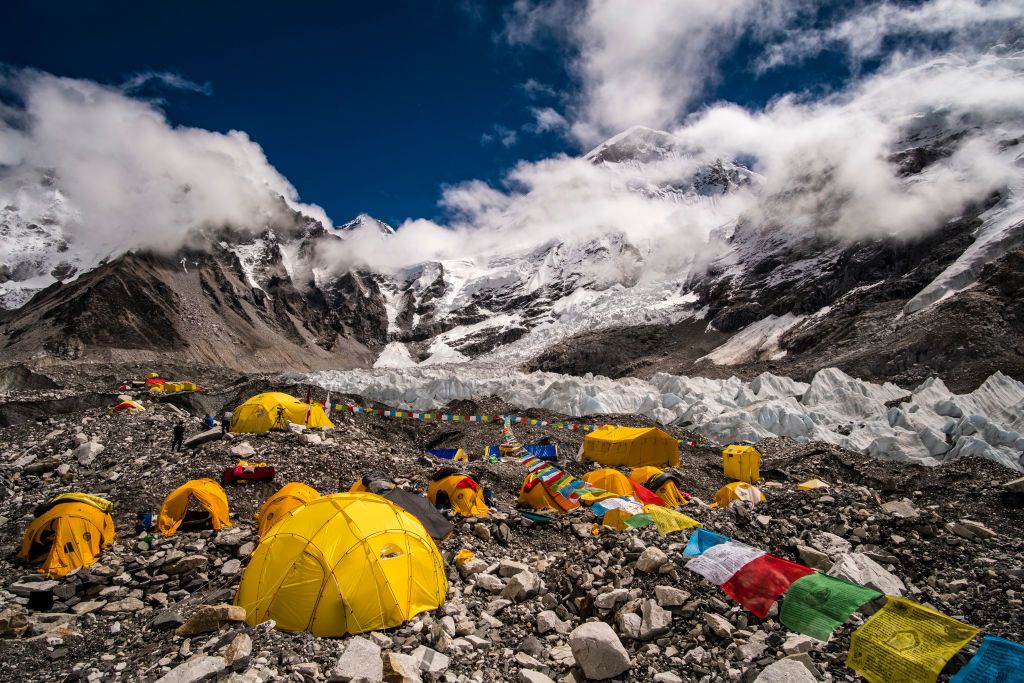
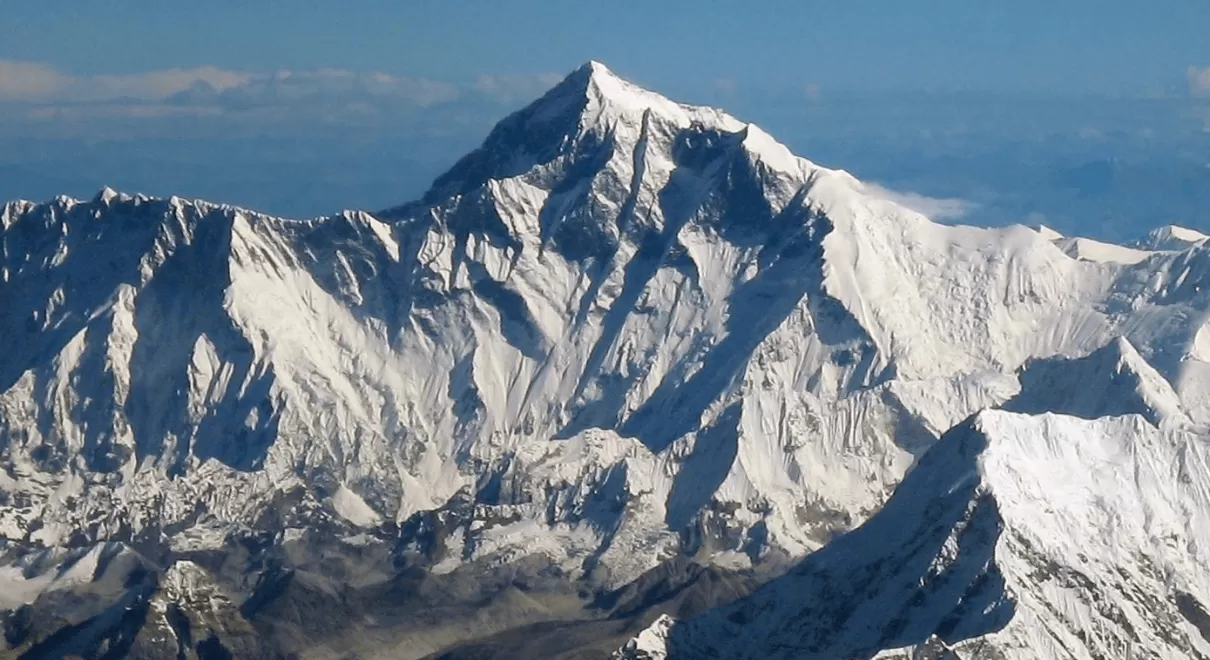
The 10-day trek in Nepal is an exclusive adventure package from the leading adventure operator, Himalayan Smile Treks and Adventure. This journey is trekking to the world’s tallest mountain, Mt. Everest Base Camp, which starts at Lukla (2,810 m). This journey provides an opportunity to witness Mt. Everest with the naked eye, Sagarmatha National Park, Tengboche Monastery, the Sherpa people, and their culture. This 10-day journey takes you to Kalapthar (5,545m), from where you can see the complete view of Mt. Everest, including Khumbu Glacier. And yet the thrilling flight to Lukla is the unforgettable highlight of this trip.
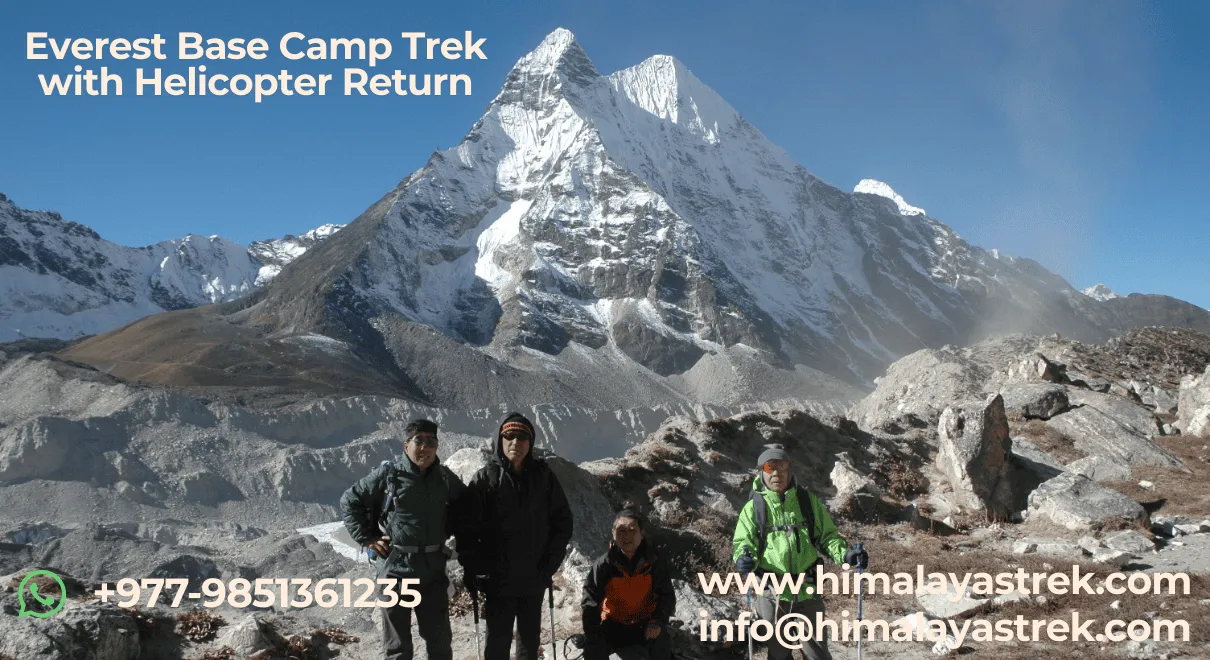
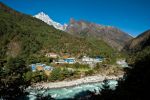
This journey’s 10-day trek to Nepal starts with the Himalayan scenic flight from Kathmandu to Lukla, which takes about half an hour. We start our trek, following the river Dudhkoshi all the way to Larja Dovan, where it splits right, and we take the uphill path to Namche, 3460 m. Namche is one of the largest towns in the Khumbu region, where trekkers spend most of their nights during the EBC trek. And then we leave Namche after spending two nights and walk towards Tengboche (3867 m) via multiple terrains. Tengboche is one of the largest monasteries in the Khumbu region, which is situated at the backdrop of Mt. Amadablam (6856 m) and a bunch of other world-famous mountains, including Mt. Everest (8848 m).
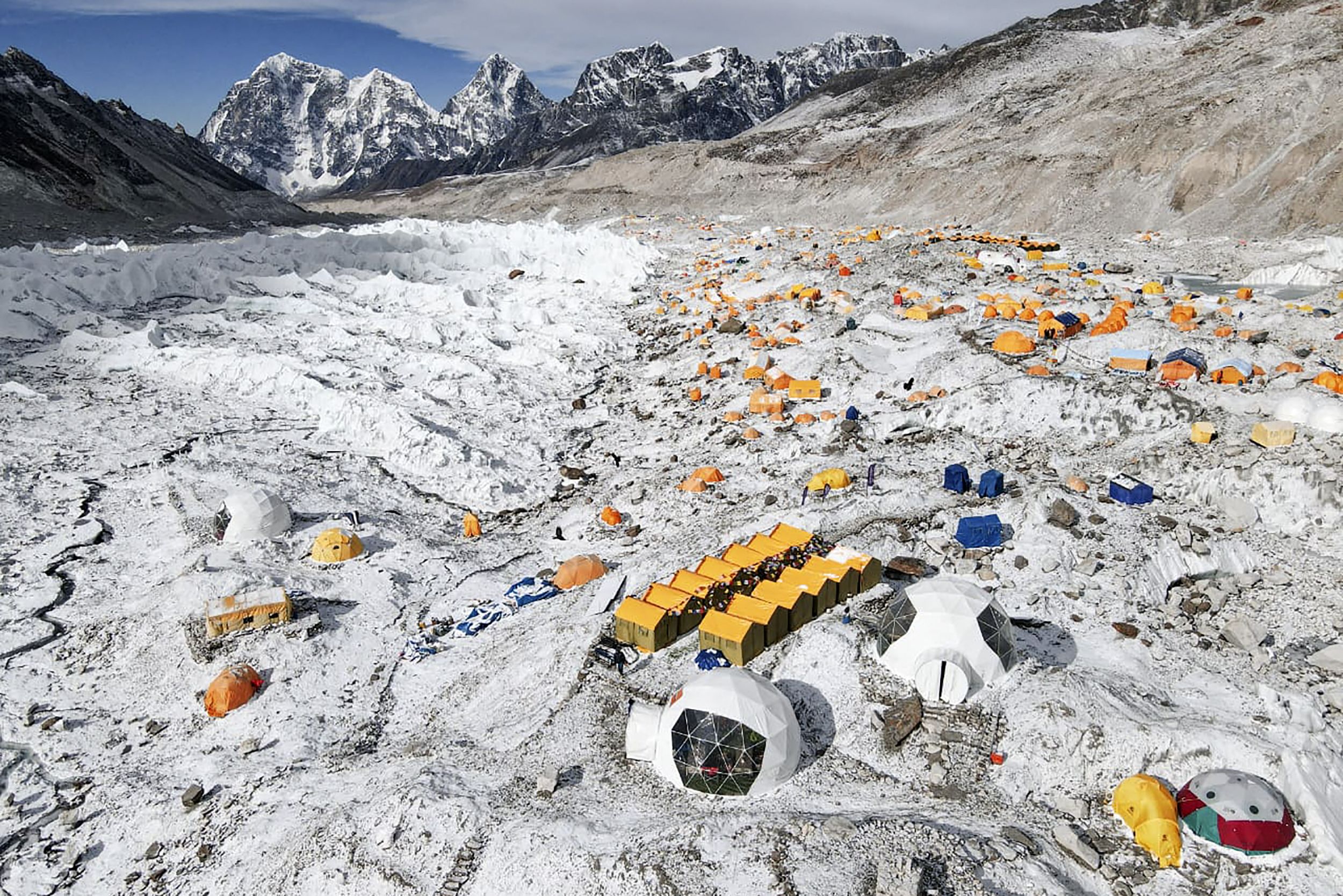
The trail continues, following the Imja Khola river all the way up to Dingboche, 4450 m. Consequently, Dingboche is a junction point from where the trail goes towards Imja Valley and Everest Base Camp. We go on an acclimatization hike to Nangakartshang (5000 m) for acclimatization. While the journey goes to Lobuche (4900 m) by the bank of the Khumbu Glacier, which comes all the way from the Khumbu Icefall. And then we go to Gorakshep (5140 m) and visit Everest Base Camp (5365 m) and come back to Gorakshep to sleep overnight. The next early morning, we hike up to Kalapathar for a detailed panoramic view of Mt. Everest and several other mountains. After Kalapathar, we come back down to Pheriche, and the next day we go back to Namche. We walk to Lukla for the last day. Finally, the next morning, you will fly back to Kathmandu. This was the short outline of information about the 10-day trek to Nepal.
A 10-day trek to Nepal is one of the most desirable bucket list trips that most adventure seekers around the world want to explore. Hence, this journey offers multiple highlights to the trekkers, which makes this trip distinct from others.
How many hours do I walk each day?
Most trekkers end up walking roughly five to seven hours each day on the Everest Base Camp trail, but it kinda depends—altitude, ground character, and personal fitness all play a part. The lower stretches near Phakding and Namche feel more moderate, with elevation rises that you can handle without too much fuss. Up higher, especially from Dingboche toward Lobuche, progress is slower. That’s mostly because the air gets thinner, and even small effort turns into a longer task. There are rest days in Namche Bazaar and Dingboche too; they interrupt the usual rhythm , and they really help with acclimatization. Starting early in the morning is recommended, because later in the day, clouds and winds often drift in over the Khumbu Valley. All in all, the daily walks usually land around eight to fourteen kilometers, so keeping a consistent tempo matters much more than chasing speed.
Can I complete the Everest Base Camp Trek in 10 days?
Sure, finishing Everest Base Camp in ten days is still physically feasible, but it definitely needs careful planning and a real, honest self-check. The typical route is about 130 kilometers round trip, and squeezing it into ten days means there are fewer proper rest breaks. In this kind of plan, acclimatization becomes the main obstacle because altitude sickness does not care about motivation or strict timetables. People who try that pace should show up in very solid cardiovascular condition and, if possible, with earlier high-altitude experience. Going by flight straight to Lukla cuts out some of the lower approach days, which saves time that you really want later. Ten days tends to work better for experienced trekkers than for first timers, plus having return flights that you can adjust slightly is a sensible safety cushion for the whole effort.
How is a 10-day itinerary different from the standard 12–14-day trek?
The main difference is basically the time for acclimatization and how steady or fast the whole pace feels. A usual twelve to fourteen-day itinerary, it kind of has this standard rhythm, with two proper rest days, one around Namche Bazaar and another in Dingboche, so the body can slowly get used to the oxygen situation that keeps dropping. A ten-day plan, then, trims those rest days down to single nights, and suddenly you’re climbing a bit higher more quickly. Also, the side trips, like going up Nangkartshang Peak or Kalapathar, may become shorter, or they may get merged into longer walking days, which changes how it all fits. The overall feel is different, too. Longer routes usually leave room for more cultural wandering, calmer teahouse evenings, and a real kind of rapport with the surroundings, while shorter versions tend to focus on getting to the destination first, instead of really letting the journey sink in.
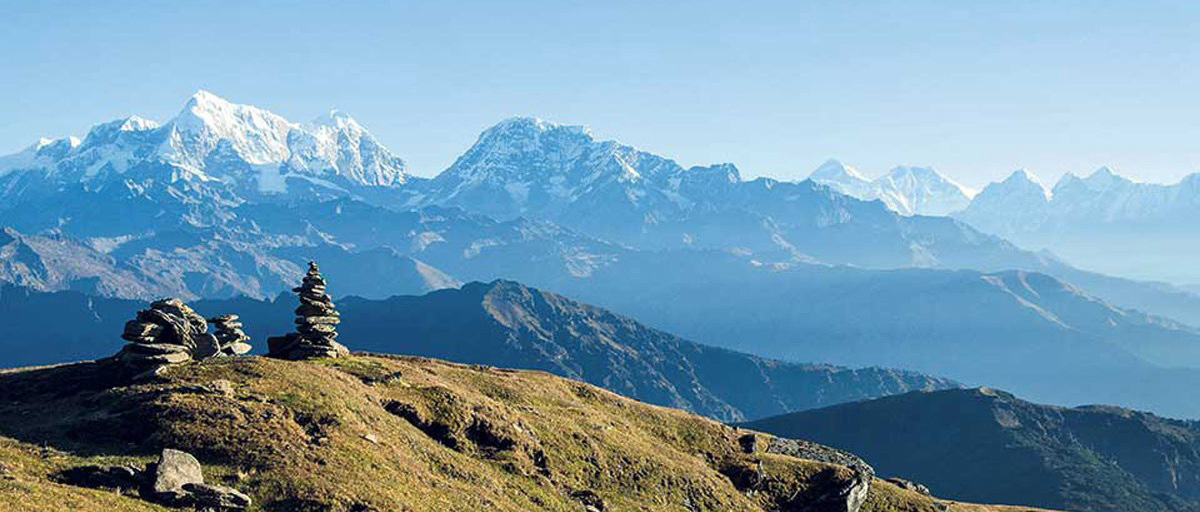
Scenic mountain flight, kind of drift above those majestic Himalayan peaks and just catch a stunning aerial panorama of snow-capped ridges and valleys below, it feels almost unreal.
Scenic mountain flight – try yet another spectacular trip where towering summits and pristine valleys just stretch out below in full wide view, no rush, just air and cloud.
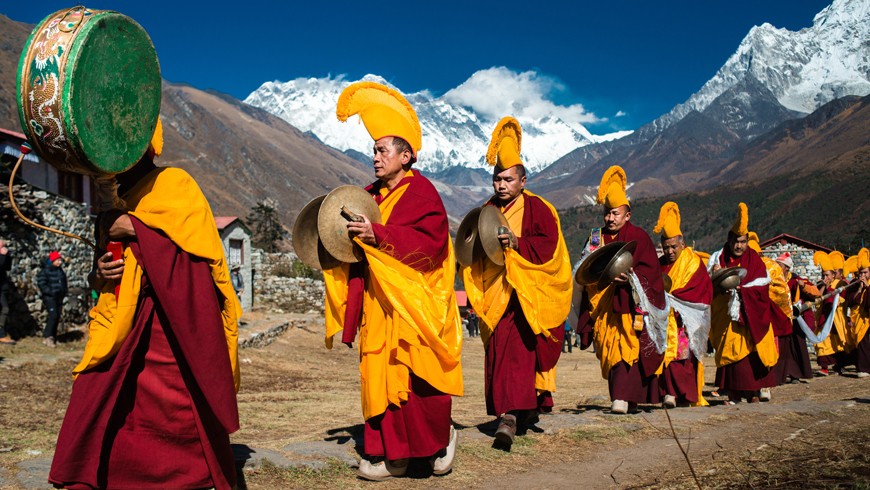
Sherpa culture and lifestyle – step into the rich traditions, warm hospitality, and that resilient mountain lifestyle of the Sherpa people, they keep moving with a quiet kind of strength.
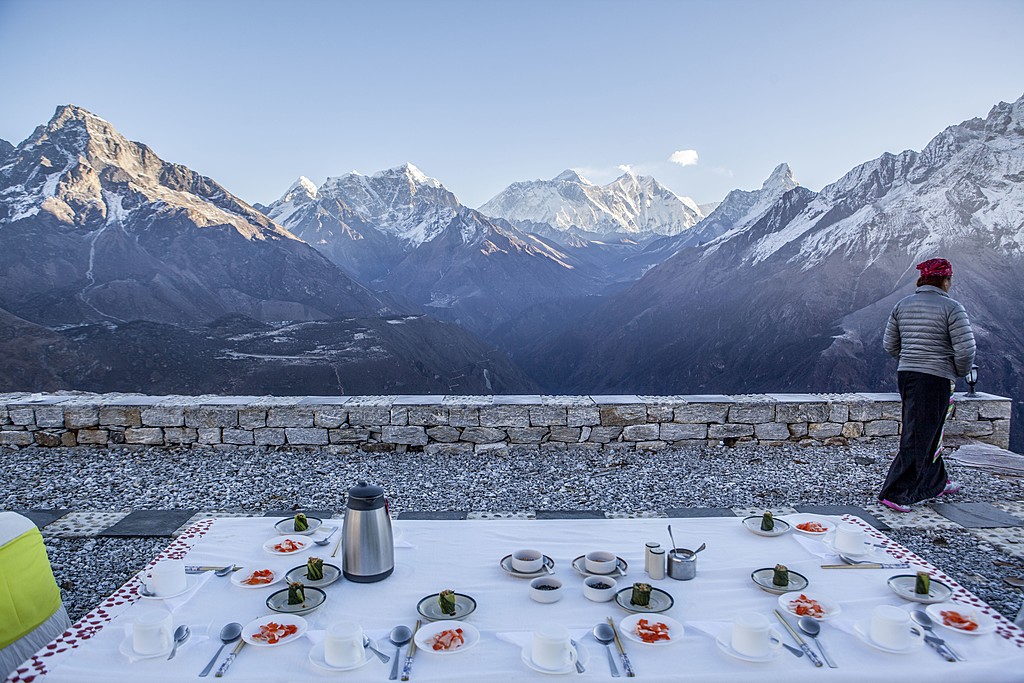
Everest panoramic view from Syangboche – enjoy sweeping panoramic scenes of Mount Everest and the nearby peaks from the Syangboche viewpoint, it’s scenic in a big way.
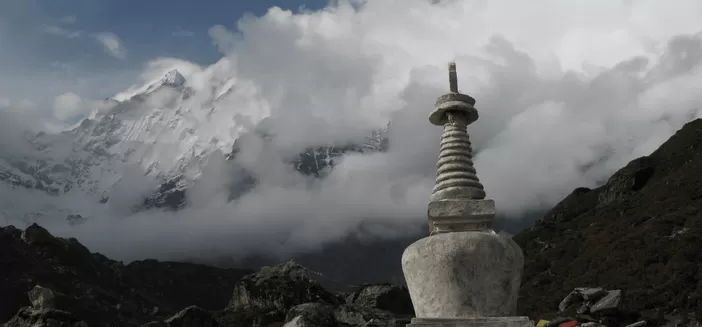
Tengboche monastery – visit the well-known Tengboche Monastery, a spiritual center with serene Buddhist culture and mountain backdrops, where you can almost feel the stillness.
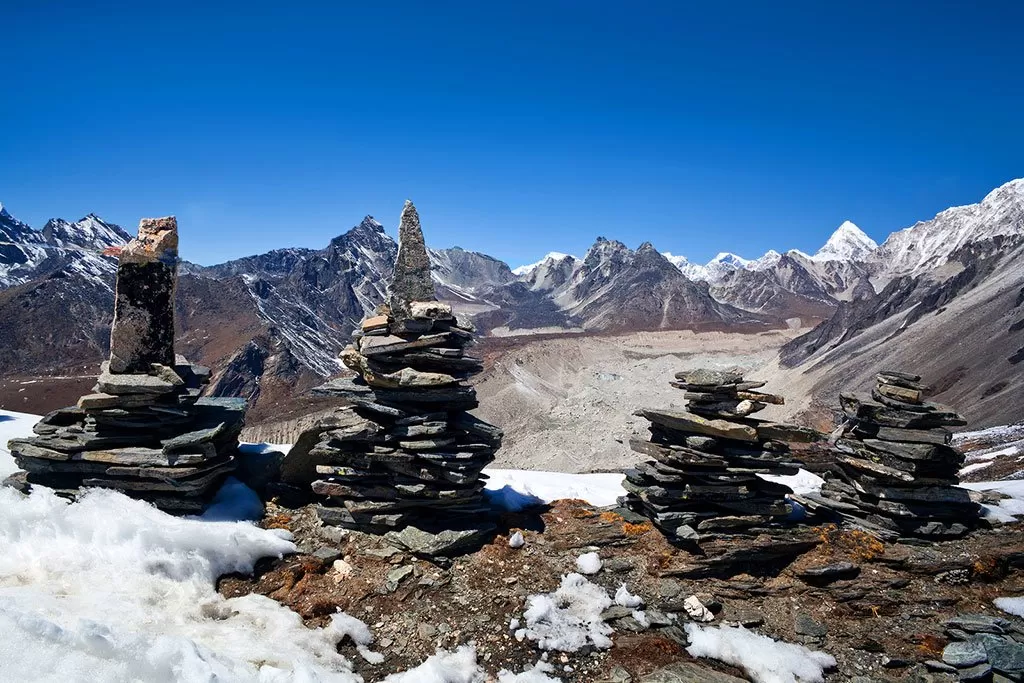
Hiking Nangakartshang – trek toward Nangkartshang Peak for incredible panoramic views, including Everest, Ama Dablam, and more ranges around it.
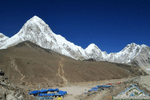
Climbing Kalapathar 5550m – climb to Kalapatthar summit at 5,550 meters for that ultimate close-up Everest view experience, best early morning.
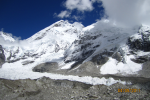
Great view of Mt Everest, Lhotse, Amadablam – get a magnificent sight of Everest, Lhotse, and Ama Dablam from this spectacular high altitude vantage place.
| 1 | 2 | 3 | 4 | |
| USD 1370 | USD 1025 | USD 1010 | USD 950 | |
| USD 1720 | USD 1375 | USD 1360 | USD 1299 |


Welcome to Nepal! Are you a novice trekker? Don't worry — we make everything simple and well-organized from beginning to end.
Step 1: Arrive at Kathmandu
We suggest you arrive at least two days before your trek. As you will be given a warm welcome by our Himalayan Smile Treks staff at Tribhuvan International Airport with a name sign and transferred to your hotel, you can rest and visit Nepal's capital city.
Step 2: Briefing and Trek Preparation
One day before the trek, a pre-trek briefing will be held. You'll meet your guide, who'll inspect your gear, talk about the route, and answer your questions. If you need to hire or buy trekking gear, we'll help you in Thamel. We will organize all permits, domestic flight tickets (if needed), and transportation in the meantime.
Step 3: Beginning the Hike On the third day, the trek starts.
You will go to the starting point of the trek with your guide in private transport or by flight, whichever has been assigned to the route. The trek typically consists of 5–7 hours of walking each day amidst picturesque scenery, villages, and mountain paths.
Step 4: During the Trek
Your knowledgeable, licensed guide is completely responsible for your safety, daily organization, accommodation, and meals. Porters will transport your luggage if provided. You'll spend the night at local teahouses and have hot meals every day.
Step 5: After the Trek
After the trek, we will book your return journey to Kathmandu. Airport drop-off is also provided. If you would prefer some extra time, we can organize sightseeing or activities in Nepal. We are available 24/7 throughout your trip to support you. Just bring your sense of adventure — Himalayan Smile Treks will take care of the rest!
Start From
Get personalised guidance for any Nepal adventure — with expert planning and safety support.
We offer expert advice, flexible options, and tailor-made itineraries.

"The 10-Day Everest Trek was unforgettable! Our guide, Lakpa Sherpa, was excellent. The views were beyond words, and the whole experience was incredibly organized and safe."
"An amazing trek! The views of Everest were stunning. The team was professional, and our guide Karma Sherpa made sure we were well-supported and motivated every day."
Unbelievable trekking experience! The team was amazing, and the scenery was breathtaking. Dawa Sherpa, our guide, was knowledgeable and attentive. Highly recommend this trek to anyone looking for adventure."
"Absolutely incredible trek! The Himalayas were stunning, and our guide, Michele Tamang, was fantastic. The trek was well-planned, and the experience was life-changing. Highly recommend Himalayan Smile Treks!"
"One of the best experiences of my life! The trek was challenging, but the team made it enjoyable. Our guide, Chiring Sherpa, was wonderful and so knowledgeable."
"The trek was amazing. The views of the Himalayas were breathtaking, and our guide, Dharma Shubedi, was supportive and kept us safe throughout the 10-day journey."
"Had an unforgettable adventure! The scenery was beautiful, and the team ensured we were always taken care of. Guide Nawaraj Tamang was fantastic! Highly recommend this trek to others."
"Great trek! The whole experience was amazing. The guide, Kami Sherpa, made sure we were always comfortable and motivated. The views of Mount Everest were absolutely breathtaking."
"The trek was absolutely incredible! The journey was perfectly paced, and our guide, Dorje Sherpa, was very professional. I would recommend this trek to anyone looking for an adventure."
"An unforgettable experience! The views were breathtaking, and the team was supportive. Pramod Paggeni, our guide, was exceptional. I felt safe and taken care of throughout the trek."
"An unforgettable trek! The whole experience was well organized. Our guide, Lapsang Dherpa, was professional, friendly, and informative. Highly recommend Himalayan Smile Treks for an adventure of a lifetime!"
"The 10-Day Everest Trek was amazing! The views were stunning, and our guide, Ang Dorje Sherpa, was wonderful. The whole experience was seamless and well organized by Himalayan Smile Treks."
"A once-in-a-lifetime experience! The trek was amazing, and the guide, Nawaraj Khadka, was fantastic. Everything was taken care of, and the Himalayan scenery was truly awe-inspiring."
"Absolutely incredible experience! The 10-Day Everest Trek exceeded my expectations. The guide, Wanche Sherpa, was outstanding, and the team was extremely professional. I would recommend this trek to anyone!"
"Such an incredible journey! The trek was perfectly planned. Our guide, Dhurba Khanal, was excellent and kept us motivated throughout. The views of Everest were absolutely stunning."
"Amazing trekking experience! The Himalayas were spectacular, and our guide, Dawa Dorji Sherpa, was professional and made us feel safe. I highly recommend this trek to anyone visiting Nepal."
"The 10-Day Everest Trek was everything I hoped for and more! The trek was challenging, but our guide, Michele Tamang, made it enjoyable and safe. Highly recommend!"
"Fantastic trekking experience! The scenery was jaw-dropping, and the guide, Lakpa Sherpa, was wonderful. He took excellent care of us and made sure we had the best experience possible."
"Unbelievable trek with Himalayan Smile Treks! The scenery was unreal, and our guide, Karma Sherpa, was top-notch. I highly recommend this trek to anyone looking for an adventure in Nepal."

$1105
$990
$1020
$1045
$995
$1200
$1100
$1035
$880
$1395
$990
$1740
$
$1045
$2100
$4780
$
$2885


↑
.png "NTB")
.png "Pata")