Country
Nepal
Duration
23 Days
Maximum altitude
6092m/19981ft
Activity
Trekking
Difficulty
Moderate / Difficult
Best Season
September. October, November, December, February, March, April
Accomodation
Meals
Excluded
Start/End Point
Besisahar/Jomsom

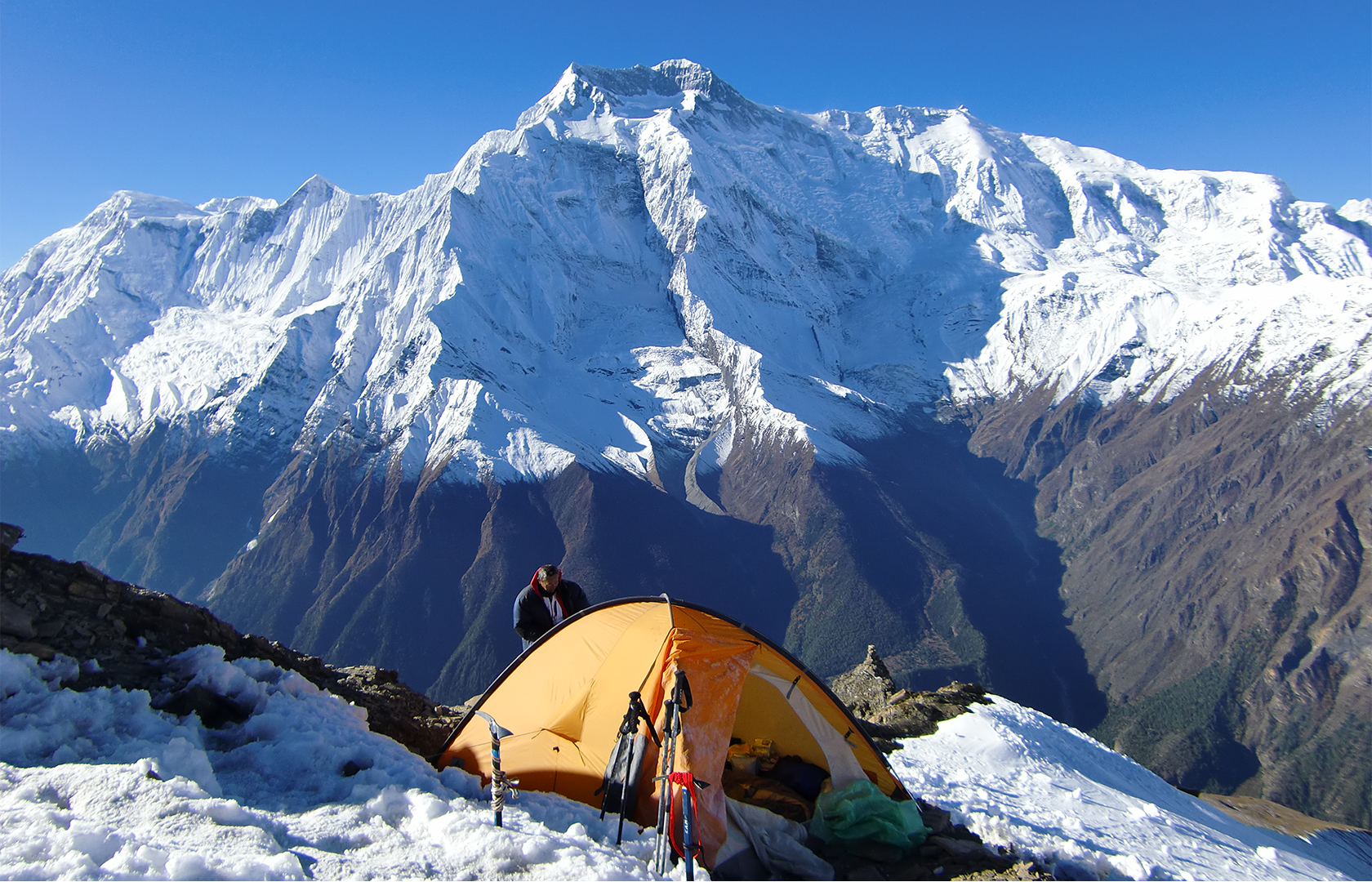
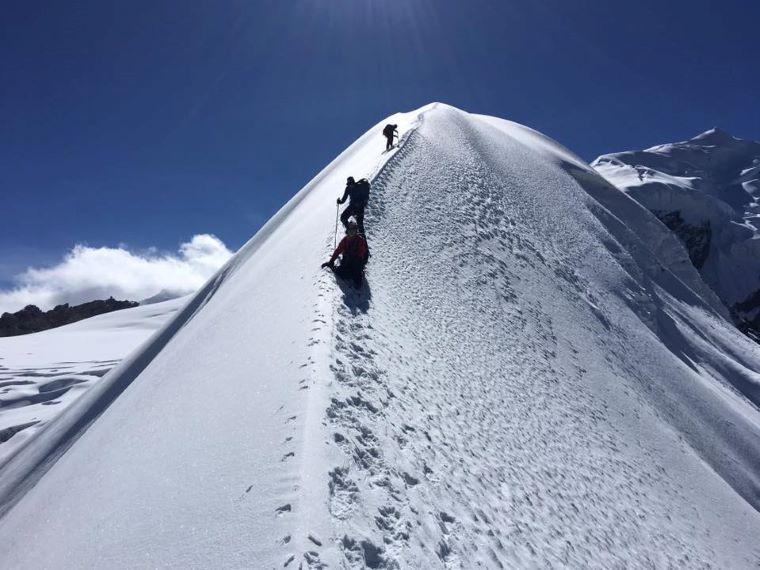
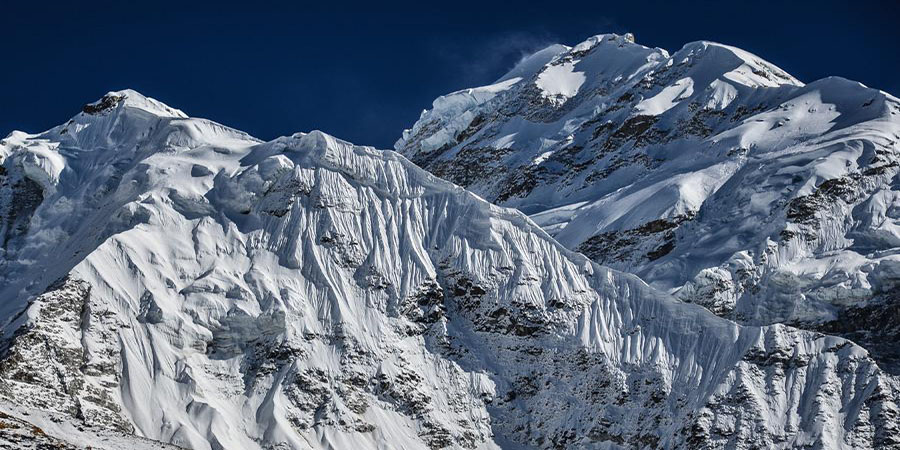
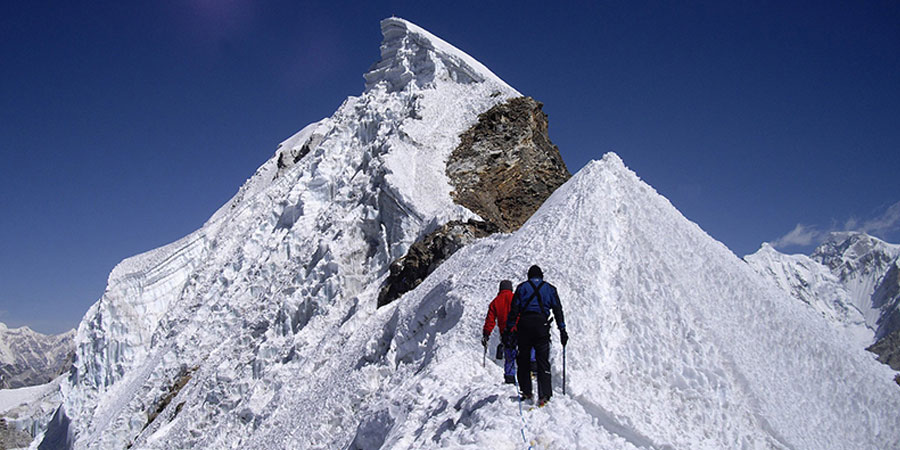
Pisang Peak climbing is another popular trekking peak in Nepal. The height of Pisang Peak is 6092m/19981ft from sea level. This peak is located between two giant peaks, Annapurna I and Manasalu, which are around 8000 meters. Pisang Peak rises above Pisang village and yak pastures on a uniform slope of ice and snow to the summit. Climbing this peak is not very difficult. So it does not require expedition training. For climbing Pisang Peak, you should follow the path of the Annapurna Circuit trekking. The trekking starts from Beshi Sahar. On the sixth day of trekking, you arrive at Pisang Base Camp (4420m/14497ft). Before you reach the base camp, you enjoy the beautiful natural wonders like waterfalls, green paddy fields, arid deserts, oak forests, and gorges. The next day, you walk to high camp at 5400m/17712ft. From high camp, your peak climbing begins. The well-defined ridge leads to the final snow slope, which is quite steep but not difficult to reach the summit. After your summit of Pisang Peak, your trekking leads to Thorung La Pass (5416m/17764ft), Muktinath, and Jomsom. Jomsom is the final destination of the trek. From there, you take a flight to Pokhara.
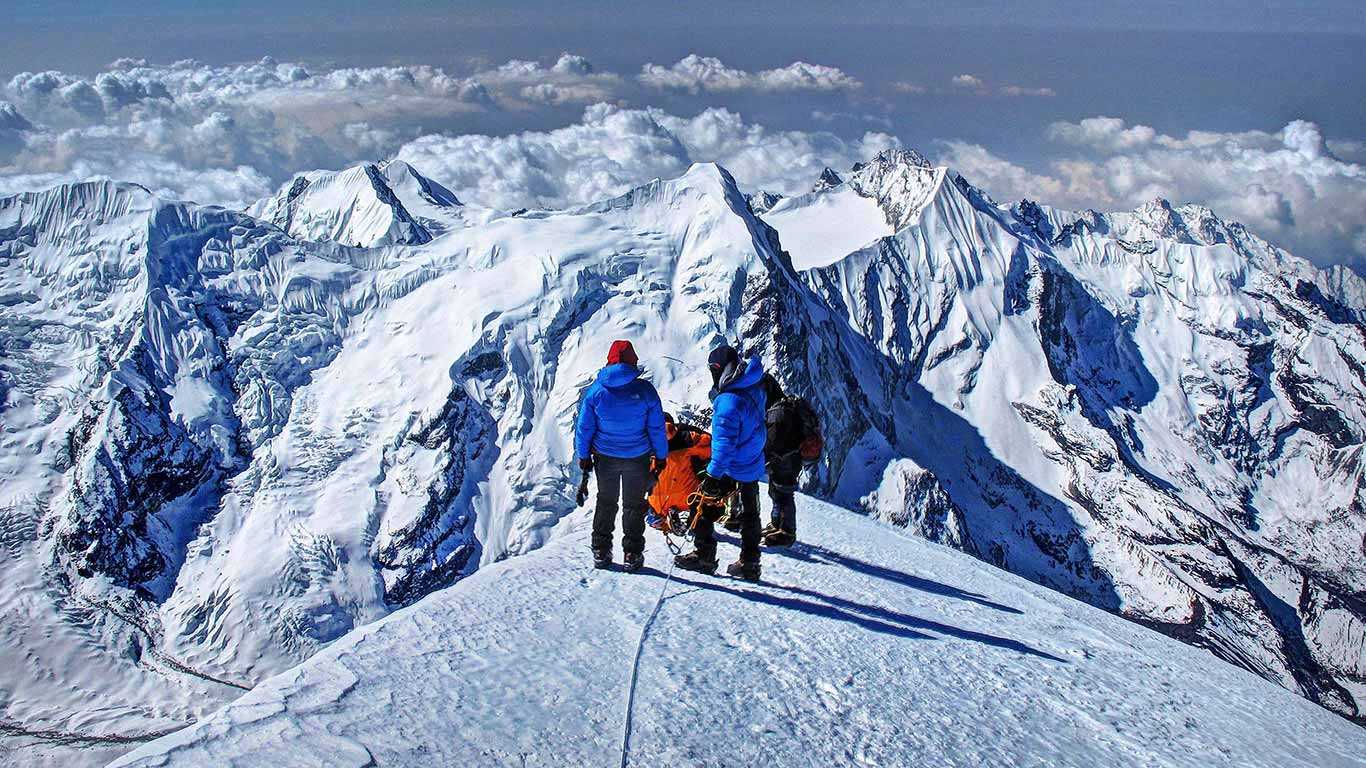
Reach 6,091m. From that spot, you can look out at Annapurna II, Annapurna IV, Manaslu, and Tilicho Peak.
This hike works well for people who already know mountaineering basics. Pisang Peak is not too technical, yet it still feels like a true Himalayan climb.
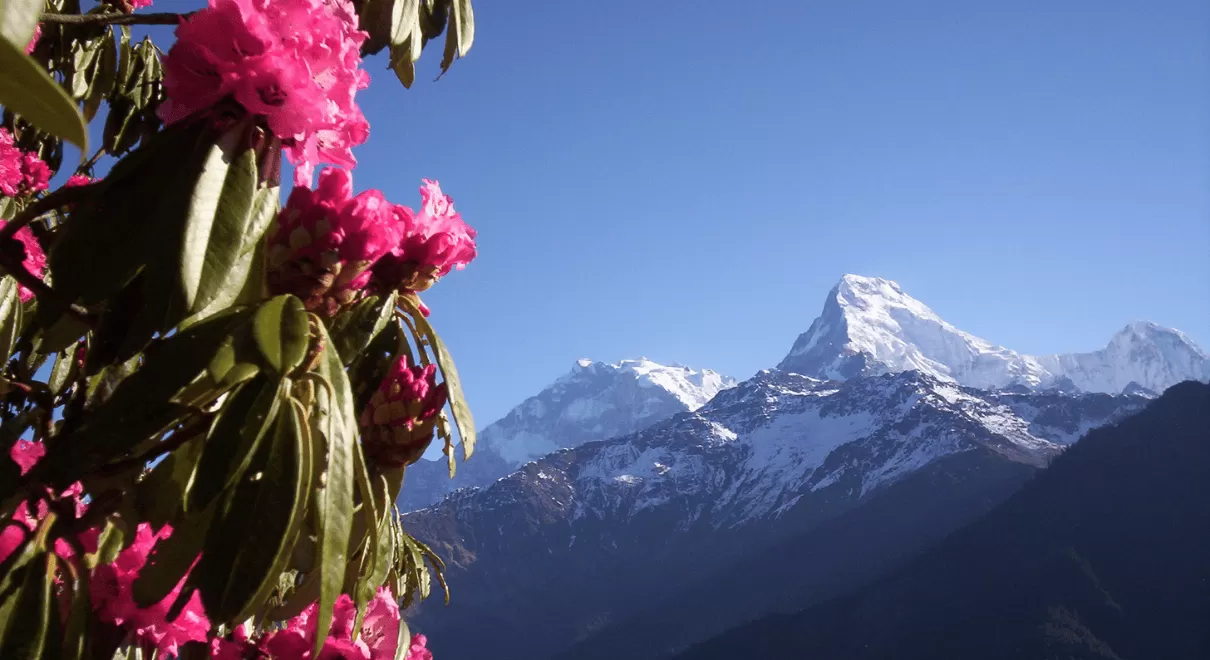
You will walk parts of the Annapurna Circuit. Along the way you see villages, rhododendron forests, and high passes before you push on toward the summit.
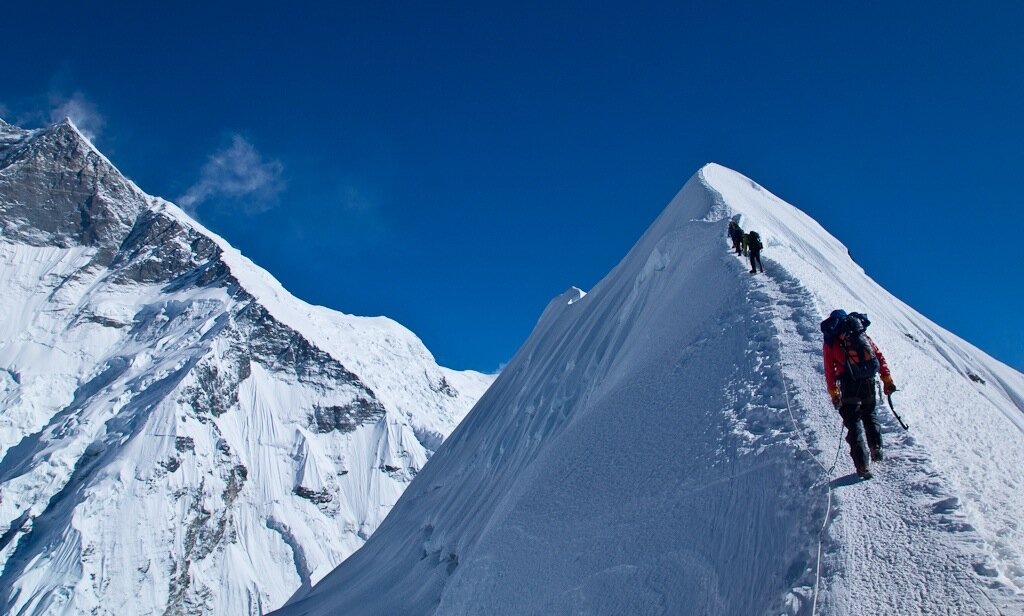
Expect snow and ice underfoot. You will cross some glacier zones and take ridge paths that feel wide and exposed.
Plan time in Manang. You will notice Tibetan style touches, old monasteries, and people who are easy to talk with. This lines up with the usual path to the Pisang Peak basecamp.
You climb with experienced Sherpa guides. You also follow a clear plan for getting used to the altitude. Good gear support is in place for a safer, steady climb to the top.
Start From
Get personalised guidance for any Nepal adventure — with expert planning and safety support.
We offer expert advice, flexible options, and tailor-made itineraries.

Pisang Peak Climbing was an incredible Himalayan adventure. The journey through the Annapurna region offered beautiful mountain scenery, traditional villages, and changing landscapes. As we approached Pisang Peak, the terrain became more challenging, but our experienced climbing guide provided excellent support and clear instructions. The summit attempt was demanding but extremely rewarding. Reaching the top and enjoying panoramic views of Annapurna II, Annapurna IV, and the surrounding peaks was unforgettable. Himalayan Smile Treks handled the permits, accommodation, climbing support, and logistics very professionally throughout the expedition.
The Pisang Peak expedition was one of the most memorable parts of our Nepal trip. Trekking through the Annapurna region allowed us to experience beautiful mountain villages, dramatic valleys, and spectacular Himalayan scenery. Our climbing guide carefully explained the equipment, route, and safety procedures before the ascent. The climb was physically demanding, particularly at higher altitude, but the team was supportive throughout. Standing on the summit with magnificent views of the Annapurna range was an unforgettable experience. Himalayan Smile Treks organized the expedition smoothly and professionally from beginning to end.
Pisang Peak Climbing was a fantastic combination of trekking and mountaineering. The Annapurna region provided incredible scenery throughout the journey, from peaceful villages and forests to rugged high-altitude landscapes. Our climbing Sherpa was experienced, patient, and very supportive during the more challenging sections. We received useful preparation before the summit attempt, which gave us greater confidence. Summit day was tough, but reaching the top was an amazing achievement. The panoramic views across the Annapurna range were spectacular. Himalayan Smile Treks provided excellent logistical support throughout the expedition.
Our Pisang Peak Climbing adventure was challenging, exciting, and unforgettable. I particularly enjoyed the trekking route through the Annapurna region and the opportunity to experience local mountain culture along the way. As we climbed higher, the landscape became increasingly dramatic and the route more demanding. Our guide provided clear advice about climbing techniques, equipment, acclimatization, and safety. The summit attempt required determination, but reaching Pisang Peak made all the effort worthwhile. Himalayan Smile Treks provided professional organization and excellent support throughout the trekking and climbing journey.

.jpeg769170185jpeg "Pharchamo Peak Climbing")
$
$
$2500
$
$
$
$

$
$
$


↑
.png "NTB")
.png "Pata")