Country
Nepal
Duration
Maximum altitude
6145 m.
Activity
Trekking
Difficulty
Moderate / Difficult
Best Season
October, November, March, April
Accomodation
Meals
Included
Start/End Point
Lukla

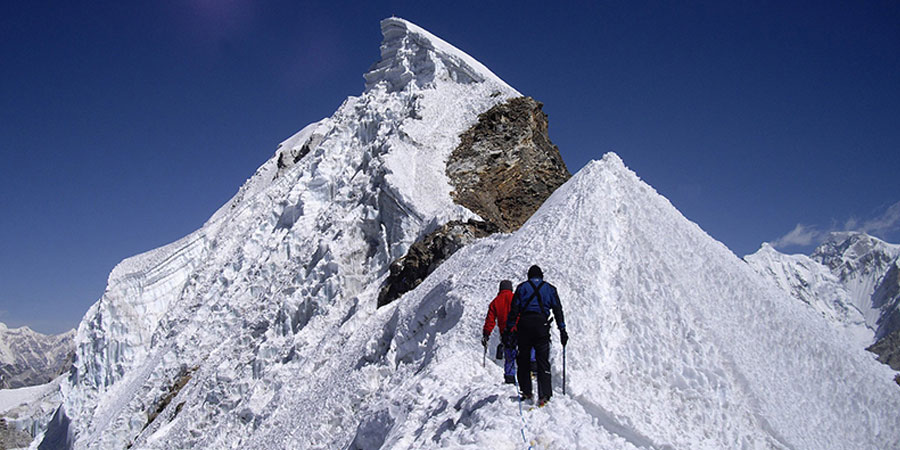
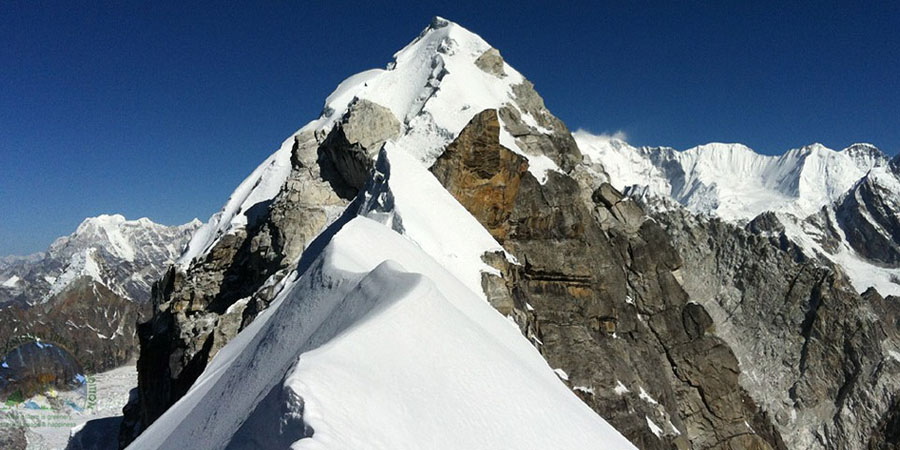
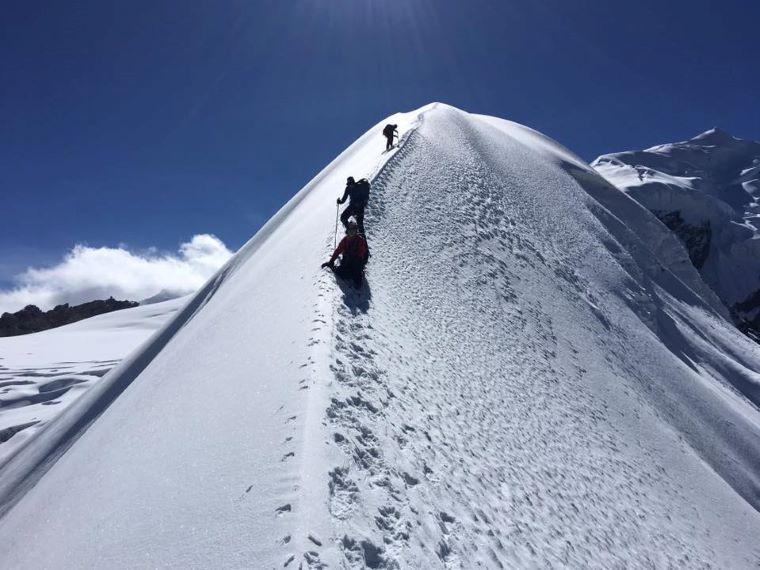
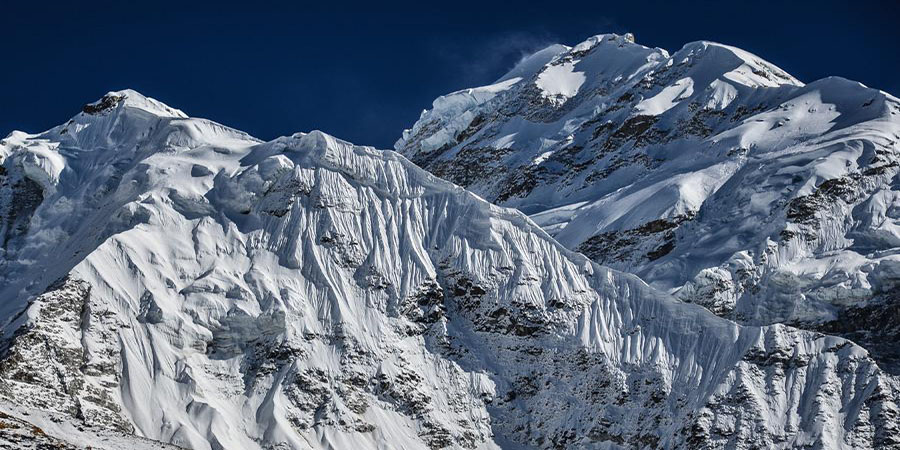
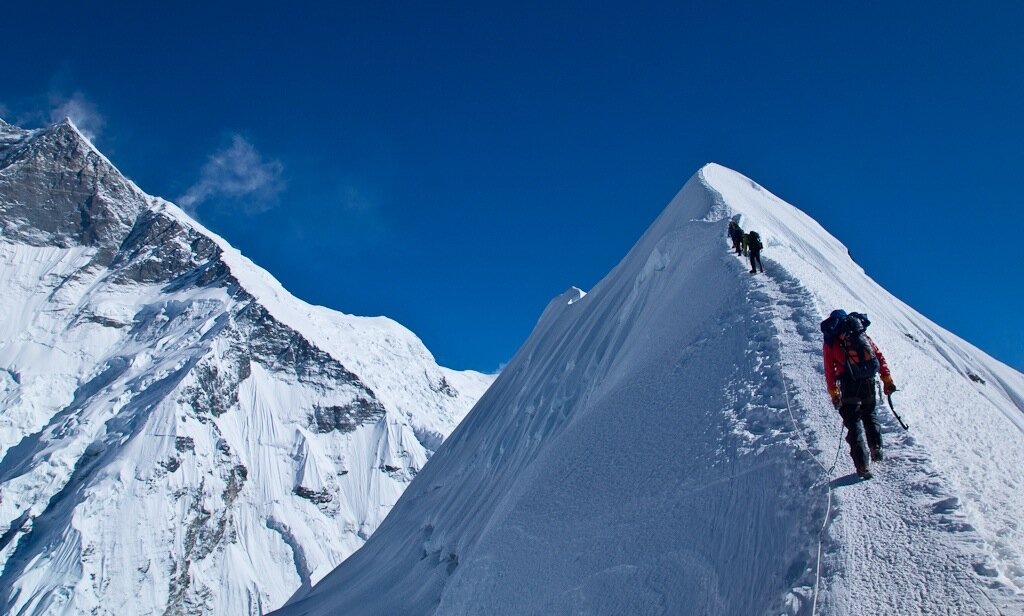
Lobuche West Peak climbing stretches between the East and West summits, which are connected by sharp drop ridges, making the considerable distance between them. This is one of the challenging mountains that requires proper physical fitness as well as technical skills. Facing towards Khumbu Glacier on the southern side, this Peak is regarded as one of the highly challenging peaks in the Mahalangur Himalaya. Lobuche West Peak climbing will take you to another level of Mountaineering. The route from high camp starts to be sloppier, and we need to cross the rocky slab using the rope. Then the route goes through the narrow icy ridge, which is a technically challenging part of this expedition.
Before reaching the base camp for the expedition, the climber should be properly acclimatized and have to be physically & mentally prepared for the expedition. To get sufficient acclimatization, we have to walk slowly to reach the base camp, spending weeks at the lower elevation.
Planning a trip to the Himalayas usually brings up the same point: when should you climb Lobuche West Peak? When you pick the season well, you can avoid a summit attempt that gets ruined by bad weather, low visibility, or unstable ice. Lobuche West Peak stands at about 6,145 m and sits in the Everest area. It is one of Nepal’s well-known trekking climbs. Picking the right time of year is a key first step for a safer and more reliable climb.
Near 6,000 meters, Lobuche West Peak feels far harsher than the word steep suggests. The air is thin, and it hits you quickly. Weather is also quick to change. Snow can hide weak spots, and bridges may not hold as you assume. Because of that, where you place your feet matters a lot. A small mistake at that height can snowball fast.
The climb is not the same from one month to the next. Wind can pick up with little warning. Temps may rise and then drop again. Clouds can cover the route sooner than you expect. For these reasons, map your trip on the seasonal shifts in Nepal, not on luck or a single forecast. Do not pick the route that only looks simple on paper.
Lobuche West Peak: Best Time to Climb
Most climbers look at two main seasons for Lobuche West Peak.
1) Spring, from March to May
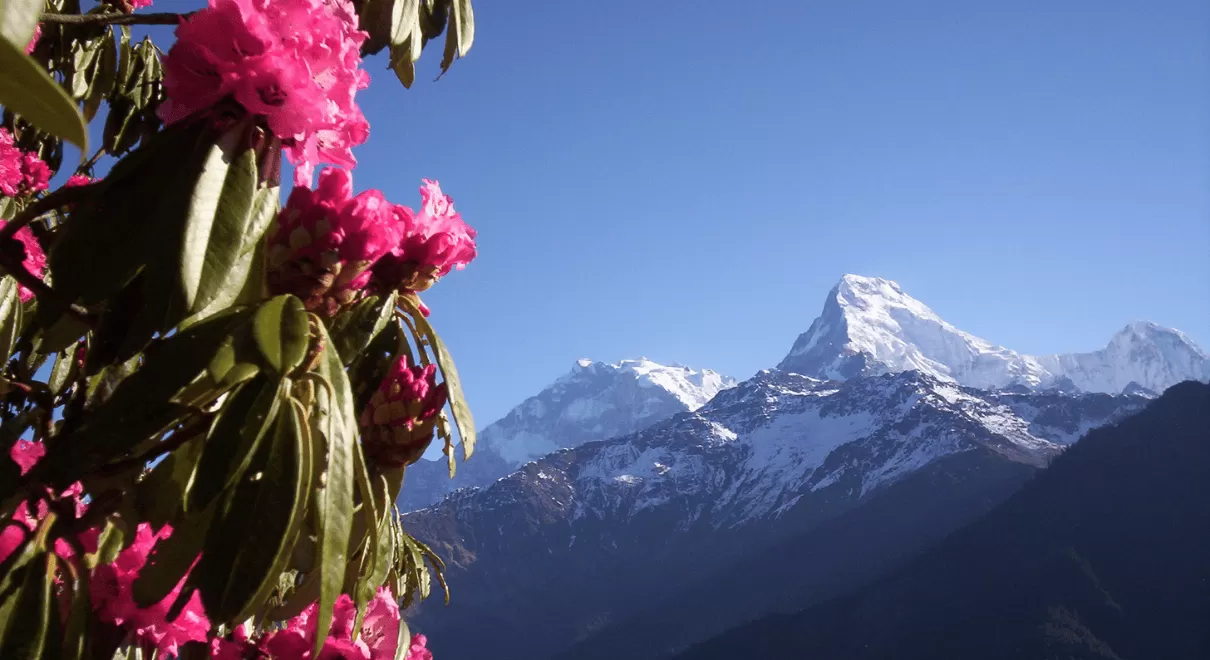
Days slowly get warmer. The main trek routes feel busier because many people travel toward Everest Base Camp. In the lower areas, rhododendrons start to flower. Skies are often steady, but later in the day clouds can show up.
2) Autumn, from September to November
This season is often picked first. After the monsoon, the weather calms down. You usually get clearer views, drier ground on the paths, and steadier climbing days. If you want the safer choice overall, autumn tends to come out on top.
Best Time to Climb Lobuche West Peak
If you want the safer stretch, aim for late April through mid-May. Another good option is mid-October through mid-November.
During these periods, the weather often stays more settled. Winds are usually less of a problem. The glacier conditions tend to be steadier too.
That matters for the main push to the summit. You will use fixed ropes and tackle a short section that mixes ice and rock near the top.
Weather and temperature at base camp
In the main season, daytime temperatures sit around -5°C to 10°C near base camp. Nighttime is much colder, and the summit ridge stays below freezing. In autumn and early spring, rain is not much of a problem. During the monsoon months, from June to August, the weather turns harsher with heavy rain and fog. Avalanche risk also rises a lot in that period, so climbing is not a good idea then.
When to go for clear views
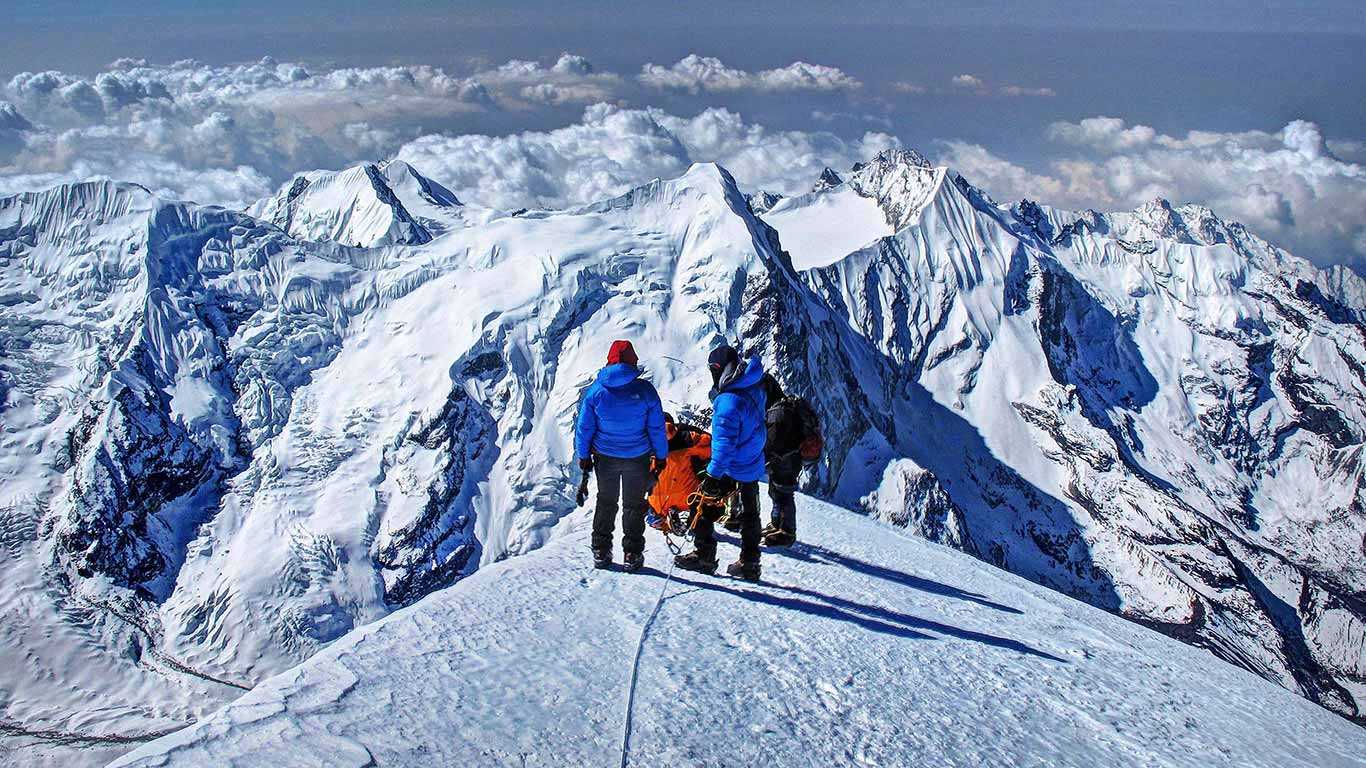
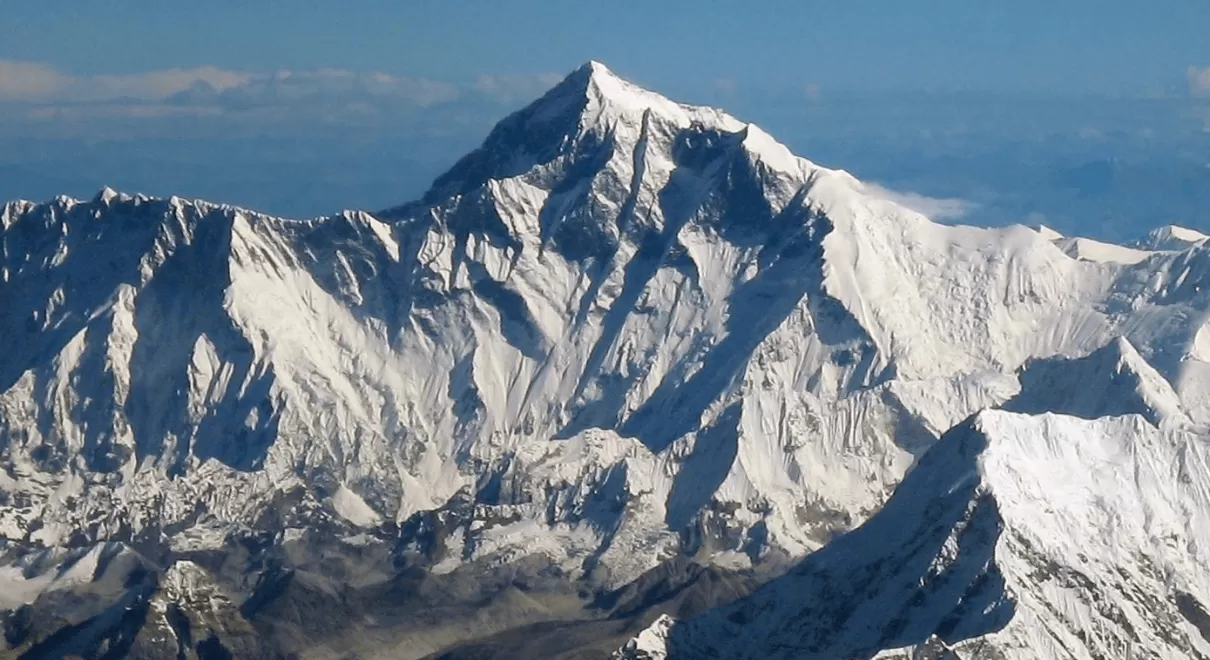
If you want clear views for photos or for climbing, autumn is the safer bet. October and the start of November are usually the best weeks. After the monsoon season, the air clears up. From the summit in the morning, you can often see Everest, Nuptse, and Makalu with fewer obstacles.
Lobuche West Peak for people new to climbing: best season
If you are just getting started with climbs near 6,000 m in Nepal, plan for spring or autumn. These months are the usual safe pick for Lobuche West Peak. Days are warmer, the air is clearer for route work, and there are more hikers around. That means help can be close if something goes wrong, which matters for first-timers.
Winter and monsoon: what to expect
Winter, from December to February, can be very harsh. Cold is intense, winds can be strong, and snow falls often. In monsoon months, trails can turn muddy or wet in a serious way, and views can get blocked by rain and cloud. Because of this, most guiding teams do not push people to climb in those seasons. That is why spring and autumn keep coming up.
Where Lobuche West fits
Lobuche West is part of the wider scene of Himalayan peak climbs in Nepal. It is known as a classic trekking peak. Many climbers use it to get used to higher ground and to learn core techniques. For many people, it acts as a first step toward bigger goals in the Everest region and beyond, including other 6,000 m objectives.
Go up Lobuche West Peak, 6,145 m, in the Everest region. From the ridge, you get very near views of Everest, Nuptse, Lhotse, and Makalu.
The plan has a day to help your body adjust, so you can push higher with more ease.After that, you may go for other big summits, like Ama Dablam or Island Peak.
Expect real climbing as you go up. You will use fixed lines and wear crampons.There is a hard section too, with steep ice and rock near the top.
On the trek, you travel through key Khumbu towns, such as Namche Bazaar, Dingboche, and Lobuche.
If you want better chances, go in spring or autumn. Those seasons often bring calmer weather and clear views. That timing can also mean more stable glacier conditions.
This trip suits trekkers who want a solid mountaineering feel, but they are not after the most technical level of climbing.


Start From
Get personalised guidance for any Nepal adventure — with expert planning and safety support.
We offer expert advice, flexible options, and tailor-made itineraries.

Lobuche West Peak Climbing was an incredible Himalayan experience. The trek through the Everest region was spectacular, with beautiful Sherpa villages, monasteries, and impressive views of Ama Dablam, Nuptse, and the surrounding peaks. Our climbing guide was experienced and supportive, especially during the technical sections. The preparation at high camp helped us feel ready for the summit attempt. Reaching the top and seeing the magnificent Khumbu mountains was unforgettable. Himalayan Smile Treks organized the permits, accommodation, climbing support, and logistics very professionally.
The Lobuche West expedition was one of the highlights of our Nepal adventure. Trekking through the Khumbu Valley allowed us to experience Sherpa culture, traditional villages, and breathtaking mountain scenery. As we approached Lobuche West, the terrain became more challenging, but our guide provided clear instructions about climbing techniques and safety. Summit day was physically demanding, yet reaching the top was incredibly rewarding. Himalayan Smile Treks provided excellent support throughout the journey and handled the expedition logistics smoothly and professionally.
Climbing Lobuche West was a fantastic combination of trekking and mountaineering. The Everest region offered spectacular landscapes throughout the journey, from green valleys and suspension bridges to rugged high-altitude terrain. Our climbing Sherpa was patient, knowledgeable, and very supportive during the difficult sections. We received useful preparation before the summit attempt, which helped us feel more confident. The final climb was challenging, but standing on the summit with panoramic views of the Himalayan peaks made every effort worthwhile. Himalayan Smile Treks provided professional organization from start to finish.
Lobuche West Peak Climbing was a challenging and memorable Himalayan adventure. I particularly enjoyed the journey through the Everest region and the changing landscapes as we climbed higher. The mountain views around Lobuche and the Khumbu Valley were spectacular. Our guide carefully explained the climbing equipment, route, safety procedures, and summit strategy. The summit day required good physical preparation and determination, but reaching the top was an incredible achievement. Himalayan Smile Treks managed the permits, accommodation, guides, and climbing logistics efficiently. It was an unforgettable Nepal experience.

.jpeg769170185jpeg "Pharchamo Peak Climbing")
$
$
$2500
$
$
$

$
$
$
$


↑
.png "NTB")
.png "Pata")