Country
Nepal
Duration
21 days
Maximum altitude
6012 m.
Activity
Trekking
Difficulty
Moderate/Difficult
Best Season
October, November, December, February, March, April
Accomodation
include
Meals
Included
Start/End Point
Nayapul/ Jomsom

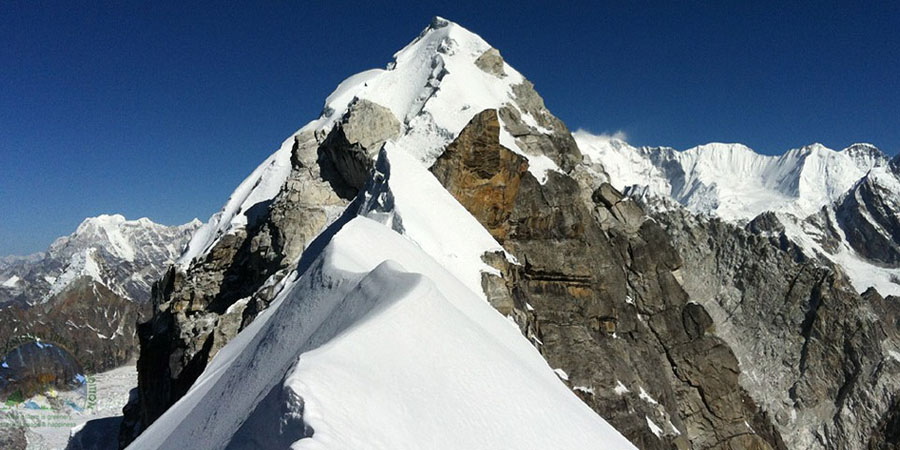
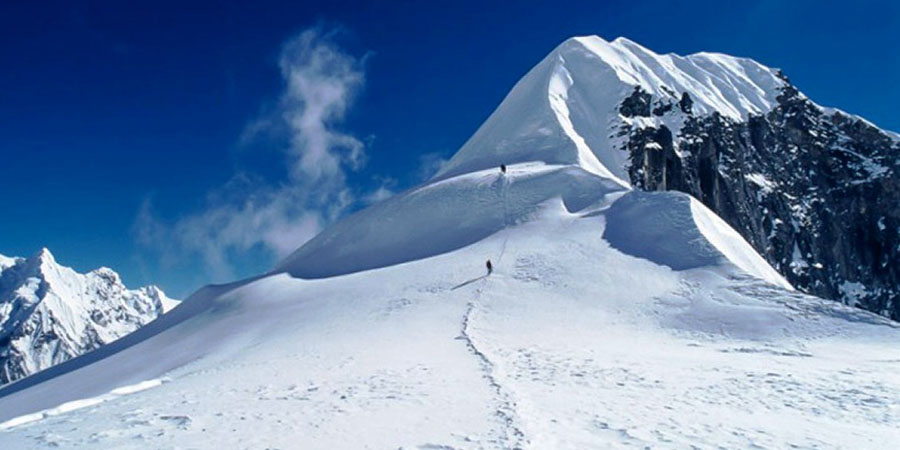
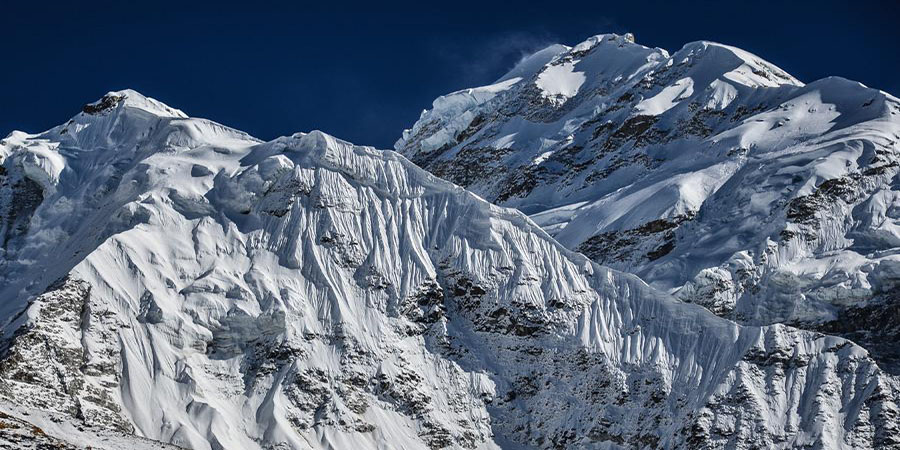
Dhampus Peak is one of the attractions and a technical trekking peak in Nepal. It lies in the lap of the massive mountains of Dhaulagiri (8167m). The Nilgiris and Tilicho Peak tower above the horizon in the South. The climb starts from the ancient village of Tukeche. The incredible view from the top of the Dhampus peak.
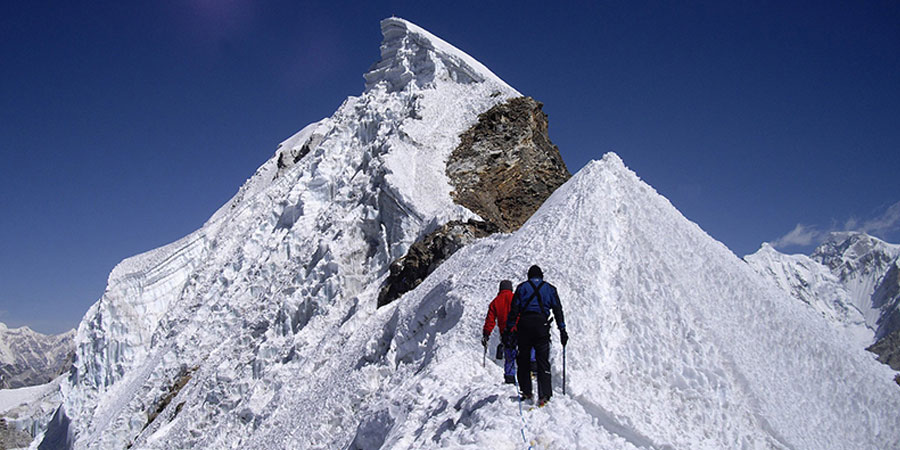
Looking for a first climb that still feels like real Himalayan mountaineering? Dhampus Peak climbing gives you a mix of excitement, local culture, and an easier route to start. The peak sits at 6,012 meters in Nepal, in the Annapurna region. It is one of the best-known trekking peaks there. Many climbers choose it when they want to reach a true mountain summit feeling, but they do not have to be highly skilled in technical climbing.
Dhampus Peak draws climbers from many places. People like it because the climb feels like a true journey, but it does not demand years of technical training. For those new to mountaineering, this peak is often a good match.
In Nepal, Dhampus is known as one of the more beginner-friendly options. You usually do not need prior technical climbing skills. What matters most is being in decent shape and wanting to explore.
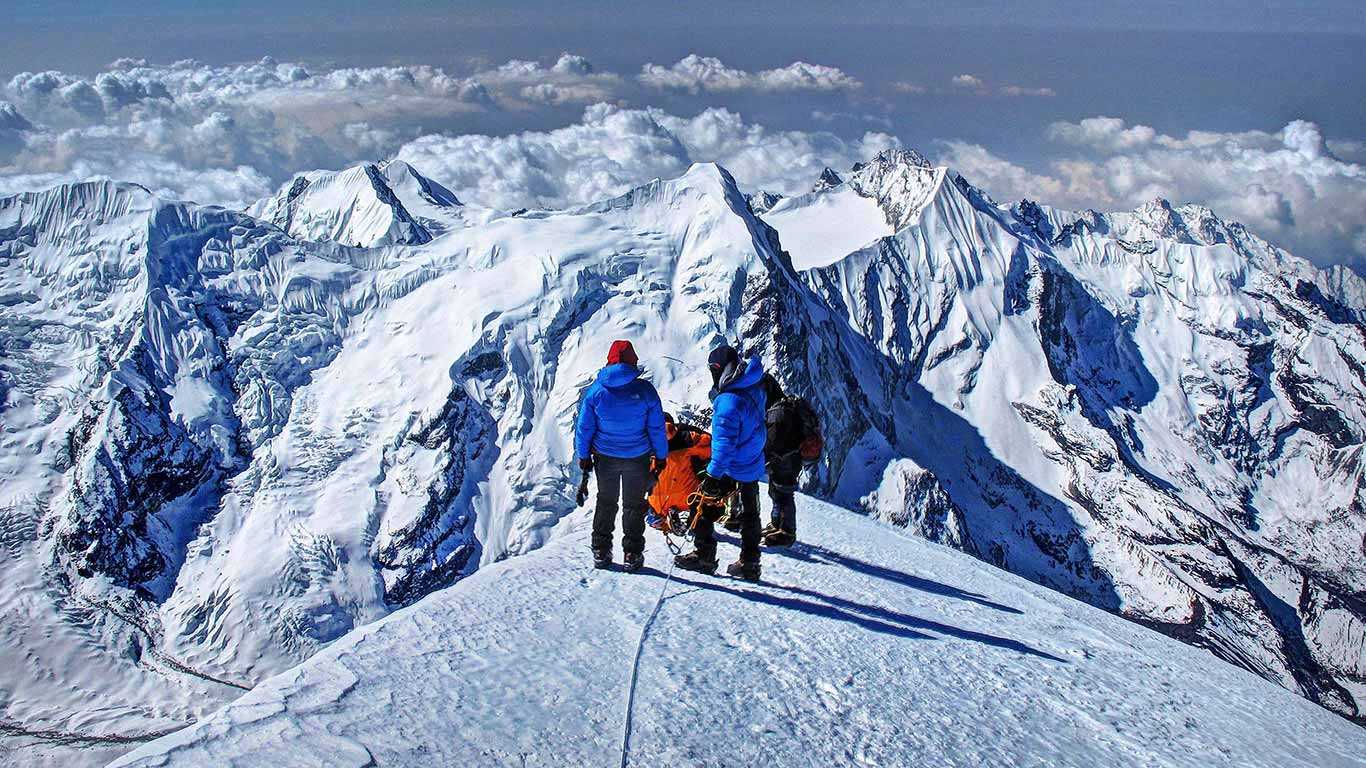
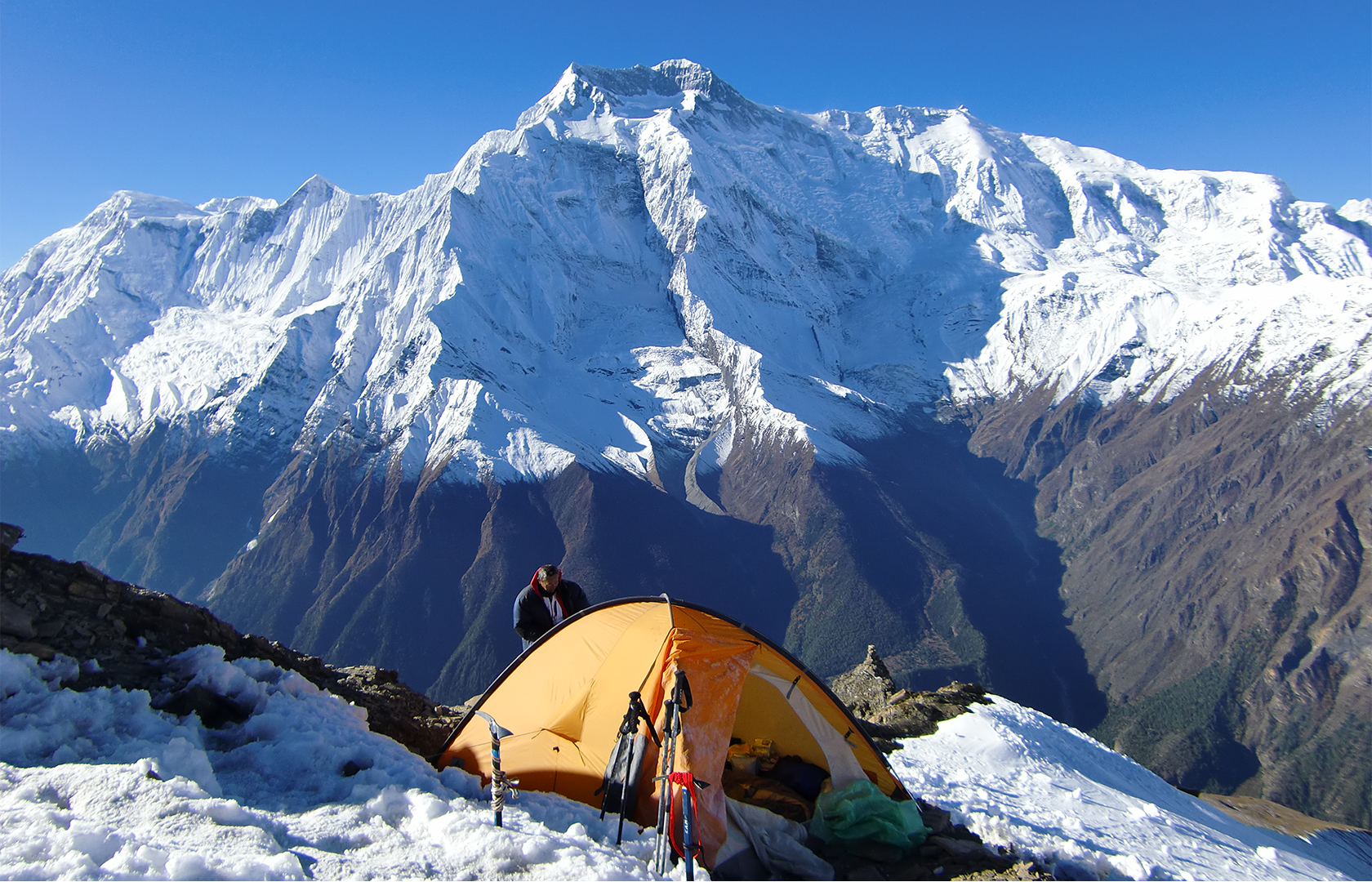
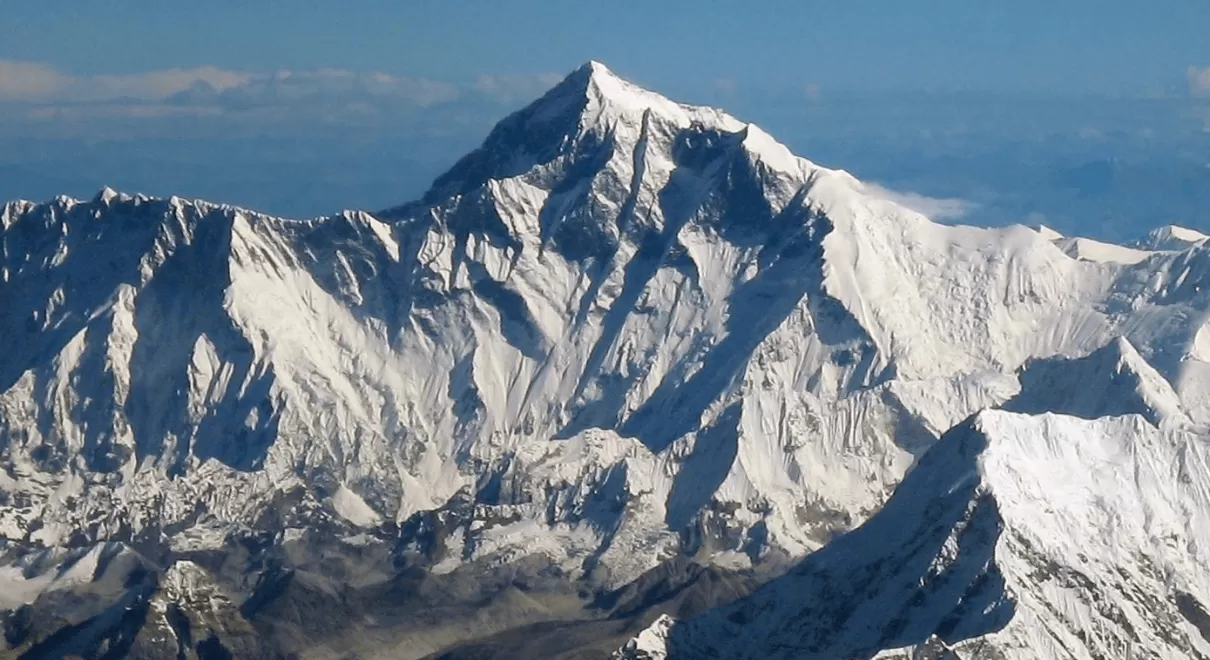
On the way up and at the top, the views are a major reward. You can see Annapurna, Dhaulagiri, and Machapuchare from high ground. That scenery is why many call it one of the more beautiful trekking peaks in Nepal.
Picking the right season matters a lot if you want a safe and satisfying climb. For Dhampus Peak, you can plan around two main times of year. Spring runs from March through May. Autumn runs from September through November.
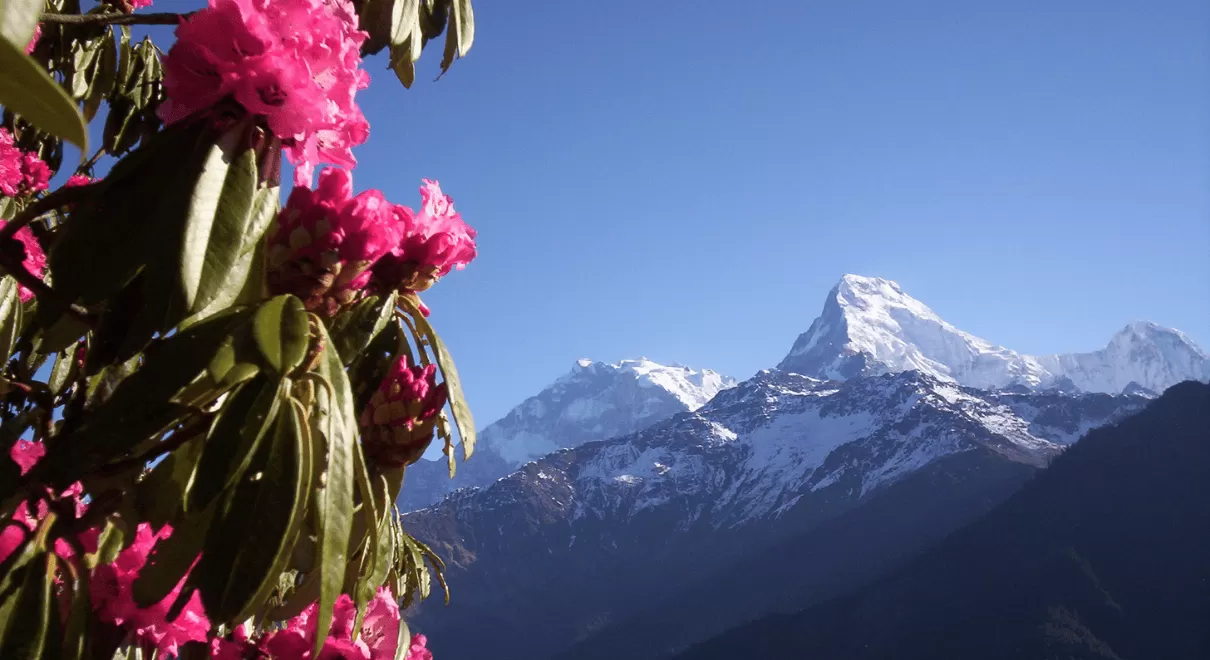
Spring is usually gentle. Rhododendrons begin to open. The weather also seems to calm down, slow and steady.
Autumn draws many people to Dhampus Peak hikes. They claim the sights look sharper then. The air feels clean, and the nearby high ground shows up more clearly.
If you are new to this, autumn is a safe bet. The conditions often hold steady. The temperatures do not swing much. You also get fewer surprise storms than you might in the monsoon months or in deep winter.
October and November are named most often. Skies tend to stay clear. Walking feels easier. The routes are also simpler to handle.
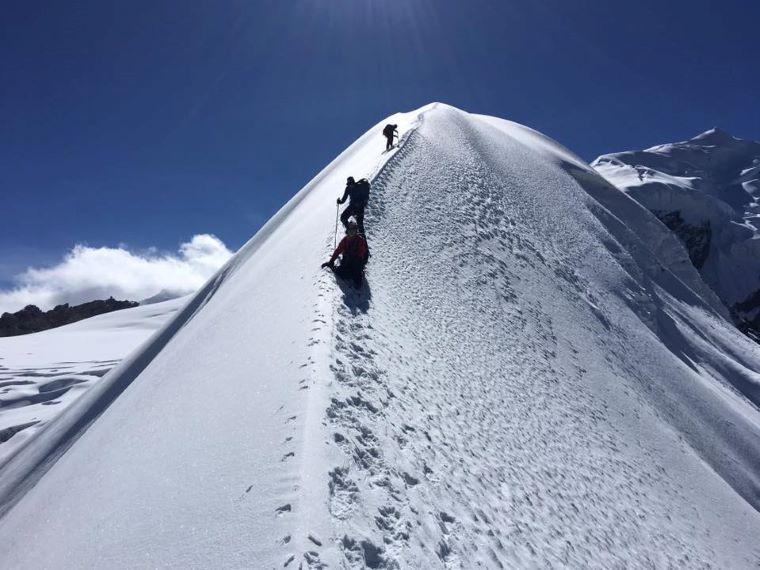
Some people say Dhampus Peak is a good first climb. Still, it is not a casual walk. You will need endurance, and you have to stay even in your effort, especially where it gets steep. It also helps to do a few easier hikes first, so your feet and legs learn how to handle rough ground.
Once you reach around 5,000 meters, things shift fast. You may feel short of breath, and your body can react right away. This is why acclimatizing is key. On many well-planned climbing trips in Nepal, there are rest days built in. Those breaks give your breathing time to settle, and you can get used to the higher air before going up again.
A Dhampus Peak trip usually runs 12 to 16 days in total, starting and ending in Kathmandu. Most routes go through Phedi, then Australian Camp, and on to Dhampus village. After that, you reach base camp and then the summit.
To join the climb, you will need an Annapurna Conservation Area Permit, also called ACAP. You also need a TIMS card. In addition, you must get a climbing permit through the Nepal Mountaineering Association.
What you pay can change based on how many people are in your group, how long you stay, and what services are included. Because of that, it helps to look at a few Dhampus peak climbing packages in Nepal before you book.
Climbing Dhampus Peak is still a solid way to step into Himalayan mountaineering. If you pick the best time of year, pack well, and travel with an experienced guide team, the Annapurna trekking peak can turn into a real journey. People remember the top views long after they come down. Want to set up a Dhampus Peak climb? Contact us your a reliable trekking operator and can begin your plan today.
Climb a high peak at 6,012 m in Nepal’s Annapurna area. It is a dramatic trek for people who are new to climbing.
This trip is built for beginners. You do not need prior rope work or technical skills. You only need steady fitness and a strong will.
From the top, you can look out over Annapurna, Dhaulagiri, and Machapuchare. The views feel wide and clear, especially on calm days.
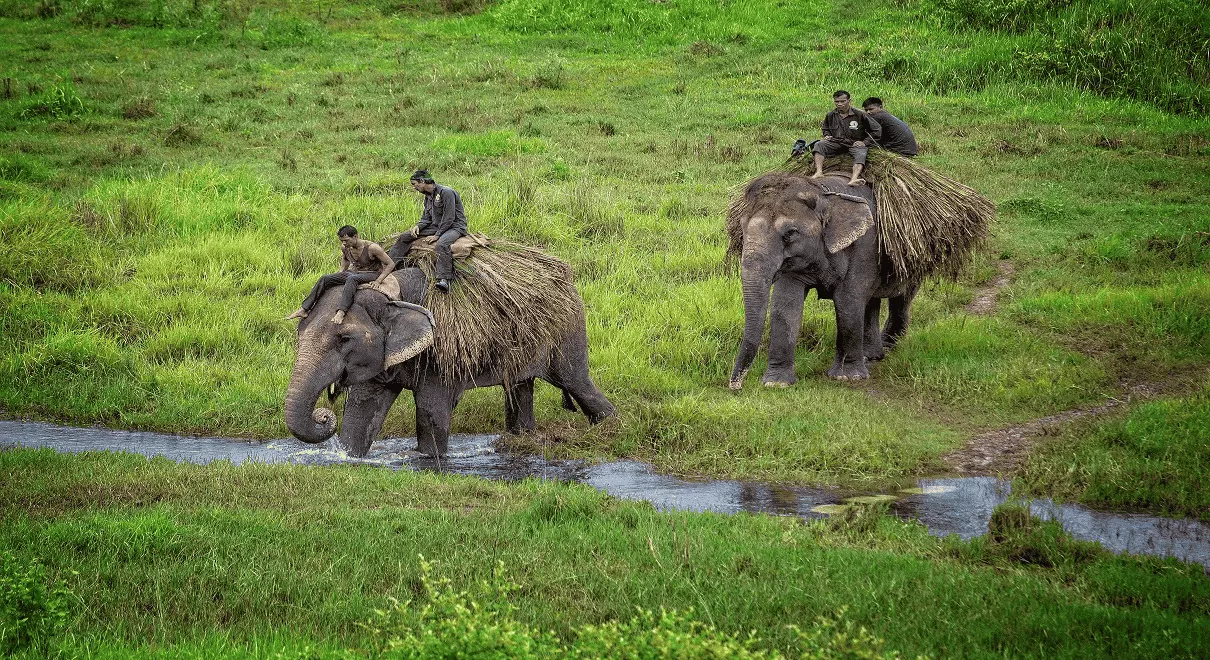
Along the way, you pass Gurung villages. You meet local families and learn how people live there. The welcome is warm. Traditions from the mountains are still part of daily life.
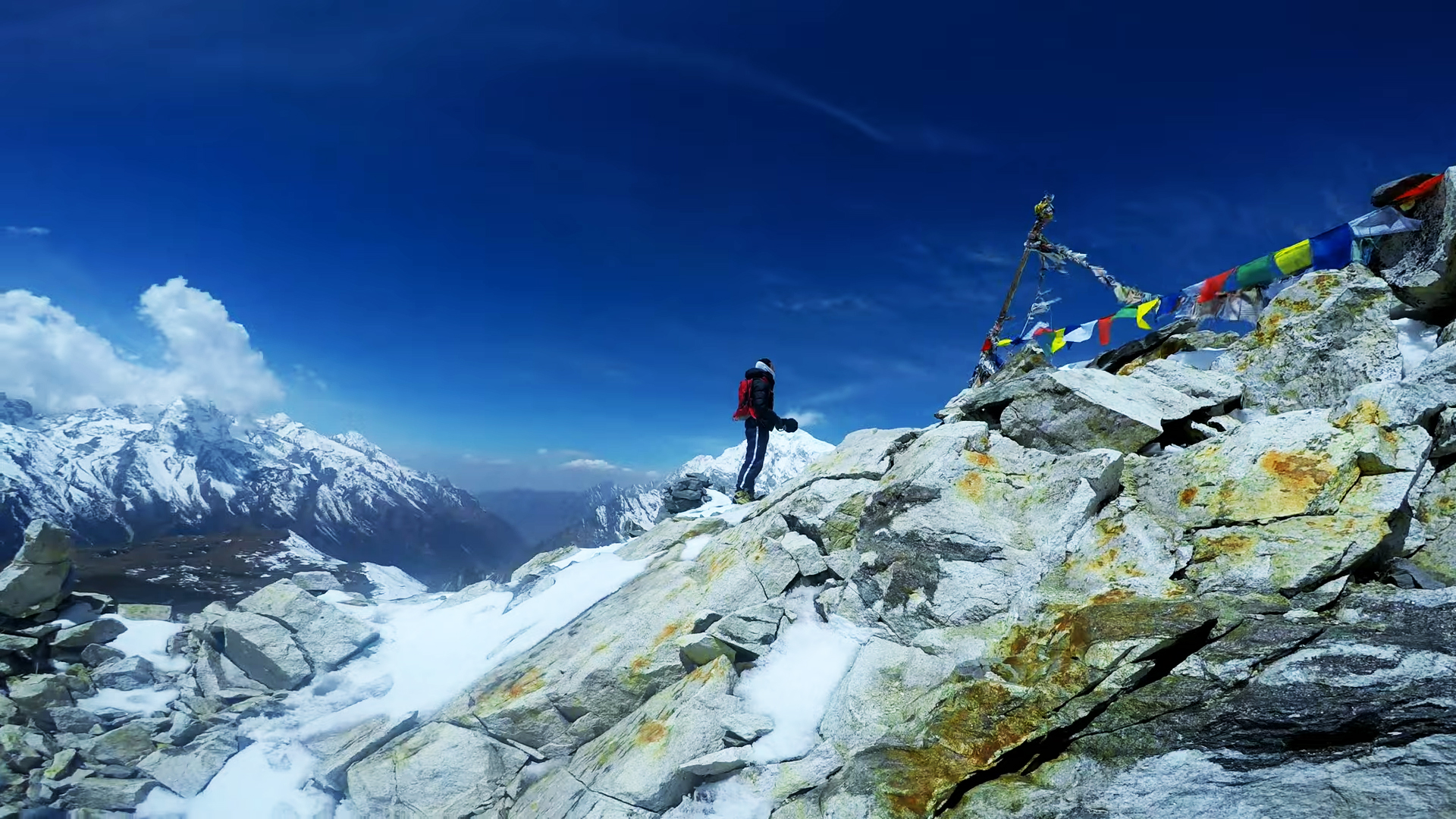
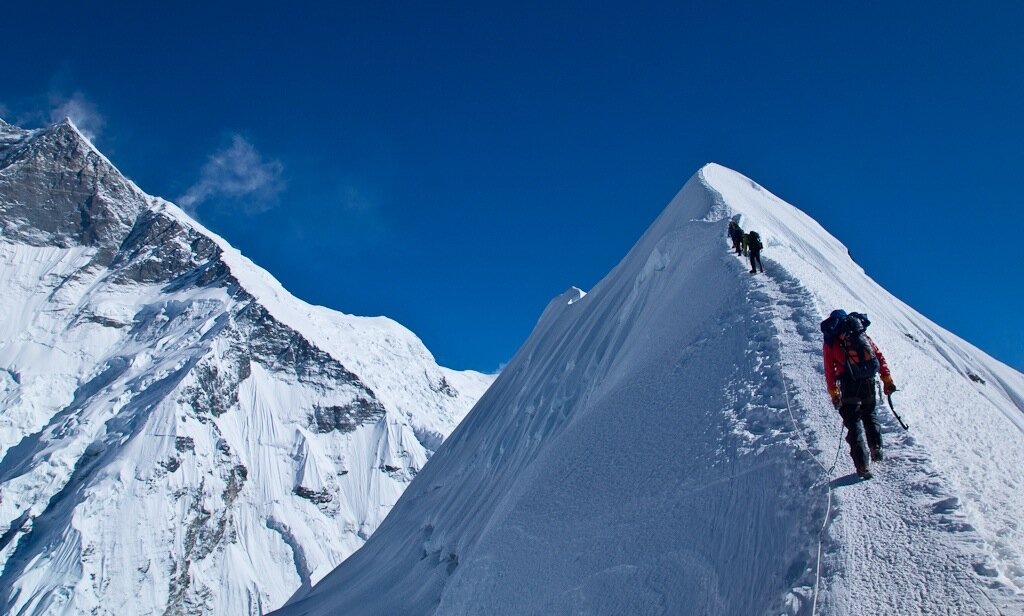
The trail changes a lot. You may walk through green rhododendron woods first. Later, the path rises into windy alpine zones. You also see glacier country as you go higher.
You reach the summit with a guide team that knows the route. You get real help for safety and pacing. The whole experience stays with you long after the climb
Start From
Get personalised guidance for any Nepal adventure — with expert planning and safety support.
We offer expert advice, flexible options, and tailor-made itineraries.

Dhampus Peak Climbing was an unforgettable Himalayan adventure. The journey through the Annapurna region offered beautiful forests, traditional villages, and impressive mountain scenery. As we approached the climbing area, the terrain became more challenging, but our experienced guide provided excellent support and instruction. The summit attempt required good physical preparation and determination, but reaching the top was incredibly rewarding. The panoramic views of the Annapurna range and surrounding peaks were spectacular. Himalayan Smile Treks organized the permits, accommodation, guides, and climbing logistics professionally throughout the expedition.
The Dhampus Peak expedition was one of the highlights of our Nepal trip. We enjoyed trekking through beautiful mountain landscapes and local villages before reaching the higher alpine environment. Our climbing guide was knowledgeable, patient, and very attentive to safety. The preparation before summit day gave us confidence, especially when dealing with the more difficult sections of the route. The climb was physically demanding, but reaching the summit and enjoying the incredible Himalayan views made all the effort worthwhile. Himalayan Smile Treks provided excellent organization and support throughout the journey.
Dhampus Peak Climbing was a fantastic combination of trekking and Himalayan mountaineering. The route provided a wonderful variety of landscapes, from green valleys and forests to rugged high-altitude terrain. Our climbing Sherpa was experienced and supportive, explaining the necessary techniques and safety procedures clearly. Summit day was challenging, but the team's encouragement helped us stay focused. Reaching the top was an amazing achievement, with breathtaking views across the Annapurna region. Himalayan Smile Treks handled the expedition logistics efficiently and provided professional climbing support from beginning to end.
Our Dhampus Peak Climbing adventure was challenging, exciting, and memorable. I loved the peaceful trekking trails and the spectacular mountain scenery along the route. As we gained altitude, the landscape became more dramatic and the climb more demanding. Our guide carefully explained the equipment, route, acclimatization, and safety procedures before the summit attempt. The final ascent required patience and determination, but standing on the summit was an unforgettable moment. Himalayan Smile Treks provided excellent service and professional support throughout the expedition, making the entire journey well organized.

.jpeg769170185jpeg "Pharchamo Peak Climbing")
$
$
$2500
$
$
$
$
$
$
$


↑
.png "NTB")
.png "Pata")