Country
Nepal
Duration
28 Days
Maximum altitude
6143 m
Activity
Trekking
Difficulty
Moderate / Difficult
Best Season
September,October, March, April, May
Accomodation
Meals
Included
Start/End Point
Suketar

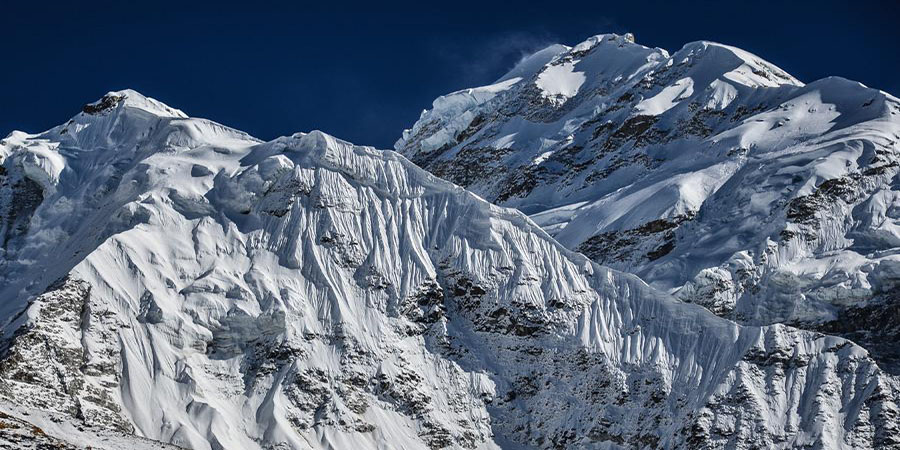
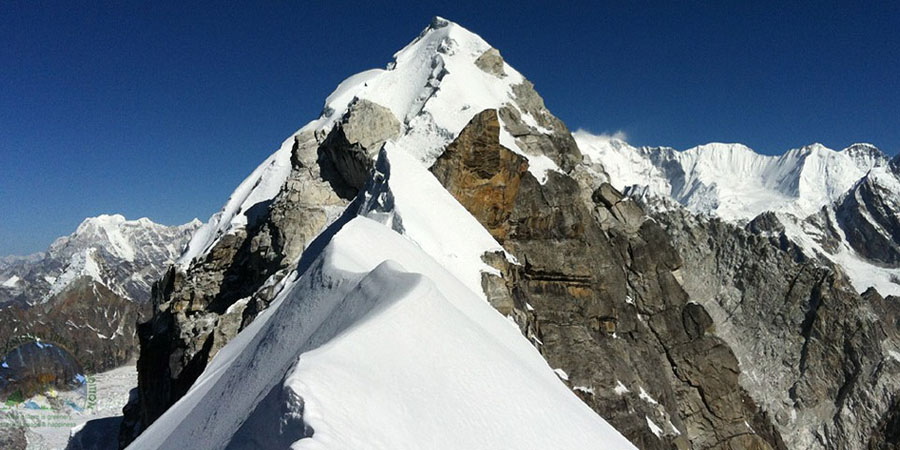
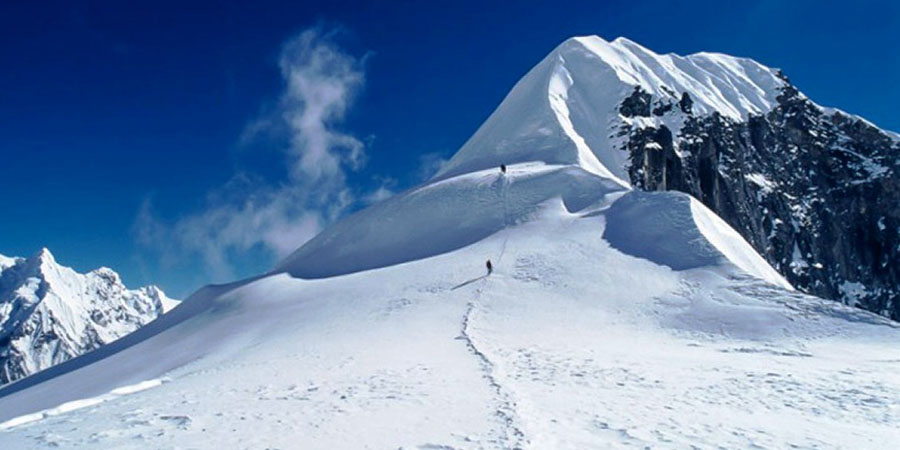
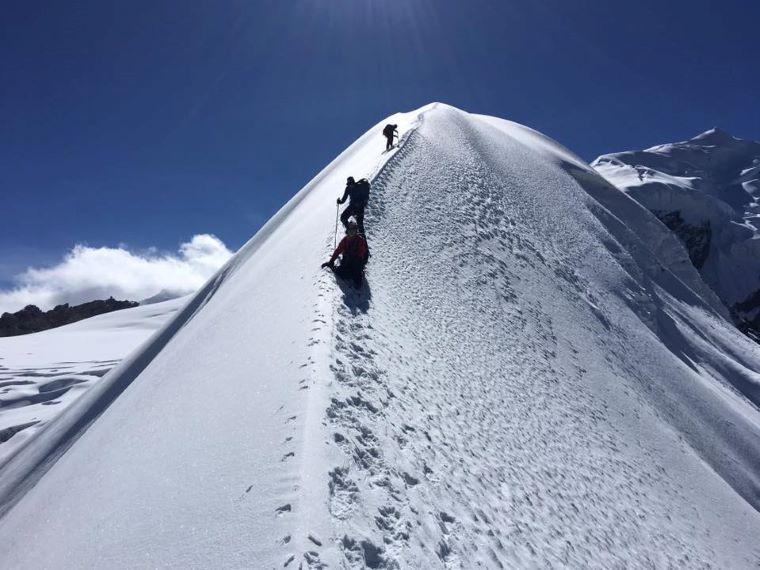
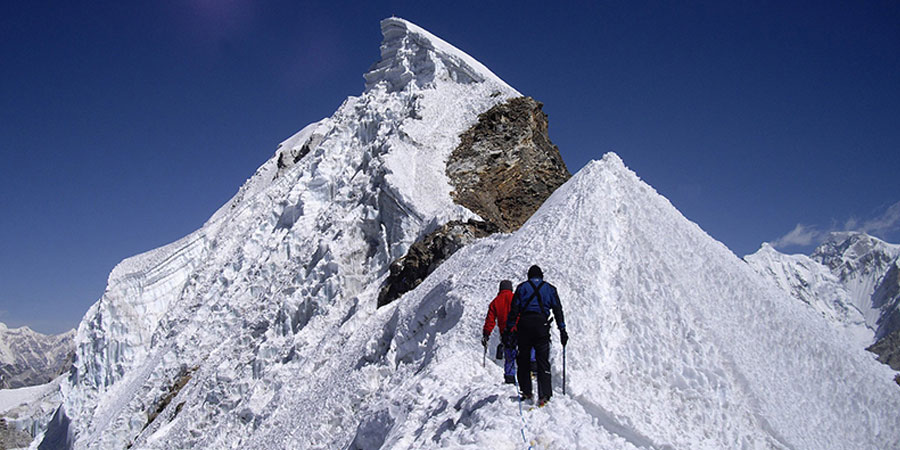
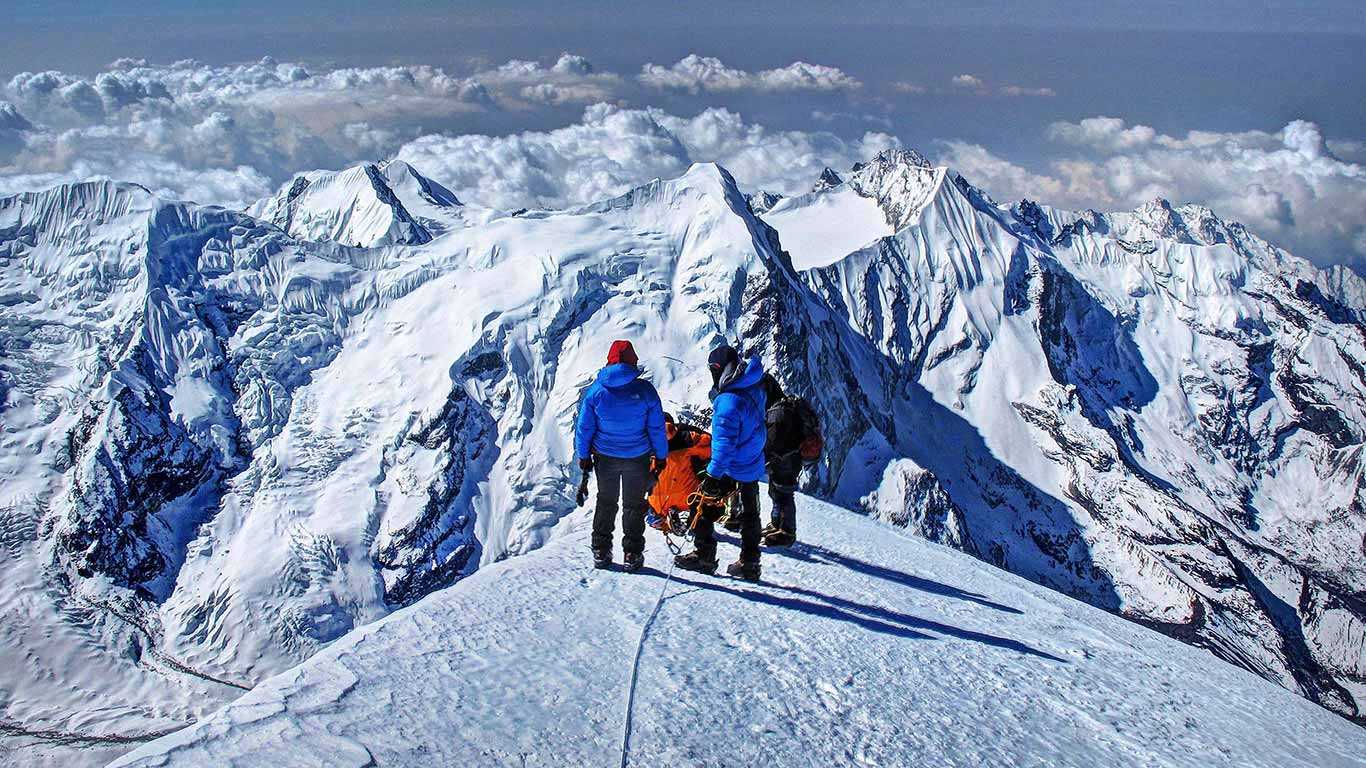
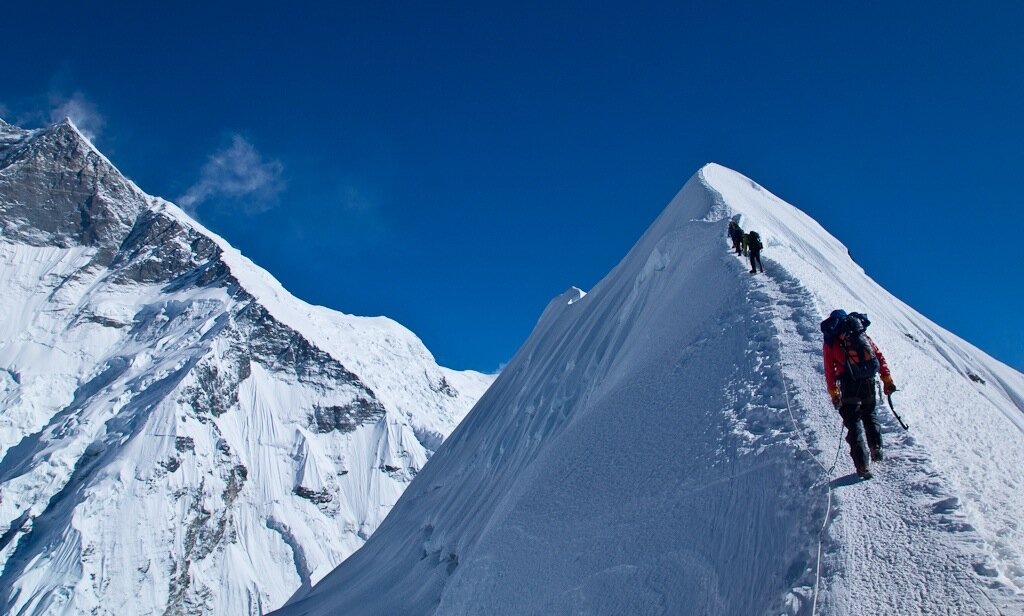
Bokta Peak climbing is one of the most challenging peaks in Nepal, which is located in the heart of the Kanchenjunga region. Bokta Peak demands the necessary skills of mountaineering and climbing before you go to climb Bokta Peak ( 6143 m). If you already have experience in climbing and mountaineering, this would be a new challenge to increase your level. Only serious mountaineers with good physical condition can dare to scale the summit.
Planning a climb of Bokta Peak can go either way, mostly because of timing. If you pick the wrong window, bad weather can end the trip early. Bokta Peak sits in the Kanchenjunga area, in Taplejung District. It reaches 6,143 m. This peak is not busy with visitors. The trail stays rough. Along the way, you get wide views of the Himalaya. You also avoid the crowds that show up on some better-known routes.
Bokta Peak is best climbed in spring, from March to May, and also in autumn, from September to early December. During these times the weather is steadier, and the sky is often clearer. The climb also feels safer than going in winter, when it is very cold, or in monsoon, when trails get wet and slick.
Best Month to Climb: A Season Breakdown
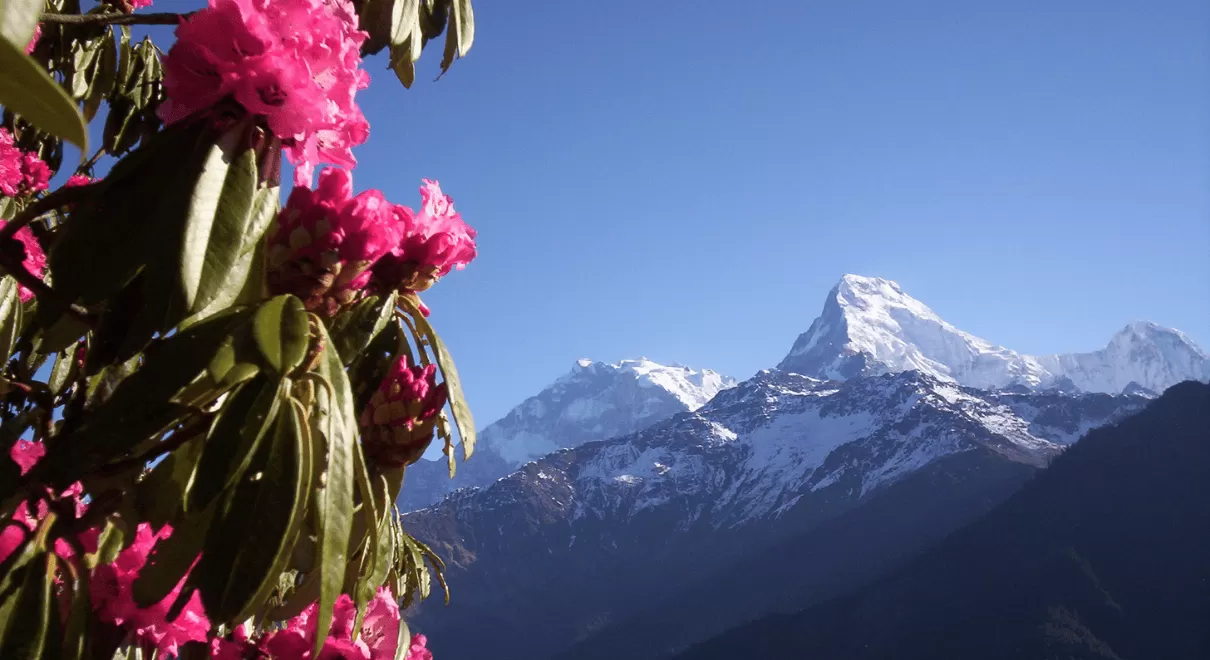
Spring, from March to May, turns the air warmer and the days longer. The slopes start to look alive as rhododendrons bloom. This is a good stretch if you want to plan a longer trip.
In autumn, September through November, the monsoon season has already passed. You usually get cooler air with steady conditions. The sky stays clear more often, and that helps a lot when you need clear sight for the harder parts.
Winter, December to February, is rough to deal with. It can get very cold and bring heavy snow. The monsoon months, June to August, are also a bad idea. Expect thick fog, possible landslides, and visibility that drops fast.
In spring and autumn, the air at base camp usually feels fine. At higher camps, the cold can hit fast and stay that way. Rain is also less common in autumn, especially once the monsoon has moved on. Up high, the wind matters a lot. On summit day, conditions may change without warning, so plan with some room to adjust.
Autumn usually works better for photos and wide views of Kanchenjunga, Jannu, Dhormo Peak, and Nupchu. After the monsoon, the air tends to be drier, so the sky looks clearer. In spring, the air can be a bit hazy, which can dull the view.
Bokta Peak falls under a technical “Group A” category. Many climbers use it to get ready for Kanchenjunga by building acclimatization time first. It is not the kind of climb a complete beginner can just jump into. You usually need some past mountaineering practice and good overall conditioning.
If this is your first attempt, do not go alone. Climb with a local guide or a reliable operator. The area is far from towns and this path sees few visits, so extra support matters.
Planning a Trip to Bokta Peak
Pick your season first, then handle the small details that can make or break the plan.
Permits: Get your NMA climbing permit early, not last minute.
Rest and acclimatization: Add extra rest days no matter when you go. Altitude sickness risk does not vanish because the calendar moved.
Gear: For spring, pack lighter layers plus a rain cover. For autumn, bring warmer insulation because it gets cold faster once the sun goes down.
Pick either the spring months with their fresh flowers or the fall season with clear, sharp weather. Plan your Bokta Peak trek within one of those periods to improve your chances of a safer trip and a more satisfying climb in Nepal. Bokta Peak is also a quieter option than many other routes, since it is not as visited. If you plan, you will likely get to enjoy some of the best views in the wider Himalayan trekking and climbing scene, and you may see fewer people than you expect.
Head east to Nepal. Go where fewer people go. You will see high peaks and vivid local culture.
Take a short flight to Biratnagar. The trip lasts about forty minutes. From the air you get wide views, then the drive starts.
Now travel by road to Taplejung. The route climbs from green lowlands. It rises into colder mountain air until you reach the alpine town of Taplejung.
Your trek follows a semi-limited path. You will walk in the eastern Himalayan area that many travelers skip. You need a special permit.
Meet the local communities on the way. Rai and Limbu people share their customs. You may also see Sherpa influence. Expect warm welcomes and everyday village life.
You can stop to see tea and cardamom farms. Local growers tend tea plots in the hills. Cardamom is grown there too, and the scent stands out.
Finish at the Kanchenjunga Base Camp. You arrive near the foot of the third-highest mountain in the world. The height is about 8,586 meters.
The land gets tough as you go. You will work on climbing basics. You will also face steeper sections, higher ground, and rough conditions at altitude.
Start From
Get personalised guidance for any Nepal adventure — with expert planning and safety support.
We offer expert advice, flexible options, and tailor-made itineraries.

Bokta Peak Climbing was an incredible adventure in the remote Kanchenjunga region. The journey through beautiful mountain landscapes, traditional villages, and peaceful trails was unforgettable. As we approached the peak, the terrain became more demanding, but our experienced climbing guide provided excellent support and guidance. The summit attempt was challenging and required strong determination, but reaching the top was an amazing achievement. Himalayan Smile Treks organized the permits, accommodation, climbing support, and logistics professionally. The spectacular views of the Kanchenjunga range made the entire expedition worthwhile.
The Bokta Peak expedition was one of the most memorable experiences of my Nepal journey. The trek into the Kanchenjunga region offered stunning scenery, remote villages, forests, and dramatic Himalayan landscapes. Our climbing guide was knowledgeable and carefully explained the equipment, route, and safety procedures before the ascent. The higher sections were physically demanding, but the team provided excellent encouragement throughout the climb. Reaching Bokta Peak and seeing the surrounding mountains was an unforgettable moment. Himalayan Smile Treks provided excellent organization and professional support from beginning to end.
Bokta Peak Climbing was a fantastic combination of remote trekking and Himalayan mountaineering. The Kanchenjunga region was incredibly beautiful and much quieter than the more popular trekking areas of Nepal. We walked through forests, mountain settlements, and rugged alpine terrain before reaching the climbing section. Our climbing Sherpa was experienced, patient, and very supportive during the difficult sections. Summit day was demanding, but reaching the top was extremely rewarding. Himalayan Smile Treks handled the expedition logistics efficiently and provided a professional climbing team throughout the journey.
Our Bokta Peak Climbing adventure was challenging, remote, and truly rewarding. I loved the peaceful atmosphere of the Kanchenjunga region and the incredible variety of landscapes along the trekking route. As we gained altitude, the scenery became more dramatic and the climbing became increasingly demanding. Our guide gave us clear instructions about safety, equipment, acclimatization, and climbing techniques. The summit attempt required patience and determination, but standing at the top was an unforgettable experience. Himalayan Smile Treks provided excellent service and well-organized support throughout the expedition.
Bokta Peak was an amazing Himalayan climbing experience. The remote trails of the Kanchenjunga region provided spectacular mountain scenery and a wonderful sense of adventure. The journey was physically demanding, but our experienced guide carefully managed the pace and helped us prepare for the higher elevations. The climbing sections were challenging and required good concentration, but the team's encouragement gave us confidence. Reaching the summit and enjoying the panoramic Himalayan views was a fantastic achievement. Himalayan Smile Treks handled the permits, guides, accommodation, and expedition logistics very professionally.
Climbing Bokta Peak was one of the most adventurous experiences I have had in Nepal. The remote Kanchenjunga region offered spectacular landscapes, traditional mountain communities, and impressive high-altitude scenery. Our climbing team was professional and supportive, providing useful guidance throughout the expedition. The final ascent was physically challenging, but the preparation and encouragement from our guide helped us stay focused. Reaching the summit was incredibly rewarding, especially with the magnificent Himalayan panorama around us. Himalayan Smile Treks organized the entire journey smoothly and provided excellent support throughout the climb.

.jpeg769170185jpeg "Pharchamo Peak Climbing")
$
$
$2500
$
$
$

$
$
$
$


↑
.png "NTB")
.png "Pata")