Country
Nepal
Duration
10 Days
Maximum altitude
3050m.
Activity
Trekking
Difficulty
Moderate
Best Season
Accomodation
Meals
Excluded
Start/End Point
Paro / Phuentsholing

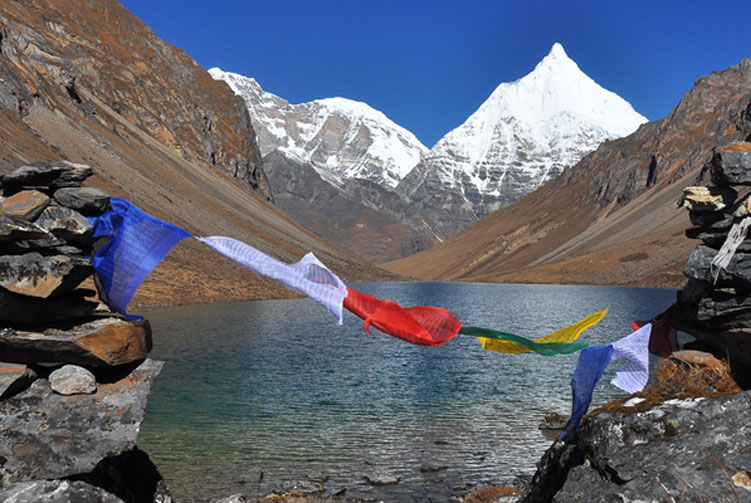
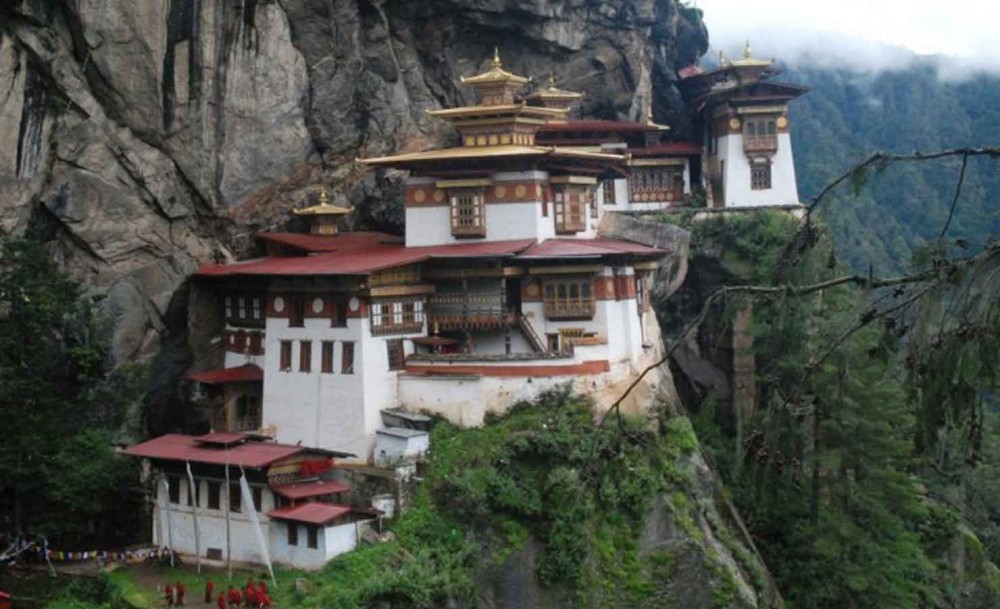
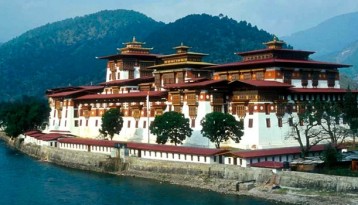
Druk Path trekking is a spectacular flight from Kathmandu to Paro. Visit the Drukgyal Dzong, the ruined fort, which once defended this valley from Tibetan invasions. Also visit the National Museum. Inside, the museum boasts antique thangkas, textiles, weapons and armour, household objects, and a rich assortment of natural and historic artifacts. From Paro valley you will be able to see Mt. Jumolhari (7314m) and snow-capped mountains. You will encounter Yak herders around Jangchulakha campsite at Tshokam. The trail follows the ridge, and on a clear day the views of the mountains and valley are beautiful, in particular the Jichu Drake (6989m). Camp is close to the lake of Jimilangtso. You will walk through dwarf rhododendron trees, and then you pass by the lake of Janye Tsho. On the fifth day trek, you can see Bhutan's highest mountain, Mt. Gangkhar and Punsum (7541m). Explore around Thimphu. Visit the Folk Heritage Museum, which is dedicated to connecting people to Bhutan's rural past through an exhibition of artifacts used in rural households, and the Textile Museum, where the art of traditional weaving is still preserved through an exhibition.
The Druk Path Trek often gets positive feedback. It shows famous Bhutanese scenery without taking long. You travel between Paro and Thimphu. Many parts follow tracks that yak herders used long ago. During the walk, you pass thick rhododendron trees. You also see cool high valleys with small lakes. From time to time, you spot hill forts placed on steep ground.
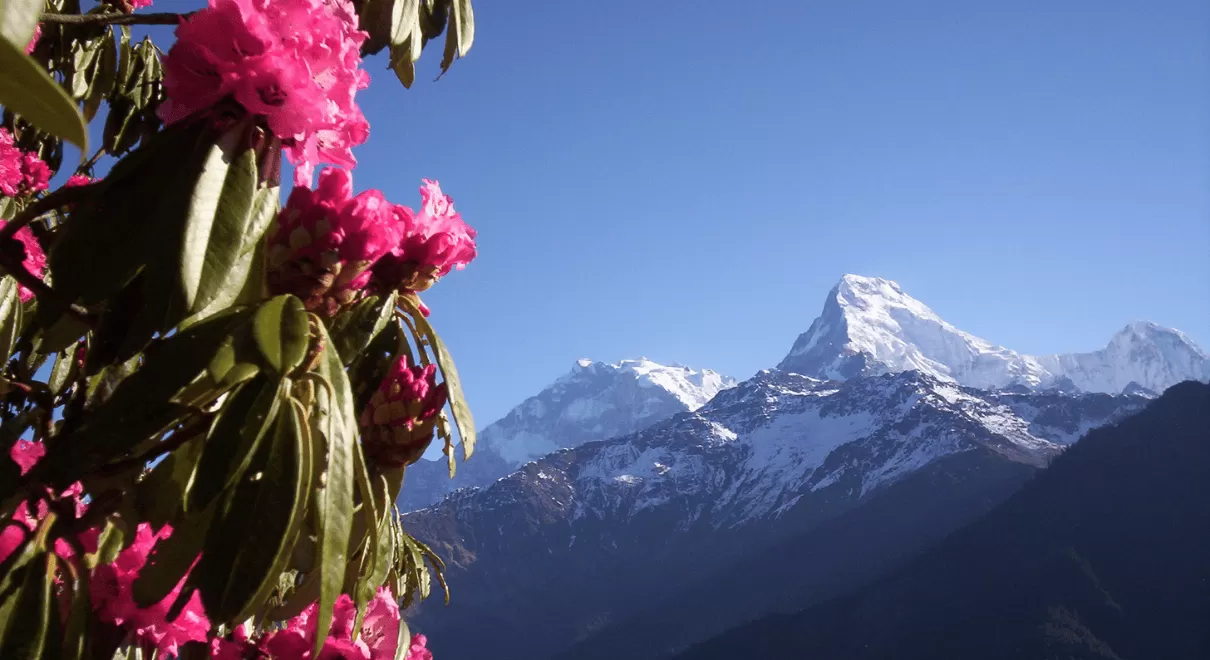
Most hikers sleep near Jimilangtsho or Simkotra. You may also visit Jele Dzong. You can talk with yak herders in open grazing spots along the trail. Try to leave early so you can catch views from Jele La Pass. When the sky is clear, peaks like Mount Jomolhari, Jichu Drake, and Gangkar Puensum can look close, even as clouds drift around them. In spring, the rhododendrons bloom hard, and the path turns bright. A lot of travelers say that view stays with them.
Yes, this trek can work for newer trekkers. The route reaches about 4,200 meters. Still, the hiking climbs in a steady way. You are not left on your own. A guide leads the group. Cooks handle food. Pack animals also carry gear. If you have average fitness and you take acclimatization seriously, most people manage it.
Daytime temps often sit near 10 to 15°C. Nights drop below freezing. Spring is from March to May. Autumn is from September to November. Many people pick those windows because days are clearer and the mountain views look sharp. Winter can bring deep snow. Summer can mean monsoon rain. Cloud cover is common then. Leeches can also show up.
The most pleasant days tend to start with clear skies. Weather feels steady then. Pack warm layers for cold hours. Bring a windproof jacket. Wear sturdy boots. Do not skip sunscreen. Keep a relaxed pace and do not rush. Drink enough water each day. If you follow those simple rules, the quiet Himalayan landscape can feel like a real break from daily life.
The Druk Path Trek takes a few days and goes high up. You start in Paro and end in Thimphu. On the way, you pass over alpine lakes and ridge lines. You also see dzongs along the route. Elevations sit near 4,200 meters.
The Gangtey Trek is shorter. Most people do it in one or two days. You walk through Phobjikha Valley at an easy pace. Pine forests line the path. You also go by small villages. If you visit in season, you may spot black-necked cranes in their area. This trek suits families, people new to hiking, and travelers who want a calm cultural trip.
Classic Route: Take the main short hike in Bhutan. You will walk from Paro to Thimphu on old paths. Along the way you pass rhododendron trees and wide views of the Himalayan peaks.
Jele Dzong: Visit Jele Dzong. This hilltop fort has a long history. From here you can see the Paro valley below and far snow peaks when the sky is clear.
Jimilangtsho Lake: Stay near Jimilangtsho Lake. The place is well known for large trout. In the evening you can sit quietly with mountains all around. Nights bring clear stars.
Jichu Drake: Look up at Jichu Drake, which stands at 6,989 meters. In the morning light it can glow along the ridge trail. The air feels cool and still on clear days.
Phume La Pass: Go over Phume La. This is the highest point on the walk, at 4,210 meters. When you reach the top, you see Gangkhar Puensum and the view toward the Thimphu valley.
Yak Herders: Spend time with yak herders at their seasonal camps. You will see how mountain families live day to day. They guide the herds and keep life going in the high remote areas.
Blue Pine Descent: On the last day, walk down through blue pine forest. The air smells fresh. Then you reach Thimphu, eat lunch, and take a hot shower after all that walking.
Start From
Get personalised guidance for any Nepal adventure — with expert planning and safety support.
We offer expert advice, flexible options, and tailor-made itineraries.

The Druk Path Trekking experience was a wonderful way to discover Bhutan on foot. The trail between Paro and Thimphu passed through peaceful forests, mountain ridges, and beautiful high-altitude landscapes. We enjoyed the views of the surrounding Himalayan peaks and the peaceful atmosphere of the trail. Our guide was knowledgeable about Bhutanese culture, Buddhism, and local traditions, which added great depth to the journey. Himalayan Smile Treks organized the trek very professionally, including accommodation, meals, permits, and transportation. It was a memorable Bhutan adventure.
Druk Path Trekking was one of the highlights of our Bhutan trip. The trail offered a wonderful combination of nature, culture, and mountain scenery. Walking through pine and rhododendron forests and camping in the peaceful mountain environment was a fantastic experience. We especially enjoyed the views around the high passes and the beautiful Himalayan landscapes. Our guide was friendly, experienced, and very informative about Bhutanese traditions and monasteries. Himalayan Smile Treks handled the arrangements smoothly and made the trek comfortable from start to finish.
The Druk Path Trek was an unforgettable Himalayan journey. The changing landscapes, quiet forests, mountain lakes, and panoramic views made every day of walking special. I enjoyed the opportunity to experience Bhutanese culture while trekking between Paro and Thimphu. Our guide was excellent and shared interesting information about local history, Buddhism, and traditional life. The camping arrangements were well organized, and the trekking team was very supportive. Himalayan Smile Treks provided professional service throughout the trip. This trek is a wonderful way to experience Bhutan beyond the main tourist sites.
Our Druk Path Trekking adventure was peaceful, scenic, and very rewarding. The route through Bhutan's beautiful mountain landscape gave us an opportunity to enjoy forests, high ridges, and spectacular Himalayan views away from the busy roads. The campsites were beautifully located, and the trekking team took good care of us throughout the journey. Our guide also helped us understand Bhutanese culture and Buddhist traditions, making the experience much more meaningful. Himalayan Smile Treks organized the trek efficiently and provided excellent support throughout our journey in Bhutan.



↑
.png "NTB")
.png "Pata")