Best Treks in Nepal
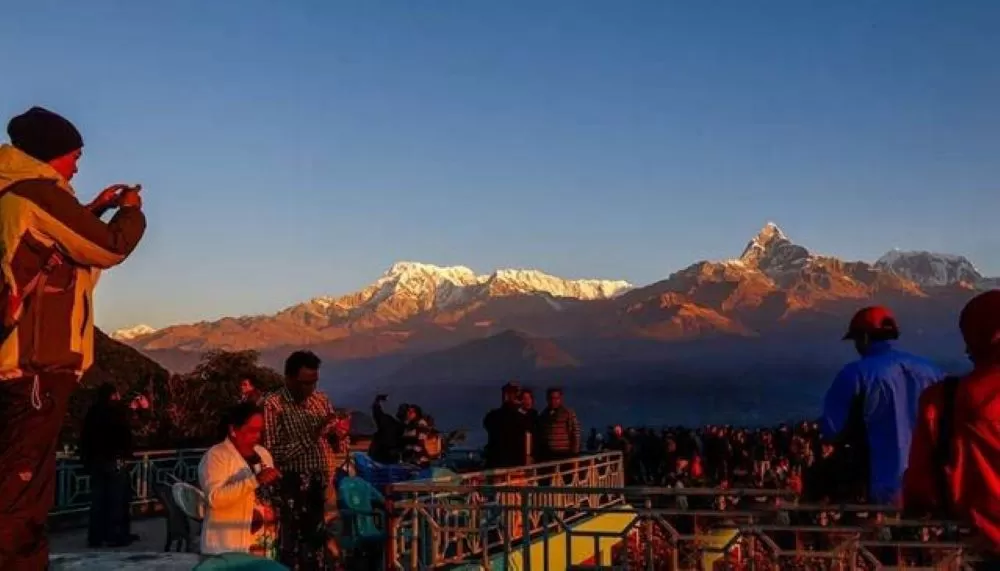
There are places in the world that feel made for adventure, and then there is Nepal, a country that practically invented the concept of trekking as we know it today. The Himalayan Mountains serve as a natural boundary that protects Nepal, which contains eight of the world's fourteen tallest mountains that reach their peak at Mount Everest, which stands at 8,849 meters. The best treks in Nepal present multiple exceptional trekking options that exceed the standard trekking choices available to visitors.
The best treks in Nepal offer far more than altitude and bragging rights. The trails lead to rhododendron forests, which display their full springtime beauty, and they also pass over historic suspension bridges, which visitors can experience while they visit Sherpa families who live in stone teahouses and drink salt-butter tea with them, and they can see the sunrises, which create a fiery display on the high peaks. The trekking experience provides a complete human existence, which demands physical effort while people explore different cultural practices and achieve spiritual growth.
The best treks in Nepal, which offer suitable routes for every level of experience and budget, and all types of terrain, which include subtropical jungle, Arctic glaciers, medieval trading towns, and uninhabited wilderness areas, provide suitable trekking options for all Himalayan trekking needs.
The guide provides complete information about required trail selection, optimal travel times, necessary permits, essential preparation for challenges, and important tips that can turn a trek into an exceptional experience or a terrible one. Let's start from the top.
What Makes Nepal the World's Greatest Trekking Destination?
The question people frequently ask me needs to be answered because Nepal stands as the top trekking destination among all worldwide mountain locations. The honest answer is that no other country combines so many trekking virtues in one place.
The Himalayan landscape displays its massive size through its entire expanse. The Annapurna Region alone offers views of ten peaks over 7,000 meters. The Everest Region contains the highest concentration of extreme altitude on Earth. The Langtang Valley delivers glacier-draped ridges within a day's drive of Kathmandu. The mountain views in Nepal, which beginners can see during their first trek, reach a level that no other hiking experience can provide throughout an entire lifetime.
Nepal's teahouse trekking culture provides visitors with a special experience because multiple paths through the country lead to accessible teahouses that operate as sleeping and dining facilities, which enable trekkers to rest without needing to carry their camping equipment. This makes multi-week, high-altitude trekking achievable for people who are not mountaineers or extreme adventurers.
The country offers a wide range of trekking routes that no other destination can match. Easy valley walks, technical passes, remote circuits, cultural immersion routes, and even high-altitude desert landscapes (Upper Mustang) are all on offer within the borders of one small country. The journey obtains intellectual value from Sherpa, Tamang, Gurung, and Thakali local traditions, which enhance its physical experience.
The national parks and conservation areas of Nepal, including Sagarmatha National Park in the Everest Region and the Annapurna Conservation Area, preserve these landscapes for future trekkers who will follow after today.
When to Do the Best Treks in Nepal
Your trekking schedule for Nepal requires you to select the most suitable time period for your trek. The seasonal changes create completely distinct experiences for visitors to the area, which also affect their safety in different ways.
Spring begins in March and ends in May. The hillsides of the area reach their peak beauty when rhododendrons begin to bloom. The second-best trekking season occurs when the weather provides clear skies and warm temperatures. The popular trails reach their most beautiful state during this time.
Autumn occurs between September and November. The post-monsoon period provides the best conditions for trekking because the skies remain clear and temperatures stay constant while visibility reaches its highest point. The Everest and Annapurna regions possess their most popular visiting times.
The winter season extends from December to February. The trails experience reduced activity because there are fewer trekkers, and the costs become much cheaper. Snowfall can close high passes, but the Ghorepani Poon Hill lower route remains accessible to those who can handle cold nighttime temperatures.
The monsoon season lasts from June until August. The heavy rainfall during this period creates muddy trails that become infested with leeches. The rain-shadow regions of Upper Mustang and Dolpo experience their dry season because they receive almost no rain during this period.
The 8 Best Treks in Nepal, Ranked and Reviewed
Through Nepal, hundreds of trekking routes exist, but eight particular routes represent the highest level of trekking that exists in the country because each route shows different aspects of Nepal's exceptional natural beauty. The best treks in Nepal, which exist as hiking trails, represent some of the world's top hiking paths.
Trek 01: Everest Base Camp Trek (Moderate–Challenging)
Duration: 12–14 days Max Altitude: 5,364 m Best Season: Oct–Nov / Mar–May
The Everest Base Camp Trek stands as the most popular trekking route in Nepal, which attracts trekkers who want to reach the base of Mount Everest. The Lukla trail leads trekkers through Sherpa settlements to Namche Bazaar and through Sagarmatha National Park until they reach the rocky terrain at the base of Khumbu Icefall. The route takes you to the Hillary Suspension Bridge and the Tengboche Monastery, which displays the Ama Dablam mountain, while you reach a height of 5,364 meters with Mount Everest towering over you. The route requires all trekkers to complete all necessary acclimatization procedures because it presents challenges that require advanced skills to handle.
Trek 02: Annapurna Base Camp Trek
Duration: 7–12 days Trek Grade: Moderate Max Altitude: 4,130 m Best Season: Oct–Nov / Mar–May
The Annapurna Base Camp Trek delivers one of the most dramatic endings that exists in all trekking routes. The trail leads you through a natural path that combines rhododendron and bamboo forests until you reach the beautiful Gurung villages of Ghandruk and Chhomrong before ascending to a high-altitude amphitheater that displays ten Himalayan peaks, including Annapurna I and Machapuchare, the sacred fish-tail peak. The Annapurna Sanctuary, as this natural bowl is called, is like standing inside a cathedral built by the earth itself. The trek delivers exceptional accessibility because all trekkers can access different landscapes, which showcase stunning mountain scenery to create one of the top trekking experiences in Nepal for people with short travel times.
Trek 03: Annapurna Circuit Trek
Trekking Grade: Moderate–Challenging Duration: 14–21 days Max Altitude: 5,416 m (Thorong La) Best Season: Oct–Nov / Mar–May
The Annapurna Circuit trek, which is one of the most popular trekking routes from all over the world, has been declared the best trekking route in the world, consisting of a 200-kilometer loop that encircles the entire Annapurna massif. The circuit reaches its highest elevation at Thorong La Pass, which stands at 5,416 meters and requires trekkers to begin their journey early, while they must have proper acclimatization to complete this challenging route. Muktinath, which exists beyond the pass, serves as a holy site for religious pilgrims to visit. The circuit travels through all major ecological regions that exist in Nepal, starting from subtropical rice fields near Besisahar and ending at the high-altitude desert environment of Mustang. Trekkers also pass through traditional Thakali villages, which showcase their unique food traditions and apple orchards.
Trek 04: Langtang Valley Trek
Trekking Grade: Easy–Moderate Duration: 7–10 days Max Altitude: ~4,984 m (Kyanjin Ri) Best Season: Mar–May / Sep–Nov
The Langtang Valley Trek, which people refer to as the Valley of Glaciers, represents the nearest major Himalayan trekking route to Kathmandu, which trekkers can reach through a four-hour drive. The path leads through the Langtang River valley, which passes through oak and rhododendron forests until it reaches the Tamang ethnic territory. The Tamang people maintain a rich Tibetan Buddhist culture that exists throughout the valley, together with its ancient stone walls, prayer flags, and traditional villages. The Kyanjin Gompa monastery overlooks the valley while a beautiful glacier rests nearby, and hikers who ascend Kyanjin Ri receive complete views of Langtang Lirung (7,234 m). The ideal path for beginner trekkers exists in Nepal.
Trek 05: Manaslu Circuit Trek
Trekking Grade: Challenging Duration: 14–18 days Max Altitude: 5,106 m (Larkya La) Best Season: Oct–Nov / Mar–May
Trekkers who seek to experience the majestic beauty of the Annapurna Circuit but prefer a less crowded path should choose the Manaslu Circuit trek as their ideal hiking destination. The restricted area trek to Mount Manaslu requires trekkers to obtain a special permit and hire a licensed guide, which preserves the trail's remote natural state. The route showcases Tibetan Buddhist culture through its ancient gompas and festivals, which have remained unchanged since the beginning of Nepalese trekking. The Larkya La Pass crossing offers one of the most stunning views in Himalayan trekking because it displays a complete Manaslu Himalayan range with the Himlung and Cheo Himal peaks.
Trek 06: Gokyo Lakes Trek
Trekking Grade: Moderate Duration: 12–15 days Max Altitude: 5,357 m (Gokyo Ri) Best Season: Oct–Nov / Mar–May
The Gokyo Lakes Trek provides a hidden gem for visitors who want to explore the Everest Region, which some people consider a superior option to Everest Base Camp. The path ascends from the Khumbu valley to six glacial lakes, which display remarkable turquoise waters that flow through the Ngozumpa Glacier, which stands as the largest glacier in Nepal. The summit of Gokyo Ri (5,357 m) provides a panorama that encompasses four 8,000-metre peaks simultaneously: Everest, Lhotse, Makalu, and Cho Oyu. The viewpoint stands as one of the most stunning locations on the planet, which anyone can reach without needing to learn technical climbing skills.
Trek 07: Upper Mustang Trek
Trekking Grade: Moderate Duration: 14–17 days Max Altitude: ~4,000 m (Lo Manthang) Best Season: May–October (rain-shadow)
The best treks in Nepal offer the Upper Mustang trek as a unique pathway because it delivers visitors to ancient times. This Himalayan kingdom kept its territory closed to outsiders until 1992, which allowed its people to maintain their traditional existence that has not changed for the last five hundred years. The high-altitude desert landscape contains eroded cliffs, ancient cave monasteries, and wind-sculpted canyons that display ochre, red, and brown hues. The King of Mustang resides in Lo Manthang, which contains a walled medieval city that trekkers consider to be the most culturally surprising experience of their entire lives. Special Upper Mustang permit and licensed guide services are necessary for access to the area.
Trek 08: Mardi Himal Trek
Trekking Grade: Easy–Moderate Duration: 5–8 days Max Altitude: 4,500 m (High Camp) Best Season: Oct–May
The Mardi Himal Trek serves as a concealed treasure that people can find in the Annapurna region through its new trekking path that leads to stunning views of Machapuchare and the Annapurna South face, which remain unvisited by walkers following the main Annapurna trails. The route brings hikers along a ridge that runs above the rhododendron forest and reaches its highest point at 4,500 metres, which leads to the High Camp. The sacred fish-tail peak becomes visible in its full glory on days with perfect weather conditions. The trek exists as one of Nepal's most outstanding short hiking paths, which trekkers can complete within a limited time period or which first-time Himalayan adventurers can use before tackling more challenging terrain.
Trek Difficulty Comparison
The quick reference table allows you to compare the top treks in Nepal based on their duration and maximum altitude and difficulty level to help you select the best route for your fitness level and hiking experience.
| Trek | Duration | Max Altitude | Difficulty |
|---|---|---|---|
| Everest Base Camp | 12–14 days | 5,364 m | Moderate–Challenging |
| Annapurna Base Camp | 7–12 days | 4,130 m | Moderate |
| Annapurna Circuit | 14–21 days | 5,416 m | Moderate–Challenging |
| Langtang Valley | 7–10 days | 4,984 m | Easy–Moderate |
| Manaslu Circuit | 14–18 days | 5,106 m | Challenging |
| Gokyo Lakes | 12–15 days | 5,357 m | Moderate |
| Upper Mustang | 14–17 days | ~4,000 m | Moderate |
| Mardi Himal | 5–8 days | 4,500 m | Easy–Moderate |
The Real Problems Trekkers Face — and How to Solve Them
The people who market Nepal trekking as an easy walk through the park experience create a professional disadvantage for you. The trails provide real difficulties that require you to enter the experience with a complete understanding, which serves as the best method to prepare yourself. The following section contains information about the main challenges trekkers experience on the most popular trekking routes in Nepal, together with authentic solutions to these problems.
What Beginners Get Wrong
Underestimating altitude sickness (AMS): The first mistake people make when learning about altitude sickness is to underestimate its danger to their health. The condition known as Acute Mountain Sickness affects all people regardless of their physical fitness. Olympic athletes experience severe altitude sickness at high elevations. People should follow the golden rule, which requires them to ascend at a slow pace while drinking three to four litres of water, treating headaches as serious symptoms, and taking rest days before ascending to higher elevations. The mantra "climb high, sleep low" exists for very good reason.
Going to Fast: The experienced trekking guides reach the same conclusion because they observe that trekkers who begin their journey too quickly experience trekking difficulties. The Sherpa guides demonstrate proper trekking speed through their continuous, slow, and steady movement. The Nepali phrase "Bistari bistari," which means "slowly slowly," serves as a useful guide for trekking because it represents proper walking techniques according to Nepali tradition.
Poor gear choices: Many beginners face the fear of bringing too much equipment. The greater sin is under-packing on critical items: worn-out trekking shoes on steep, wet trails cause falls and injuries; inadequate sleeping bags in high teahouses make nights miserable; no trekking poles means your knees suffer badly on descent. You should purchase your essential equipment before starting your journey.
Skipping travel insurance: A helicopter evacuation from high altitude can cost USD 3,000–5,000 or more. The top trekking routes in Nepal require travelers to obtain complete travel insurance that includes emergency medical evacuation. Do not attempt to save money here.
Permits Required for Trekking in Nepal
To trek legally through Nepal, you must obtain multiple permits according to the specific route you plan to take. Understanding these before you depart saves significant time and stress in Kathmandu.
The Trekkers' Information Management System card is required for the most popular trekking areas. The card is issued in Kathmandu and Pokhara.
Sagarmatha National Park
The permit is needed for both the Everest Base Camp and Gokyo Lakes treks, which include access to the UNESCO World Heritage-protected area.
ACAP Permit
The Annapurna Conservation Area Permit permits all treks throughout the Annapurna region, which includes the Circuit and Base Camp routes.
Restricted Area Permits
Upper Mustang and Manaslu require special government-issued restricted area permits and must be trekked with a licensed guide.
The Langtang Valley Trek requires a permit, which grants access to the park that includes Langtang National Park, Nepal's third-largest national park.
Some newer trails require additional local or provincial permits. Always check current requirements before departure.
Personal Experience
The first time I trekked the Annapurna Base Camp in October through Nepal, I learned how mountains transform human experience. I stood in the sanctuary at sunrise when no trekkers existed, and I felt complete adequacy while I looked at 8,000-metre peaks which glowed amber and rose. You do not need to conquer these mountains. The mountains will handle everything when you simply arrive at their base. The best treks in Nepal create their hidden enchantment through their peaceful atmosphere.
Research-Backed Tips for Making the Most of Nepal Trekking
Essential Tips for Every Trekker
They need to do specific training to learn how to control their body weight during downhill movement. Most trek injuries happen during the descent portion, which represents 90 percent of the trek. Your pre-trek fitness routine must contain downhill running and eccentric leg exercises for a duration of eight weeks, which you should do before you start your trek departure.
Choose a guide who has both experience and proper licensing. A Sherpa guide possesses vital skills which include navigation support, emergency response capabilities, local cultural expertise, and altitude acclimatization assessment.
Make teahouse reservations before the start of peak season. The popular Everest Base Camp route reaches complete trail congestion during October and November. Flexible travel requires you to either book accommodation in advance or bring a tent for camping.
Your acclimatization process should begin in Kathmandu. You need to spend two complete days in Kathmandu, which has an altitude of 1,400 meters, before you can travel to Lukla, which is located at 2,860 meters. Use this time to sort permits, gear, and guides — not to rush straight onto the trail.
You should only drink bottled water or treated water. Waterborne illness stands as one of the most frequent reasons why trekkers end their journey. You need to bring either a UV purifier or water purification tablets as your backup solution for drinking water because you need to purchase water.
You should pack your clothing items in layers instead of packing them as bulk items. The best trekking routes in Nepal experience temperature changes of 20°C, which occur from midday to midnight at high altitudes. The combination of light moisture-wicking base layers with a suitable mid-fleece and a windproof shell outperforms any single heavy jacket.
Trekking requires you to follow the Leave No Trace principle, which establishes you as a responsible trekker. Plastic waste now increasingly affects Nepal's hiking trails. You need to carry your garbage back to the starting point. Choose teahouses that operate without using single-use plastic products. The mountains deserve to stay exactly as beautiful as they are.
Common Questions About the Best Treks in Nepal
What is the single best trek in Nepal?
The Everest Base Camp Trek stands as the most famous trekking route according to experienced trekkers and guides who evaluate Nepalese trekking routes based on the personal needs of trekkers. Upper Mustang provides a unique cultural experience that no other place can match. The Annapurna Base Camp trail offers hikers picturesque mountain views, which they can enjoy at a low elevation. The Manaslu Circuit trek provides hikers with an experience of complete isolation from the outside world.
What is the most suitable trek for beginners in Nepal?
The Langtang Valley Trek and the Ghorepani Poon Hill trek (which people commonly use to reach the Himalayas from their base in the Annapurna region) provide excellent trekking opportunities for people who want to trek for the first time. The two locations both feature breathtaking mountain views and established teahouse systems, and they maintain suitable hiking heights. The Mardi Himal Trek provides an excellent short trail that beginner trekkers can use to view the Annapurna mountains without needing to complete the full Annapurna circuit trail.
Do I need to be physically fit to trek in Nepal?
You need a basic level of cardiovascular fitness because your daily walking schedule requires six to eight hours of uphill hiking at high altitudes. People do not need to be professional athletes to participate. Regular aerobic exercise (hiking, cycling, swimming) for at least two to three months before your trek will prepare most people for the easier and moderate-difficulty routes among the best treks in Nepal.
Can I do the best treks in Nepal without a guide?
The popular treks in Nepal, which include Everest Base Camp and Annapurna Base Camp, can be hiked by trekkers who want to trek without guides. The new regulations from 2023 require all trekking routes in Nepal to use guide services except for the routes that allow independent trekking. A licensed guide is mandatory for restricted area treks, which include Mustang and Manaslu. The first-time trekkers who need to trek most frequently benefit from a guide who provides more than just navigational help because the guide also shows them different cultures while keeping them safe.
What expenses do trekkers face when they hike in Nepal?
The costs of trekking depend on both the selected route and the chosen trekking method. Budget trekkers who travel independently and stay in teahouses spend between USD 30 and USD 50 each day. The daily costs for a guide and porter reach between USD 25 and USD 60 because their fees and equipment expenses need to be included. The cost of permits starts at USD 15 and exceeds USD 500 for access to restricted areas. The complete cost for a 14-day Everest Base Camp Trek, which includes all expenses for guide services and porter assistance, permits, and flight tickets, ranges from USD 1,500 to USD 2,500 without counting international flights.
Nepal Is Waiting — Are You Ready to Walk?
The top trekking routes in Nepal function as more than walking paths. The trekking routes create a powerful transformation that changes your inner self through three specific experiences, which reveal human physical limits, showcase high-altitude human traditions, and demonstrate the true meaning of "view" through Himalayan sunrise views.
The legendary Everest Base Camp and Upper Mustang's cultural labyrinth and Gokyo Lakes' turquoise silence all provide unique experiences which no other location on Earth can provide. The trekking trails of Nepal, which date back to ancient times and present extreme challenges and show people breathtaking scenery have been welcoming walkers from every corner of the world for decades and they will continue to do so.
Honest preparation should be done. The training program needs specific exercises. The movement should be done at a slow pace. Hydration requires water consumption. A skilled guide should be employed. The mountain communities need to be treated with the respect which they rightfully deserve. The best treks in Nepal will take care of the rest.

.png "NTB")
.png "Pata")